
Dec. 24, 2025, 1:14 p.m.
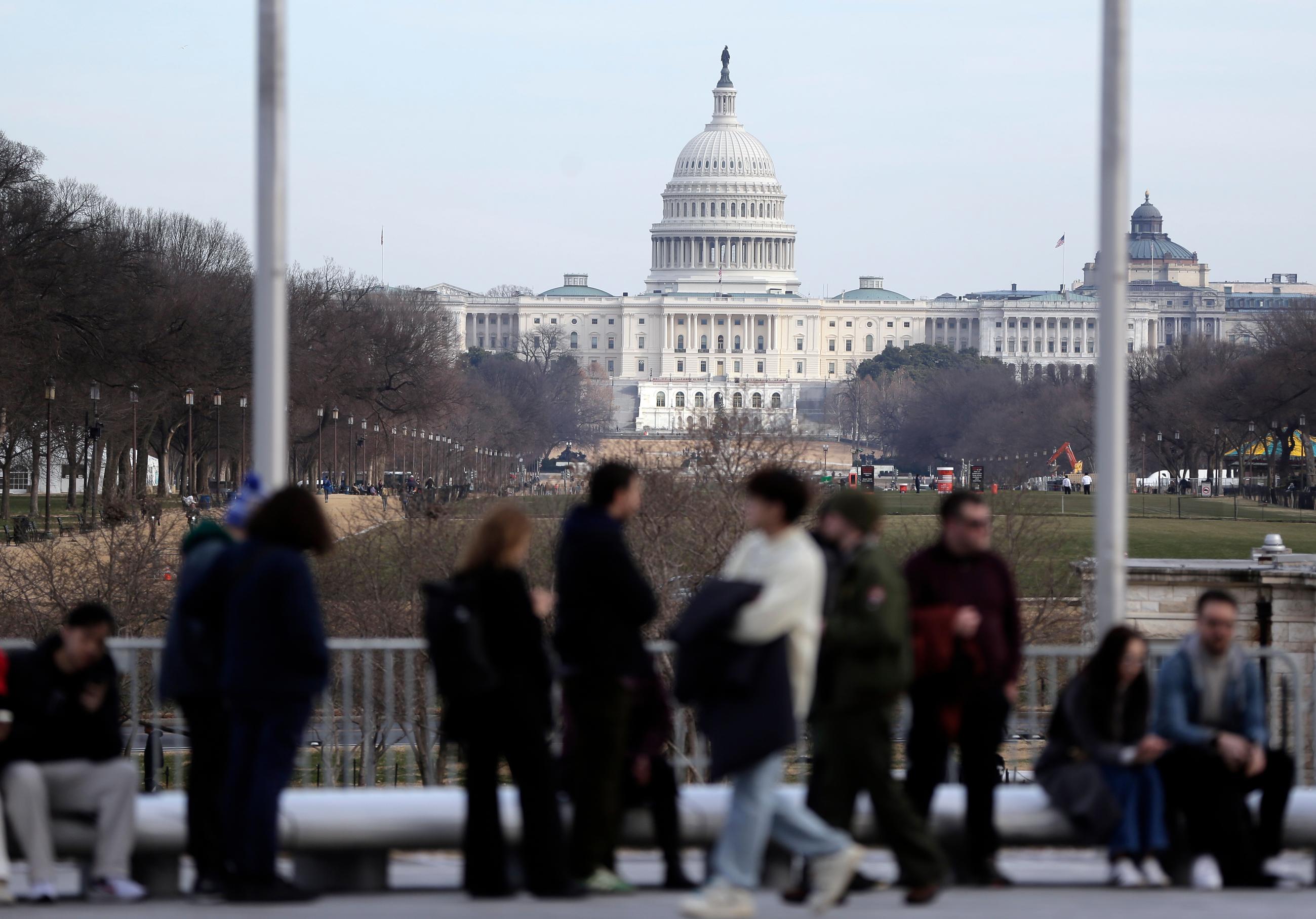
Congress left town last week with a large to-do list left for the congressional session.
And while lawmakers accomplished many of their priorities, much remains to be finished in a year likely shaped by the midterms. Election years typically constrain the passage of major legislation given the political stakes that discourage grand bipartisan compromise and leave fewer legislative days on the calendar.
This year, Republicans were able to pass their reconciliation bill, the “One Big Beautiful Bill” Act, which enacted the largest cut to the federal safety net in history. The law slashed funding for Medicaid programs and food aid, while making room for a number of permanent tax cuts for individuals and businesses. The exercise took up a large portion of the congressional schedule, at the expense of other priorities.
Republicans who control both chambers have drawn up an ambitious list for 2025: passing a second—and possibly third—reconciliation bill, reviving Obamacare subsidy extension talks, funding the government, and moving other major authorization bills. Still, with their narrow majorities, there’s much skepticism about what can get done before campaign season takes over.
Here’s a look at what’s on the menu for the new year:
Health care
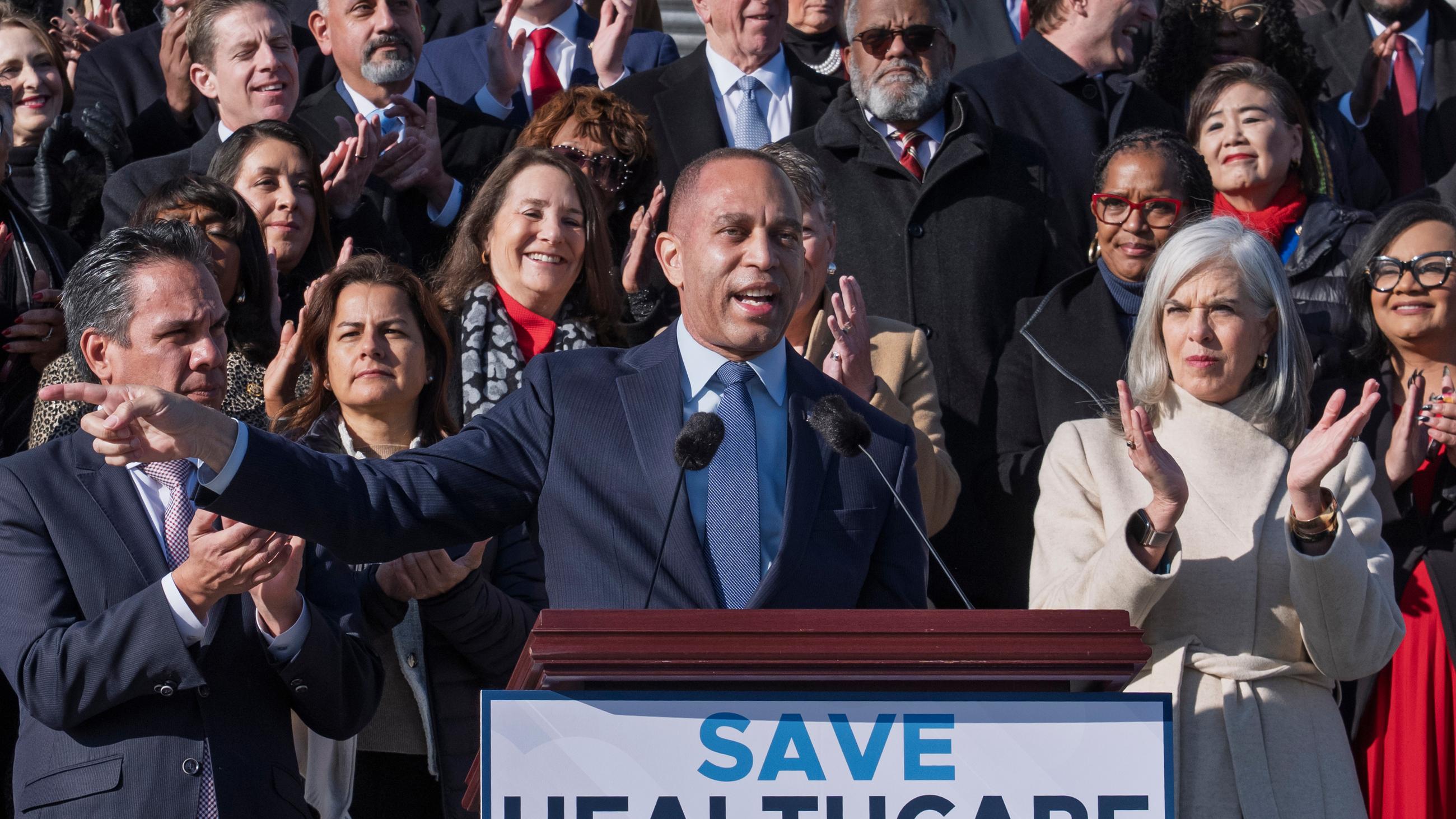
Congress left town at the end of December unable to cinch a deal extending the enhanced premium tax credits under the Affordable Care Act. A number of moderate Republicans signed onto a Democratic-led discharge petition to force a vote in January on extending the subsidies, which are set to expire at the end of this year. While the measure is all but sure to pass the House, it’s unclear whether or not a bipartisan deal will emerge in the Senate.
House members are sending over the discharge petition as a vehicle for the Senate to insert any deal the upper chamber can cobble together. Lawmakers spent months trying to find agreement on the issue, with Republicans splintering. They’re divided on whether to issue an extension for a costly, Democratic priority that a large portion of their party—including President Trump—spent years trying to repeal.
While the subsidies are set to lapse at the end of this year, lawmakers are re-entering negotiations in the new year without a clear deadline to deliver some kind of premium cost relief. Momentum on the issue could also easily dissipate if they hit an impasse like the one that held up a deal in the Senate over the last few months: the issue of adding the Hyde amendment to any extension. The amendment bans the use of federal funds for most abortions, a red line for the vast majority of Democrats.
For now, Senate leadership and the White House don’t seem to be getting involved in the negotiations, leaving much of the lift up to rank-and-file lawmakers.
“I think that the discussions are continuing to occur between members on the Republican side and the Democrat side on the path forward,” Senate Majority Leader John Thune said. “We’ll see if there’s a landing spot. … If they send something over, it creates a revenue vehicle that we could use for something.”
Outside of the Obamacare subsidies, funding for a number of health care programs is set to expire at the end of January, including money for community health centers and Medicare programs, along with the suspension of scheduled payment cuts, such as funding for Medicaid Disproportionate Share Hospitals. A number of these health extenders are noncontroversial, and are usually passed on a bipartisan basis without much fanfare.
Appropriations
Congress passed a large appropriations package for the 2026 fiscal year in November, funding the Agriculture Department and the Legislative Branch, along with military construction and Veterans Affairs. Those areas are usually considered the least controversial part of the appropriations process. However, a number of fiscal 2026 bills remain unfinished, bringing into question whether or not lawmakers will opt for another short-term stopgap funding measure, or a longer continuing resolution to keep the government’s lights on.
Government funding runs out on Jan. 30, giving lawmakers a month to pass nine remaining appropriations bills. Before Congress recessed for the holidays last week, , the Senate was on the cusp of passing another large batch of funding bills—often referred to as a “minibus”—that would have funded the departments of Education, Housing and Urban Development, Defense, Health and Human Services, Transportation, Labor, Commerce, Justice, and Interior.
Right before the break, Senate Republican leaders were able to clear holds from fiscal hawks who opposed the inclusion of earmarks in the funding bills, resulting in the promise of several amendment votes on the matter.
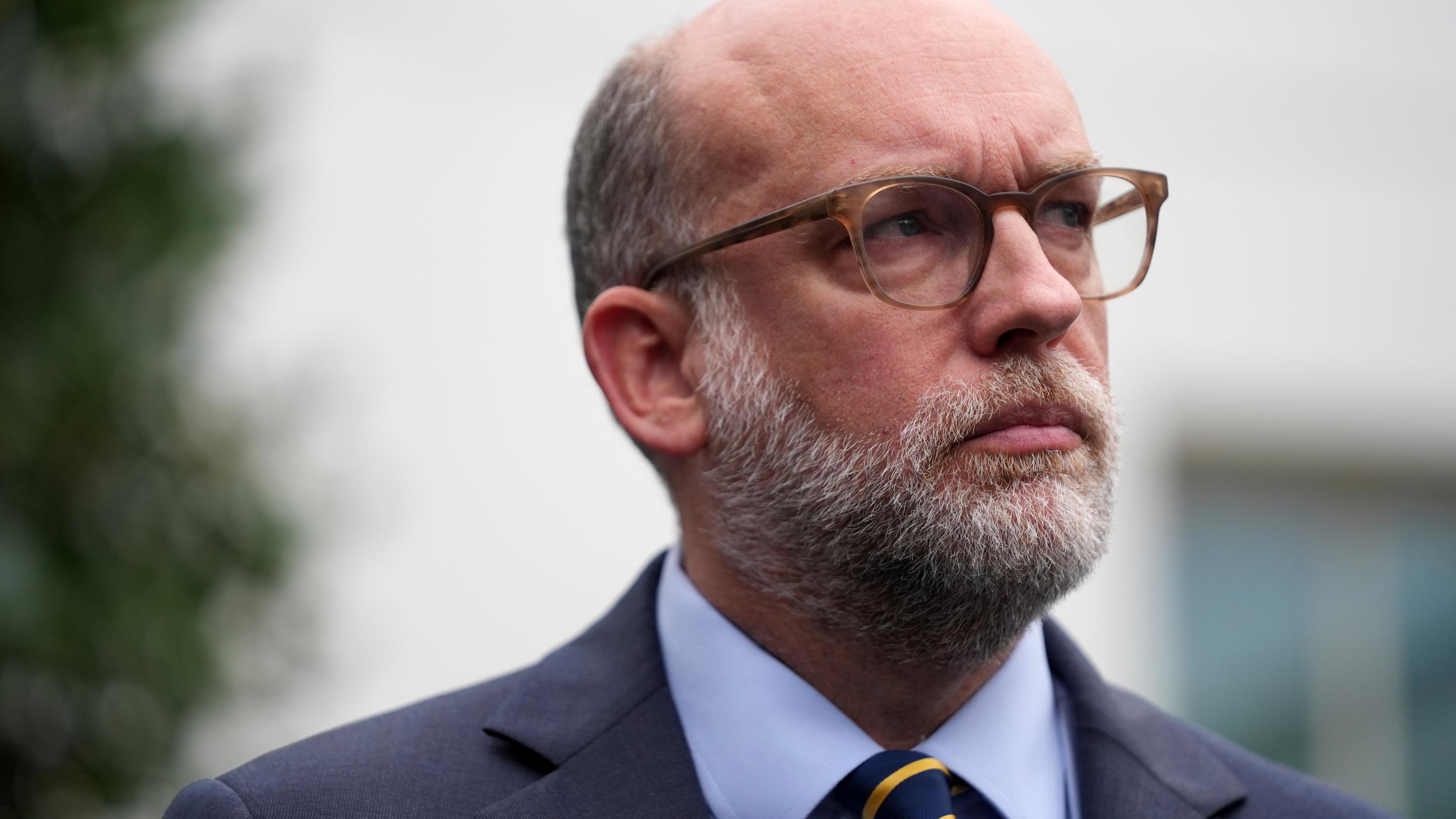
However, Democrats ultimately held up the package. Democratic Sens. Michael Bennet and John Hickenlooper of Colorado said they froze a path forward for the minibus following the decision from White House Budget Director Russell Vought to break up the National Center for Atmospheric Research, which he called "one of the largest sources of climate alarmism in the country.”
“President Trump is attacking Colorado because we refuse to bend to his corrupt administration,” the Democratic senators wrote. “His reckless decision to dismantle the National Center for Atmospheric Research will have lasting, devastating impacts across the country. We are holding the Senate’s appropriations package to demand full funding for NCAR.”
That last-minute hurdle, along with other Democratic objections, punted the appropriations fight to January. However, the hurdles do not automatically mean that a government shutdown is inevitable. As of now, the appetite among Democrats for a shutdown is low, with the party believing it has successfully put GOP lawmakers on the record over the issue of health care.
A second reconciliation bill?
There is still an appetite among Republican leadership for a second reconciliation bill, following House Speaker Mike Johnson’s call back in July for two major legislative packages—one for the fall of 2025 and one for spring 2026. But the two deliberative bodies blew past the speaker's first self-imposed deadline, leading to skepticism that any significant legislation can pass in an election year.

“We obviously would like to get one, but you’ve got to build consensus around it just like we did the first one,” House Majority Leader Steve Scalise said. “That one took a lot of time. We're going to come back with a very full agenda on a lot of items, but reconciliation is one thing we're going to try to build.”
Some committee leaders are already laying the groundwork for a prospective bill that would need only a simple majority to pass in the Senate.
In an interview with Semafor, Senate Budget Committee Chair Lindsey Graham said he’s planning on jump-starting the reconciliation process with a budget resolution for early next year that has funding for the military, health care policy, and a grant program for states that assist Immigration and Customs Enforcement.
The measure would still need buy-in from the lower chamber and the White House—not to mention Graham’s Republican Senate colleagues. The first reconciliation bill took a lot of corralling among the GOP conference, and whether or not there’s momentum for a second such arduous feat remains to be seen.
Farm bill
The new year could also produce another farm bill, after a slimmer, more narrow version was passed as part of a funding bill reopening the government last month. House Agriculture Committee Chair Glenn Thompson told National Journal last week that he expected to mark up “Farm Bill 2.0” in January.
Lawmakers had initially hoped they could come to an agreement on priorities before the new year, but they were unable to strike a deal before year’s end.
The punt to January means Congress will have gone a third year without updating funding levels to agricultural programs—leaving farmers in a precarious position amid the president’s tariff wars and inflation.
However, when asked if any further agricultural priorities would be handled in a second reconciliation bill, Thompson said he doesn’t want the focus of any package to be on his area of jurisdiction.
“Quite frankly, we did a lot the first time around,” Thompson said. “But I do have some ideas that would be pro-ag, but not necessarily in an agriculture title.”