With the election next week, most states are focused on what or who is on the ballot Tuesday. That doesn’t mean everyone’s done working, though.
An influx of big-tech cash has rocked Florida’s legislative races, New York’s AI chatbot bill was signed into law, Washington state is leaning into the anti-fraud trend, and an increased number of Native American candidates will be on the ballot.
Here’s what you need to know this week from outside the Beltway:
Florida:
Big tech has descended on Florida’s legislative races, pumping tens of thousands of dollars into statehouse races that could impact how the legislature responds to data centers and artificial intelligence. An AI “bill of rights,” regulation and development of data centers, and ratepayer protection are on the docket for the Legislature starting in 2027. If these tech companies can get their preferred candidates in the room where it happens, or at least help shape some minds on what that upcoming tech legislation should be, they’re happy to spend. This isn’t the only state these big companies are playing in—California has also seen an influx of cash.
New York
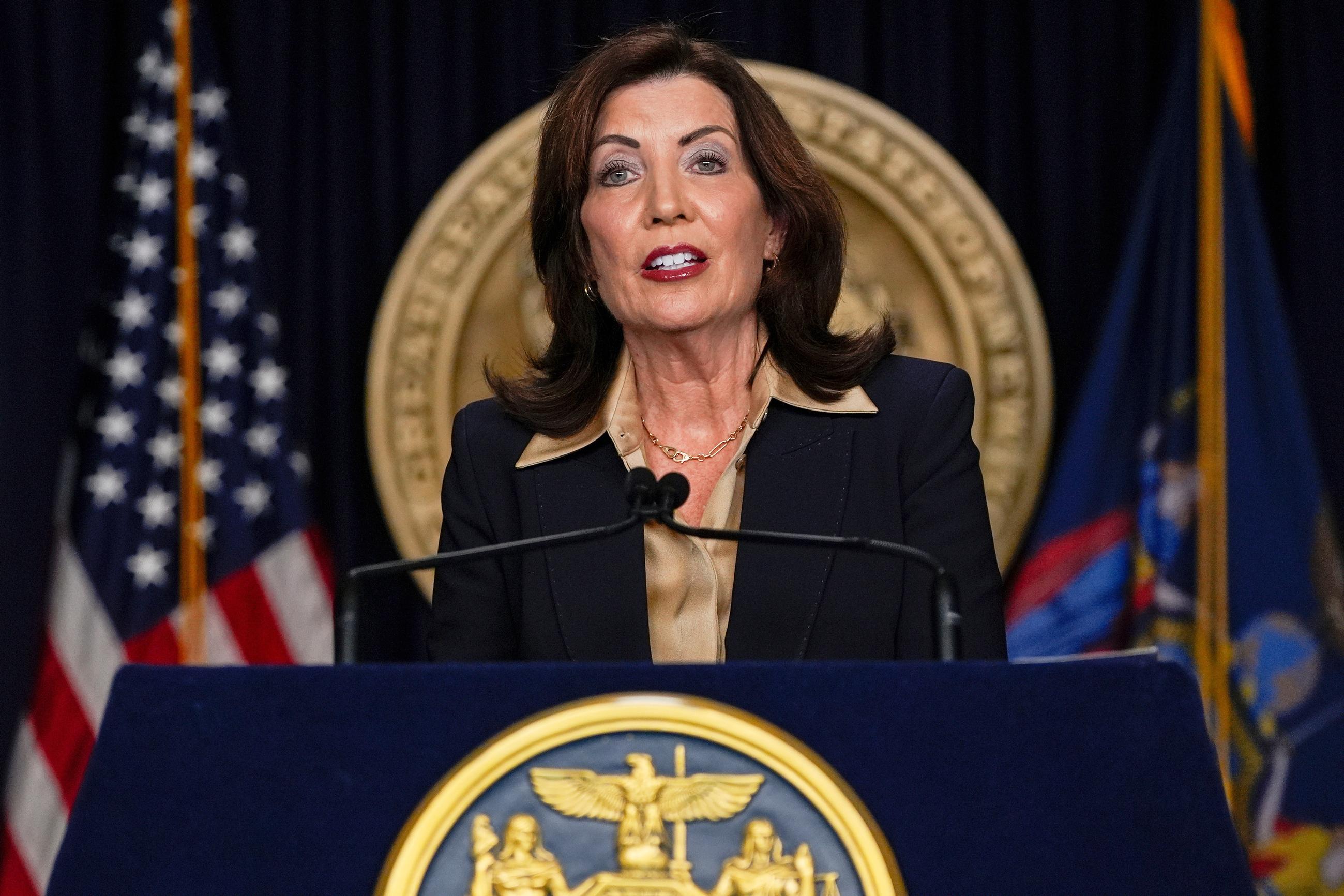
Gov. Kathy Hochul signed a bill Wednesday that bans certain chatbot features for minors. The new law would bar developers from designing chatbots that pretend to be human, encourage self-harm, or engage in inappropriate conversations with children. The law, which also requires additional age-verification methods and deletion of user data after usage, takes effect Jan. 1. State legislatures across the country are discussing what to do about AI chatbots used by minors. In the new year, many states will be drafting their own legislation and likely looking to states like New York for guidance.
Washington
Gov. Bob Ferguson created the position of chief fraud-prevention officer and a statewide work group earlier this week in order to coordinate the way state agencies prevent fraud. Ferguson also reportedly plans to ask the Legislature to expand the state’s Medicaid False Claims Act to cover all claims. With the recent Republican emphasis on alleged fraud in areas ranging from Medicaid to the ballot box, Ferguson is one of many Democrats to hop on the anti-fraud bandwagon—and he won’t be the last.
Native news
More than 100 Native American candidates are vying for statewide offices and state legislative seats across the country. According to the ICT and Advance Native Political Leadership database, there are 363 indigenous candidates running this cycle, a 44 percent increase from 2024. And, of the 130 such candidates who have run for state legislative positions this cycle, 92 advanced to the general election, representing 122 different tribal nations. The majority of these candidates are running in states with large Native populations: New Mexico, Oklahoma, Montana, and Alaska.
A sharp increase in Native candidates could increase representation in state legislatures and state offices, potentially impacting legislation around land use and preservation, health care, and economic inequality.
What’s to come
In a few states, the balance of power is on the ballot next week, as Michigan, Minnesota, Pennsylvania, and Wisconsin could all flip legislative chambers. Aside from elected office, voters will also be parsing through ballot measures in every state. Some have more than others—California has 14 propositions—but all could be consequential. Data centers, artificial intelligence, taxes, and election law are some of the most common issues up for a vote.