
With the midterms less than two weeks away, the states are considering a number of hot-button topics through both ballot measures and proposed legislation.
Alaska’s trying to clarify its gun laws, Colorado and New Mexico are looking to clamp down on child sex trafficking, Nebraska is putting a twist on the term-limits conversation, and a website age-verification law is under fire in Utah.
Here’s what you need to know this week from outside the Beltway:
Alaska
Alaska’s acting attorney general called on lawmakers to resolve a legal gray area in the state’s gun laws created after a federal court ruling changed how suppressors and some short-barreled rifles and shotguns are regulated. There is already a bill pre-filed in the state Senate to address the legal ambiguity. Though that legislation did not get passed last session, it’s likely that a version of it or a companion piece will be revisited when the next session starts in January.
California
Big tech is dominating the spending in California’s state legislative races. CalMatters broke down who’s spending money in which races, and how much, noting that two new tech-backed PACs have spent big against progressive candidates, hoping to influence policy on cryptocurrency and artificial intelligence.
Colorado
A proposition on Colorado’s ballot would make it the seventh state to require life without parole for those convicted of child sex trafficking, holding it in the same category as first-degree murder. Democrats scuttled a similar bill in the Legislature earlier this year. Amid the furor over the Epstein files and continued revelations about the convicted sex offender’s actions, there are versions of legislation like this going through state legislatures and making it onto ballots this year. Even if it may increase the taxpayer cost of imprisonment, it may be a hard measure for voters to oppose.
Nebraska
In a time when voters are considering expanding term limits on elected office, Nebraska is voting on whether to extend them. A ballot measure facing Nebraskans would raise the state Senate term-limit from two consecutive terms to three. Not discussing age, proponents of the measure point to the increasing cost of campaigns and the benefits of decreasing turnover. Given the political environment surrounding the aging population of elected officials, it’s unclear how this ballot measure will be taken.
New Mexico
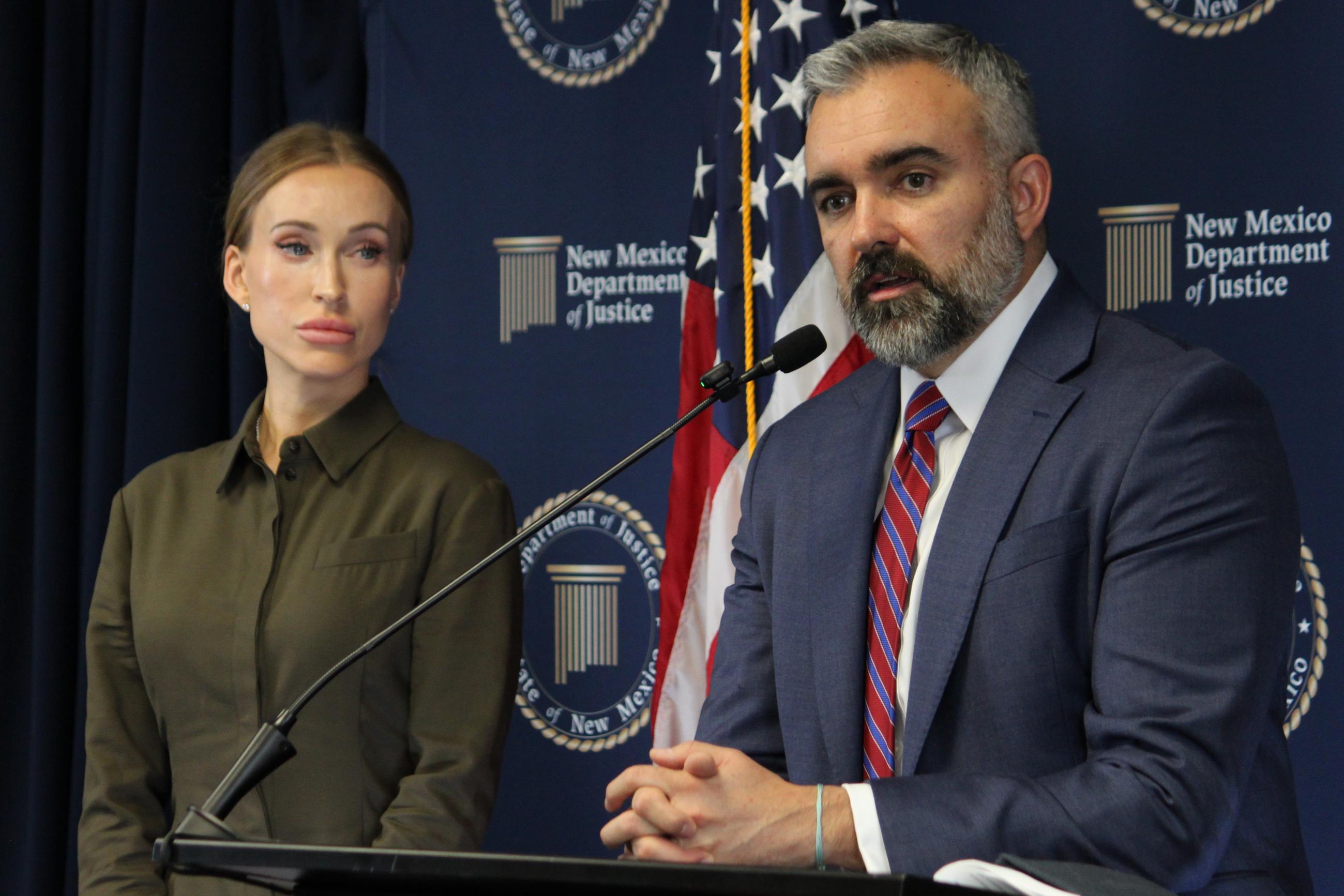
The New Mexico attorney general announced a pair of legislative proposals last week to close the loophole that allowed Epstein to avoid the sex-offender registry, increase the penalties for human trafficking, and shield survivors during criminal trials. One bill, which the Legislature will review when the new session starts in January, would raise the age of protection, update criminal penalties, and expand the list of offenses that are counted as sex offenses. The other proposal, a ballot measure focused on victims’ rights, will go before the Legislature and, if it passes, before voters next November. Epstein himself had a residence in New Mexico, but though he pleaded guilty to procuring a minor for prostitution in Florida, New Mexico’s lower age limit didn’t require him to register.
Utah
In September, a federal judge sided with the parent company of Pornhub and other adult websites, imposing a preliminary injunction blocking Utah’s new age-verification law from being enforced. The lawsuit has now been put on hold as the state Legislature reconsiders the law’s language. Utah isn’t alone in its fight for age verification. Virginia’s version of this law was similarly enacted then blocked, and West Virginia has advanced similar age-restricting legislation. The push for age-verification on adult websites has implications for social media sites and AI chatbots as well.
Wisconsin
Wisconsin finds itself in a situation many states would kill for: a budget surplus. According to a new report released late last week, the state ended the fiscal year at a $3.3 billion surplus. The report places credit for that surplus on higher-than-expected estate-tax collections. With more money in the bank, the Legislature has plenty of time to engage in every legislature’s favorite activity: arguing about the budget. Democratic Gov. Tony Evers and the Republican-led Legislature have been going back and forth on what to do with the money.
What’s to come:
The election is officially around the corner. Control of several state legislative chambers could flip this fall: Pennsylvania Democrats are eyeing a trifecta, Michigan Democrats are bullish on their odds of flipping the state House, Minnesota’s evenly split House could break in either direction, and Democrats are hoping to flip both chambers in Wisconsin.
If the balance of power changes in these states, so will the priorities and types of legislation coming out of them.