
While artificial intelligence and data centers dominate national policy discussions, state legislatures have been working on a wide range of topics.
Alaska’s taking steps to support its bootlegging laws in front of the Supreme Court, California is choosing not to act on Flock cameras, Connecticut successfully defended its law against religious exemptions for vaccines in schools, Kansas is under fire for a controversial law enforcement bill, and Oregon is committing to beefing up its ballot game.
Here’s what you need to know this week from outside the Beltway:
Alaska
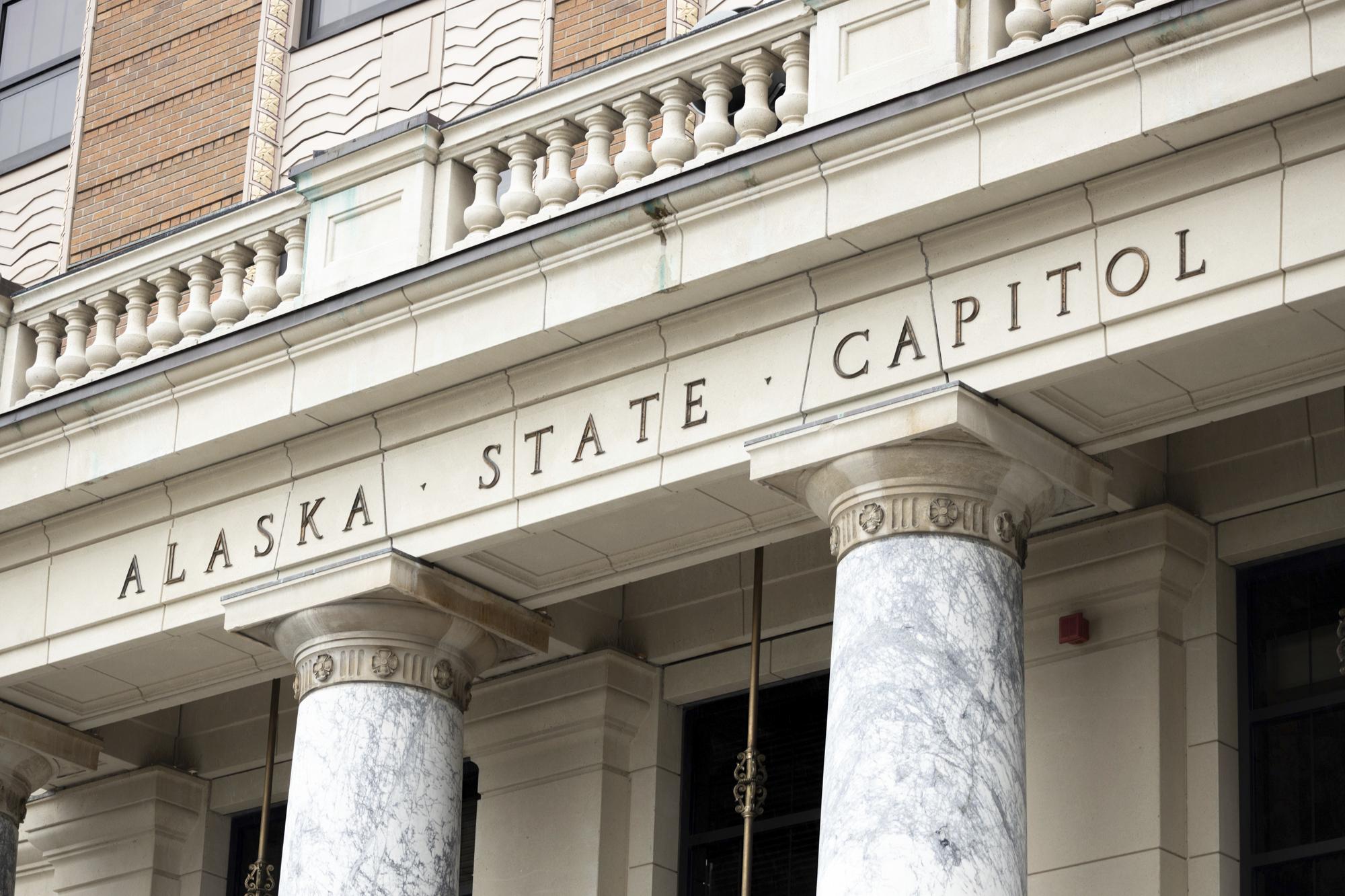
The Alaska Legislature is supporting Gov. Mike Dunleavy’s administration in defending the state’s bootlegging laws in front of the Supreme Court. Earlier this year, the Court agreed to hear Jouppi v. Alaska, which concerns a bush pilot caught attempting to fly a passenger transporting a six-pack of beer to a village in Alaska where alcohol is prohibited. The pilot, Ken Jouppi, is challenging the state’s seizure of his $95,000 plane, which he says is an excessive fine. Late last week, the Legislature approved the hiring of an outside attorney to represent the state when this case is likely argued in December.
California
The Golden State’s Legislature killed legislation that would have regulated the collection and sharing of license-plate data—primarily impacting the controversial Flock cameras. The bill cleared the state Senate but was halted in the Assembly without explanation. This isn’t the first time the Legislature has attempted to regulate license-plate data collection. Lawmakers tried and failed five times to get legislation enacted, the most recent effort ending in a veto from Gov. Gavin Newsom.
License-plate cameras have become a hot political issue lately, especially in the states. As gubernatorial candidates across the country make opposition to Flock cameras a key element of their campaigns, look for more action around the issue in legislatures next year.
Connecticut
A state court upheld a law that eliminates a religious exemption from vaccine mandates in public schools. The dismissal of the lawsuit ends a four-year legal battle that has bounced around the state’s courts, including the state Supreme Court. In 2021, the Legislature voted to eliminate religious exemptions, creating a carve-out in the state’s Religious Freedom Restoration Act to do it.
It took four years for this saga to come to a close, but it’s unclear if a different challenge will pop up in its wake. Connecticut is one of five states not to allow religious exemptions for vaccine requirements, along with California, Minnesota, Maine, and New York. Given the politicization of vaccines and guidance from the Health and Human Services Department under Secretary Robert F. Kennedy Jr., it’s unlikely other states will join these five anytime soon.
Kansas
A law passed in July that makes it a misdemeanor for civilians to come within 25 feet of local and federal law enforcement while they are engaged in police activity is in the spotlight as free-speech advocates and protesters decry the legislation. The GOP-led Legislature overrode Democratic Gov. Laura Kelly’s veto of the Halo Act, which applies to Immigration and Customs Enforcement officers as well. In a red state with a Republican Legislature, this law is unlikely to go anywhere anytime soon barring legal challenges.
Oregon
A legislative committee approved the allocation of $1.25 million to expand ballot drop boxes, with $618,000 going toward the drop boxes themselves, and the rest put toward tracking ballots and other transparency efforts. Twenty boxes are expected to be added. The decision to expand ballot operations and security comes in the face of President Trump’s endeavor to change the way the Postal Service moves and tracks ballots—though his most recent attempt was thwarted by the Supreme Court. Making these changes on the state level is an attempt to keep power over elections within the state and fortify against both fraud accusations and federal interference.
What’s to come
Just because legislators haven’t passed regulations on data centers and artificial intelligence en masse doesn’t mean it’s not a focus. Chambers across the country are debating, drafting, and attempting to pass legislation on both fronts. Additionally, as we draw closer to November, more legislatures will start to look toward supporting their election infrastructure and preparing for potential federal challenges.
Keep an eye on Missouri’s continued redistricting battle, North Carolina’s fight over voter IDs and mail-in ballots, and any new pushes from Trump to change the way elections are administered that would impact the states.