The economy is a good bet to keep growing at a steady pace, and prices are widely expected to stabilize. The new January unemployment numbers were surprisingly upbeat.
But turn to the future of the job market, and expectations get murkier.
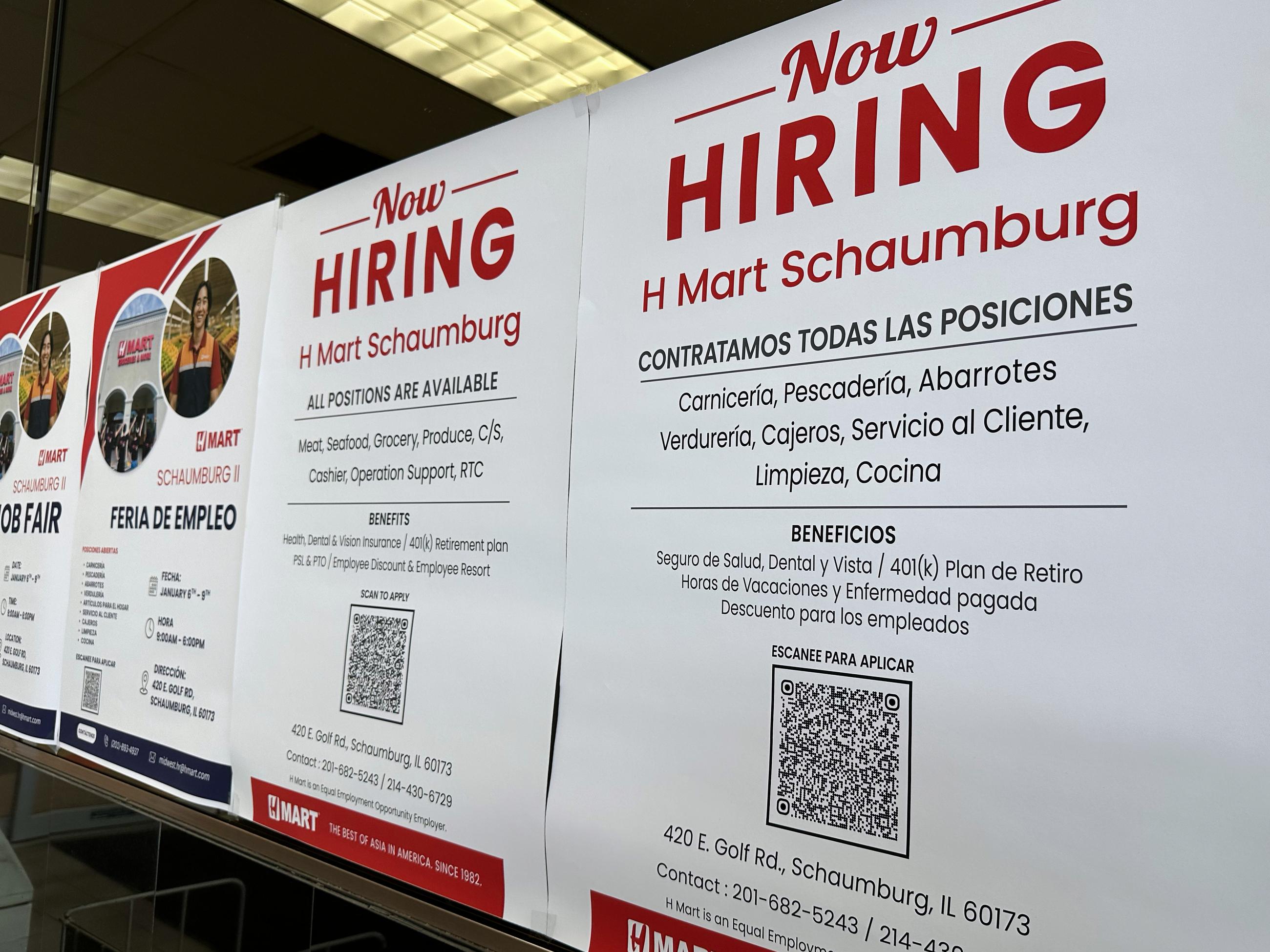
Employment gains slowed in 2025; one could argue they stopped. The Bureau of Labor Statistics last week revised 2025 job growth to an inert 15,000 a month.
But turn to 2026, and there were 130,000 jobs created in January. This statistical whiplash added new fuel to the already uncertain outlook for employment.
“The strong payrolls [showing] in January may be somewhat exaggerated," said an analysis last week from Morgan Stanley. "Construction payrolls jumped, sensitive to warmer January weather; healthcare payrolls were well above trend; and retail stabilized.”
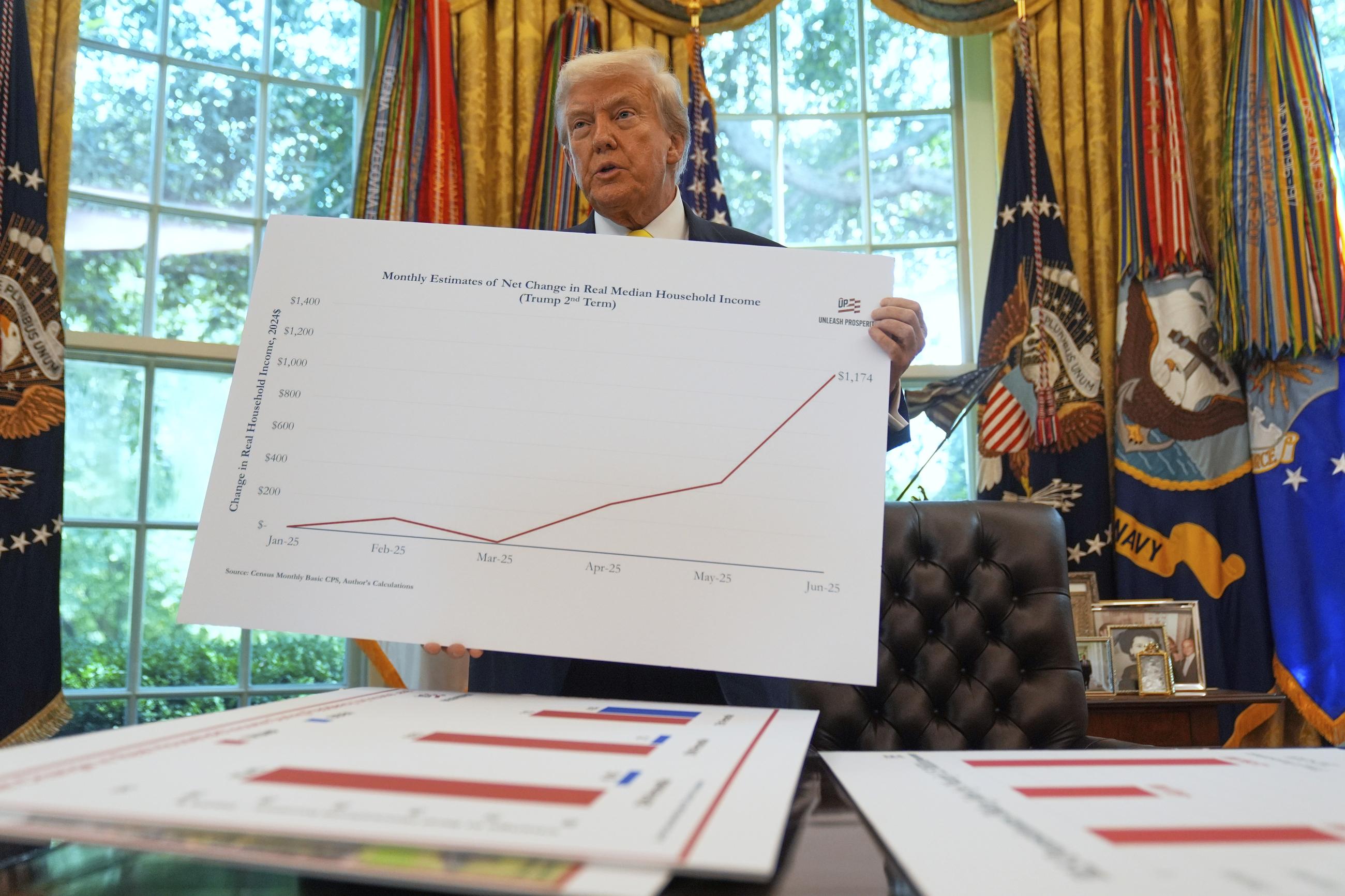
President Trump has protested less rosy numbers that have come out of federal agencies recently, but there’s no sign that the departments that produce them—known for being rigidly nonpartisan—have changed their ways. They’re still widely accepted in the financial world, where there remains a lot of wariness about what’s ahead.
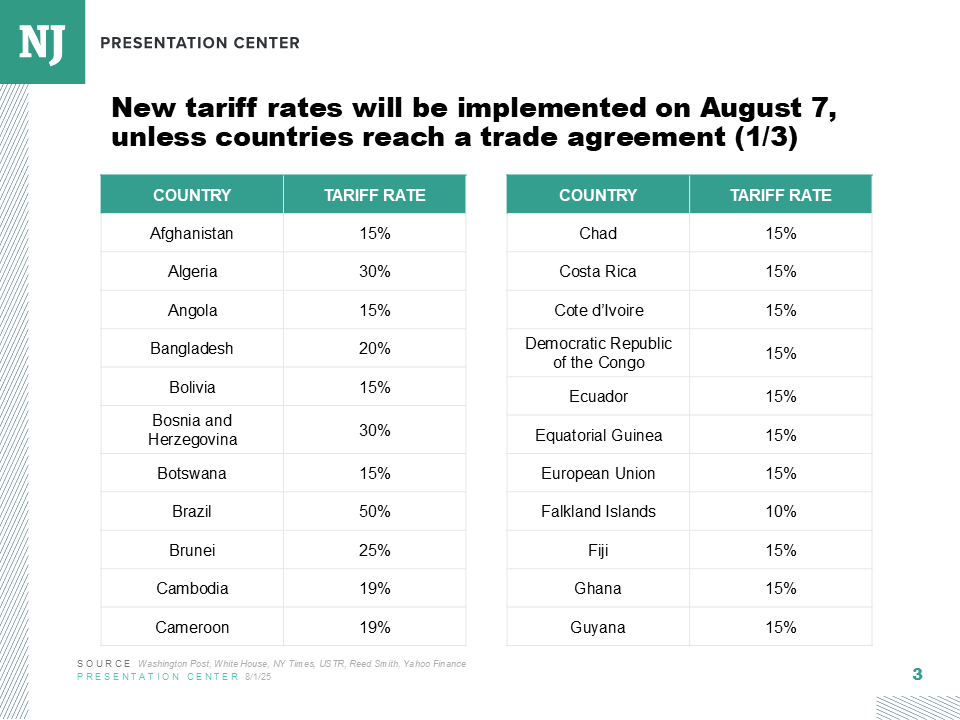
“A few things have made businesses cautious: uncertainty about tariffs and trade, stricter immigration rules that have reduced the number of workers available, and big investments in technology that haven’t yet made the overall economy more productive,” wrote Seth Carlson of the editorial staff of J.P. Morgan Wealth Management.
Carlson predicted “the recent phenomenon of modest hiring is likely to continue in early 2026, with unemployment probably topping out around 4.5 percent.”
That measured view has prevailed for months.
“We saw data coming in which suggests some signs of stabilization," said Federal Reserve Chairman Jerome Powell at his most recent news conference. "I wouldn't go too far with that, but some signs of stabilization.”
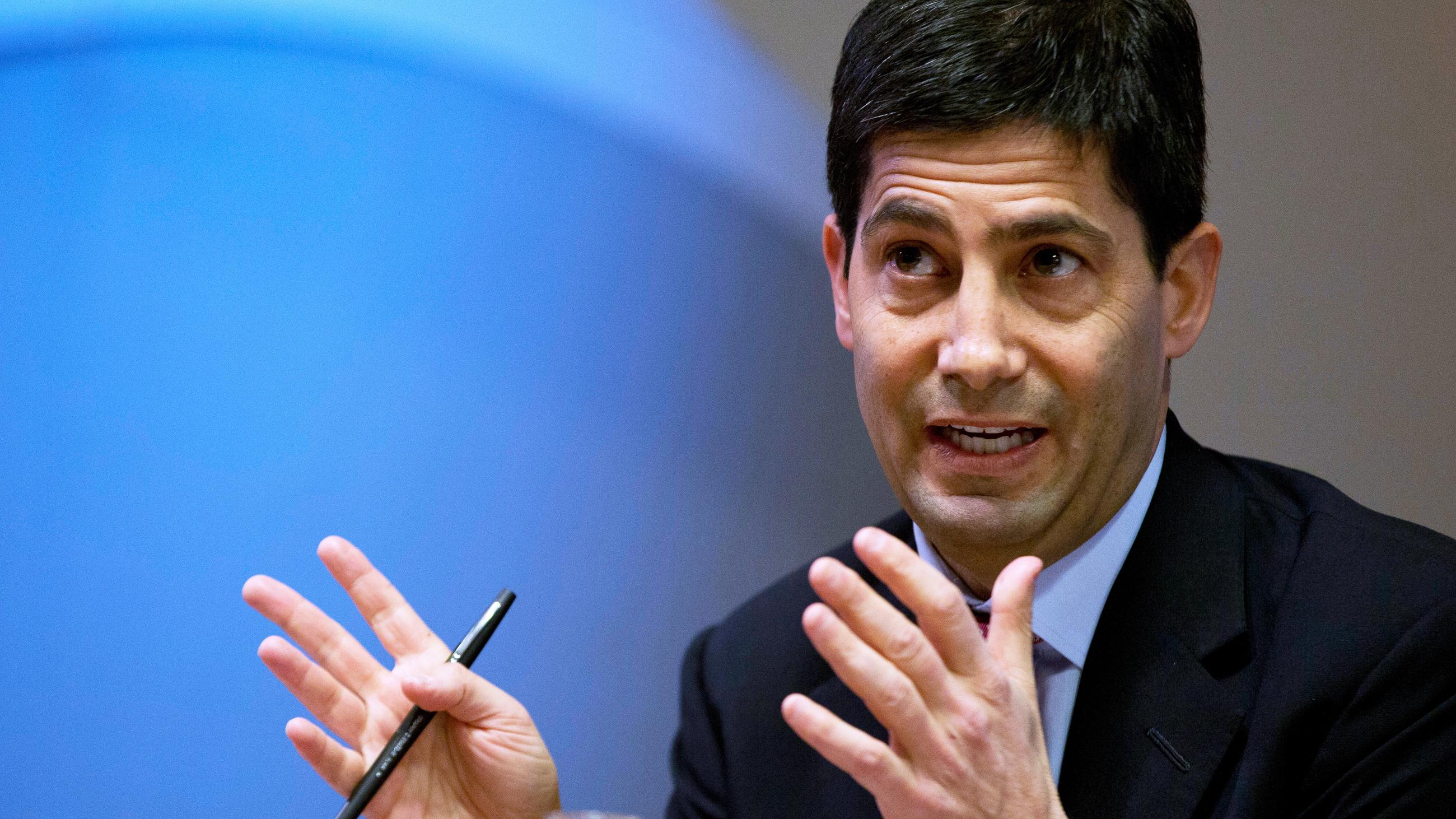
But Powell added at the Jan. 28 give-and-take with reporters: “There are also some signs of continued cooling.”
There are several reasons policymakers and analysts are circumspect as they look ahead.
They see dismal consumer confidence in the economy. If consumers are reluctant to spend, or forgo plans to spend, employers are more reluctant to hire people to make or service things.
The Conference Board, a nonpartisan research group that tracks potential trends in consumer sentiment and spending, last month found consumers cautious and even pessimistic.
“Confidence collapsed in January, as consumer concerns about both the present situation and expectations for the future deepened,” said Dana Peterson, Conference Board chief economist, in a statement.
Another reason for the shaky outlooks involves the state of the labor market.
Analysts anticipate a drop in government employment, as deferred federal resignations cut payrolls and state governments grapple with budget deficits. Since its October 2024 peak, federal government employment is down 10.9 percent, the BLS reported last week.
Adding to all this uncertainty is the labor supply, which has been slowed if not stopped recently, thanks largely to restrictions on immigration and increased productivity, often driven by growing use of artificial intelligence.
Ultimately, it could be the Fed that takes the most meaningful steps to boost jobs. Its mandates are to cool inflation while promoting job growth, a tricky task since more jobs logically means more money to stoke higher demand and thus higher prices.
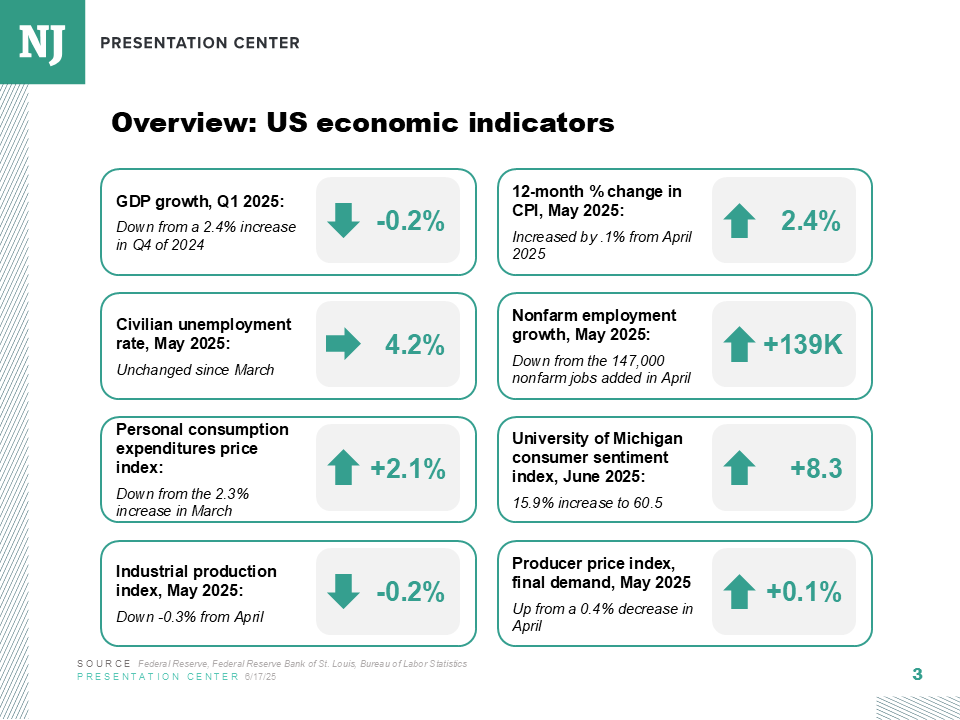
So far, the balancing act is fragile but arguably working. Inflation has settled in recently at an annualized rate of 2.4 percent to 3 percent, while unemployment has ranged between 4.3 percent and 4.7 percent.
Most analysts, and Powell, expect those numbers to remain in that range for some time.
“For the time being, the labor market has been defined as one of low hiring and low firing, which has resulted in slowing payroll gains but also a contained rise in the unemployment rate,” Carlson said.
The Fed’s Open Market Committee, which determines the direction of the Fed’s key interest rate, meets next on March 18 and 19. January’s surprising employment and inflation numbers suggest no interest-rate cut is likely then or even at its following meeting in April.
Powell could be stepping down as chairman in May if Kevin Warsh, Trump’s nominee to replace him, is confirmed by the Senate. Trump has been pressuring the Fed to lower rates; Powell has been wary, fearing that could trigger inflation.
For now, the economy is trying to maintain a very delicate, even nerve-wracking balance.
The January data “remain consistent with a no fire, no hire labor market," Morgan Stanley reported. "In fact, the strength in labor demand observed in January largely reflects a sharp decline in layoffs—that is, fewer flows from employment to unemployment.”
Powell was asked last month what was next. He gave the answer most of the financial world anticipated.
“Hard to say. ... We think our policy is in a good place,” he said. He mentioned the possibility that policies could somehow change, but he wouldn’t go any further.
“We'll just have to see how the data lead us,” he said.