Jan. 14, 2026, 5:39 p.m.
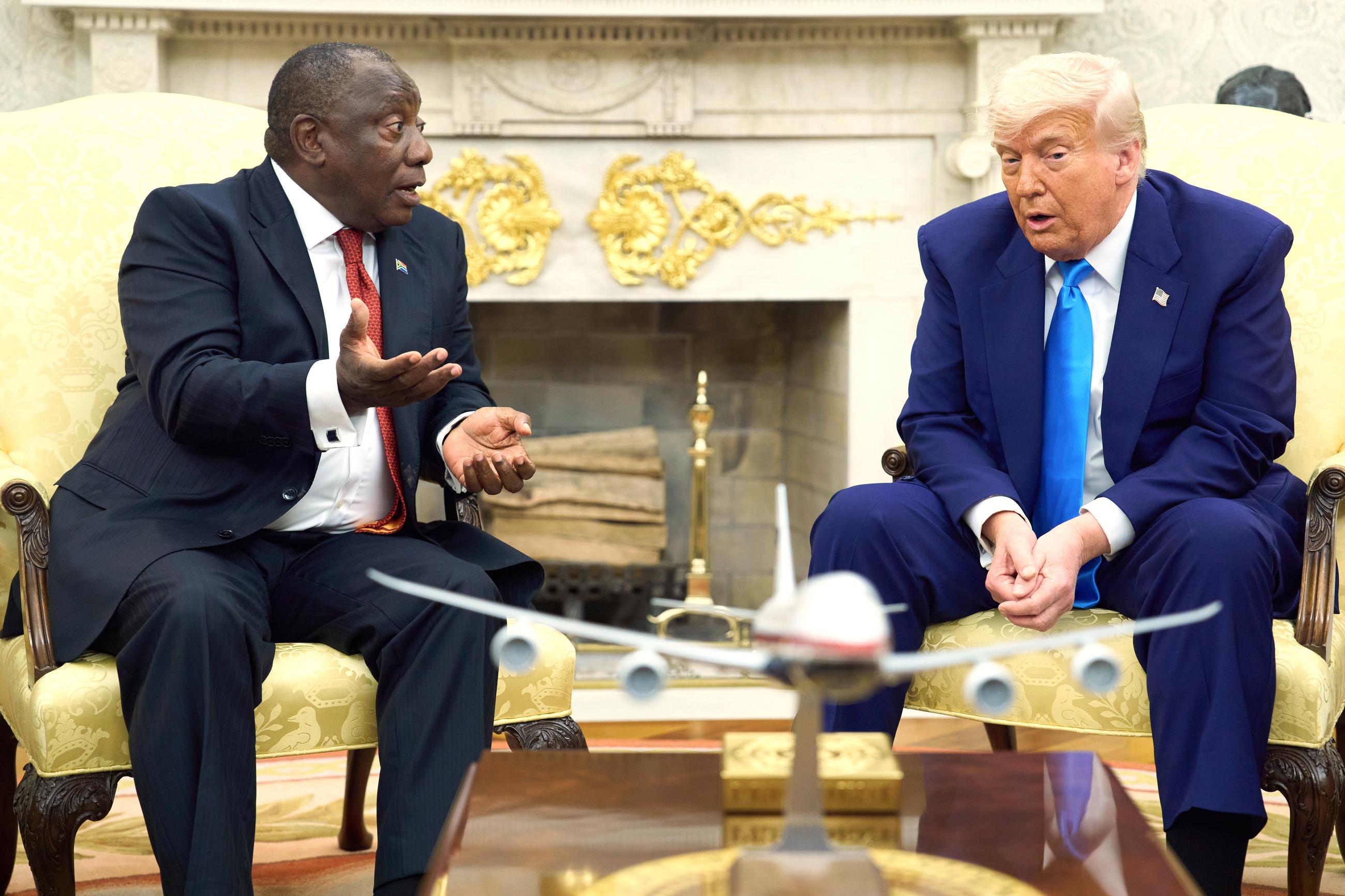
President Trump usually likes an audience when he takes actions that project his vision of America’s role in the world. But there were no cameras and no reporters in the Oval Office last week when he sent a loud message to the rest of the world. The official schedule said only, “THE PRESIDENT signs Executive Orders. Oval Office.” Coverage was listed as “Closed Press.”
It was Wednesday, Jan. 7, a very busy day in a very busy news week for the president. He spent three hours with a team of reporters from The New York Times, and he talked for an hour with the president of Colombia. In addition to the headlines generated by those two events, the week’s nonstop news cycle included turmoil in Iran, a deadly Immigration and Customs Enforcement shooting in Minnesota, a meeting with oil executives to divvy up the mineral wealth of Venezuela, the threatened indictment of the Federal Reserve chair, and threats on Cuba.
But even as what the president signed behind closed doors stayed off the front page, it echoed across the world as governments tried to make sense of a document innocuously titled, “Memorandum for the Heads of Executive Departments and Agencies.” What followed was mostly a list of 66 international organizations, agreements, and treaties the president proclaimed are now “contrary to the interests of the United States."
What few headlines the memorandum generated focused heavily on the myriad of climate and environmental groups and pacts that felt the axe wielded by a president who has made no secret of his disdain for climate science, which in just one speech at the United Nations he branded a “scam,” a “con job,” and a “hoax.”
But Trump’s action reached farther than just green organizations. From "A" (International Federation of Arts Councils, Partnership for Atlantic Cooperation, and Special Adviser on Africa) to "Z" (International Lead and Zinc Study Group), the now-banned organizations and agreements spanned the breadth of geopolitics from the mundane (International Cotton Advisory Committee) to the existential (Global Counterterrorism Forum). Of the 66 withdrawals, 31 were affiliated with the United Nations.
To the White House the point of the withdrawals, said deputy press secretary Anna Kelly, is to assure that “all international engagements must be aligned with the agenda the president was elected to implement.” Kelly contended that “American taxpayers have given billions to these organizations with little return, while they often criticize our policies, advance agendas contrary to our values, or waste taxpayer dollars.”
But to independent analysts, it represents a fundamental change in the U.S.'s willingness to work with other countries and be the leader in multilateral arenas. It is a case of the architect walking away from the postwar architecture so carefully designed and constructed by the United States.
“I must attest to my utter, flabbergasted, gob-smacked surprise at the speed with which a world architecture put together over the better part of a century has been brought so close to collapse,” wrote longtime global-economics analyst Eduardo Porter after Trump’s action.
The White House did not offer individual explanations for any of the 66 withdrawals, leaving myriad unanswered questions. The cotton committee, for instance, which publishes studies of the cotton industry, is just one unexpected target. The United States is the second leading cotton exporter, behind only Brazil, according to the group. No explanation was offered on how this committee is “contrary to the interests of the United States.”
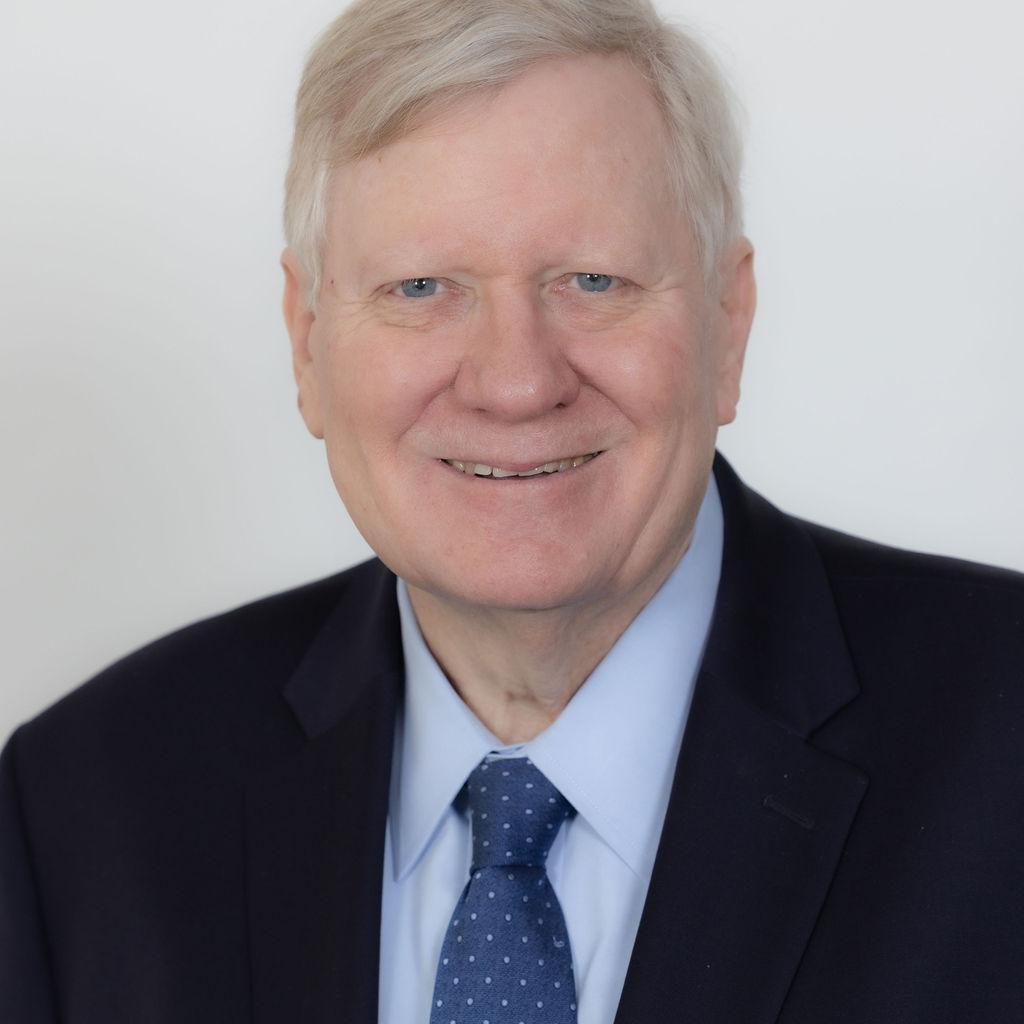
Jon Alterman, a veteran of George W. Bush's State Department, said no one would argue that every one of the 66 organizations is “vital every day.” But, he said, “As the Chinese get more engaged in international organizations, it’s troubling to accompany that with the U.S. withdrawal from them.” Alterman added, “When you need it, it’s better to have it and have relationships.”
Alterman, who holds the Zbigniew Brzezinski Chair in Global Security at the Center for Strategic and International Studies, blamed the withdrawals on “a general notion that every government should look out for itself and that international cooperation is not only a luxury, but a waste.”
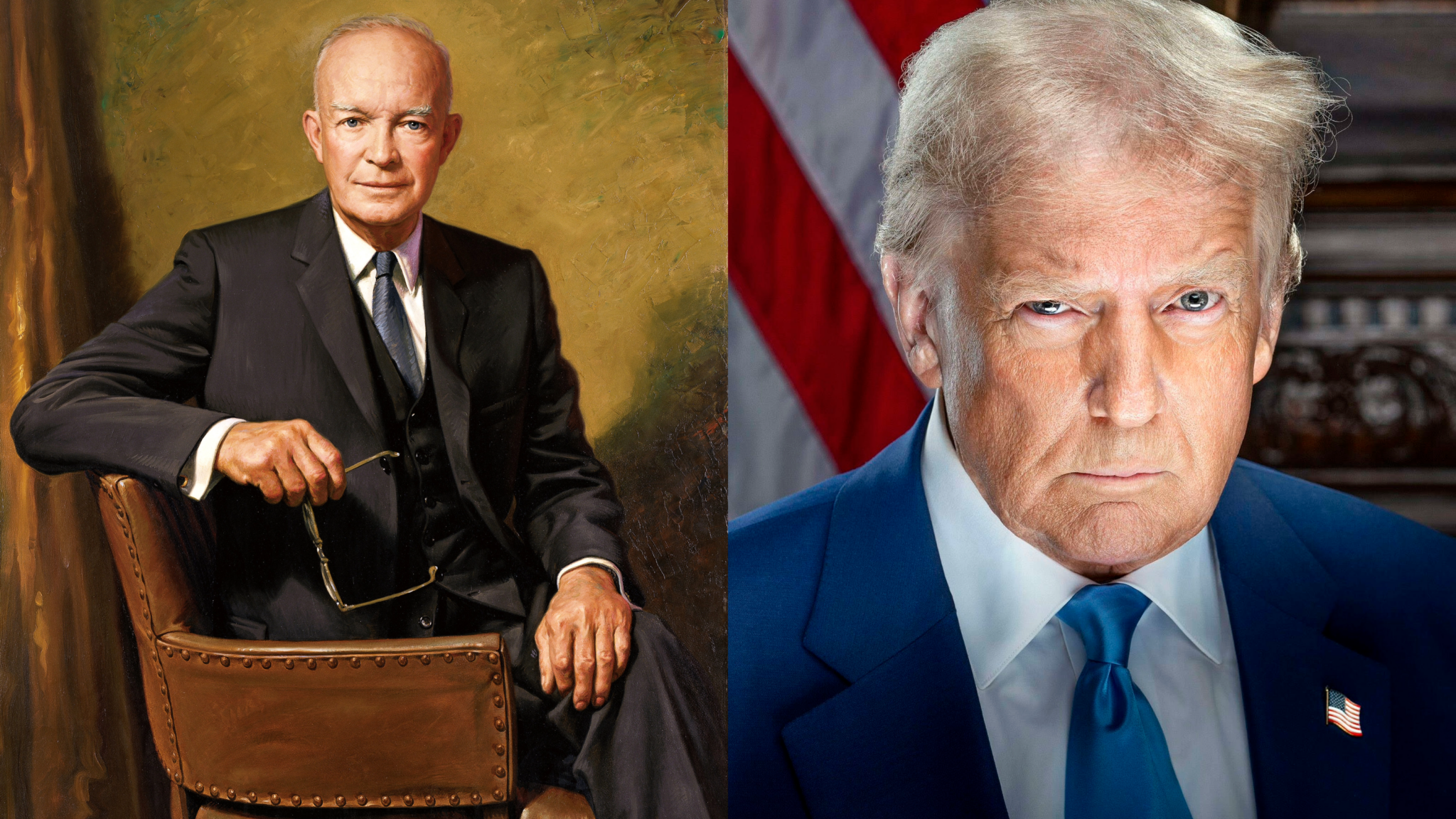
He called it a rejection of the bipartisan consensus first forged by President Dwight Eisenhower. “Here was a soldier who believed the way to advance peace was to create these institutions,” Alterman said. “Eisenhower was a big believer in international organizations because he saw them as a way to keep the United States from constantly fighting to get its way.”
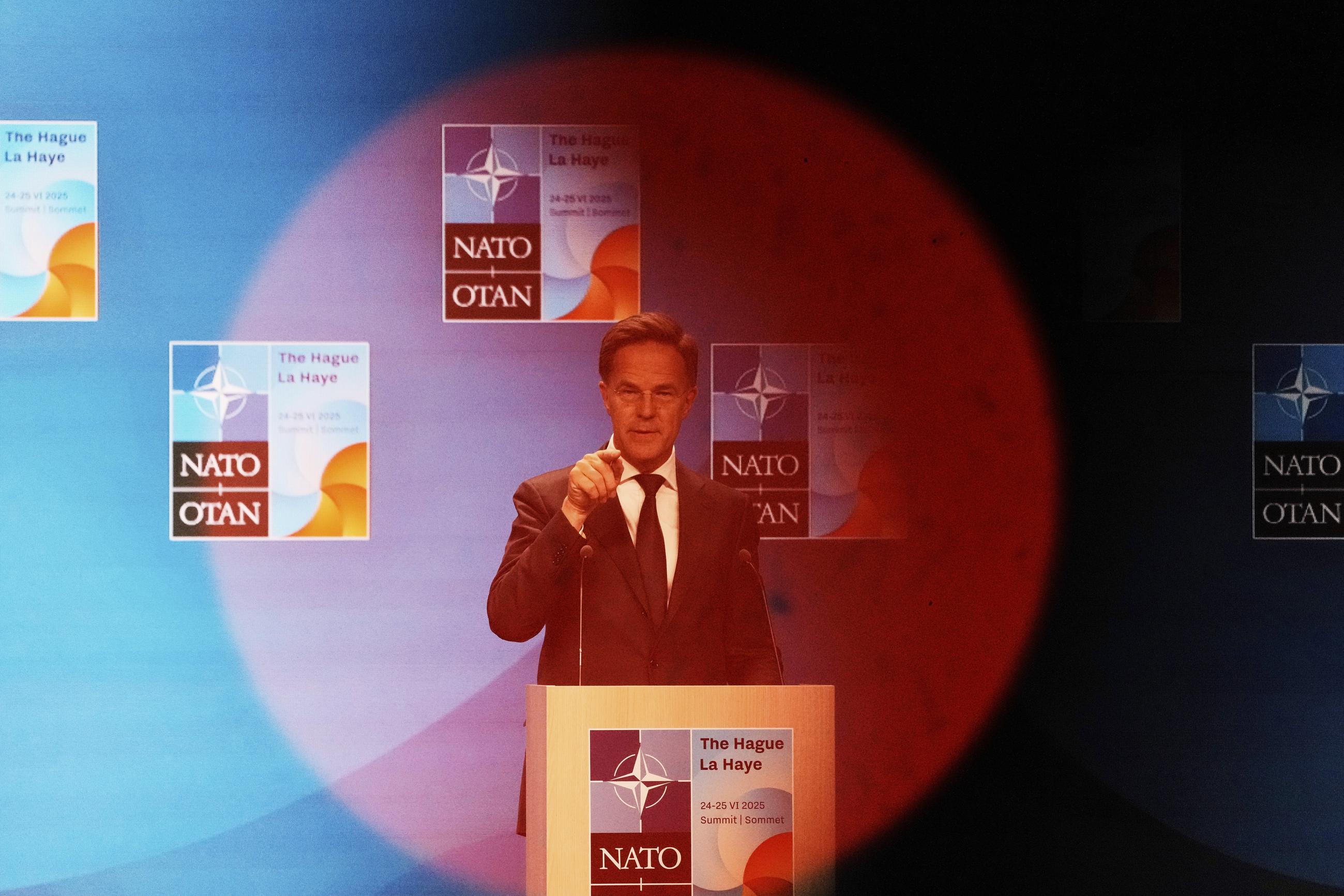
In this, Trump has been the anti-Eisenhower, seeing only the costs of membership and none of the benefits. From the United Nations to NATO to the cotton committee, the president has disdain for most of the organizations created—at Washington’s urging—after the war to keep peace.
So far, they have been sturdy enough to withstand his assault. “It took longer than a year to build the postwar architecture, and it’ll take longer than a year to destroy it,” Alterman said. “But there’s a level of trust and a level of legitimacy that the United States has, and that can be destroyed much more quickly and it’s much slower to rebuild.”