
Jan. 8, 2026, 5:34 p.m.
Stop me if you’ve heard this before.
Congressional Republicans walk into a bar, concerned/upset/angry with President Trump over issue X. They really mean it this time. In the end, everybody (except Thomas Massie) drinks the Kool-Aid and gets back in the MAGA tent, and life goes on.
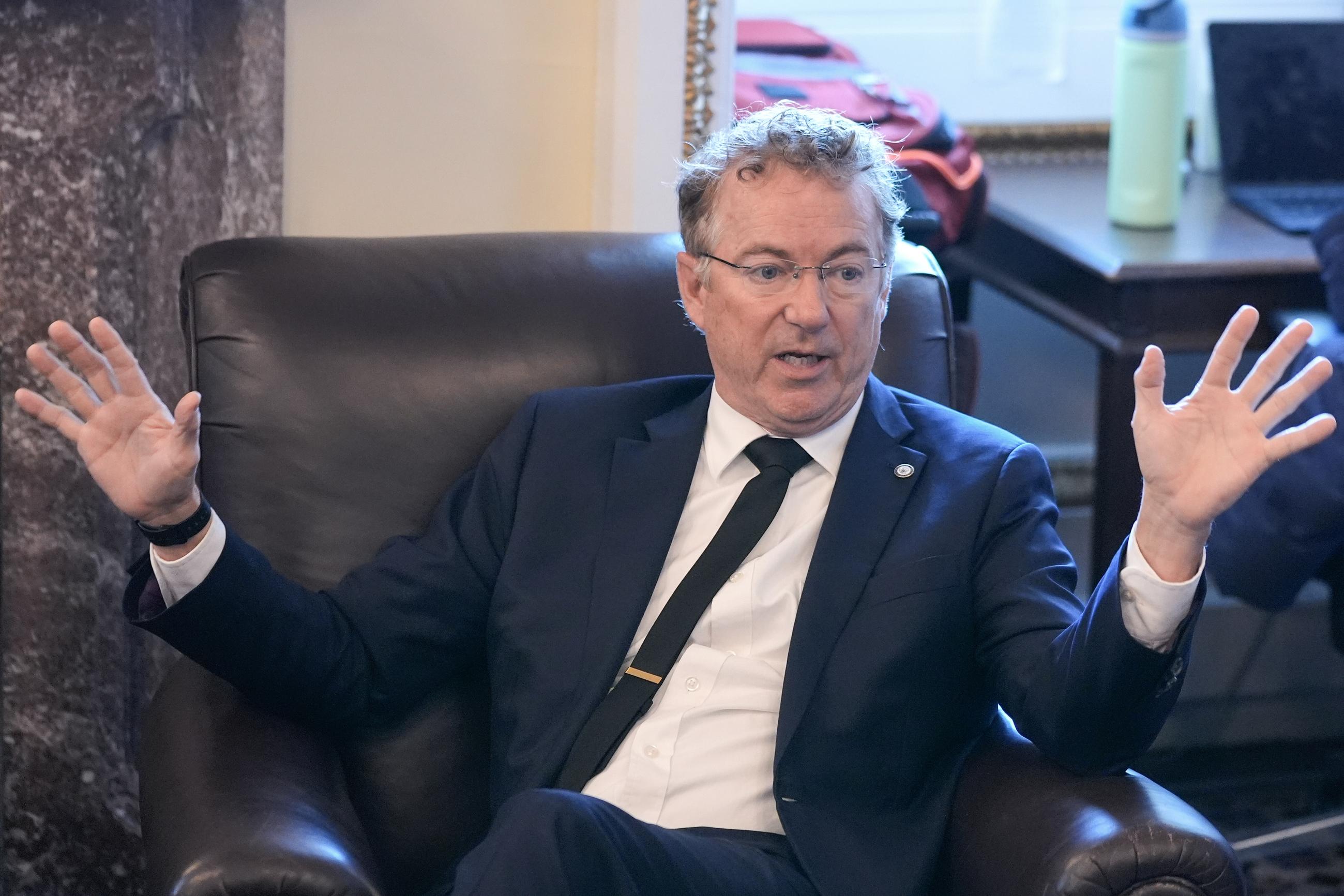
Thursday's vote by five GOP senators to break with the administration over Venezuela could be one of those moments: a fleeting spasm of independence. Or it could be more. The five—Sens. Susan Collins, Josh Hawley, Lisa Murkowski, Rand Paul, and Todd Young—voted with every Democrat to bring up a War Powers Act resolution requiring that Trump seek congressional authorization for any further military operations in Venezuela.
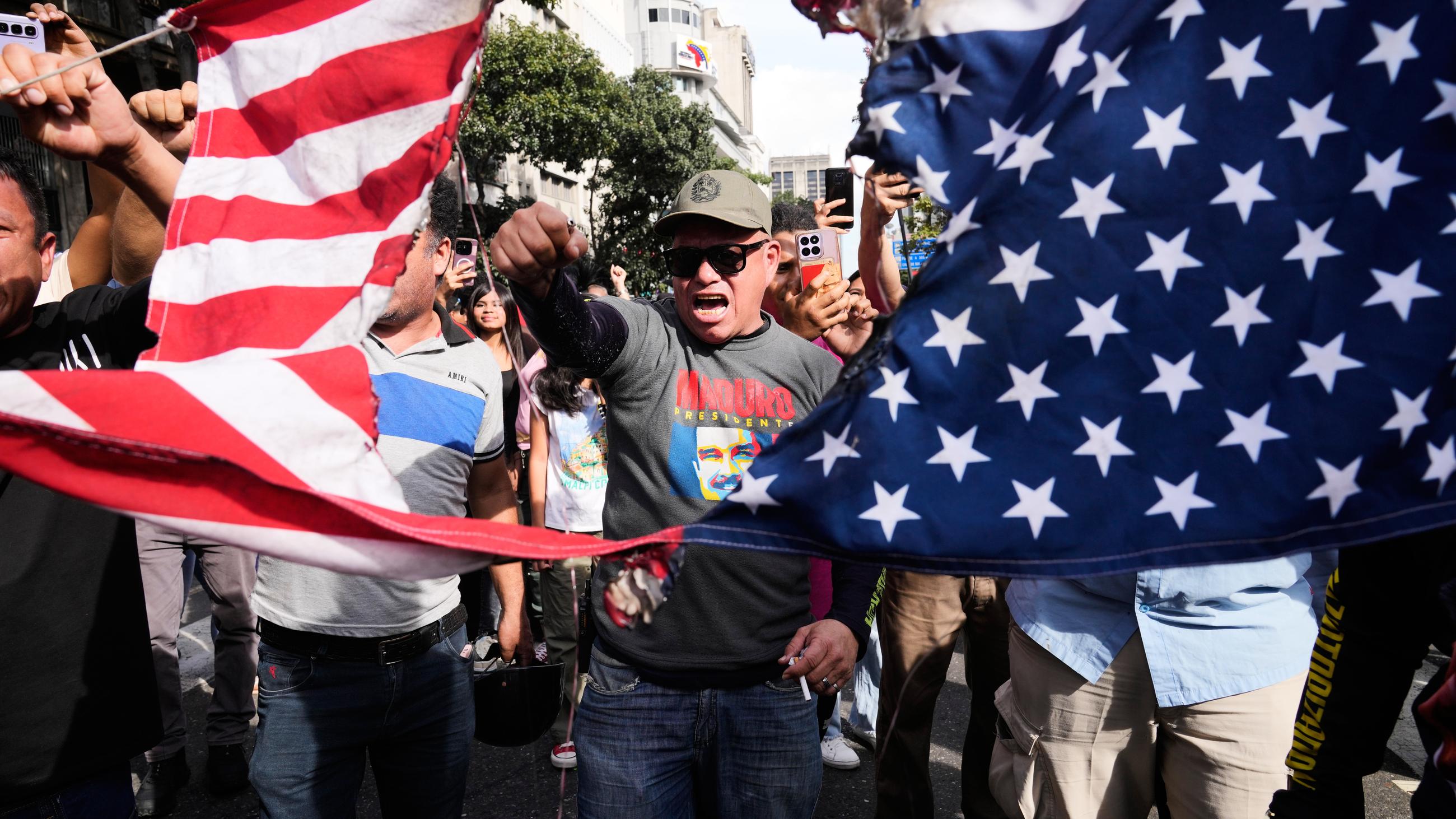
The vote comes days after Trump ordered a massive military operation to abduct Venezuelan President Nicolás Maduro and his wife, Cilia, from their Caracas bunker so they can stand trial for narco-terrorism, drug trafficking, and weapons charges.
Whether the Senate action will mean much in the long run (a vote on the actual resolution is pending, as is a vote in the House, presumably) also depends on how seriously the president views the rebuke. News flash: Trump has never held the Article I branch in high regard.
“Congress will leak, and we don’t want leakers.”
That was his explanation Saturday for why the White House didn’t notify key lawmakers in advance of the Venezuelan military operation. It’s not surprising given that Trump has never answered to a board or a boss, much less a meandering conglomerate of 535 personalities who can’t pass spending bills on time or act decisively on much else.
It’s hard to imagine Marco Rubio would have sat by quietly as chairman of the Senate Intelligence Committee during the Biden presidency if that administration had launched such an operation without telling key lawmakers in advance. But as Trump’s secretary of State, the Florida Republican had no qualms about defending the administration’s policy to go in without congressional approval or pre-notification.
“You can’t congressionally notify something like this for two reasons. No. 1, it will leak. It’s as simple as that. And No. 2, it’s an exigent circumstance. It’s an emergent thing that you don’t even know if you’re going to be able to do it,” Rubio said Sunday on ABC’s This Week. “We can’t notify them we’re going to do it on a Tuesday or on a Wednesday because at some points we didn’t know if we were going to be able to carry this out. We didn’t know if all of the things that had to line up were going to line up at the same time and the right conditions.”
That was enough for Sen. Tom Cotton, who succeeded Rubio atop the Intelligence panel. The Arkansas Republican voiced no objection—at least publicly—to the lack of congressional notification. Cotton and his GOP colleagues didn’t flinch even after Trump said he alerted oil company executives before the capture, which involved at least 150 aircraft, including bombers and fighter jets from 20 different bases on land and sea.
“They’ve done everything they’re supposed to do,” House Speaker Mike Johnson told the Capitol Hill press corps about the administration’s decision not to notify him in advance. The speaker revealed he was first alerted to the operation around 4 a.m., after Maduro was safely removed.
Senate Majority Leader John Thune told CNN’s Manu Raju he was not raising a fuss about not being consulted first, saying it would have been “ill-advised” to provide such a briefing on a “hypersensitive matter.”
GOP lawmakers have shown the occasional impulse to break with Trump, most notably on the Epstein files and on some spending issues. But by and large, the vast majority of the caucus has not allowed Trump’s subpar approval ratings or his muscular efforts to expand executive power get in the way of their acquiescence to the president and his administration when it comes to the big issues, such as Venezuela.
They’ll have opportunities to flex their independence on several issues fast approaching: Obamacare premium subsidies, funding the government, assuring a full release of the Epstein material, taking on members of Trump’s Cabinet over various issues.
And, yes, Venezuela.