Nov. 24, 2026, 4:35 p.m.
A lame-duck health care package could mean important savings for consumers, a win on price transparency, and a bipartisan achievement for the scores of members who won’t be back. But can they find a way to pay for it?
House Energy and Commerce Committee Chair Brett Guthrie told reporters earlier this month that he’s begun cross-aisle conversations with incoming Chair Frank Pallone about a possible health care package that could move at the end of the year, extending funding for several programs.
The bipartisan package could include a sweeping price-transparency measure and a bill that caps insulin costs at $35 a month for those on private and employer insurance.
The health-extenders package is an annual routine, renewing funding for largely non-controversial programs such as community health centers, the National Health Service Corps, and Teaching Health Centers. Funding for hospital-focused programs, such as the Medicare-Dependent Hospital program, is also expected to expire at the end of the year.
What could complicate those efforts this year is the draining of an important pocket of money that has been set aside to pay for the health care programs.
In October, the Trump administration issued a $90 rebate to Medicare recipients ahead of the elections. The money came from the Medicare Improvement Fund, a federal fund used to improve the program’s management and conduct oversight of contracts. It has been frequently used as an offset for bills moving through Congress. The rebate drained $2 billion from the fund—leaving roughly $169 million left.
“We're looking for what kind of pay-for can we [use],” Guthrie said earlier this month. “Those are all things to be discussed with the incoming chairman and chairman-in-waiting.”
On the Senate side, Health, Education, Labor, and Pensions Committee Chair Bill Cassidy said he’s been “working on" the health care package but that he is concerned about the administration’s use of the Medicare Improvement Fund.
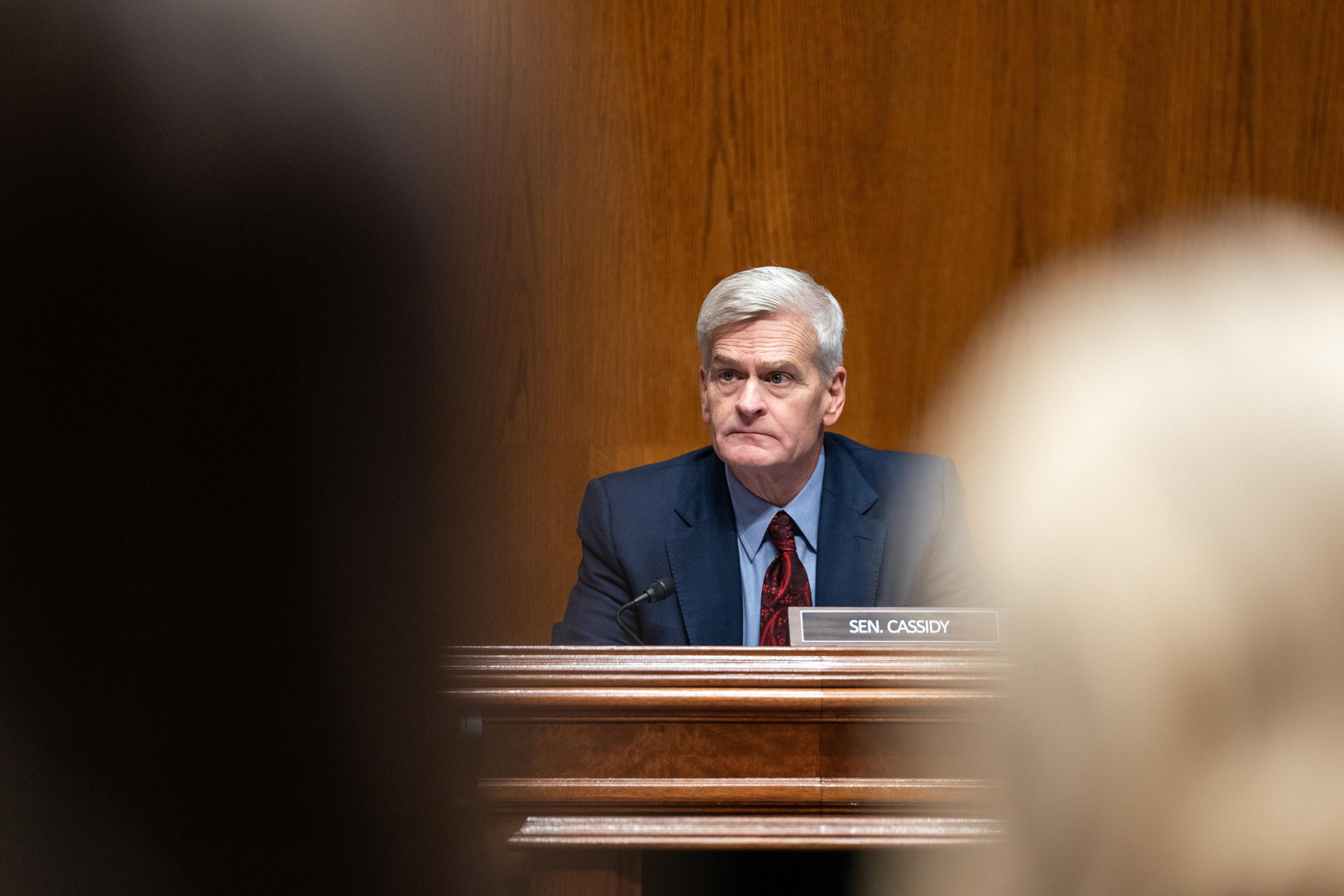
Senate Health, Education, Labor, and Pensions Committee Chairman Bill Cassidy (AP Photo/Allison Robbert)
ASSOCIATED PRESS
While committee leaders haven’t started negotiating on what could be included in a lame-duck measure, top lawmakers are figuring out their end-of-the-year priorities in hopes of finishing before the shift in power next Congress.
Any health package would likely be combined with a package of funding bills. Government funding will expire Dec. 11, giving lawmakers a little more than a week to address government funding when they return from the Thanksgiving holiday.
Because a number of funding bills have not passed either chamber, lawmakers are likely to aim for a short-term, stopgap funding bill. But any measure would require agreement between Democrats and Republicans. A riding health care package could last longer than any short-term funding bill, depending on what is agreed to.
Members’ wish lists
Larger health care initiatives could ride on the extenders package, particularly a price-transparency bill that has substantial support from both sides of the aisle.
The Patients Deserve Price Tags Act would expand federal reporting requirements for hospitals, providers, and health insurers. The aim would be to provide consumers with clear information about the costs of health care items and services, while increasing data accessibility for plan sponsors.
The measure passed the Senate HELP Committee with bipartisan support this past summer.
“This has been a team effort all the way,” Sen. John Hickenlooper, the Democratic cosponsor, said in July. “Good bills don’t come out of nowhere. There's painful long-term negotiation and compromise—that’s what this one came from.”
The measure received an important endorsement last week: Senate GOP Leader John Thune voiced his support for the bill, along with other items the HELP Committee has advanced.
“As a freestanding bill, it will be very hard given the amount of floor time we have,” Thune said. “We’ll see if there is a path forward to get some of those things done.”
But bubbling under the surface is a competition between the House and Senate versions of the bill. The House measure—cosponsored by Republican Reps. John James and Jen Kiggans, and Democratic Reps. Don Davis and Maggie Goodlander—doesn’t go as far as the Senate version.
“Our version is more comprehensive—period, end of story,” Cassidy said in July. “Put simply, we require the actual price to be shown."
The package’s price tag has not yet been scored by the Congressional Budget Office, although the agency is working on one.
Cassidy and Sen. Roger Marshall, who is the Republican lead on the price-transparency measure, are leaving Congress at the end of the year, giving them a powerful incentive to make the bill part of their legacy.
Another possible health care item that could be included is a measure to cap insulin costs at $35 for people with private or employer-sponsored insurance. The measure, which has passed the HELP panel and has enough support to overcome the Senate’s 60-vote threshold, still hasn’t made its way through House committees—complicating its chances for passage.
The Senate version, however, was stripped of its pay-fors by the committee, according to Sen. Jeanne Shaheen, one of the top Democratic negotiators on the measure and another senator who will be leaving Congress at the end of the year.
“The committee can come up with where the money should come from,” Shaheen said last week, noting that she hasn’t heard definitively whether any health care package would include her bill, which was crafted along with outgoing Sen. Susan Collins and other senators.