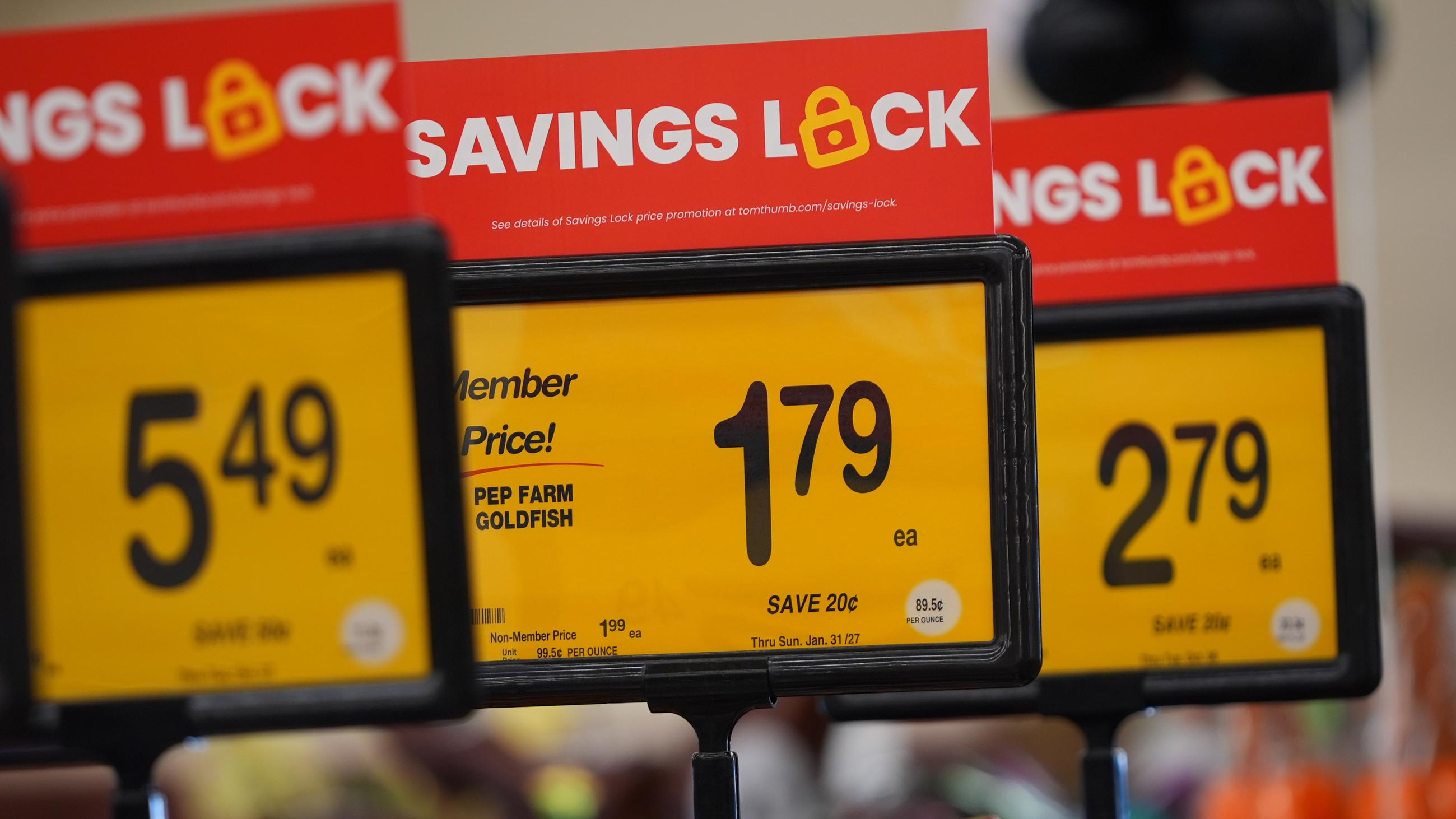

Democrats say they’ve got a sweeping mandate to make life more affordable. But doing that quickly through congressional action is going to be challenging.
Senate Democratic Leader Chuck Schumer made his intention clear after his party routed Republicans in the midterm elections earlier this month: “We are going to work hard to drive costs down with the president or without him.”
But triggering lower prices is going to be determined by a long list of developments, many outside of Washington:
- Oil prices have plunged in recent weeks, but will they stay down as the situation in the Middle East continues to develop?
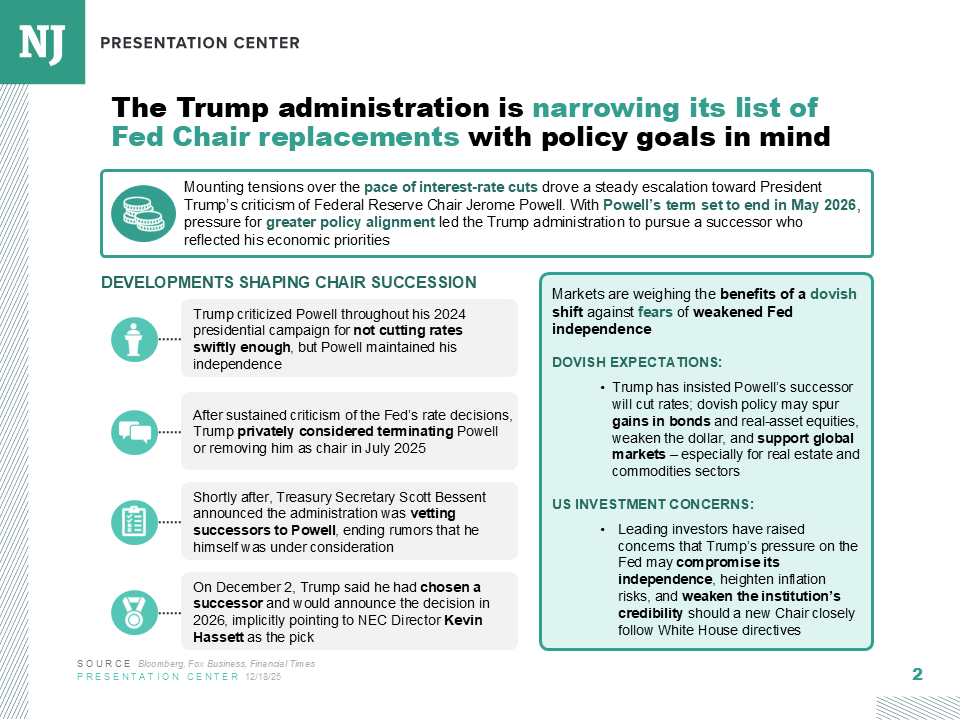
- Will the Federal Reserve raise interest rates again next month?
- Consumer sentiment has lagged recently in key surveys. Will consumers slow their purchases of goods or services, putting downward pressure on the economy?
- Will the president continue to tinker with the country’s tariff regime? Will he cooperate with Democrats, who take control of Congress Jan. 3?
Sen. Ron Wyden, who is in line to chair the tax-writing Senate Finance Committee next year, was circumspect about what to expect on affordability.
“I’m not telling people I’m going to be able to lower X by X number of cents, but I’m telling them they’re going to have somebody who’s going to fight like hell for them,” the Oregon Democrat told reporters.
Short-term risks
The economic debate in Washington is currently consuming Congress’s lame-duck session, which is scheduled to run until Dec. 18. It’s the last time Republicans will control Congress for at least two years.
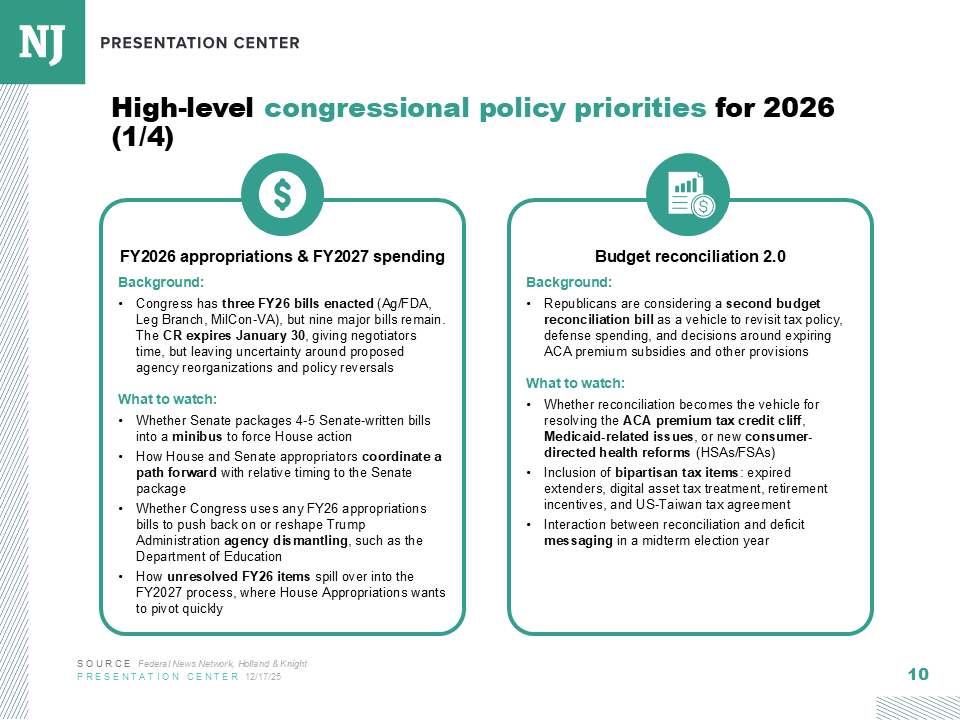
Most government funding runs out Dec. 11. Oxford Economics says prospects for a shutdown are “uncomfortably high.” A shutdown, though, is not likely to substantially alter consumers’ day-to-day economic situation except among those who rely on the government.
“Though lapses in funding aren’t a game changer for the broader economy, they’re most harmful to regions that are home to federal agencies and government contractors,” Oxford stated.
Once Democrats take over Congress next year, the legislative outlook for economic measures in 2027 and 2028 is uncertain.
During Trump’s first term, Democrats won a House majority in the 2018 midterms and reached a bipartisan budget deal with the president the next year. This time, while Trump continues to routinely bash Democrats, he’s also signaled he’s willing to work with them again.
Guns vs. butter
Democrats say their top priorities next year include restoring health care benefits cut during the Trump administration and expanding access to health care for lower- and middle-class consumers.
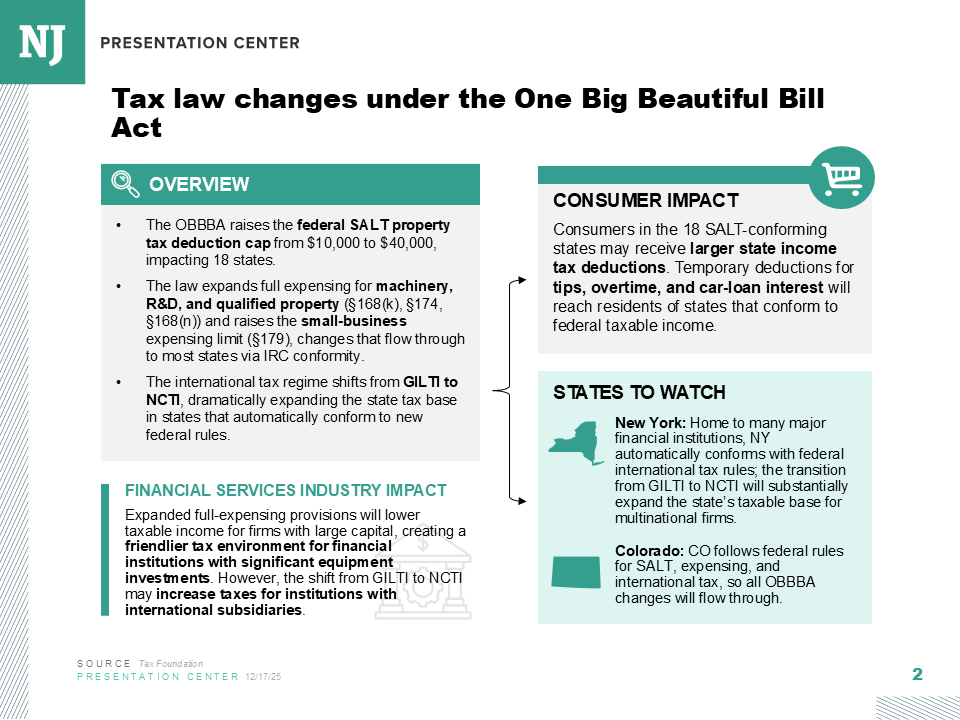
Republican priorities are likely to include assurances that Pentagon budget requests will not be trimmed dramatically. The GOP is also expected to seek extensions of the One Big Beautiful Bill tax cuts, many of which expire in 2027 and 2028.
All those initiatives are likely to cost a lot of money, and federal debt and deficits are already at historically high levels. That frightens economists and budget-watchers.
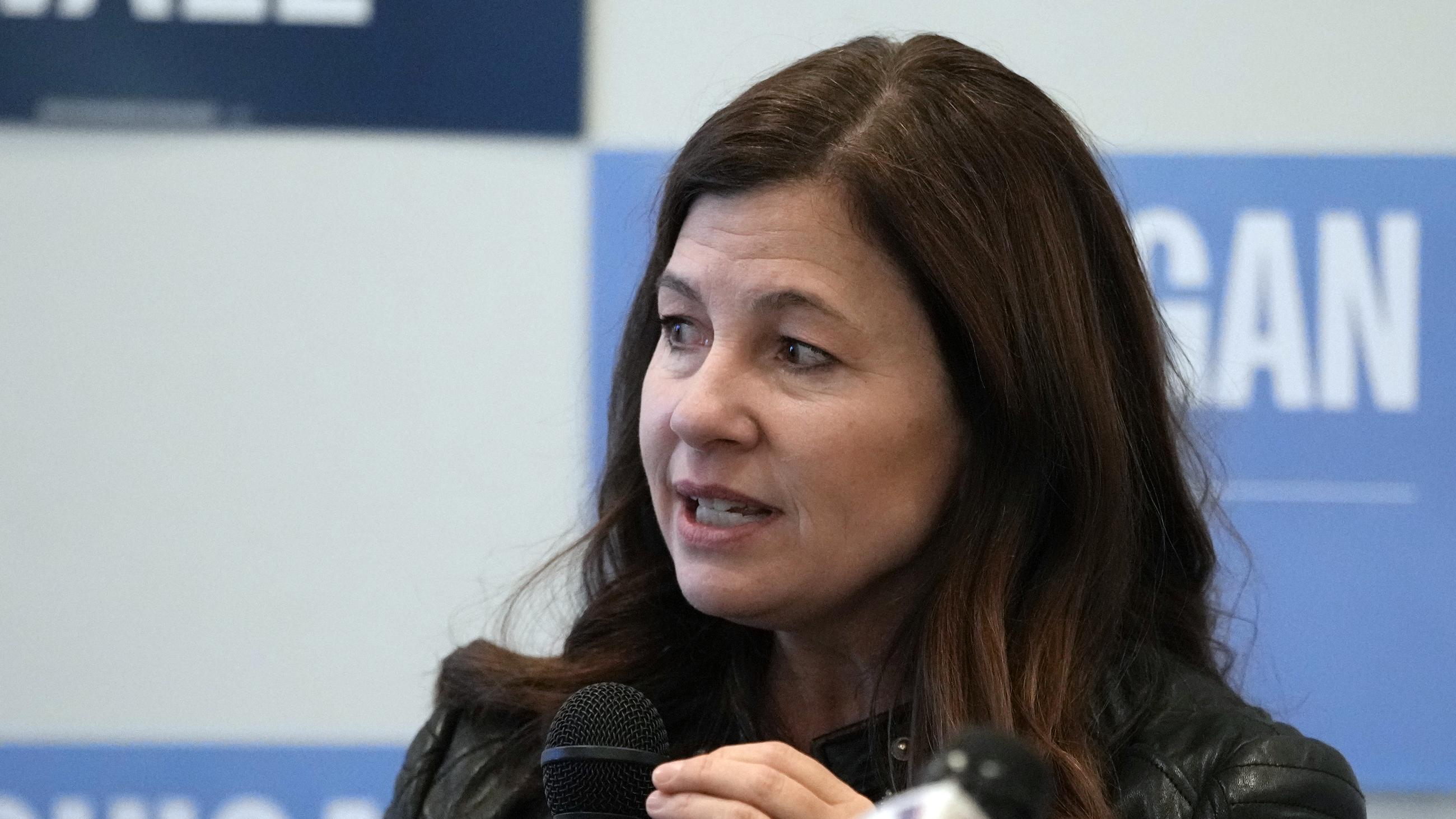
Maya MacGuineas, president of the nonpartisan Committee for a Responsible Federal Budget, recalled how the bipartisan budget deal during Trump’s first term was “the joining of hands in borrowing trillions for budget-busting spending bills."
"We can ill afford that repeat of history,” MacGuineas said.
Oxford sees a scenario where “Democrats could agree to raise defense spending but would pair those increases with higher nondefense funding.” Perhaps they would back extending the tax cuts in exchange for permanently extending the enhanced Obamacare subsidies that ended this year.
Wyden pledged a “tax agenda that puts American families first and requires the ultra-rich and corporations to pay their fair share.”
That could help boost economic growth, but unless it was paid for with revenue or spending cuts, it could mean more deficit spending.
Raising rates to lower prices?
Higher deficits usually mean higher interest rates, since the government has to compete with the private sector for money. Interest rates are the cost of borrowing, and competition tends to push rates higher.
The Federal Open Market Committee, which reviews and sets the Fed's target interest rate, saw a growing but fragile economy when it discussed what’s ahead at its last meeting.
“A number of participants observed that growth remained uneven, with AI-related investment, manufacturing, and data center construction being particularly strong, whereas housing and other interest-sensitive sectors were weak,” said the minutes from the late October meeting.
A few members found that “higher prices of necessities were straining the budgets of lower- and middle-income households, while increased energy and borrowing costs were leading some firms to reconsider production plans and the pace of expansion.
“A couple of participants observed that conditions in the agricultural sector had been strained by higher prices of diesel and other inputs.”
Then there are energy prices, which impact not only prices at the gasoline pump but other parts of the economy, such as transportation of goods and agricultural production.
Other than suspending the 18.4-cents-a-gallon federal gasoline tax, a strategy that’s been proposed for years but never approved, there’s little lawmakers can do in the short run.
Oil is a globally traded commodity, and like the American economy, it’s influenced by a host of factors no one country or official can control.
Congress is scheduled to return to Washington Nov. 30 after taking a break this week for the Thanksgiving holiday.