Nov. 23, 2026, 5:01 a.m.
Buoyed by Democrats’ landslide victories, the Democratic National Committee is forging into the 2028 race.
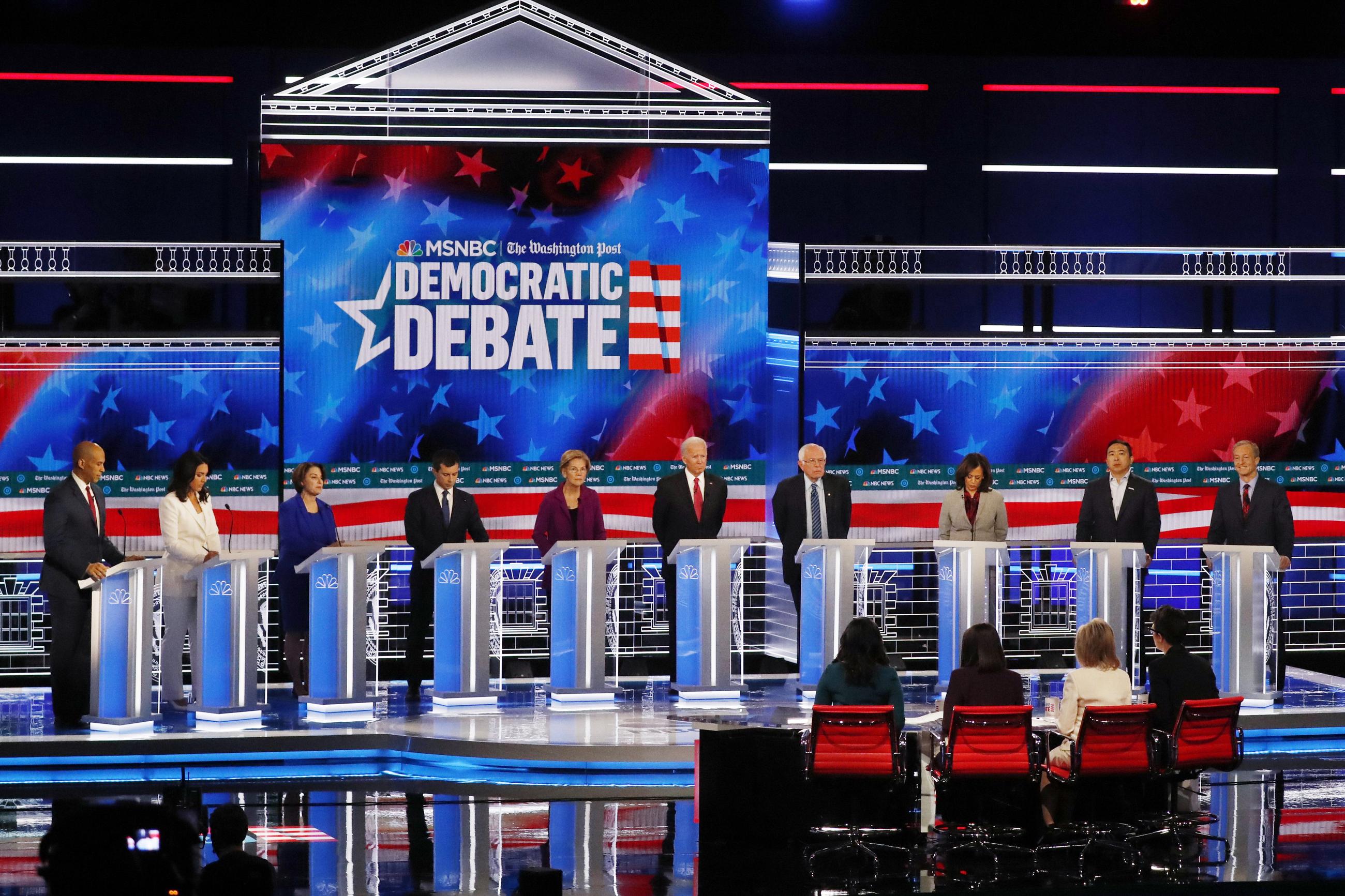
The DNC on Monday announced its framework for the presidential primary debates, which will consist of 12 debates beginning in June and running through March 2028, though that scheduling is subject to change based on the cadence of the primary race.
Along with typical requirements for candidates to reach polling and fundraising thresholds to qualify for debates, the DNC has added an ethical framework for candidates to abide by in order to reach the stage: The committee will require candidates to denounce dark-money spending in the primary in order to qualify.

Candidates must pledge to denounce any spending during the primary cycle on advertising for a candidate or against opponents from groups that do not disclose their donors and operate outside federal contribution limits. But candidates will only need to issue a statement once per group spending, not after every ad released. Campaigns will designate representatives, who can report one another for suspected violations of the pledge, which the DNC will adjudicate. The DNC’s website will host a tracker showing submitted complaints, adjudications, and denunciations.
Sens. Andy Kim, Bernie Sanders, and Elizabeth Warren endorsed the pledge, according to a DNC official, along with Reps. Greg Casar and Jason Crow and former DNC Chair Jaime Harrison.
The DNC, which typically plays a supporting role in midterm elections, will come into the forefront as the 2028 cycle begins, likely wooing back donors along the way. The committee, which was cash-strapped for most of the midterm cycle, will need all the support it can muster with costly debates and the nominating convention on the horizon.
“The DNC’s job itself is to put the proper structures in place to be 100 percent transparent,” Democratic strategist Mark Riddle told National Journal. “I think that will give confidence to the larger donor community to invest in what the 2028 program would look like.”
The pledge will apply only to the primary process, not the general election.
Should the DNC need to schedule consecutive debates to account for all qualified candidates, candidates will be assigned to debate stages at random, and the DNC will cap the total number of participants at 20 over two nights.
“Democrats are on offense after our historic victories in the midterms, and the DNC is keeping our foot on the gas as we head into the 2028 cycle,” DNC Chair Ken Martin said in a statement. “The fair and transparent process and experienced leadership team we’re announcing today will keep our party united, strengthen our eventual nominee, and put Democrats in position to take back the White House.”
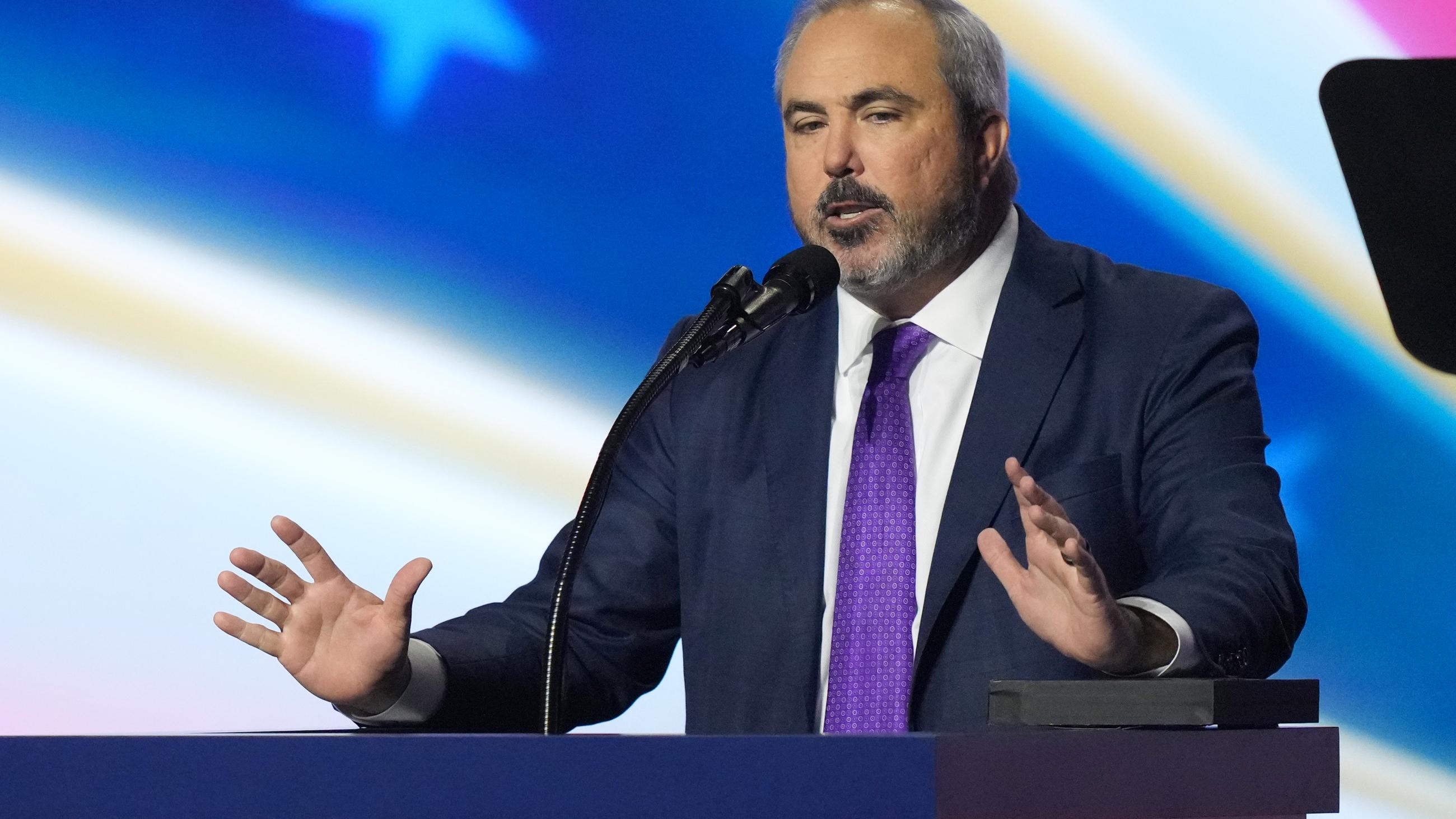
Martin took over the committee freshly after former President Biden’s losses amid donor fatigue and general disapproval toward the party. The DNC was at a cash disadvantage compared to its Republican counterpart for most of the midterm cycle. It last reported $15 million in debt from a loan it took out ahead of last year’s off-year elections, which must be paid back by October 2027, per Federal Election Commission filings.
The DNC raised the most money this cycle of any when Democrats did not control the White House, according to a DNC official.
Several Democrats called for Martin’s ouster this summer, concerned about the committee’s debt and Martin’s handling of a promised autopsy of the 2024 election.
“Structurally, it’s very hard to fundraise at the DNC when you don’t have the White House and especially after you lose,” said Clayton Cox, the DNC's finance director during the 2020 presidential primary.
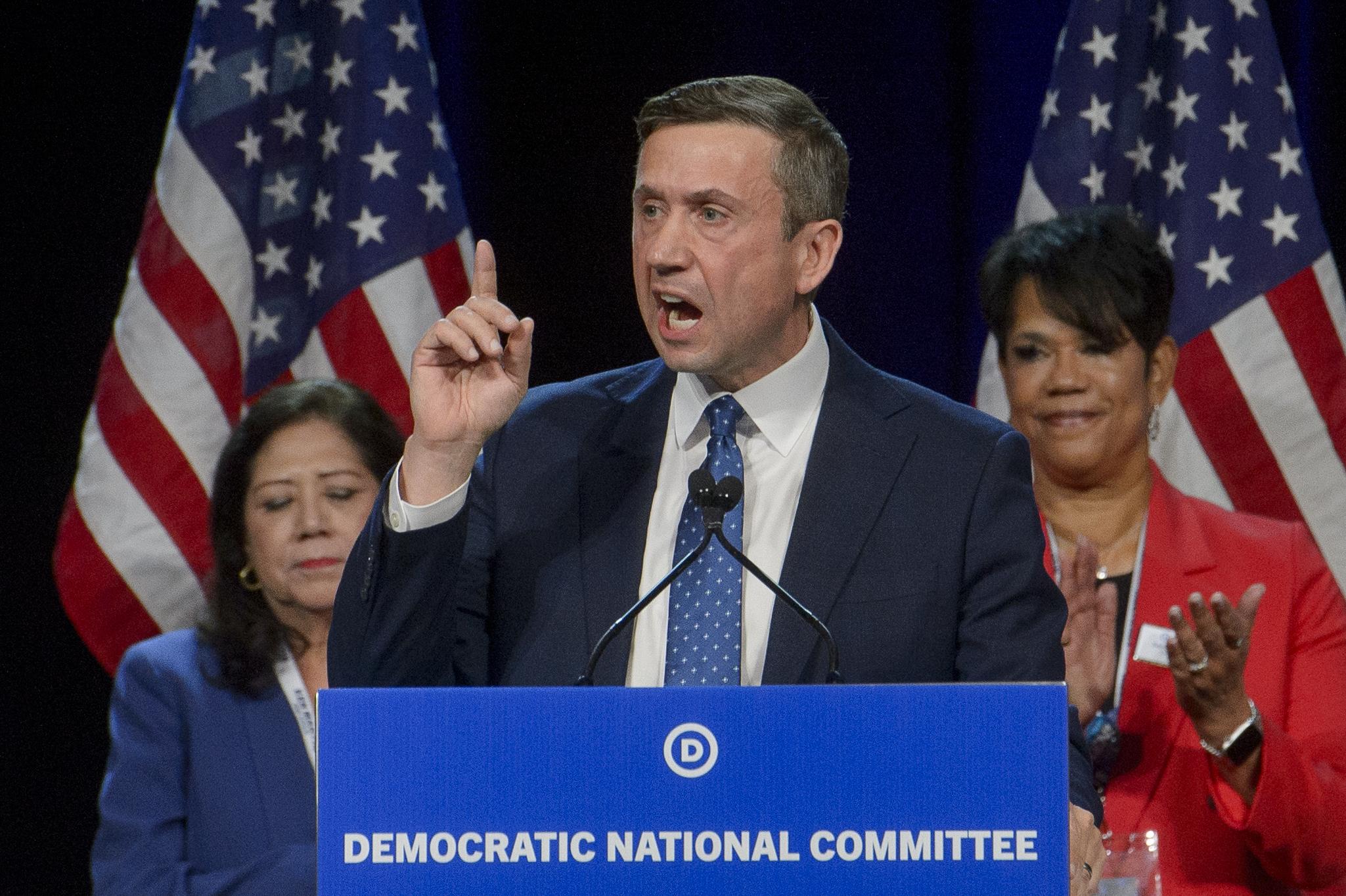
DNC Chair Ken Martin (AP Photo/Rod Lamkey, Jr.)
ASSOCIATED PRESS
Democrats’ victories across the map largely quieted past concerns over Martin’s leadership.
“Winning solves a lot of problems,” Democratic strategist Steve Schale told National Journal.
Some of those donors who had expressed fatigue with the Democratic brand may return to the party after its dominating performance in the midterms.
“Doing well in the midterms is so existential for them because it is the proof point, and it is the only thing that’s going to get donors over the hump,” Cox said.
Donors may return to the fold less because of a restoration of faith in the party than because of a desire to participate in the presidential cycle.
“Yeah, they’ll have this cerebral story the DNC can tell about investment, but really a lot of them want to be excited about a candidate and get involved with a presidential campaign,” Cox said. “And so that’ll be the challenge for them.”
The DNC’s next steps will be financing debates and the convention, costly endeavors that often attract donors’ attention.
“Putting on the debates, putting on the convention, putting on all these things that they’re required to do, is very expensive and very costly,” Cox said. “Things only get pricier for them.”
Minyon Moore, who chaired the 2024 convention, and DNC Executive Director Roger Lau will lead the debate-planning committee, which also includes former presidential campaign advisers to Biden and Sens. Warren, Sanders, and Amy Klobuchar, and alumni from the campaigns of President Obama, Hillary Clinton, and former Vice President Kamala Harris.
The DNC will incorporate influencers and creators into the debates, according to its release. The planning committee will announce specific criteria for the first two debates in January.
“We’re going to have a very spirited nominating process, and the people who care about building infrastructure will certainly invest, given the confidence coming in from [the election],” Riddle said.