Nov. 19, 2026, 5 a.m.
Democrats this month pulled off a major upset in Mississippi’s Senate race and overperformed in Louisiana. They romped to victories in Georgia and Texas. Now, they’re looking to carry that momentum in the off-year governor's races in the region.
Louisiana, Kentucky, and Mississippi will hold gubernatorial elections next year. In Louisiana and Mississippi, Democrats lack a clear candidate field. While a surge in Black turnout and crossover GOP voters powered their gains earlier this month, there is no guarantee those groups will show up again in states that President Trump won by 22 points each.
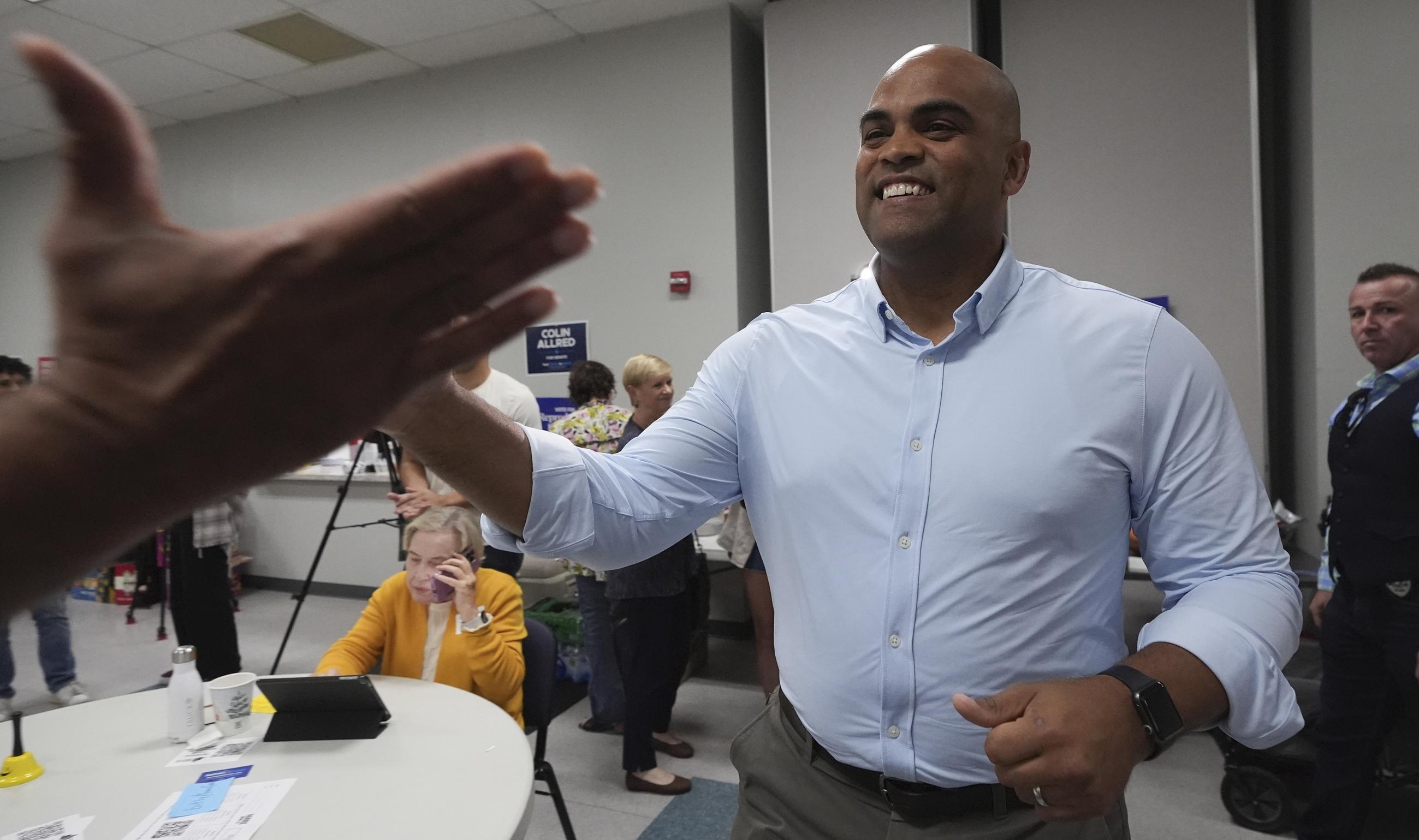
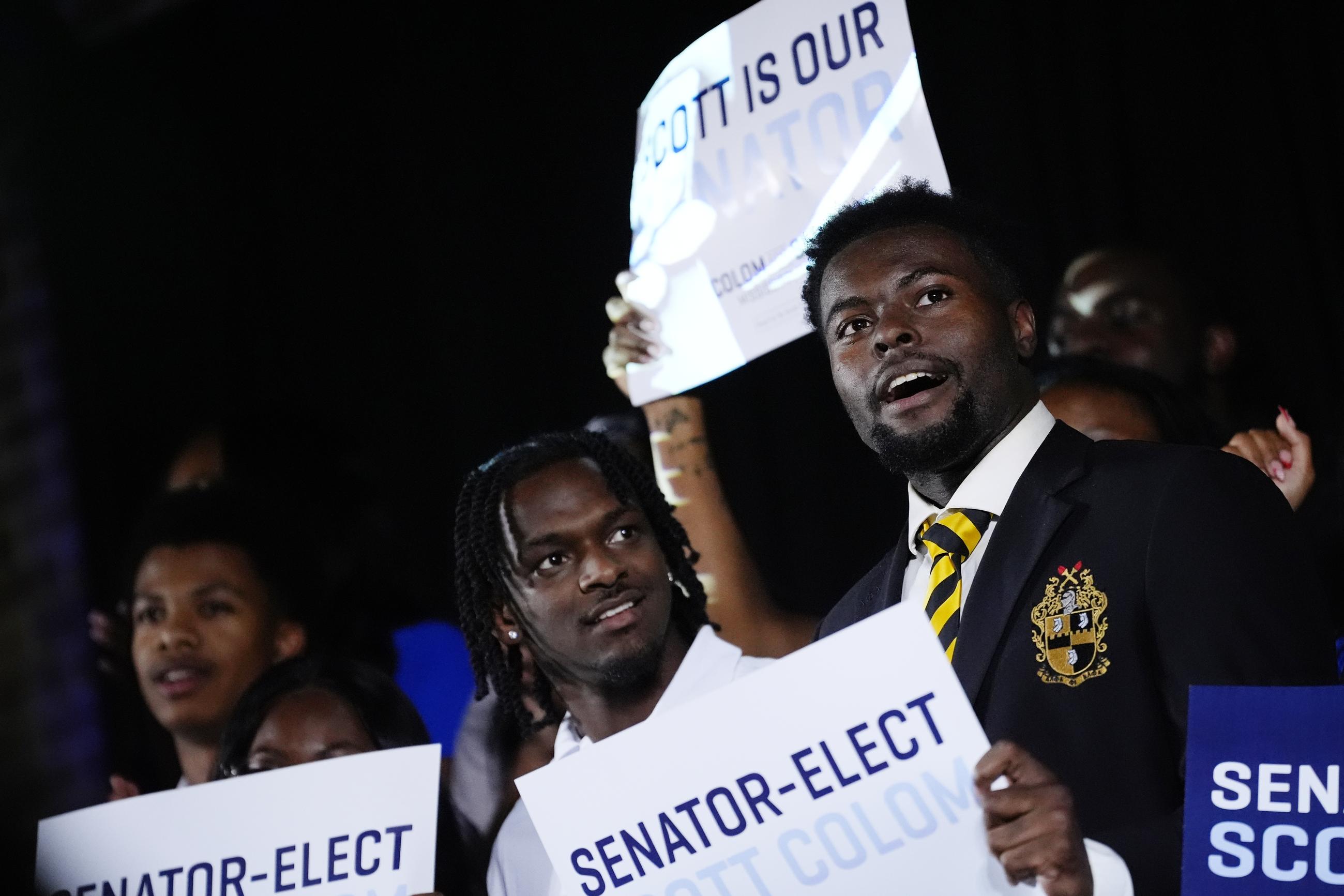
But this past cycle provided a blueprint for Democrats in the South. The seeds of the party's strong showing this year came from GOP efforts to redraw the maps throughout the region following the Supreme Court’s ruling that weakened the Voting Rights Act. High Black voter turnout pushed Sen.-elect Scott Colom across the finish line against Sen. Cindy Hyde-Smith in Mississippi. In Louisiana, Democratic nominee Jamie Davis lost to Sen.-elect Julia Letlow by under 2 points. Black voters made up 33 percent of the Mississippi electorate, up from 30 percent in 2024. In Louisiana, Black voters made up 29 percent of the electorate, compared to 27 percent last cycle.
Strategists in both parties expect turnout to be higher than in previous off-year elections given the energy in each state, but they questioned whether the favorable environment will hold for Democrats, and whether the party can replicate its success in off-year races.
The easier lift for Democrats is the race to replace term-limited Mississippi Gov. Tate Reeves, according to David Hughes, a political science professor at the University of Louisiana at Lafayette. The state has a larger base of Black voters and already pulled off a historic win few thought was possible, but Republicans are still favored.
As Mississippi Republicans regroup after Hyde-Smith’s flop, they’re eyeing areas where they can gain back ground. Austin Barbour, a GOP strategist in the state, said Republicans vying for governor need to woo voters in suburban and urban counties, and that they can’t rely on their party ID alone.
“We have to nominate the best candidates who can run superb campaigns and who can articulate in a positive way to our voters, ‘Hey, this is why my conservative ideals are best for you and your family,’" Barbour told National Journal. “That is so key. You can't just run and go, ‘Hey, I'm a Republican. I know you want to vote for me now.’”
There’s no clear front-runner in a GOP primary field that is quickly filling up. State Auditor Shad White jumped in following the midterms. He joins Attorney General Lynn Fitch, former state House Speaker Philip Gunn, and Agriculture and Commerce Commissioner Andy Gipson.
All Republican contenders so far have embraced Trump, whose endorsement could be decisive in the primary and potential runoff. But given the Republican shellacking amid a backlash against the president, that association could be a weakness in a general election, Republican strategist Hayes Dent said.
“I think that in 2027 in Mississippi, the Republican's gonna win the governor's race unless a Republican who decides to die on Trump's hill gets the nomination, and then it could get dicey,” Dent said.
We have to nominate the best candidates who can run superb campaigns. ... You can't just run and go, ‘Hey, I'm a Republican. I know you want to vote for me now.’ ”
—Austin Barbour, Mississippi GOP strategist
Next door, Louisiana’s governor’s race is an uphill battle for Democrats, politically and structurally.
Louisiana's share of Black voters, more than 30 percent of the population, is lower than in its neighbor state. Democrats also can’t reap the benefits of an open race. Republican Gov. Jeff Landry is up for reelection, and while he hasn’t officially launched his bid for a second term, he’s widely expected to run.
Louisiana uses a jungle primary system, giving Landry an immediate benefit as the likely lone Republican. Three years ago he won the governorship outright, clinching more than 50 percent in the primary. And even if he does attract GOP challengers, the dynamic still favors an incumbent against a fractured Democratic field.
If Democrats don’t coalesce around a single candidate ahead of the Oct. 9 primary, their eventual nominee will have a four-week runway to challenge Landry head-to-head. That gives national groups little time to invest into the state post-primary. The Democratic Governors Association traditionally stays neutral in primaries.
The eventual Democratic nominee will have some momentum. Landry is staring down a reelection bid as an unpopular incumbent. His approval rating is underwater, and he faced a recall effort this year that failed.
Democratic strategists said the recall failed because organizers didn’t submit all signatures they collected, and not because of a lack of enthusiasm.
“Whether their signatures were turned in or not, a lot of people signed it, and I think the people who signed it are probably just as motivated as they were if they stood in line to sign it," political consultant Mary-Patricia Wray said. "They're just as motivated as they were to do that to come out and to come vote."
Landry is embracing data centers, a risky bet given the widespread public backlash over the issue. He and other Republicans have faced criticism for the use of non-disclosure agreements in negotiations with technology companies like Meta, which is investing more than $50 billion in a project in Richland Parish.

Candidates wanted
The Democratic fields in both races have been slow to take shape, but strategists who spoke to National Journal said the results in the Senate contests will likely get more candidates off the fence.
The bigger question is whether Democrats can field candidates who maintain the grassroots organizing that drove their Senate overperformances, and give voters a reason to engage even after a major victory.
“Now that we came in and had this big sweeping election wave, or whatever people like to call it, does that act as a pressure valve release by letting a bunch of air out, letting pressure off, or does it act as a motivator, saying, ‘Oh, we did it in ‘26. We can do it better in ‘27’?" said Trey Ourso, a Louisiana Democratic strategist. "And I think that that's the one part of the equation that I don't think we can answer right now.”
Davis has left the door open to run for governor after his narrow Senate loss. As a farmer, his profile could serve the moment Louisiana Democrats are in, Wray said.
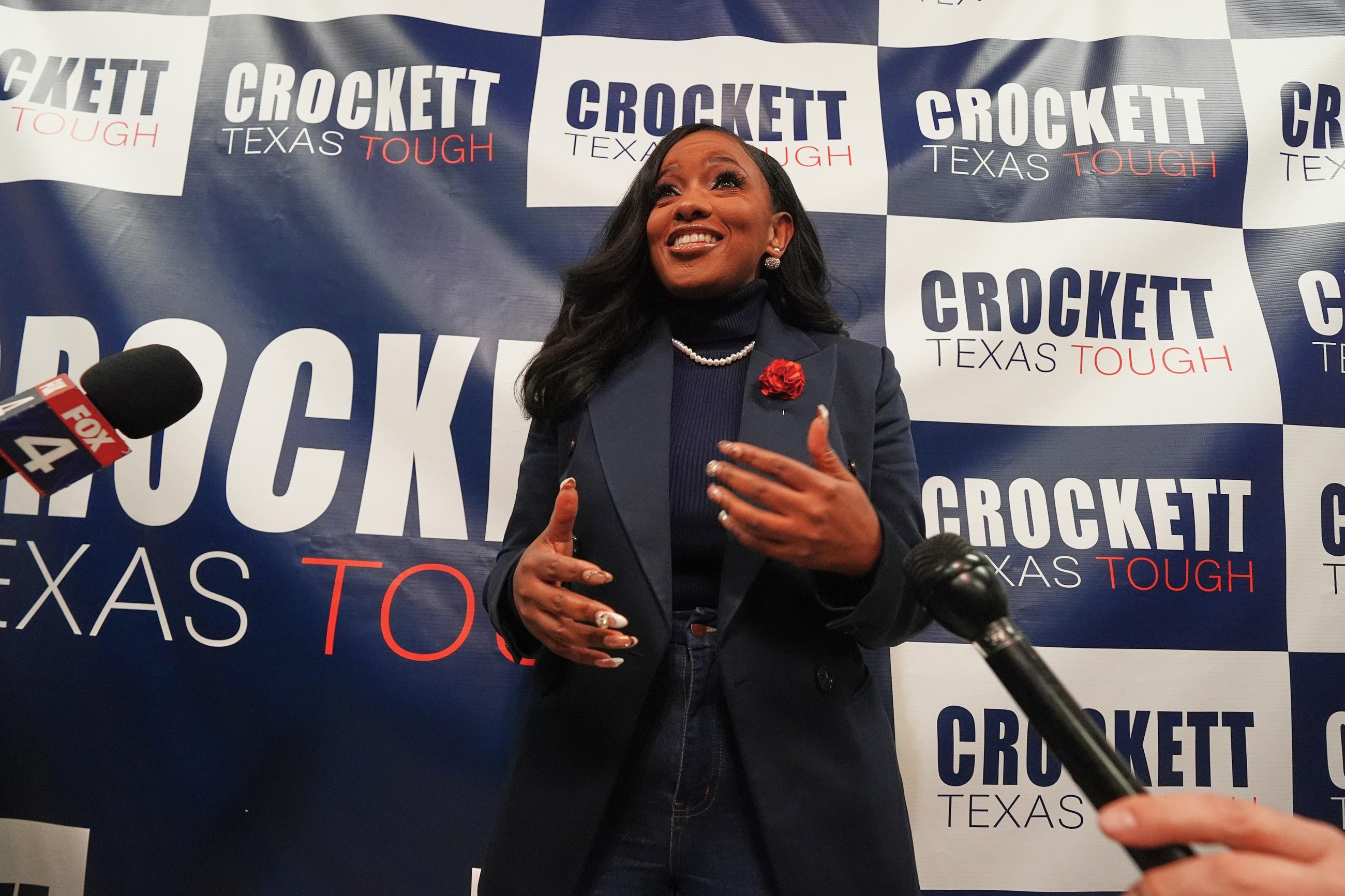
Gary Crockett, who lost the Democratic nod to Davis, has launched a gubernatorial campaign, and other potential candidates include progressive Dustin Granger and state Sen. Jay Luneau.
“If [Davis] waits, you run the risk of too many folks deciding that it's their year, too," Hughes said. "I am anticipating that Davis would move sooner rather than later to head off any other challengers.”
In Mississippi, Brandon Presley, who lost to Reeves by 3 points, hasn’t ruled out a run. Priscilla Williams-Till, who lost to Colom in the Senate primary, is already in the race.
Democrats need Republican voters if they want a chance in either state. Brannon Miller’s consulting firm, Chism Strategies, ran New Southern Majority’s effort to target Mississippi Republican voters in early 2026. He said winning campaigns in the South need to replicate that strategy.
“We talked to over 200,000 Republicans statewide in Mississippi, knowing we were going to lose, in the best-case scenario, 80 percent of the people we were talking to,” Miller said. Colom, he added, overperformed with “softer Republicans,” including women and those with a college degree, and flipped Republican-leaning DeSoto County outside of Memphis.
But Democrats disagree on whether outside money and attention will help or hurt, even as Colom criticizes national Democrats for not investing enough in the state. Democratic super PAC American Bridge 21st Century has pledged to spend in the three off-year gubernatorial contests.
“I think in some ways party money branded as party money is one of the worst things that could happen to a Democrat in 2027,” Wray said.