Nov. 18, 2026, 5:45 p.m.
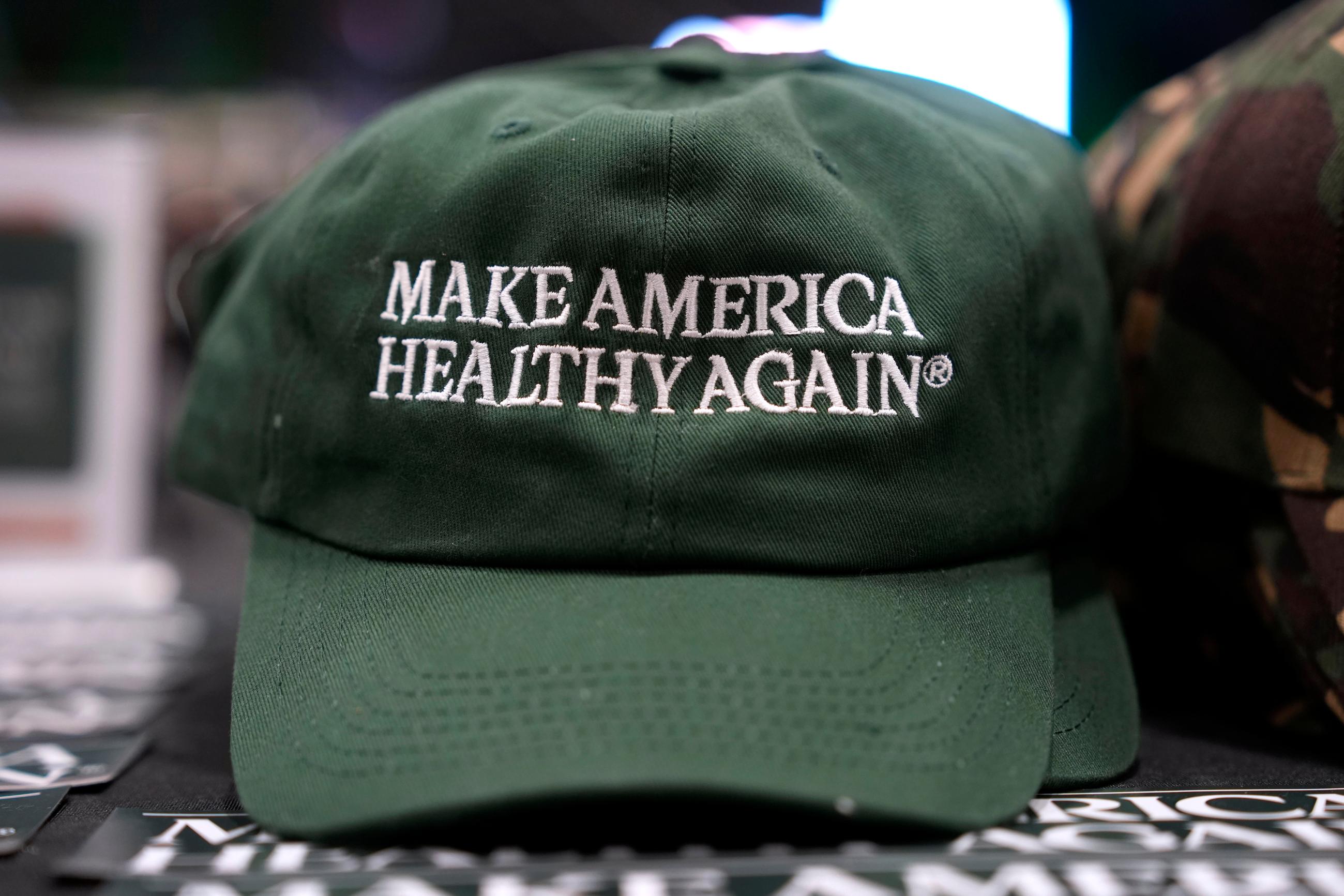
Pressured by supporters of the Make America Healthy Again movement, the White House stunned Senate Republicans when it suddenly pulled the nomination of Heidi Overton to be Food and Drug Administration commissioner—even though Overton had appeared likely to be confirmed.
Two sources familiar with the process told National Journal the nomination was pulled Tuesday night because of MAHA backers’ concerns.
Overton, currently the White House deputy director of domestic policy, was closely aligned with former White House Chief of Staff Susie Wiles, who was instrumental in selecting her to lead the FDA. Wiles stepped down from her post earlier this month and was replaced by Stephen Miller, a hero of conservative hard-liners who is fiercely loyal to President Trump.
Overton has clashed with Health and Human Services Secretary Robert F. Kennedy Jr., a MAHA champion, over several of the movement’s priorities, such as the administration’s move to promote glyphosate, a common ingredient in pesticides. MAHA supporters have been calling for banning or phasing out of glyphosate, raising red flags about the safety of the chemical in food supplies.
“Secretary Kennedy and the MAHA movement were never sold on her,” a source familiar with the nomination told National Journal. “But she was pushed on them by Susie [Wiles] and those previously in charge. Stephen Miller is very aligned with Secretary Kennedy. Neither one of them were sold on Heidi, and they were looking for reasons to dump her. And they did.”
A spokesperson for the White House did not immediately respond to a request for comment.
The move to pull Overton seemingly surprised Sen. Bill Cassidy, who chairs the Health, Education, Labor, and Pensions Committee. The panel had been expected to approve the nomination this week and send it to the full Senate, according to Cassidy.
The Louisiana Republican called it “odd” for the White House to abandon what was a “viable confirmation path” for Overton—countering the narrative from the White House that the nominee did not have enough support in the Senate.
“I believe she would have had the votes to pass out of committee and pass the full Senate,” Cassidy wrote Tuesday night in an X post. “My conversations with her convinced me she would follow the science and push back against decisions that put Americans’ health at risk. … Unfortunately, with the limited time left, confirming a permanent FDA Commissioner will fall to Senate Democrats.”

Heidi Overton testifying before the Senate Health, Education, Labor, and Pensions Committee on Sept. 24 (AP Photo/Mariam Zuhaib)
AP Photo/Mariam Zuhaib
An elated MAHA movement
MAHA followers celebrated news of the withdrawal.
The “White House clearly recognizes that we have a once in a lifetime opportunity to change the D.C. status quo, and that the next FDA commissioner must be aligned with the MAHA agenda,” stated MAHA Action, the movement’s advocacy arm.
“So far, all indications point to Miller being ready to push forward every part of the MAHA agenda, not just the pieces that are easiest for Washington to accept,” the group said.
Overton also faced hurdles involving the antiabortion movement. The last outstanding issue on her nomination from the committee, according to Cassidy, were commitments from the administration regarding the abortion drug mifepristone.
Antiabortion groups, such as Susan B. Anthony Pro-Life America, called for delaying the committee vote until extra assurances were given on the immediate restoration of an in-person dispensing requirement, along with reforms to the FDA’s ongoing safety study on mifepristone.
The administration withdrew the nomination “rather than make such commitments,” Cassidy said Tuesday night.
However, Sen. Josh Hawley, who had raised similar concerns and wanted further answers about the FDA’s ongoing mifepristone study, told reporters Wednesday he had received “significant commitments” from Overton that satisfied his concerns.
Jim O’Neill’s nomination to lead the National Science Foundation was also pulled from the HELP Committee schedule Wednesday morning. The panel had been expected to vote on the Overton and O’Neill nominations Wednesday.
Cassidy revealed in his opening remarks Wednesday morning that O’Neill lacked support from several members of the committee who had concerns over his role in firing former Centers for Disease Control and Prevention Director Susan Monarez, and his actions while serving as acting CDC director.
"Mr. O'Neill did not do enough to stand up for science and against irresponsible decisions and statements from Secretary Kennedy,” Cassidy said. “I like Jim personally, but this time requires leadership and fortitude and standing up for what is right."
The White House still hadn’t withdrawn O’Neill’s nomination as of Wednesday morning, according to a White House official.

Sen. Susan Collins (AP Photo/J. Scott Applewhite)
AP Photo/J. Scott Applewhite
A shaky nomination
In the days leading up to the expected committee vote, Cassidy had been mum on Overton’s prospects. He said last week that he and other Republicans on the panel still had concerns about the nominee.
Sen. Lisa Murkowski had raised issues with the administration’s moves to restrict mifepristone access. During Overton’s nomination hearing, the Alaska Republican said revoking the telehealth option for the drug would put rural communities in her home state in a “challenging position.”
Sen. Susan Collins voiced concerns over the FDA’s moves to ease access to e-cigarettes, arguing the agency’s latest draft guidance on the issue risks “the health of children by increasing the number of flavored e-cigarettes that FDA authorizes.”
Overton had been on shaky footing for weeks, as different outside groups had been protesting the pick.
In addition to the antiabortion groups calling for a delay, abortion-rights groups had been calling for senators to oppose the nominee over her antiabortion views. And signs had been placed all around D.C. and various states calling for senators to oppose Overton because of her involvement in the administration’s relaxed vaping policy.
The nomination was also mired in interpersonal drama. After former White House adviser Calley Means, a Kennedy ally and MAHA leader, abruptly left the administration, he went scorched-earth, accusing a number of White House aides of kowtowing to lobbyists and special interest groups over prioritizing Americans’ health. Means alleged that Overton was the “biggest block” on MAHA priorities, including on food policy and psychedelics being used for mental health treatments. He also claimed that Overton drove the creation of the administration’s vaping policy.
A Semafor report said that Sen. Roger Marshall, who lost reelection this month, had been floated to lead the FDA as Overton’s nomination looked more precarious.
Any replacement nomination will likely fall to the next Congress, which will be under Democratic control. And Marshall could raise similar concerns from MAHA world.
“There’s just not enough time to get this done,” a former Republican aide told National Journal. “Under HELP Committee rules, the majority has to give the minority 14 days’ notice before a nomination hearing and another seven days notice before a markup. That doesn’t even account for the floor time needed to confirm.”