Consumer behavior matters a lot to the health of the American economy. So surveys showing that people are very worried about their financial futures are powerful evidence of ongoing economic uncertainty.
The big culprit driving this gloom is the rate of inflation. It’s been elevated for about five years and shows few signs of ebbing significantly anytime soon.
Extended periods of inflation have the potential to lead to an inflationary psychology, though it isn't necessarily "inevitable," according to Joanne Hsu, director of the University of Michigan consumer survey.
Personal consumption expenditures account for about two-thirds of the U.S. economy, according to the Bureau of Economic Analysis. Consumer surveys show people see inflation continuing, so they adjust their buying habits accordingly.
Hsu found that in recent months, expectations for inflation have gone up, “exposing risks that elevated inflation could become entrenched."
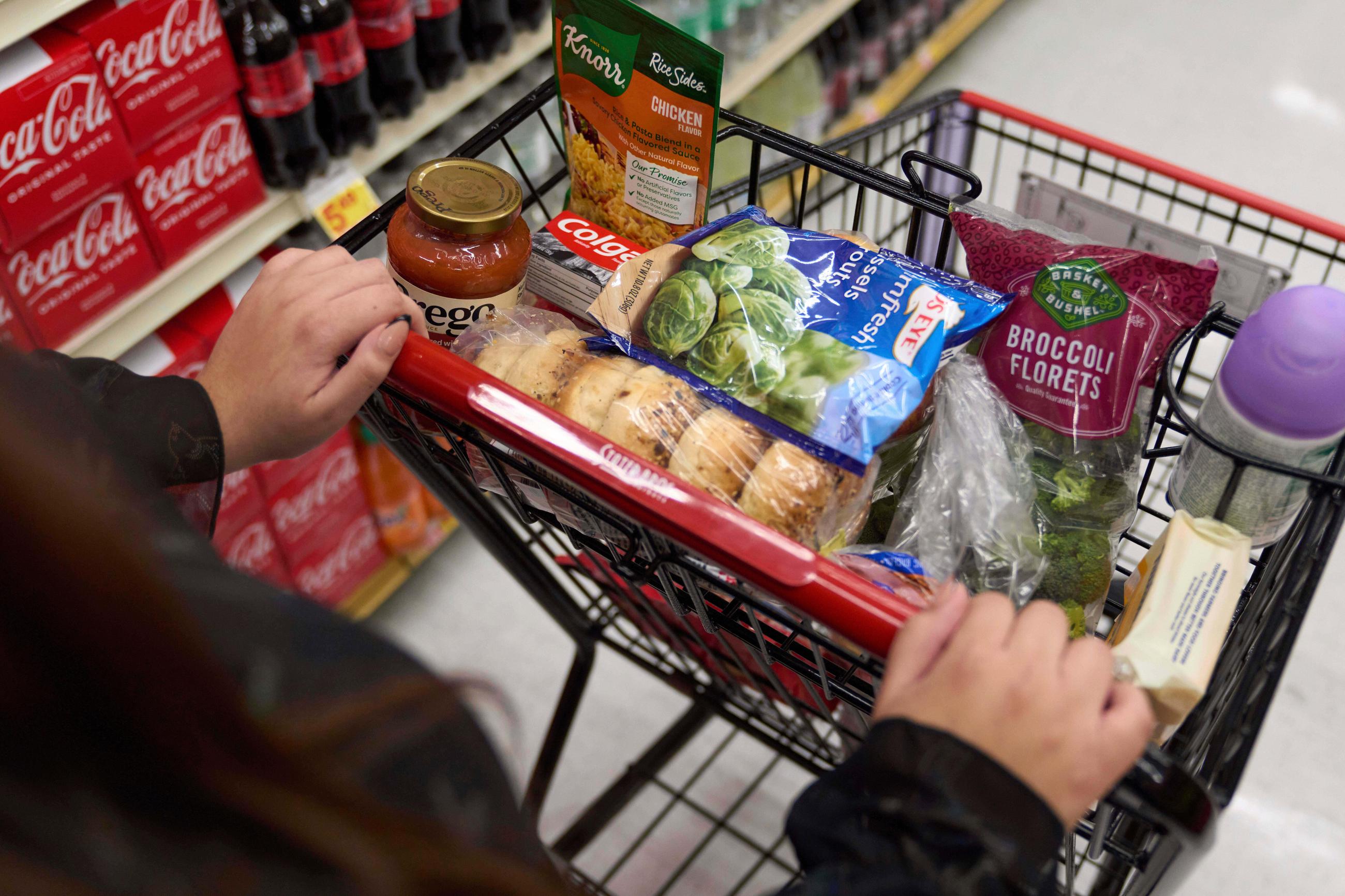
Consumers may “shift purchases to the present to avoid higher prices in the future,” she said. In the short term, they may buy lower-price food or take fewer routine trips to ease the pain of higher gasoline or diesel prices.
What worries economic experts is that the more this behavior continues, the more difficult it is for the economy to stay healthy.
A shaky future
Consumers were somewhat more optimistic about economic conditions in October, according to the Conference Board, which surveys consumer sentiment.
The outlook was driven by more stable retail gasoline prices in September and October, said Fergus McCormick, senior economist for global indicators at the Conference Board.
But, McCormick added, “consumer confidence remained on the long-term downward trend that’s persisted over the past few years.”
Over the next six months, the survey found, consumers planned to spend less on services and big-ticket items.
“This likely reflected higher price levels and persistent inflation, which eroded consumers’ purchasing power,” McCormick said.
They don’t see much improvement anytime soon. “The fact that inflation expectations are currently picking up suggests that consumers do not expect meaningful disinflation for the foreseeable future,” Hsu said.
Inflation’s future
The Federal Reserve’s major tool for easing inflation is its target interest rate. The Fed kept the rate stable for three years until raising it a quarter-point in September.
It’s widely anticipated that the Fed will make another quarter-point boost at its Dec. 8-9 meeting. Increasing rates is supposed to cool demand, motivating sellers to lower prices to attract consumers.
Inflationary expectations, though, build over time and cannot be easily undone.
Hsu pointed out that before the COVID pandemic of 2020-2021, inflation remained fairly tame and expectations were that it would continue that way.
Then came supply shocks, and the annualized rate of inflation hit 9.1 percent in June 2022, its highest level in more than 40 years. President Trump’s voters in 2024 tended to believe that bringing him back to the White House would help usher in a tangible drop in inflation and the cost of living.
Consumers, though, couldn’t exhale. In early 2025, Trump proposed a wide-ranging series of tariffs, or taxes on imports. While consumer expectations of steep price increases did not materialize as many economists feared, they were hit with another jolt this year when the U.S. went to war with Iran.
“The 2022 episode has been followed by two major, successive policy shocks that consumers broadly perceive as inflationary,” Hsu said. “Many believe the shocks and their consequences will persist.” Polls showed that view was a major driver of the just-concluded midterm elections, which saw Democrats rout Republicans around the nation and regain control of Congress.
The Personal Consumption Expenditures Price Index, the price measure preferred by the Fed, was up 3.6 percent for the 12 months ending in September, well above the Fed’s 2 percent target.
“The Fed has been unable to wrestle inflation down to its 2 percent target for more than five years, and the rebound in energy prices threatens another setback. Shocks have become the norm, not the exception,” said Diane Swonk, chief economist at KPMG Economics.
The surveys say consumers see no letup. As Hsu put it: “Consumers broadly expect inflation to accelerate.”