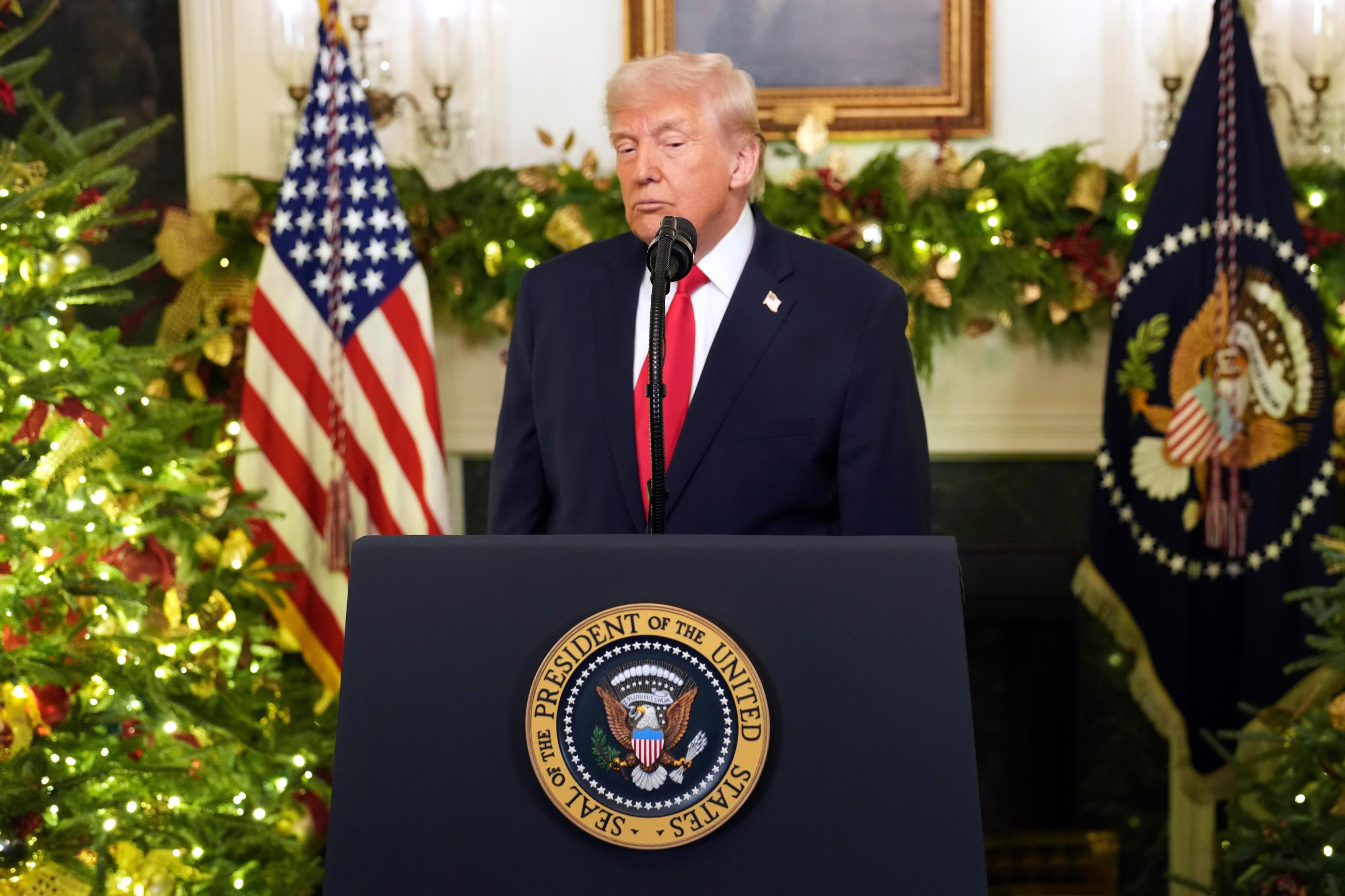
Of all the myriad ways that President Trump has shattered long-accepted norms of governance and politics, none may be more unnerving than his deeply partisan and cynically transactional approach to programs meant to benefit Americans in need. It is a combination never before seen in modern U.S. history and one very much on display during the president’s ongoing blitz of almost-nightly campaign rallies.
His closing message at those rallies could be boiled down to: “I will provide the help that you need from your government—but only if you vote for the candidates I endorse.”
Trump is not the first president to wield the sweeping powers of his office to help his party, nor is he the first to bring members of his Cabinet on the campaign trail. But no prior president ever did either to the extent this president has in the 23 rallies in 19 states he has held between Oct. 1 and Tuesday night.
Culminating in a highly unusual rally appearance by a U.S. secretary of State when Marco Rubio spoke briefly at Tuesday’s event in Corpus Christi, Trump at his rallies has featured the secretaries of Treasury, Interior, Agriculture, Commerce, and Health and Human Services, as well as the U.S. Treasurer and the heads of the Environmental Protection Agency, the Small Business Administration, the Federal Housing Finance Agency, and the Federal Communications Commission.
He has also used his official powers to woo voters, interrupting rallies to sign an executive order on diesel fuel, issue pardons, and announce a presidential Medal of Freedom.
Flexing his presidential muscles, he also bestowed a submarine-repair base on Ohio; boosted shipbuilding in Alabama; provided crop insurance for Georgia; removed restrictions on rifles and shotguns in Montana, while giving the state $3 billion to reduce mortgages; and issued permits for a pipeline in Alaska, while also giving the state $162 million for high-speed internet.
In both Michigan and Maine, where there is anger over his 50 percent tariffs on Canada, he allowed tariff reductions for Canadian products important to the two states.

That is one side of Trump’s rallies—the flaunting of his presidential powers. The other side, even less savory, is the outright threatening of voters.
Not content to just give goodies to voters in close states, he wants them to know they will pay a steep cost if they cross him. In Kansas, while announcing a removal of the restrictions on the sale of gasoline with 15 percent corn-based ethanol, he said that policy will only be permanent “with Roger Marshall in the Senate.” But, he warned, “if [Democrat] Adam Hamilton is in, I’m not doing it.”
Similarly, at his North Carolina rally on Oct. 20, he dangled cash settlements for Marines and their families who drank water contaminated with harmful chemicals. He said he would order the immediate settlement of remaining claims—but only if Republicans win next week. “If we don’t win, there’s no money. If we do win, you’re getting it.”
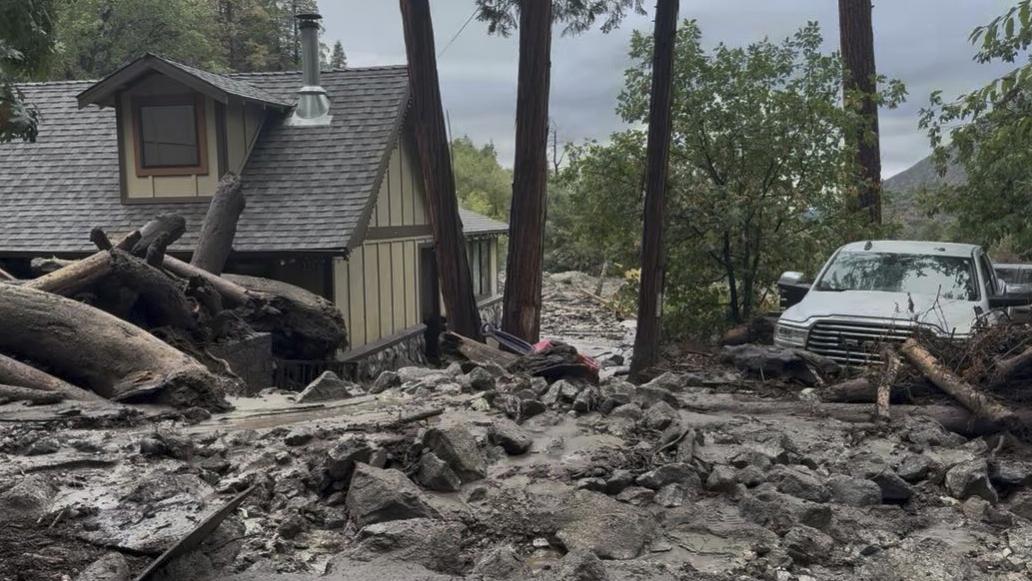
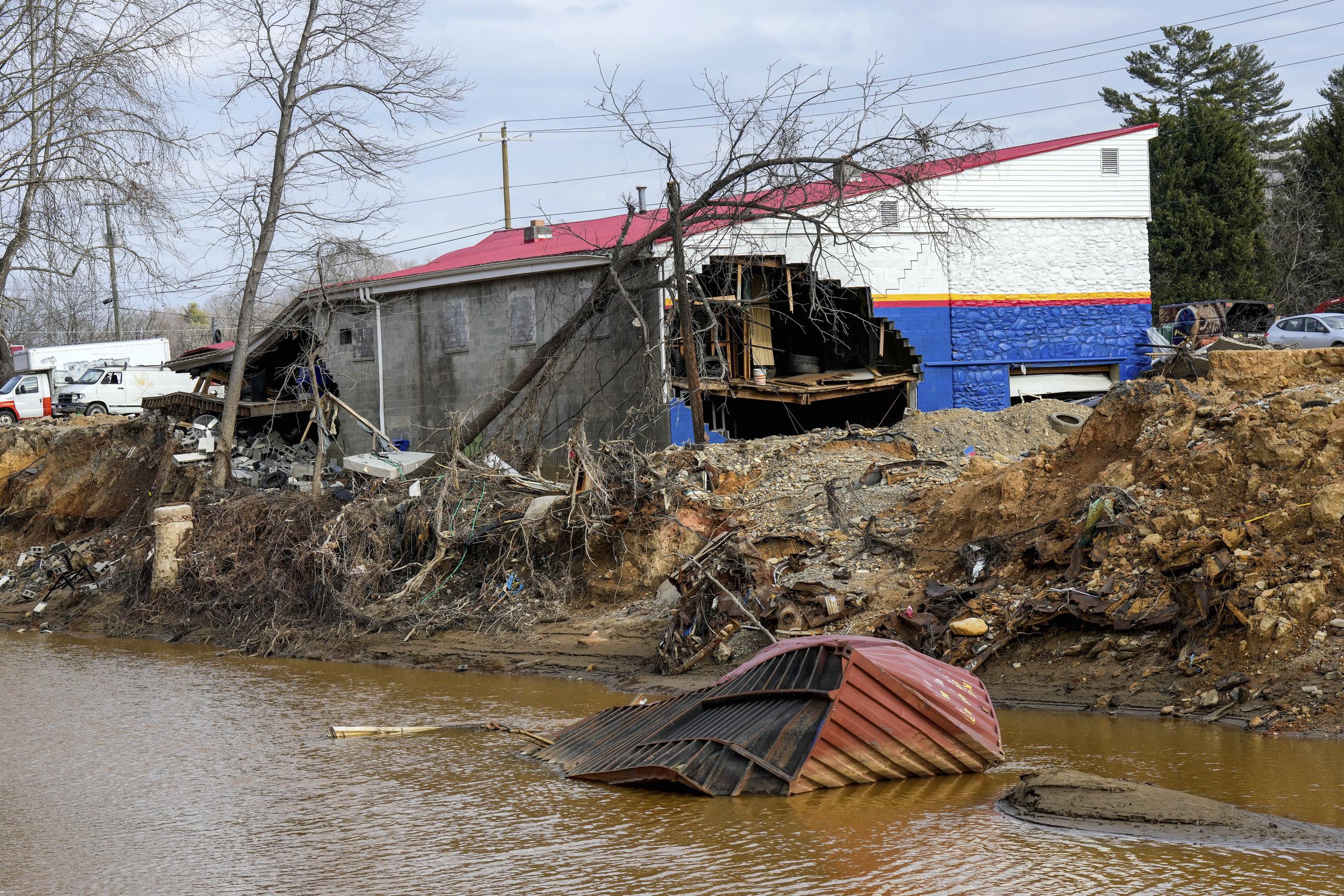
That, though, was not Trump’s only ghoulish linkage of legitimate claims to politics. He also repeatedly warned that he would tie federal disaster aid to Republican wins and would punish states that elected Democrats. He first did that at a Sept. 16 rally in Gastonia, North Carolina, with the state still recovering from the damage wreaked by Hurricane Helene in 2024 and unhappy over the slow pace of aid.
Trump acknowledged the need for “some additional money” and promised to provide it—but only if Republican Michael Whatley wins the Senate race. “Now, if Michael loses, I'm not sending it,” he said, quickly adding, “I'm only kidding.”
When he uttered similar threats in other states, he did not suggest he was joking. “When you are president, you have a lot of power over states,” he said 17 days later at a rally in Vandalia, Ohio, stating that he would not take calls from Democrat Amy Acton if she is elected governor. “You just can’t. It’s just human nature. But I’m not gonna help her, probably. She hates me, I guess.”
He delivered the same message on Oct. 24 at a rally in Perry, Georgia. “A president has a lot of power—a big difference when he likes the people representing a state,” he said. He pledged that if Democratic Sen. Jon Ossoff were to be reelected and then call Trump looking for money for Georgia, he'd respond: “I don’t give a damn what he wants. I’m not in.”
Such a baldly partisan response is alien to governors who served pre-Trump.
Richard Celeste, Ohio’s last two-term Democratic governor from 1983 to 1991, dealt with Republican Presidents Ronald Reagan and George H.W. Bush. He saw politics play a role in his interactions with Washington. “But they were a lot more subtle,” Celeste told National Journal, citing decisions to audit job-training programs only in Democratic-led states and unreturned phone calls during the savings-and-loan crisis.
But he said he never saw partisanship in the response to storms and natural disasters.
“It’s not unusual for an administration to be more forthcoming or have better communications with administrations that are led by a governor of the same party,” he said. “But turning your back on a state is a different matter. And threatening it, it seems to me, is disgusting, but not surprising given this administration.”
He added, “It’s conduct unworthy of someone who says he is serving the people of this nation. And, frankly, I would advise Amy Acton or anyone else not to be intimidated by these tactics,” which he called “like a protection racket.”
William Galston, a veteran of Bill Clinton's White House and now the Ezra K. Zilkha Chair in the Governance Studies program at the Brookings Institution, said he can’t find any precedent for Trump’s threats. “Certainly, nothing this egregious,” Galston said. “It seems quaint now that Richard Nixon had a personal enemies list. But he didn’t have an enemies list of states.” He added, “If I can recycle a line from the 1990s: Where’s the outrage?”