
ORLANDO, Fla.—The midterm elections are only two weeks away, but when fruit, vegetable, and floral industry leaders gathered here last week for the International Fresh Produce Association’s Global Produce and Floral Show, they avoided discussion of the elections in favor of trying to figure out how to adjust to Trump administration policies.
For decades, globalization had popularized the sale of fresh fruits and vegetables year-round no matter the local weather, but “COVID shook the norm,” said Del Monte President and COO Mohammed Abbas. He said that led to more interest in local sourcing.
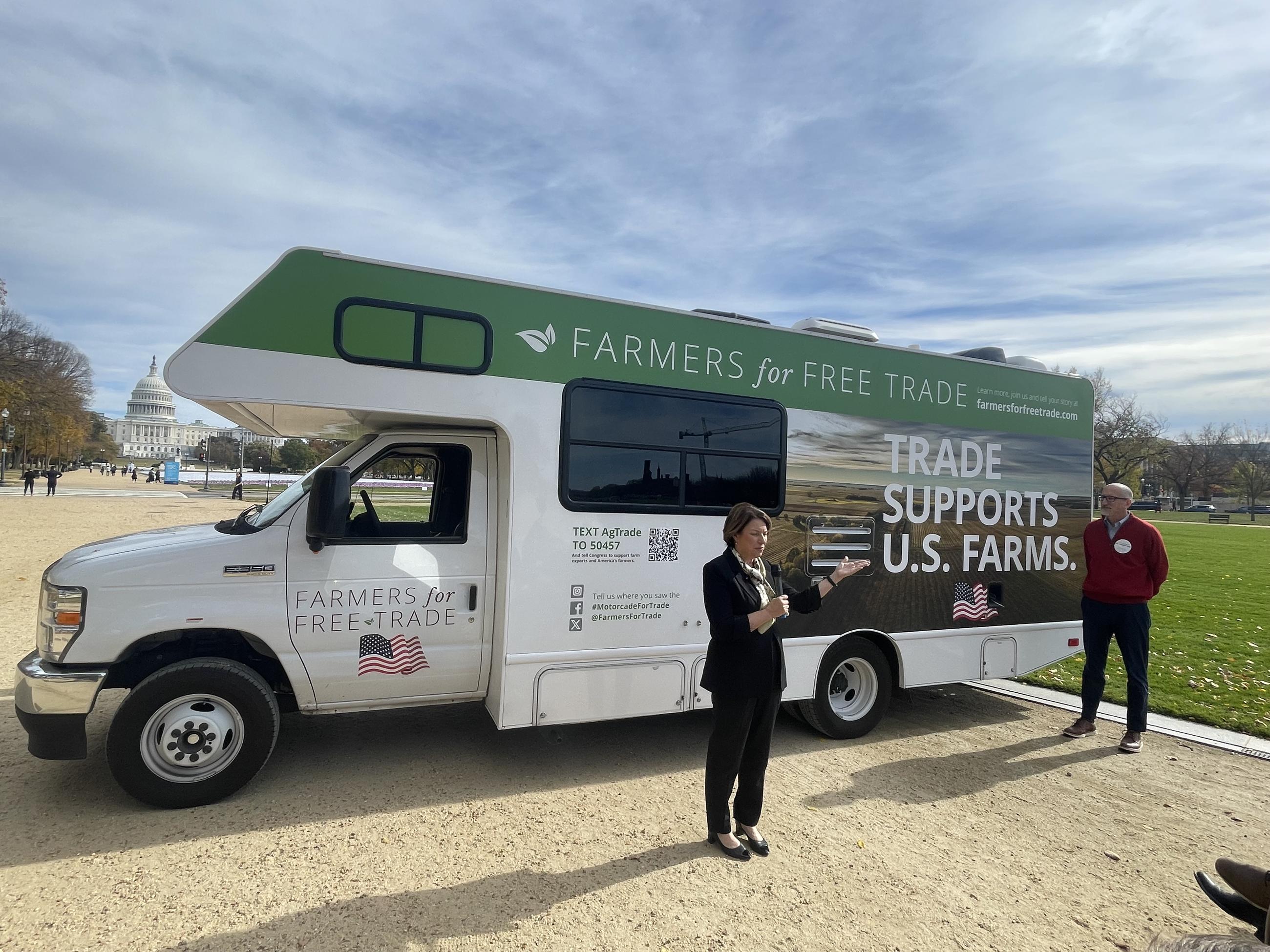
Since then, President Trump’s protectionist view of the world, and the tariffs that he has imposed on other countries, have made the importation of fruits, vegetables, and flowers more expensive and difficult even as consumers expect to find whatever they want whenever they want it. As Patrick Vizzone, the outgoing Hong Kong-based IFPA chairman, put it, “We need the global supply chain.”
High diesel prices due to the war with Iran have also raised the costs of trucking and keeping fruits, vegetables, and flowers chilled. Arjun Chakravarti, the managing partner at Cogknition Analytics, noted that “the futures market is again predicting that the conflict will subside in months,” but pointed out that even if diesel prices recover quickly, it will take longer for fertilizer plants to come back online.
Chakravarti said that Americans are still spending but there are dangers in the economy because growth is concentrated in the Southeast, California, and New York. Furthermore, 50 percent of the increase in consumption is among older high spenders whose stocks are doing well.
The biggest impact on fruit and vegetable purchases in the last year was the reaction to the Cyclospora outbreak caused by lettuce produced in Mexico. Incoming IFPA chair Elyse Lipman, the CEO of Florida-based Lipman Family Farms, said, “U.S. retail produce sales swung nearly 9 percentage points—from 2.5 percent growth to a 6.3 percent decline versus 2025. To put into perspective: This was the sharpest year-over-year decline in over a decade. We are still recovering.”
The tainted lettuce has been removed from the market. The Centers for Disease Control and Prevention and the Food and Drug Administration have both said that produce on sale in the United States is now safe, but consumer trust is still an issue. The FDA has extended the deadline for compliance with the 2011 Food Safety Modernization Act Food Traceability Final Rule until July 2028, but IFPA President and CEO Cathy Burns said: “Lack of transparency and traceability was a key challenge affecting the industry. Frankly, the ‘kick the can’ approach on traceability implementation must stop.”
Burns praised the Trump administration’s Dietary Guidelines for Americans, but so far American consumption of fruits and vegetables remains below nutritionists’ recommendations. Health and Human Services Secretary Robert F. Kennedy Jr. and others criticize ultraprocessed foods as bad for health. But Republicans’ policies restricting access to the Supplemental Nutrition Assistance Program mean low-income Americans are more likely to turn to cheaper, ultraprocessed foods.
IFPA supports programs to serve more fresh fruits and vegetables in the schools in order to establish lifelong consumption habits, but the School Nutrition Association says school-meals programs are so strapped for money they need more purchases from the Agriculture Department.
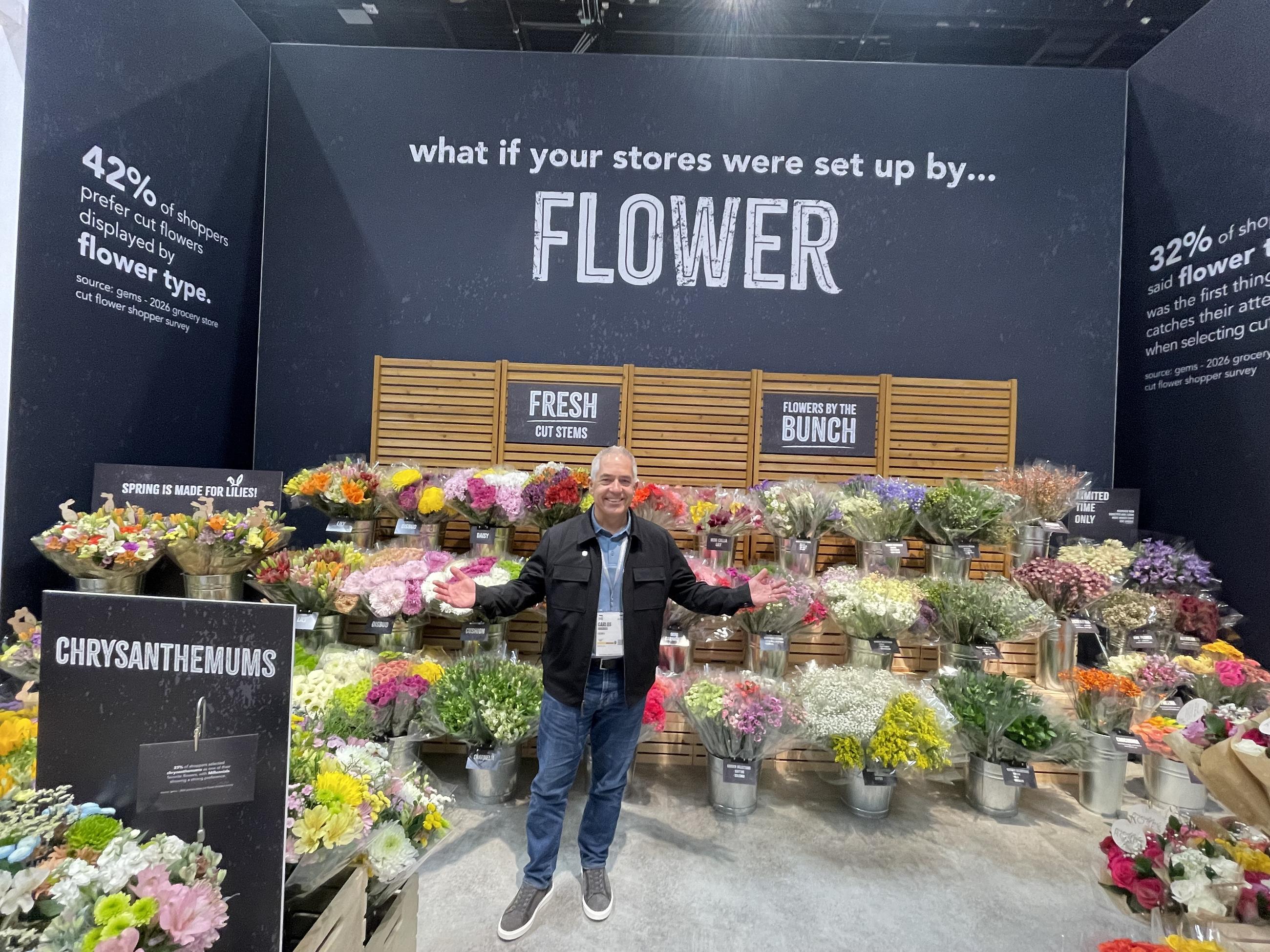
Perhaps the most surprising development in food retail has been a tendency among younger consumers to purchase flowers monthly in grocery stores, even in these inflationary times.
“In produce, Gen Z does not have the habit they do in floral,” said Jonna Parker of Circana, an analytics firm.
But Carlos Oramas of the Miami-based Gems Group, which grows flowers in Colombia and distributes them in the United States, said Trump’s tariffs have made it difficult for the floral industry to benefit from the increased sales. Tariffs have added one dollar to the price of each bunch of flowers sold in American grocery stores, Oramas said, but the industry hasn’t dared pass on the full cost to consumers.
Oramas said he is a Republican but that Trump’s chaotic tariffs have not been the proper trade policy. He hopes Colombia’s new conservative government will lead Trump to reduce or eliminate the tariffs.
Fruit and vegetable growers have long complained that they don’t get the respect that government officials pay to corn, soybean, wheat, cotton, and other row crops whose growers play a big role in politics in the Plains states and the South.
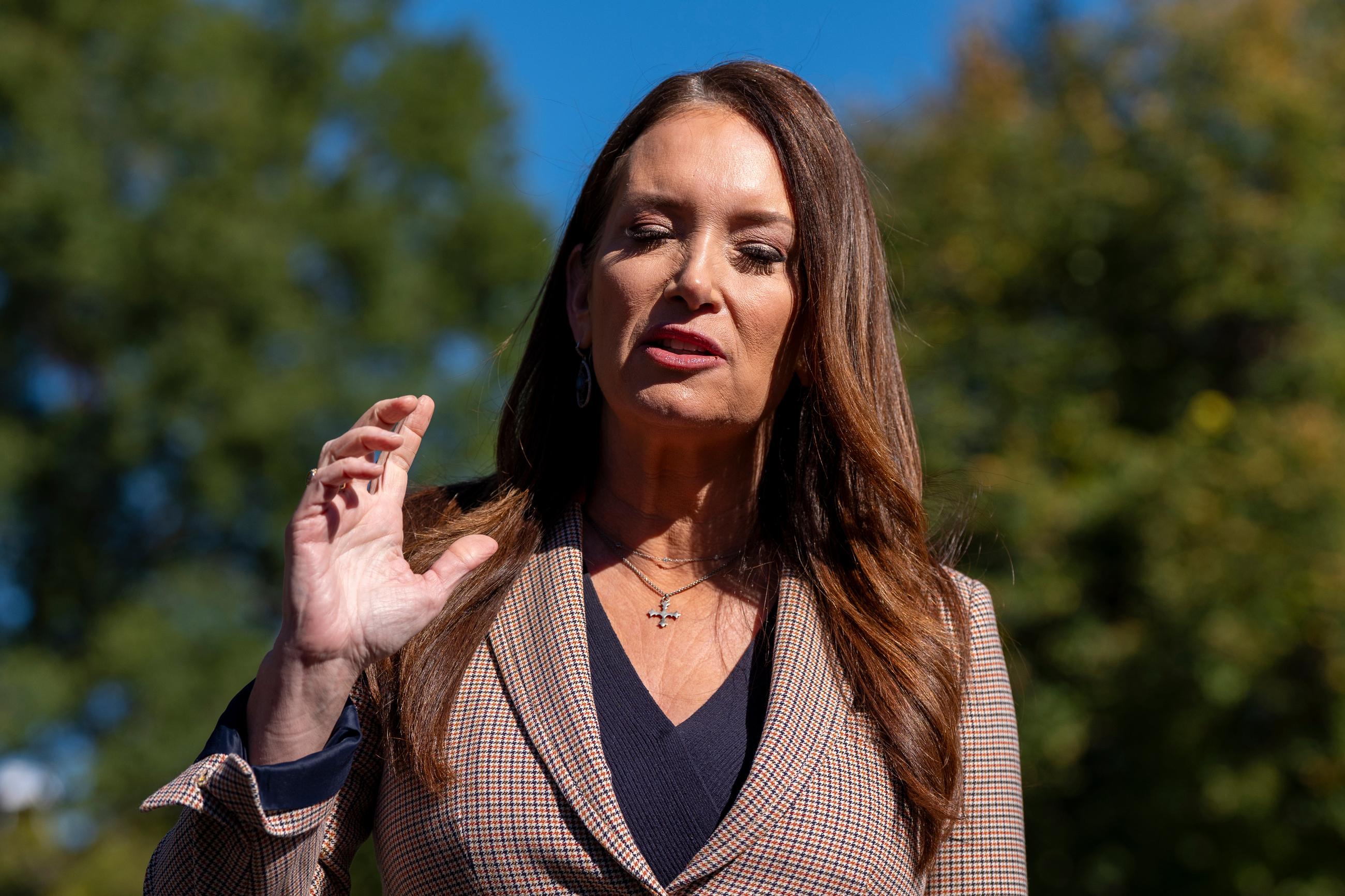
The political power of the row-crop industry was evident on Monday when Trump announced $8 billion in fuel subsidies for farmers at a Kansas rally to help Sen. Roger Marshall, who is in a tough reelection race. Agriculture Secretary Brooke Rollins said payment rates for row crops will be announced in November, but that “payment methodology for other eligible commodities will be announced at a later date.”