
If next month’s midterm elections prove to be a political earthquake, investors probably don’t have to worry. A boom or bust in the financial markets is highly unlikely regardless of the result.
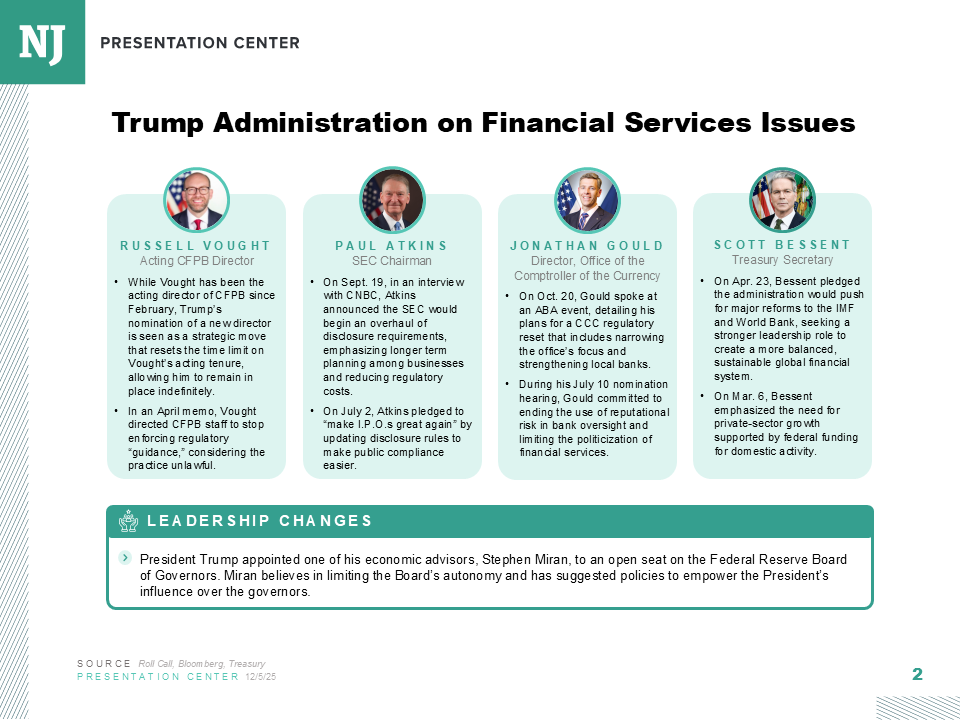
“History suggests that elections often create short-term uncertainty, but they have rarely been the primary driver of long-term market returns,” wrote Angelo Kourkafas, senior global investment strategist at financial advising company Edward Jones.
“Instead, economic growth, corporate earnings, inflation, and interest rates tend to matter far more.”
Most analysts agree. “Elections and political party control in Washington are not the main drivers of U.S. stock prices over time. We think other issues have historically impacted the U.S. market more,” said Kelly Bogdanova, vice president and portfolio analyst at RBC Wealth Management.
Voters will elect 35 senators and all 435 members of the House on Nov. 3. Polls strongly suggest Democrats will win control of the House. The Senate, where Democrats need a net gain of four seats to get a majority, is more of a long shot but not out of the question.
Flipping control in midterms has almost been commonplace in modern times.
Edward Jones found that in the 14 midterm elections since 1970, the S&P 500 has gained an average of 4.5 percent during the month leading up to Election Day. In the next six months, the average return has been 15.5 percent, with gains after each of those elections.
The message to investors, Kourkafas said, is to stay calm and stay confident.
Calm financial markets
Experts see some solid reasons for the ongoing historic pattern:
—A different focus: A bigger concern in the financial world than elections is the path of interest rates. That means watching both the Federal Reserve and bond markets. The Fed raised its target rates last month and is expected to do so again sometime this year.
The latest Consumer Price Index showed prices going up an average of 3.7 percent in the 12 months ending in September, higher than expected.
The housing market is more impacted by long-term interest rates, and those have been trending up as investors worry about the ballooning federal debt, which is now more than $40 trillion.
“Historically, investors often focus on how election outcomes could affect taxes or regulation," Kourkafas said. "This year, markets appear increasingly focused on what congressional control could mean for government spending, deficits, Treasury borrowing, and interest rates.”
—Gridlock: Even if Democrats control both chambers of Congress, President Trump’s term doesn’t end until January 2029. He can veto most of the initiatives he doesn’t like, and it’s unlikely Congress could get the two-thirds majorities to override a veto of major tax and spending legislation.
That inertia is often good news for markets. Bogdanova found that “the market has welcomed certain forms of gridlock in Washington … but not always."
“Markets don’t like uncertainty or sweeping changes. The absence or lack of them can provide a more stable environment for businesses,” Kourkafas said.
RBC studied split control back to 1953 and found S&P performance has been best in divided government when Democrats were in the White House but the parties split control of Congress, or when a Democratic president served with an entirely GOP-controlled Congress.
“By contrast, returns have been more muted with a Republican president and either a split or Democratic-controlled Congress,” Bogdanova found.
She did caution, though, that “there’s not a lot of data” on split control, even going back 100 years.
—No surprises: Markets look ahead, and have already anticipated that Democrats will do well in the midterms. What rattles investors are surprises.
“If the election results align with current expectations, market reactions may be relatively muted because investors have already had time to incorporate those scenarios into asset prices,” Kourkafas said.
But, he said, “outcomes that differ meaningfully from current expectations could produce a sharper short-term market response as investors reassess the likely policy landscape.”
It would be a surprise if Republicans maintained control of Congress, he said, and the financial and corporate worlds would probably rejoice at the prospect of lower taxes and eased regulation. But that would hardly trigger a major market change, since it would be largely continuing the status quo.
Should investors worry?
Elections are just one part of investors’ equation.
“Strong earnings, resilient business investment, and heavy AI-related capital spending have so far outweighed concerns about high energy prices, tariffs, inflation, and interest rates,” Kourkafas said.
Strong markets, he said, “may also leave less room for the outsized post-election gains that have often followed weaker midterm years.”
What many advisers are urging is to keep an eye on several other factors that drive performance.
“We focus on domestic economic and corporate earnings fundamentals, and specifically on indicators associated with recession risks," Bogdanova said. "It’s recessions that are usually responsible for ushering in equity bear markets."
“We see recession risks being pretty low right now,” she said, though that could change quickly.
The nation’s economy grew at a 2.2 percent pace in the second quarter after a 2.5 percent increase in the first quarter. Most analyses see slow, steady growth ahead.