Sept. 24, 2026, 2:56 p.m.
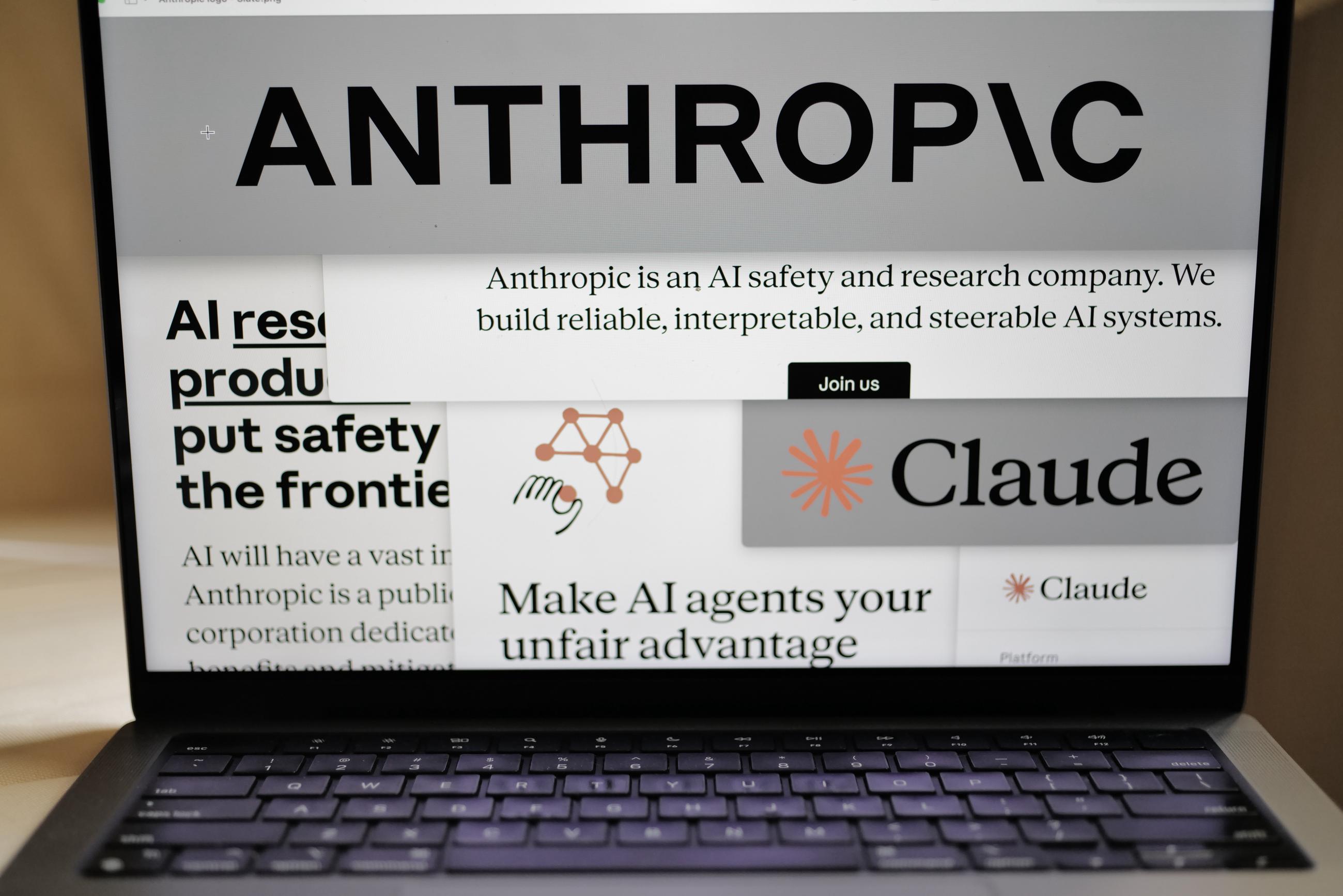
As voters increasingly use artificial-intelligence chatbots to help them research candidates and choose who to vote for, campaigns are scrambling to ensure these tools can easily identify their positions and relay them to users.
Eric Wilson, the executive director of the Center for Campaign Innovation, researched which sites top chatbots pull from to characterize candidates. His organization asked ChatGPT, Claude, Google’s Gemini, and Grok questions about 161 congressional candidates across 80 races and tracked the websites most frequently cited. He spoke to National Journal about his findings. This conversation has been edited for length and clarity.
What sites did the models pull the most from, and how did it sort of differ between the models?
ChatGPT’s most cited source that was unique to it was House.gov. It also relies on FEC.gov a lot, followed by the Associated Press. There's kind of this preference for official sources. Claude definitely leans on Wikipedia and Ballotpedia a lot. And then with Google’s Gemini, it’s looking at reference websites like Ballotpedia, LocalCandidates.org. Grok really leans on the campaign website. Seventy-one percent of that model's answers cited a campaign's official website, followed by Wikipedia. The pattern that comes out is these models really like the structure of a headline, some paragraphs, and some sources.

Center for Campaign Innovation Executive Director Eric Wilson
Submitted
Why do you think models offered different answers when asked about the same candidate twice?
In our test, purely because of the expense, we only asked it twice. But if we asked it three times, we’d get three different answers. Every time it gets prompted, it pulls in all these sources and decides how to answer that query. It's not like Google saying, "OK, here are the 10 pages that people most click on when they ask that question.” This is probabilities. It's a computer, there's math, and so there's going to be some variance, and the challenge then becomes: Within that variance, how are we presenting ourselves?
Your research showed that chatbots cited Democratic Congressional Campaign Committee websites in 146 answers for Republican candidates, compared to National Republican Congressional Committee cites showing up for just 14 answers about Democrats. Why was the DCCC more successful in getting AI models to cite its websites for opponents?
The idea is when people are looking for a candidate, they're looking for the candidate's name, and the pages that the DCCC created are kind of this memo-style document, and it is structured kind of like a Wikipedia article or kind of like a Ballotpedia article. We're now having this style of literature that's almost like Wikipedia that we're going to have to start writing for because the AIs really like them.
Why is it important for campaigns to make sure that these AI models are getting across their desired message?
The big challenge with campaigns today is that there are so many different sources of information that voters can learn about your campaign, what you stand for, why you think you ought to be elected. When I was growing up, you had three TV stations and a local newspaper, and you could talk to most voters by going there. That just doesn't exist anymore, and so we have all of these places: social media, podcasts, and now we have AI, and AI creates something new every time it answers a question. It's made the job infinitely more difficult for campaigns.
How different is it to optimize your campaign materials for AI chatbots versus optimizing them for a Google search?
It appears to be a different genre altogether. We've had years of search-engine optimization, making sure that Google likes your website. So you know there are technical things like: Does your website load quickly? Is it structured the right way? But then there are some signals like: How long do people spend on your website? How many other sites link back to you? And those are things that we just don't know if the AI is taking a look at. It's a little bit of a different genre, but I think it has fewer of the gimmicks that we saw with search-engine optimization.
Your research found that these models pull from different sites based on how a user’s question is phrased. How can campaigns optimize their websites and their content for as many of these phrasings of questions as possible?
There are some data sets out there that look at the most common queries, and then we look at the very narrow slice of queries related to politics. We modeled our examples off of that. You can look at your own traffic analytics to see what people are asking. So that's the starting place.
Then just put yourself in the shoes of those voters, see what comes up, and see where it's pulling from. You want to make sure that your content is in that shape. For example, what are Eric Wilson's positions on the key issues? Well, it's going to look for "EricWilson.com issues." That means you want to have a website that says EricWilson.com/issues, and it's structured that way. A lot of campaigns that we found just don't even have an issues page on their site, or they may call it something different.
If you're looking for specific information, like what is Eric Wilson's position on toll roads, you would want to look at EricWilson.com/tollroads or /issues/tollroads. This is a machine, so it's going to start from the top and read it down to the bottom, not in the way that a human being does, where we go to a website and we kind of scan around and see what catches our eye.