Aug. 20, 2026, 5:22 p.m.
Matthew Zimmerman knows the struggles of living with type 1 diabetes all too well.
Known as “Matty” by his loved ones, Zimmerman was diagnosed with the chronic condition when he was 5 years old, joining the ranks of more than 29 million Americans who have received a diabetes diagnosis. Over the years, the New York native has battled not only the symptoms that come with the disease, but the logistics of getting consistent access to insulin and the supplies that are needed to treat the condition, including needles and pumps.
Although Zimmerman has commercial health insurance, coverage for essential supplies has been paused for unspecified reasons at inopportune times—including during his high school midterms.
Zimmerman, now 18 years old and heading to Boston College in the fall, has dedicated a large part of his life to raising money and advocating on behalf of diabetes patients. And now, he has his eyes set on another venture: advocating for a Senate bill that would cap the cost of insulin at $35 per month on commercial plans.
“Anyone who doesn't really have this relationship with the disease or doesn't have to deal with it … on a daily basis, just doesn't really get the full picture of just how important it is to have access to these supplies,” he told National Journal. “This is a necessity to live: insulin.”
This is a necessity to live: insulin. ”
—Matthew Zimmerman, type 1 diabetes patient
Just last month, the Senate Health, Education, Labor, and Pensions Committee approved an amended version of the aptly dubbed INSULIN Act, a measure that has garnered sweeping bipartisan support and has the votes to bypass the chamber’s 60-vote filibuster threshold.
But delivering it to the president’s desk for a signature remains an uphill battle. The legislation still lacks a companion measure in the House, while the White House remains mum on whether it will support the bill. Time’s also running out for this year, as Congress has few viable legislative weeks left.
The measure was the product of years of negotiations between competing teams of senators over their respective bills. Sens. Jeanne Shaheen and Susan Collins offered one bipartisan measure, while Sens. Raphael Warnock and John Kennedy filed another.
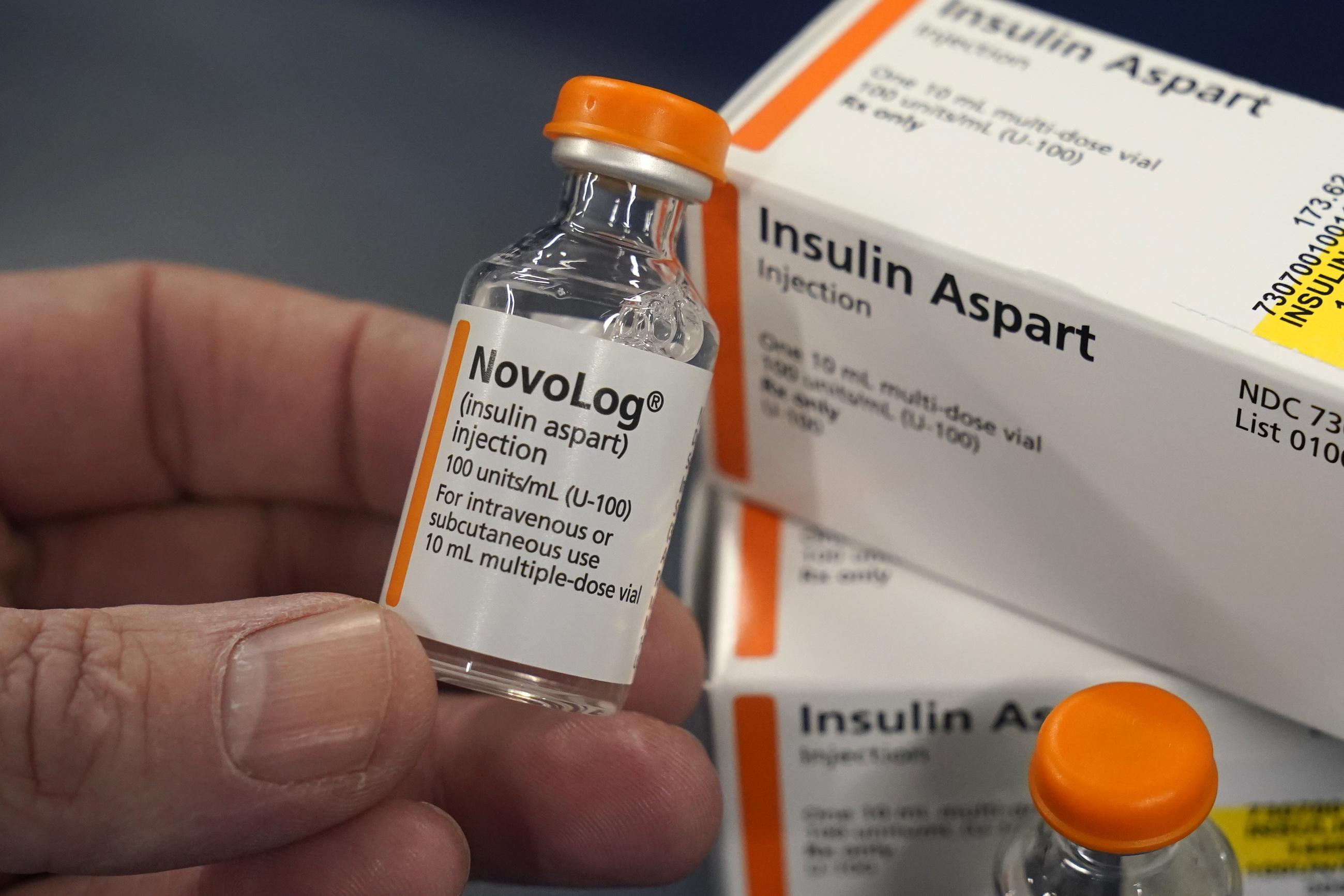
They reconciled their differences this year into one bill, which would cap the costs of insulin at $35 per month for private and employer insurance plans, and create a pilot grant program for some states to provide uninsured diabetes patients with insulin at the same price. The bill would also establish an insulin resource center and a hotline for uninsured patients.
The bill has the support of several Republicans, with 14 GOP cosponsors. If all 47 Democrats support the measure, it would clear the filibuster hurdle.
While some in the health industry argue the bill creates unnecessary regulatory frameworks and could raise the costs of care, there hasn’t been a large lobbying campaign against it. One health-insurance executive who spoke to National Journal argued the meat of the bill represents what’s already happening among insurers and in several states that cap the cost of insulin.
Medicare’s prescription-drug program also has a $35 cap, which was signed into law through the Inflation Reduction Act in 2022.
“We don't think this is a necessary policy that is going to materially change cost-sharing for patients of commercial insurance,” the health executive said.
The executive noted that congressional staffers have speculated about the bill’s political messaging opportunities in a campaign season when lawmakers are desperate to deliver any wins on affordability.
Insurers may have bigger fish to fry. The health executive noted that the industry is bracing for other changes that may take priority, as state and federal legislators look to bring more transparency into costs amid affordability concerns and enact further oversight of health-insurance companies.

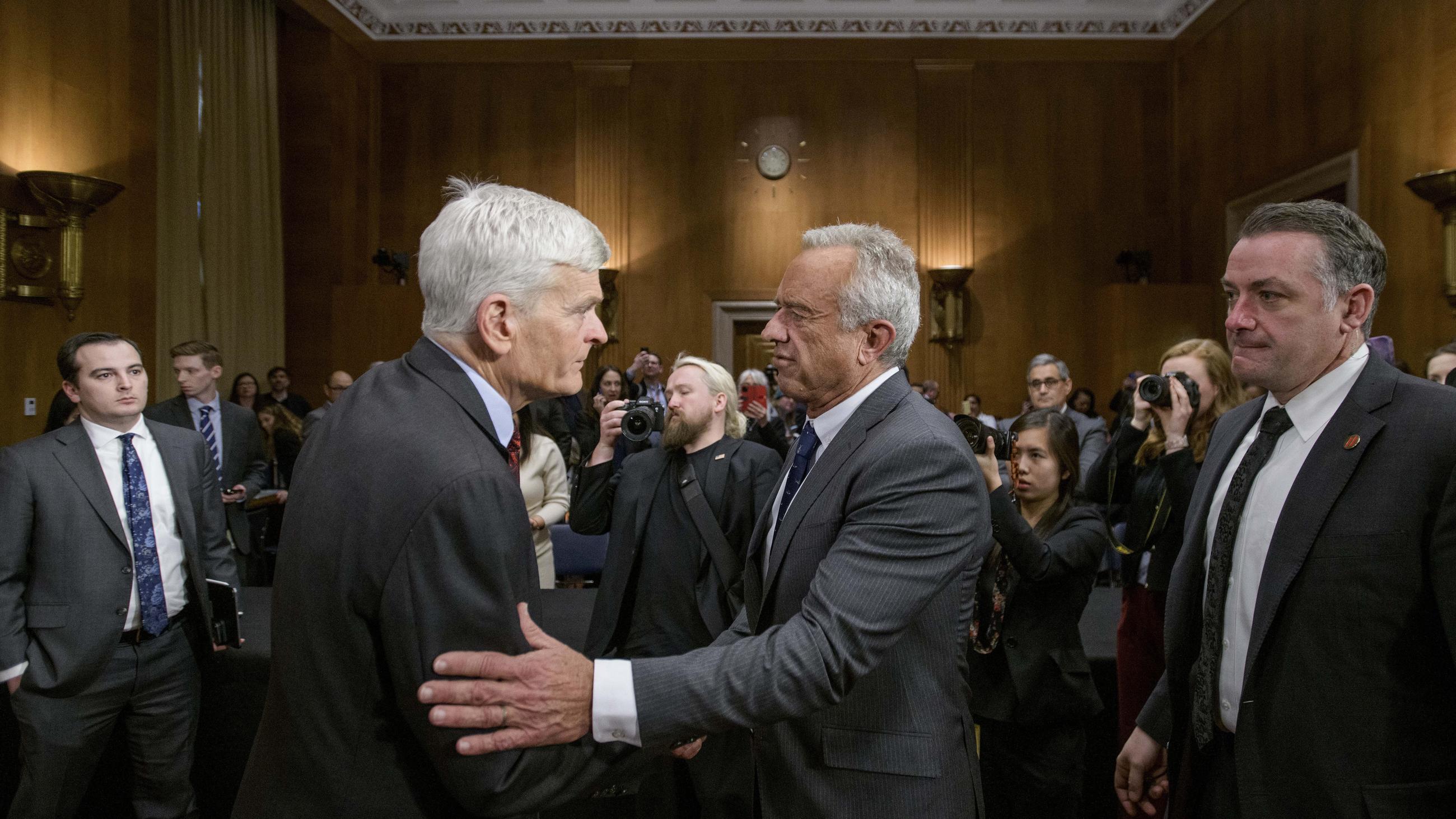
Senate Health, Education, Labor, and Pensions Committee Chair Bill Cassidy, with Sen. Bernie Moreno
(AP Photo/J. Scott Applewhite)
During last month’s markup, the bill advanced out of committee 17-5. The measure was also amended to include a provision introduced by Sen. Tammy Baldwin at the behest of Warnock and Collins, which added back language on the pilot program after it was initially stripped out.
However, HELP Committee Chair Bill Cassidy voted against the amendment and the larger bill, arguing that it needs more work. He asserted that certain language within the INSULIN Act was duplicative, and that the bill still needed a price tag from the Congressional Budget Office.
Whether or not the measure can get a consensus outside of the HELP Committee remains in question. Shaheen said late last month that conversations were still ongoing on the path forward after July’s committee vote.
Rep. Diana DeGette, the Democratic lead on any companion legislation in the House, said last month that she was still searching for a Republican cosponsor and would look to unveil any companion legislation when members come back from the August break. A spokesperson from DeGette's office did not immediately respond to questions asking for any update this week.
House Energy and Commerce Committee Chair Brett Guthrie noted that the committee is eyeing another big health care markup in September and was just starting to take a look at the legislation. With no Republican cosponsor, the measure will have a harder time getting a markup in the chamber.
Furthermore, it’s unclear whether President Trump would sign the measure into law. A spokesperson for the White House did not immediately respond to a request for comment.
The bill could be thrown into a possible end-of-the-year health package, but that’s not a guarantee. Sen. Collins said that given the bill's support, it should be considered on the floor as a standalone measure.
“Why does it have to be attached to any vehicle?” she said last month. “It may get attached to something else, but I would love to see it just go to the floor as a free-standing bill.”
While the measure doesn’t look to cap the costs of other essential supplies, such as pumps and needles, it lays the groundwork for further progress down the road, Zimmerman argued.
“That's just the first step in making access to these supplies and life for type 1 diabetics as normal as possible,” he said.