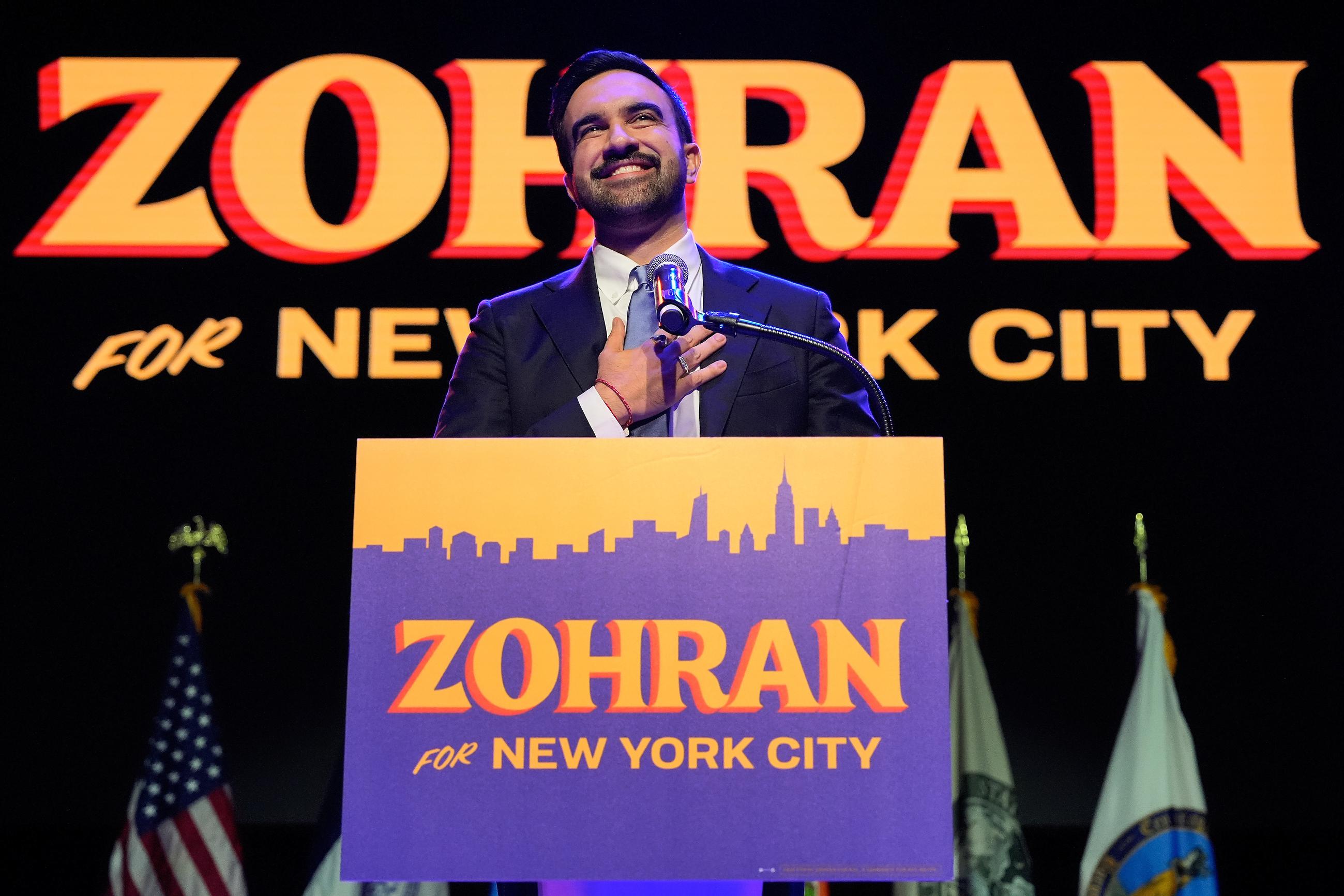

According to the narratives in late July, Abdul El-Sayed and Francesca Hong were about to dominate their opponents by 10-15 points, or more, in their primaries. Neither did. El-Sayed eked out a 1-point victory in Michigan’s Democratic Senate primary, and Hong lost by less than half a point in Wisconsin’s Democratic governor primary. Prediction markets were no better: Going into Election Day, Kalshi and Polymarket gave El-Sayed and Hong at least a 95 percent chance of winning.
Reporters, analysts, and especially social media users treated these outcomes as foregone conclusions for the last two weeks of the campaigns. The inevitability storyline put Hong on a national media blitz that may have ironically contributed to her loss, as she came across as unprepared for interviews. It put a spotlight on El-Sayed’s associations, particularly with controversial streamer Hasan Piker, and triggered constant discussions of his electability.
We have no idea how much, if at all, the assumptions that they would win hurt Hong or El-Sayed, but they certainly damaged the credibility of data and media coverage when razor-thin margins determined both races.
To make matters worse, this week we found out that a poll released one day before the Wisconsin primary was completely fabricated, as was a poll of the Los Angeles mayoral race. “Median Strategies” released its Wisconsin “data” showing Hong leading by more than 20 points one day before the primary. There had been precious little data in the last two weeks, and although some flagged the unheard-of pollster as suspect, the numbers spread like wildfire.
Even before the fake poll, most of the data we had for both races came from internal campaign or PAC polling, which should always be met with skepticism—campaigns and PACs release data to influence donors and narratives. The problem was that little public polling existed to balance the internal data. That was particularly true in Michigan; in Wisconsin, the Marquette University Law School poll was active, but it did not poll during the final weeks of the race.
Three main reasons have been floated to explain the polling misses so far: 1.) Pollsters overestimated young voters as a share of turnout; 2.) enthusiastic progressive voters might have answered polls at higher rates; and 3.) pollsters relied too heavily on text or online methods that miss older and working-class populations.
At the same time, so-called “prediction markets” didn’t live up to their claims of being better than polls. They command tremendous attention because they use aggressive social media strategies that portray trade values as concrete predictions, with no warnings about uncertainty or error. They also pay media organizations like CNN and CNBC, and influential individual media figures like Chris Cillizza, to use their numbers in reporting. Say what you will about polling, but pollsters almost never pay for coverage.
These markets claim they get the answer correct more often than polls, but that is disingenuous because the markets run until a winner is declared. Even a “wrong” prediction on the morning of Election Day will shift toward the correct winner as actual votes come in. In the Wisconsin primary, both Kalshi and Polymarket flipped back and forth between Hong and eventual winner David Crowley all night.
In South Carolina’s special Republican Senate primary, a data error just after 8 p.m. made it seem that Russell Fry had vaulted over Ralph Norman into second place. The Kalshi market that predicted an exact finishing order of Darline Graham in first, Norman in second, and Fry in third immediately dropped a whopping 37 points from 76.4 percent at 8:03 to 39.3 percent at 8:07. The error was quickly corrected, and the market shot back up to 76 percent by 8:10. With bettors watching returns this closely, of course the market will end up at the “correct” answer by the time counting is complete.
The collective obsession with polls, poll averages, and prediction markets is damaging the quality of election discourse and coverage. Taking any of these as gospel in races that are thinly polled, or even in heavily polled races with close margins, is fraught with peril. But it’s also catnip for ratings and clicks.
The driving force behind this kind of coverage and narrative development is that everyone wants to know what will happen. Humans don’t like uncertainty, so telling people that there is a pretty certain outcome drives a lot of attention. Overconfident operatives and campaign supporters will happily support a winning narrative for their side, providing even more fodder for the media.
In the end, there’s still no way to know for sure who wins until the votes are counted. We damage public trust, which is already at bargain-basement levels, when we pretend otherwise.
Contributing editor Natalie Jackson is founder and principal of Centerline Research and Strategy.