July 30, 2026, 3:34 p.m.
Sen. Bill Cassidy is arguably the most prominent GOP critic of the Trump administration’s vaccine policy. But he’s still voting to advance the White House’s health nominees who come before his committee—even those who have made anti-vaccine statements in the past.
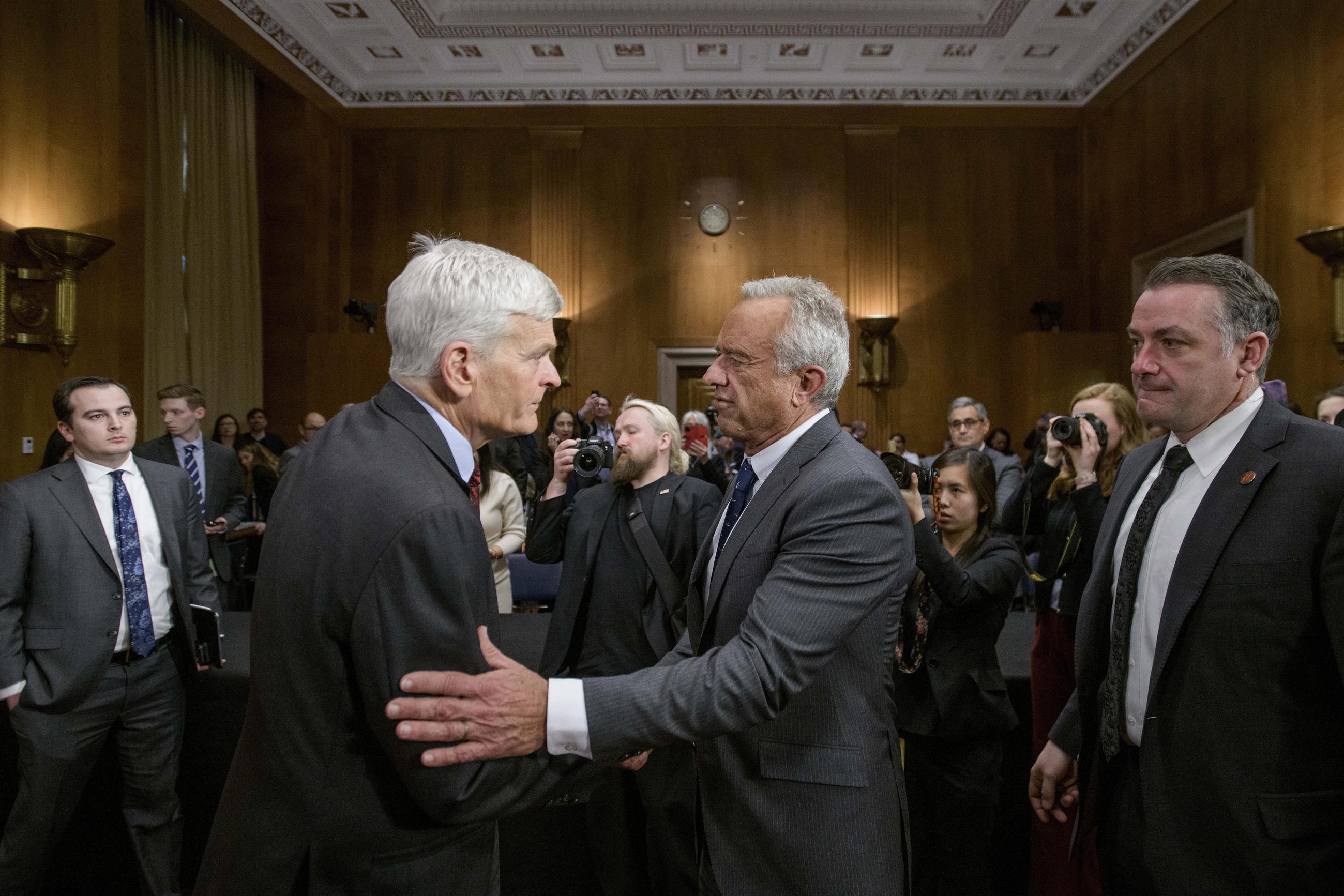
During a Senate Health, Education, Labor, and Pensions Committee session Thursday, Cassidy, the chairman, voted to advance Erica Schwartz, President Trump’s pick to lead the Centers for Disease Control and Prevention, along with Sean Kaufman, the nominee to lead the agency responsible for planning for the next pandemic.
During his opening remarks last week, the chair said he would support Schwartz after holding a private meeting with the nominee following this month’s confirmation hearing. After negotiations with Health and Human Services Department officials this week, Cassidy said he would vote to confirm Kaufman, despite what he called “pretty stupid” and “irresponsible” past anti-vaccine statements from the nominee.
"After multiple conversations with senior HHS officials, several actions have been taken and will be taken to address these concerns, including key personnel changes and better oversight to ensure that science, not ideology, is driving decision-making,” Cassidy said Thursday morning.
This was the first set of controversial health nominees to reach his committee since Cassidy lost his primary for reelection in May.
Cassidy, a former liver doctor, offered an explanation for his vote that sounded similar to his reasons behind confirming HHS Secretary Robert F. Kennedy in 2025. The Louisiana Republican sounded convinced HHS can live up to the promises that have been made to him in exchange for his vote on Trump’s nominees—despite the many promises that have been broken.
The outgoing senator may be playing a longer game in his ongoing feud with Kennedy—putting faith in new leadership at HHS to steer the department toward different rhetoric on vaccines, while threatening to tank lower-level HHS nominees if the department doesn’t comply.
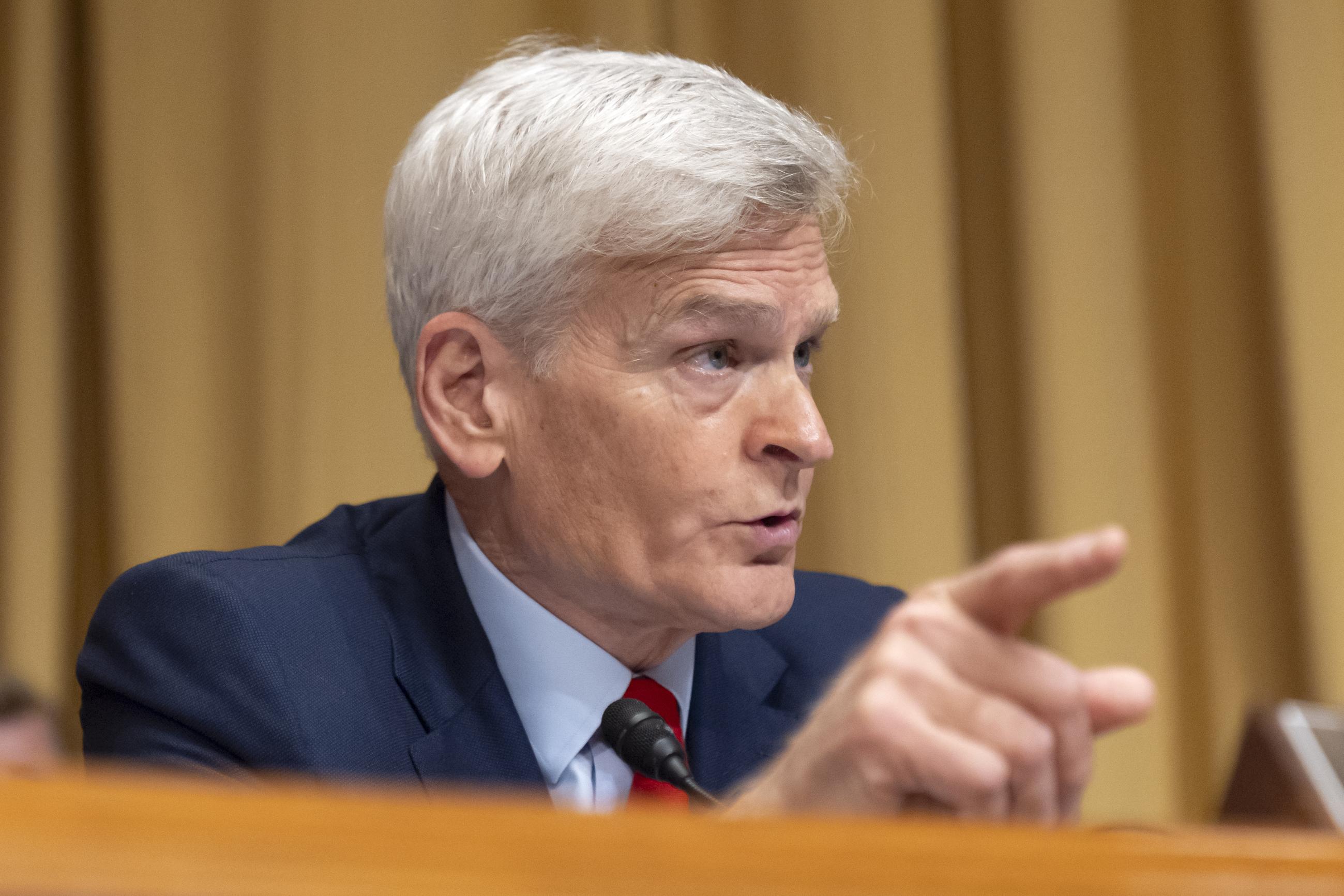
Cassidy speaks as Secretary Kennedy appears before a Senate Finance Committee hearing in September 2025. (AP Photo/Mark Schiefelbein)
ASSOCIATED PRESS
What Cassidy wants
Cassidy has found new leverage and political freedom since losing to a Trump-backed candidate in May, frequently bucking the president and criticizing the administration over the Iran War and its proposed "anti-weaponization" fund.
As Cassidy considered two nominees to lead major health agencies facing upheaval amid chaotic cuts, the silencing of career scientists, and plummeting morale, he has been looking for assurances from the administration that it would further tamp down on its anti-vaccine decision-making. This week, he spoke with Chris Klomp, Kennedy’s top aide, about assurances he would need before confirming Schwartz and Kaufman.
In opening remarks at Thursday morning’s hearing, Cassidy outlined the various assurances he received from HHS—first, that Kaufman would “not be involved in vaccine policy,” nor be the ultimate decision-maker on mRNA research due to his past statements undermining the safety of the technology used to create the vaccines. According to Cassidy, the administration also has committed “to continuing to work to remove vaccine misinformation” from the CDC website.
During brief opening remarks at a committee meeting last week, Cassidy pointed to a modification on the website made by HHS that removed language indicating that the heading "vaccines do not cause autism” was there only because of a previous deal made with the HELP chairman.
The move, Cassidy said, was a “sign of good faith” that paved the way for him to support Schwartz.
However, the website still states that the claim “vaccines do not cause autism” is “not an evidence-based” one, and that studies supporting any link have “been ignored by health authorities.” Those statements go against decades of research debunking any link between vaccines and autism.
As of Thursday, no further changes have been made to the website.
Cassidy was frank in his public threat to HHS: If these promises are not kept, future nominees who come before his committee will be used as leverage points to assert pressure.
Whether or not HHS—more importantly, Kennedy—would look to keep these assurances is in doubt, especially as Trump has reportedly pushed Kennedy to do more to find a link between vaccines and autism.
Cassidy has been down this road before. Prior to granting Kennedy the key vote for his eventual confirmation, he laid out a series of promises the now-HHS secretary has since broken: that he would maintain a key CDC vaccine panel in charge of the childhood vaccine schedule, and keep statements on the agency’s website that assert vaccines do not cause autism.
Cassidy himself has voiced unease over whether he can trust the words of an administration that has grown comfortable with lying to members of Congress.
“You have to find somebody within the administration that you trust,” he said Wednesday. “And that's what I'm searching for.”
On top of that, the current slate of health nominees who depended on Cassidy’s vote haven't been saying what Cassidy wants to hear during their hearings, refusing to directly answer whether they would look to block the HHS secretary from pursuing his anti-vaccine agenda.
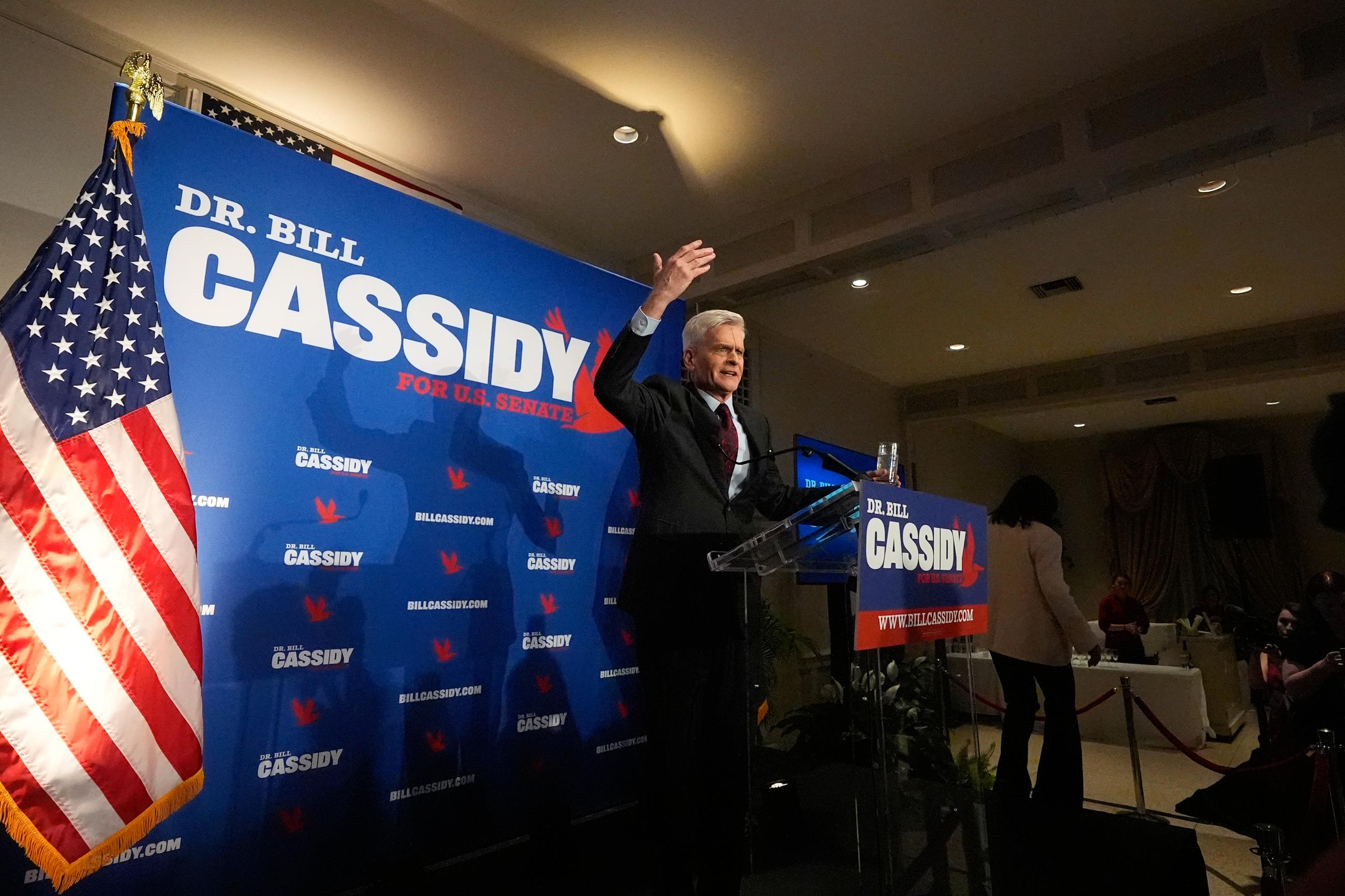
Cassidy speaks to supporters during an election night watch party in Baton Rouge, La., on May 16. (AP Photo/Gerald Herbert)
AP Photo/Gerald Herbert
The political math behind Cassidy’s vote
Senators, aides, and others familiar with Cassidy's thinking assert that he’s choosing his battles wisely with the limited time he has left in the upper chamber—and accepting the losses from previous battles he’s waged.
Fresh off of a reelection loss in May, he didn’t seem fazed by the fact that his nearly 12-year career in the Senate would be coming to an end.
Instead, he visibly appeared to be in a lighter mood, as if the pressure of the world had evaporated. After nearly a year of holding back his criticisms of the president, Cassidy let loose on the administration days after losing his election—including on the HHS secretary, signaling that he would look to hold Kennedy “accountable.”
And the current climate is favorable to pressure Kennedy to bend. Rumors about Kennedy’s potential departure from HHS have been circling around Washington for months, though they have been denied. HHS’s priorities on vaccines and pesticides have been sidelined ahead of the midterms. Recent reporting also points to Kennedy's detached approach toward running HHS, despite several infectious-disease outbreaks.
But whether the administration will make good on any promises to lawmakers remains in doubt. Some of the assurances given to Cassidy run counter to Kaufman’s designated responsibilities leading the Administration for Strategic Preparedness and Response if he were to be confirmed, and it’s unclear how vaccine decisions would be delegated once he assumes the job.
While Kaufman would not be in charge of the childhood vaccine schedule, he would be in charge of the Strategic National Stockpile, which provides emergency shots in areas that have become overwhelmed by public health emergencies. And Kaufman would be in charge of an important biomedical research and development center that’s responsible for mRNA research—before HHS slashed nearly $500 million in project funding last year.
Trump has made clear that he believes Congress should yield to the executive branch—not the other way around. And it’s becoming increasingly hard to negotiate with an administration that continues to walk back on its promises with lawmakers.
Consultants and former staffers who worked for Cassidy maintain that his approach toward the public hearings was focused on setting a record for nominees to be held accountable, rather than to prejudge what the nominee will or won’t do once confirmed—and they don't expect him to support a nominee who isn’t qualified, though he did so with Kennedy.
There’s also a legacy to mind. A few days after Cassidy lost his reelection, the now-outgoing senator laid out a wish list: preventing Social Security insolvency, passing a foreign-emissions-fee bill, and working on projects that he’ll pass down to other offices.
These last few months in office also may be his last chance to put his stamp on public health. Quelling the chaos of agencies running without leadership may be more important to him than getting the nominee he wants.
While it’s a big task for the senator to get any large overhauls passed into law with five months left in office, he is keeping the door open for other priorities that could be passed.
Still, tensions between the senator and the president he voted to convict in his impeachment trial five years ago haven’t exactly let up.
On the campaign trail, Cassidy looked to emphasize how well he and Trump worked together—pointing to health care measures that Trump has signed into law. He had pinned a picture of himself with Trump in the Oval Office on social media.
Now, not only is that post no longer pinned, the senator has since gotten into a yelling match with the president over the Iran war after voting with Democrats on a war-powers resolution that would call on Trump to withdraw troops until Congress authorizes military force.
The back-and-forth at a closed-door Republican caucus lunch on Capitol Hill last month got so heated that a fellow senator had to pull Cassidy back into his seat.
That didn’t stop Cassidy from flipping his initial vote to advance the war-powers resolution to a "no" after receiving a briefing from the White House.
This points to a larger pattern: Cassidy will voice his skepticism about the administration and its decision-making, but won’t go the distance of being an obstructionist—not in the same way that others in the Republican conference such as Sens. Thom Tillis or Rand Paul may do.
During the first Trump administration, the senator was a reliable conservative vote and largely aligned with the president on the issue of health care.
That is, until he voted to convict the president.
Now, Cassidy seems to have little sway with Trump over the issue that’s been most important to the senator during the president's second term: vaccines.
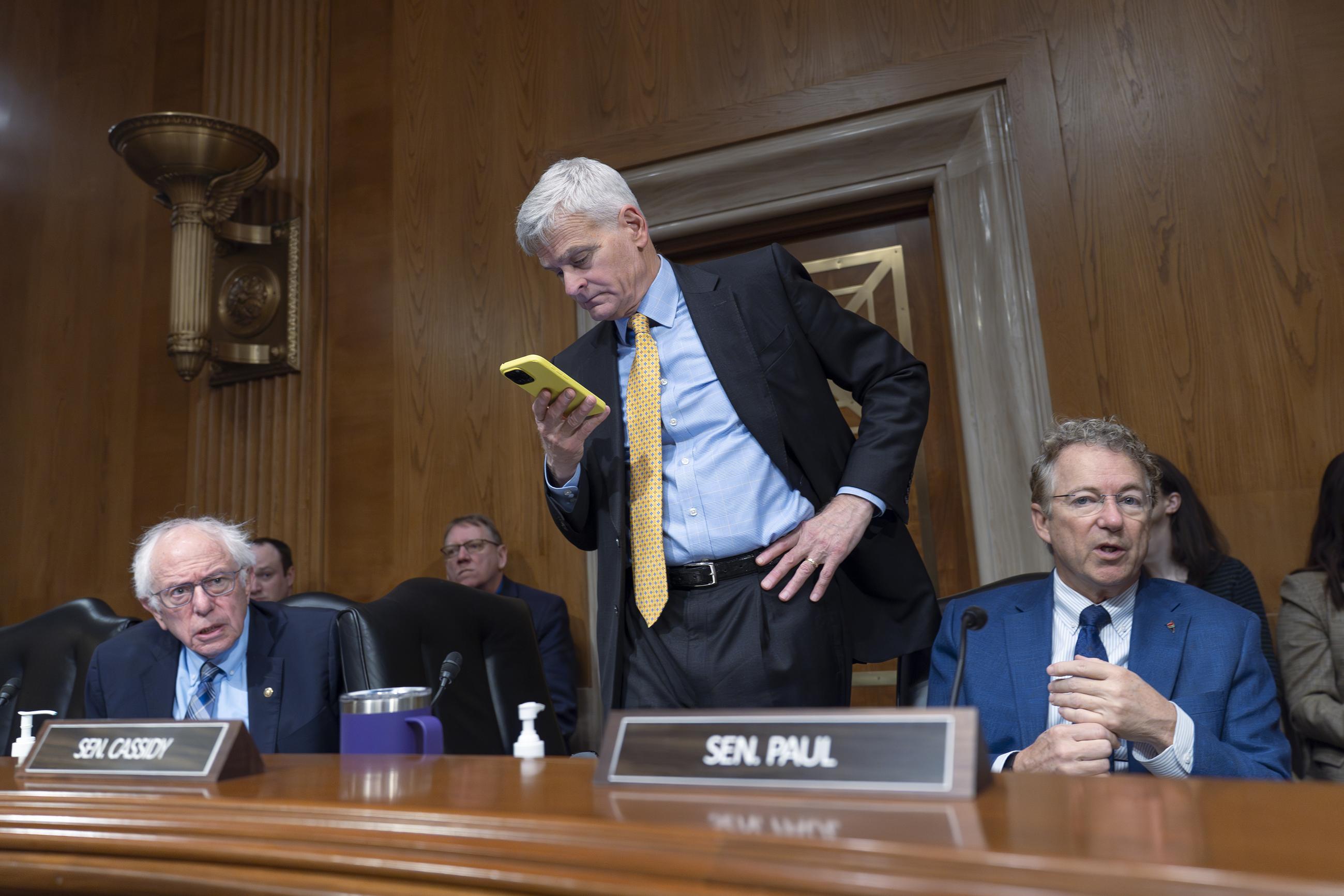
Cassidy with HELP Committee ranking member Bernie Sanders and Sen. Rand Paul (AP Photo/J. Scott Applewhite)
ASSOCIATED PRESS
‘No escaping’ the hierarchy of HHS
The answers that Cassidy and other more moderate Republicans were searching for from the nominees—mainly any reassurance they would act as a bulwark to Kennedy’s anti-vax urges—were not forthcoming, which was not surprising given the reality that the nominees would be working for Kennedy.
“The issues that members had with Schwartz were less about her, and more about the CDC director being a subordinate of the secretary,” said one GOP health aide who spoke with National Journal on the condition of anonymity to discuss more candid views. “There’s no escaping that.”
The aide underlined that the nominees were put in an impossible situation, having been nominated by the White House to serve under Kennedy, but being asked by senators in charge of confirming them to go against their future bosses.
“Nobody is going to say they’ll buck the secretary whenever they feel like it,” the aide said.
The aide and a Louisiana consultant who spoke to National Journal both said there’s no guarantee that the administration would nominate the kind of candidate that moderate Republicans and Democrats on the committee were looking for: someone who would buck Kennedy while still being able to work under the erratic HHS secretary.
“Would I rather have somebody good, who gives me kind of a namby-pamby answer so she doesn't get her nomination withdrawn, or am I mad that she gave me a namby-pamby answer?” one Democratic senator said of the CDC nominee ahead of Thursday’s vote.
Other senators on the panel, however, didn’t see Cassidy’s chastising of the two nominees as particularly helpful.
“Senator Cassidy is disgruntled, and for him this is payback, and that's unfortunate,” said a GOP senator on the HELP Committee. “It's political payback for losing his election, which is sad, because he's better than that.”