
Do Republicans care enough about the farm bill to reach a compromise with Democrats on delaying the implementation of a law that will require the states to pay a portion of food-stamp benefits?
That’s what the battle over passing the farm bill during this Congress has come down to.
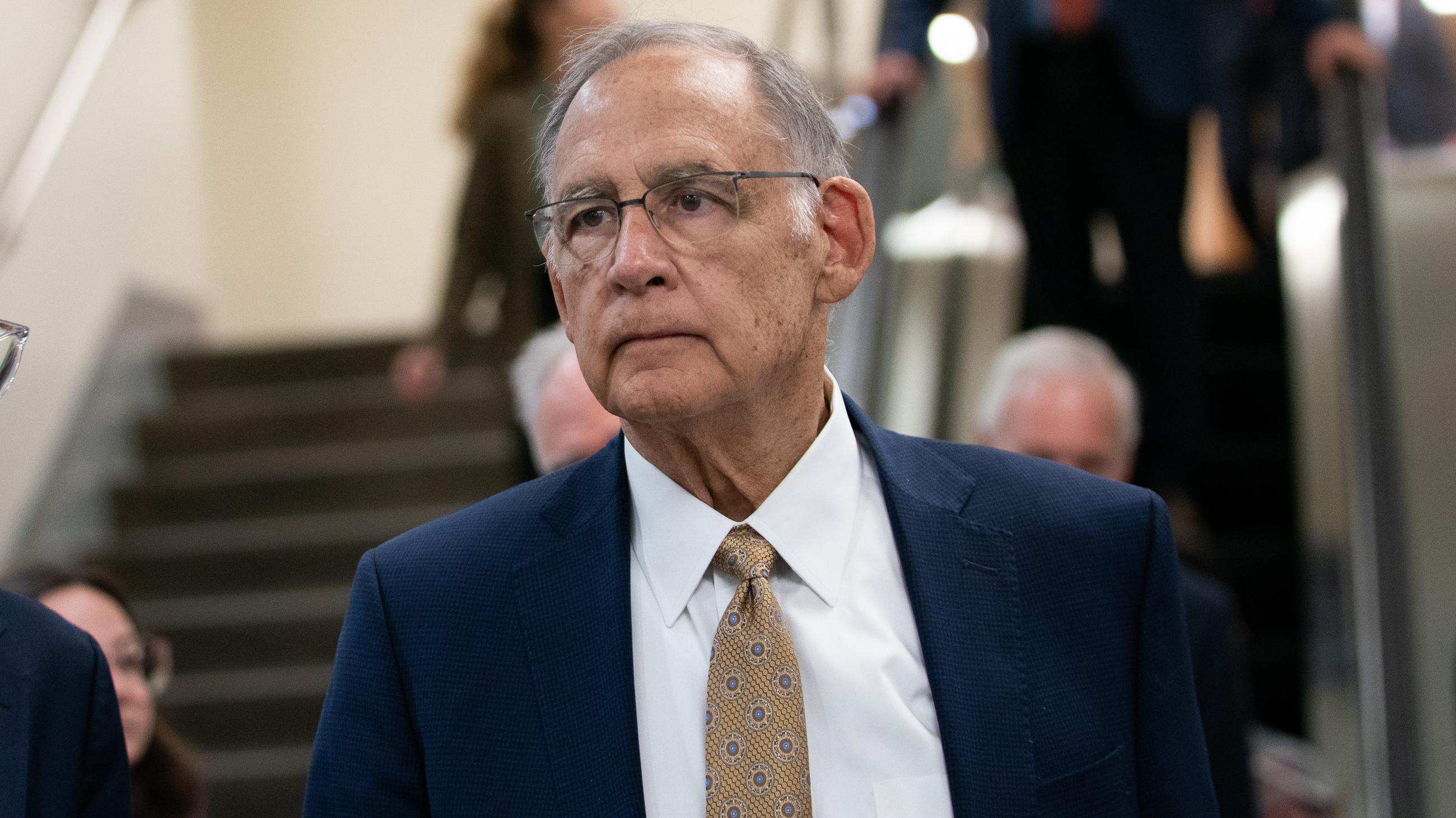
Senate Agriculture Committee Chairman John Boozman has said repeatedly he wants to pass a bipartisan farm bill out of his committee before the Senate departs Aug. 7 for a month-long recess.
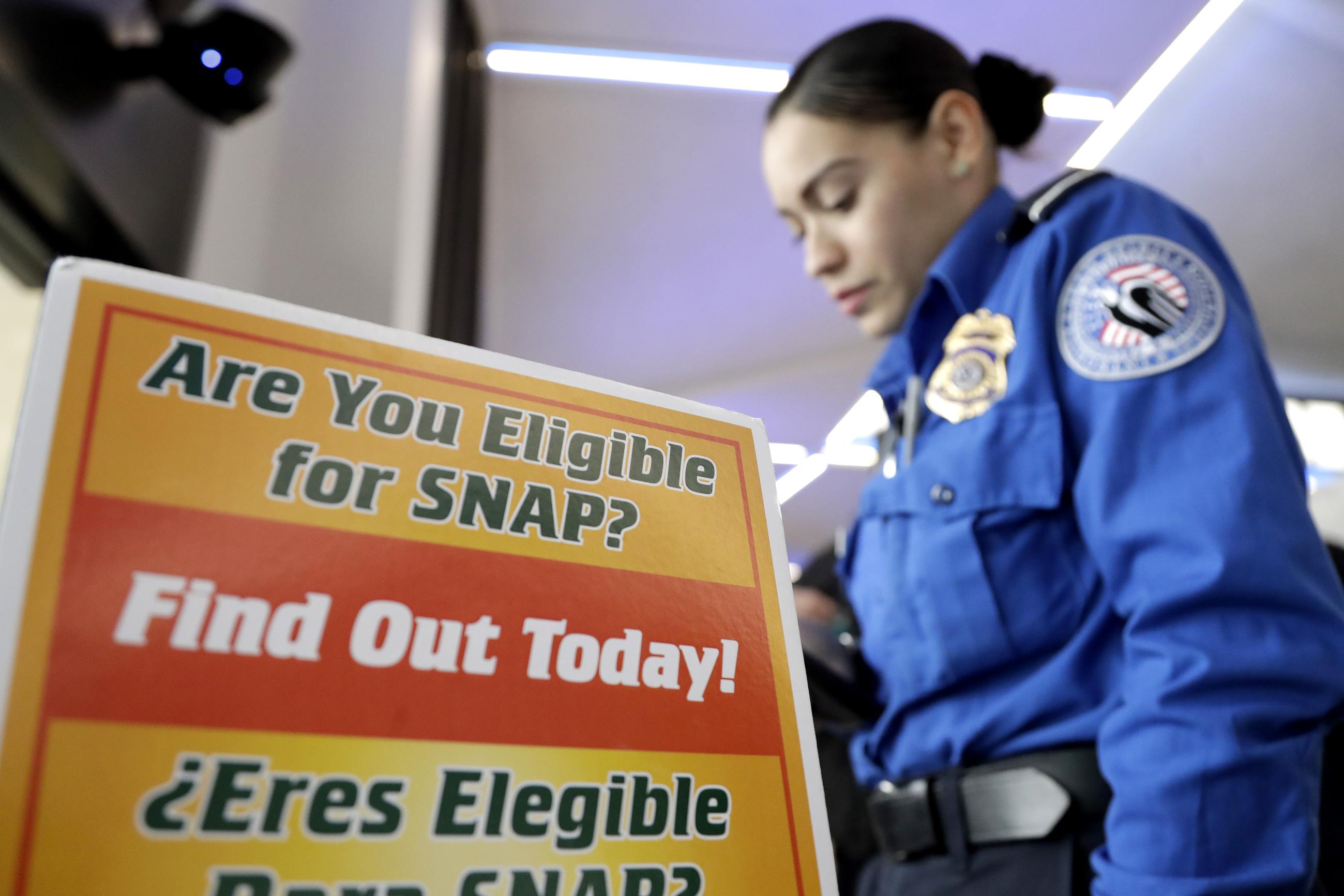
But Democrats say their price for supporting the bill is a delay in the provision in the One Big Beautiful Bill Act that will require states to pay for part of the costs of the Supplemental Nutrition Assistance Program depending on their payment error rate. All states with a payment rate higher than 6 percent will be responsible for 5 to 15 percent of SNAP benefit costs beginning in fiscal year 2027. States with a payment-error rate higher than 13.3 percent were given a delay until 2030 in order to secure the OBBB vote from Sen. Lisa Murkowski of Alaska.
The Food Research & Action Center notes that the provision will require most states to spend millions of dollars per year on SNAP for the first time. The National Governors Association, along with state and local groups, have asked since January that all states get a delay until 2030. Otherwise, state and local officials say they will have to cut other social programs, raise taxes, or not offer SNAP.
Boozman said the states can avoid the problem by bringing down the errors in benefit underpayments and overpayments. The Arkansas Republican has said he is sympathetic to the pressures on the states but that the OBBBA was carefully negotiated and he doesn’t know where the money would come from if Congress delays the SNAP provision.
The House has passed its version of the farm bill, leaving the SNAP state share in place.
There is evidence that some states are already trying so hard to lower their payment error rates that they are simply making it difficult for low-income people to qualify for SNAP. The Center on Budget and Policy Priorities reported that 4.5 million people, including 1.5 million children, have lost SNAP benefits since President Trump took office in January 2025. The New York Times last week detailed the impact on families in Arizona, the state with the steepest drop in SNAP participation.
On a call organized by the CBPP, Andrew Racine, president of the American Academy of Pediatrics, said, “A hungry child is a stressed child. To the extent we make policy today about feeding hungry children, we will have consequences.”
House members and senators are likely to hear a lot about the SNAP issue as they campaign during the August recess. FRAC has sent out an alert to its nationwide action network to “urge your senators to support and advocate for legislation that invests in SNAP, reverses harmful cuts and policy changes and includes these investments in any legislative vehicle.”
Agriculture Secretary Brooke Rollins has said the reduction in SNAP participation signals an improved economy and the fact that states are addressing fraud and abuse. But the situation also raises questions about whether USDA is advising the states properly. On a call last week organized by labor unions and allies in opposition to the administration’s plans to reorganize USDA and move staff outside the Washington area, Cindy Long, former USDA deputy undersecretary for food nutrition and consumer services and former administrator of the Food and Nutrition Service, noted that the OBBBA made the biggest changes to SNAP in decades and asked whether USDA can be successful “in advising states on the implementation while getting rid of staff.”
What’s really missing from this situation is the unity that used to exist among farm, conservation, and nutrition advocates in getting a farm bill passed.
The OBBBA cut the SNAP budget to provide increased subsidies to crop farmers, and the major farm groups have been silent on the SNAP delay. The National Grocers Association, which represents independent grocers, has said that some of its member stores are so dependent on SNAP customers that restricting eligibility may force them to close. But even though SNAP makes up at least 8 percent of grocery purchases nationwide, the larger grocery industry has been quiet in the debate.
If farmers really want their bill and the grocers want to maintain their customers, both may have to step up to the plate and urge Republicans to make a deal.