July 21, 2026, 4:08 p.m.
From multimillion-dollar ad buys to consultant fees, federal candidates are required to disclose where their campaign money went every quarter. Buried among those filings is one of the more revealing—and entertaining—categories: restaurant spending.
Campaigns reported more than $13 million on food in filings with the Federal Election Commission for this election cycle, covering Jan. 1, 2025, through July 16, the agency's latest disclosure period. But the totals were only the appetizer.
Digging into individual transactions shows the restaurants with loyal political regulars or bipartisan appeal, which venues are unofficial party headquarters, and which members of Congress have the biggest appetites.
This analysis focused on direct campaign payments to restaurants and food vendors. To avoid overstating totals, hotel charges, reimbursements, and other indirect expenses were excluded. Restaurant names were consolidated when reported under variations of the same name. Campaign spending at restaurants does not necessarily reflect a candidate's personal dining habits. Payments can cover everything from large fundraising receptions and donor events to staff meals, campaign meetings, or smaller working dinners.
Steakhouses are the meat and potatoes of Washington's campaign dining scene—seven of the 12 biggest recipients specialize in steak or upscale American dining. The rest are mostly staples of Capitol Hill that have become regular stops for fundraising events and campaign gatherings.
The reports also show just how much political clubs matter. The Republican Capitol Hill Club alone received nearly $2.8 million in campaign spending, more than five times as much as the National Democratic Club and almost nine times as much as the nonpartisan Congressional Club.
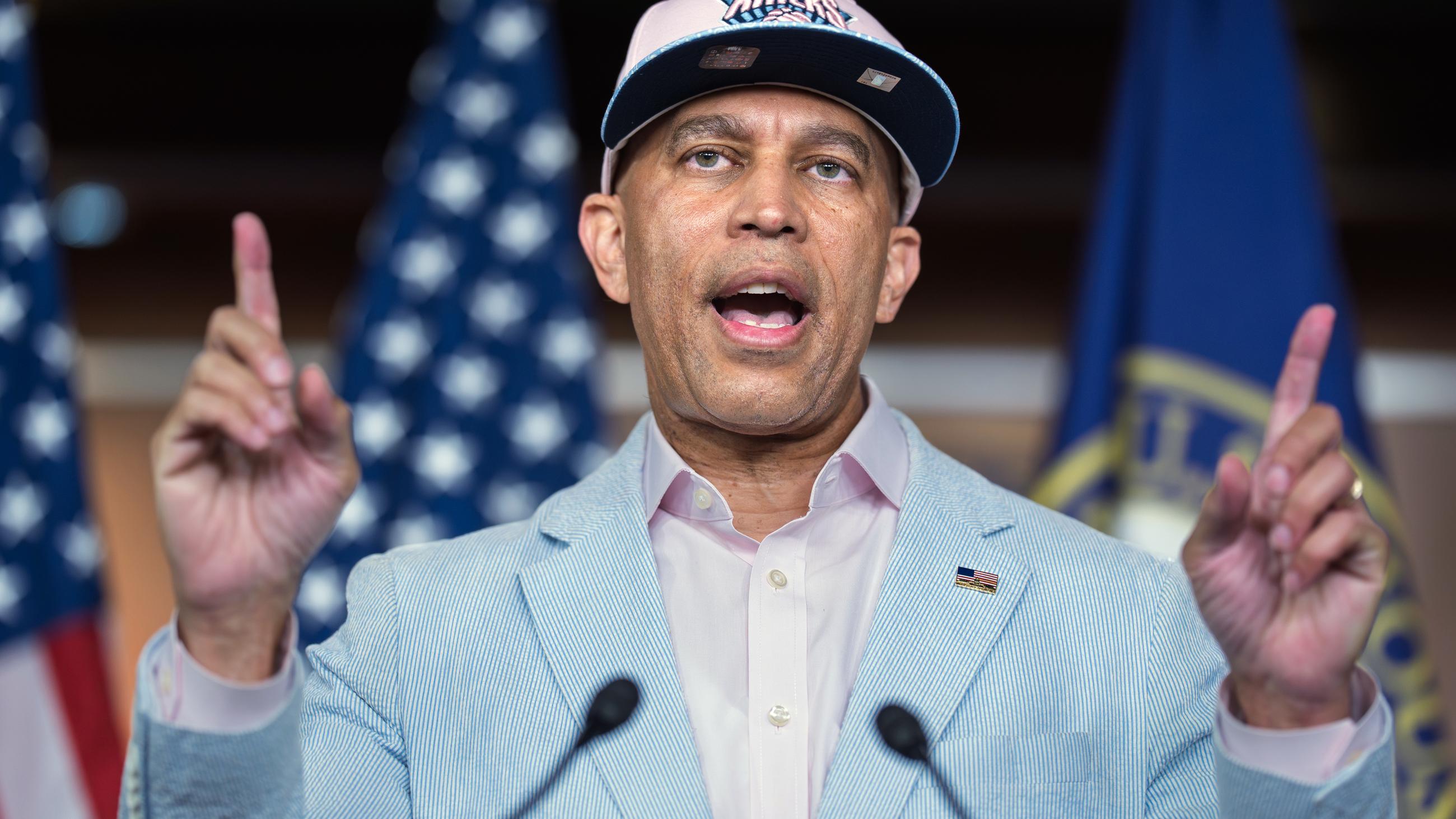
House Majority Leader Steve Scalise was the biggest food spender by a healthy serving. His campaign reported almost half a million dollars in food-related spending. Scalise spent more than the No. 2, No. 3, and No. 4 spenders combined. Eight of the 10 biggest campaign diners are Republicans, though Minority Leader Hakeem Jeffries and Sen. Mark Warner also crack the list. Many top spenders are in leadership or chair powerful committees.
The campaign dining economy tilted heavily Republican. GOP campaigns spent about $3.3 million more on food than Democrats, though this is partially due to select campaigns like that of Scalise, which spent hundreds of thousands of dollars.
While some restaurants attract campaigns from both parties, Democrats and Republicans each have a distinct set of favorites. Democrats spent the most at Italian and contemporary restaurants like Osteria Morini, Paraiso, and L'Ardente. Republicans overwhelmingly favored steakhouses and seafood restaurants, led by The Capital Grille, Joe's Seafood, and Ocean Prime.
Some campaigns had a go-to spot. Reports showed Rep. Laurel Lee’s campaign visited Bullfeathers often enough that the staff may have recognized them. Rep. Tom Suozzi made dozens of Sweetgreen purchases averaging just $18 each, while Reps. Sam Graves and August Pfluger returned repeatedly to The Capital Grille, where the average payment topped $600 and $480, respectively.
A handful of fundraising events generated massive individual restaurant bills. Franklin Hall hosted the largest single campaign restaurant payment during the period analyzed—a $41,535 reception paid for by Senate Minority Leader Chuck Schumer's campaign. Osteria Morini appears twice among the three largest restaurant payments, through events hosted by Jeffries and Speaker emerita Nancy Pelosi.
No matter the occasion or event, one thing is undeniable: Washington politicians spend a lot of campaign money on food. Those expenditures provide a detailed menu of political life, from multimillion-dollar fundraisers to $18 Sweetgreen orders. With the next FEC filing deadline on Oct. 15, there will be plenty more to chew on.