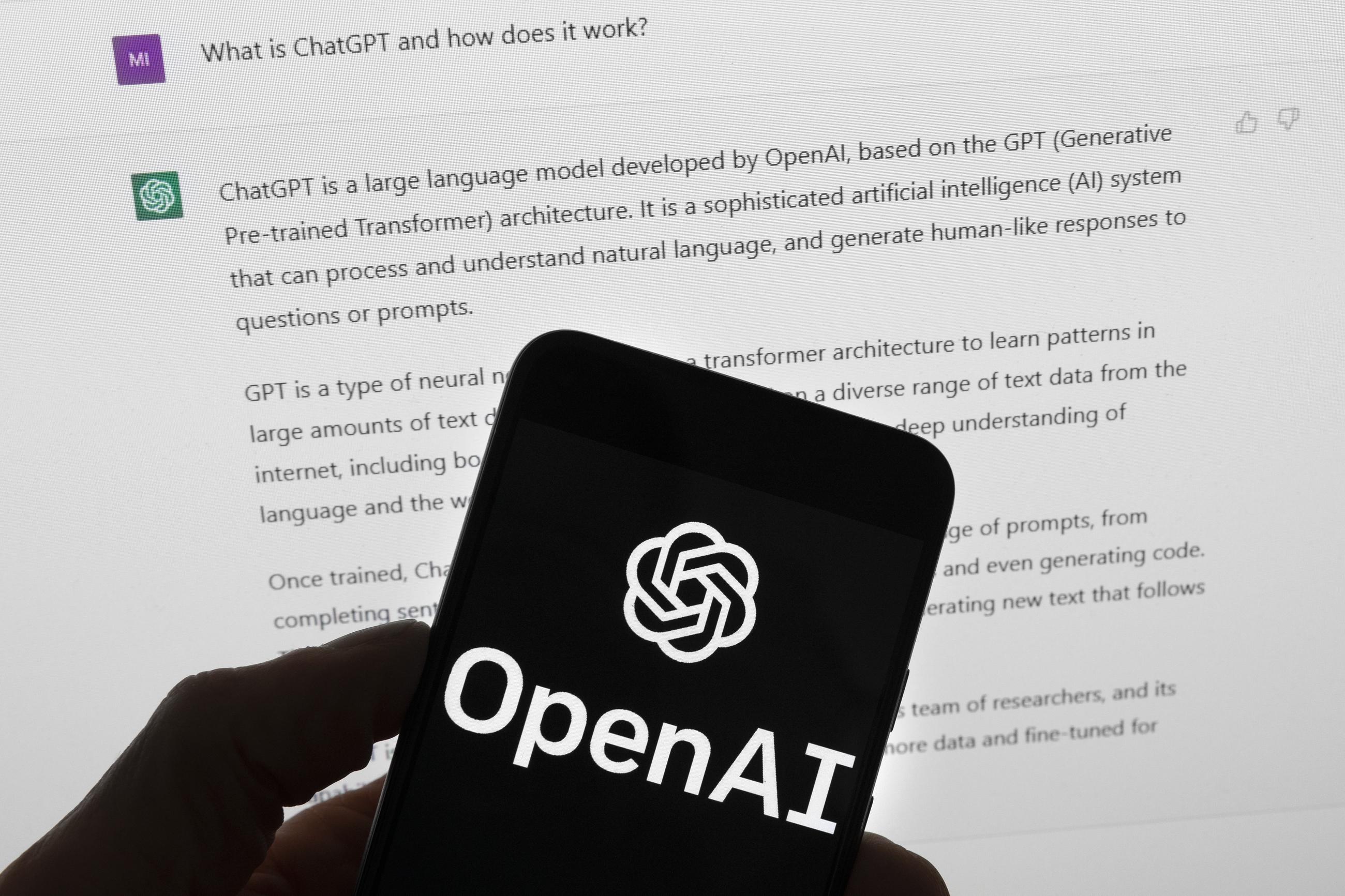

As states navigate potential threats to their election infrastructure, artificial intelligence is poised to help—or harm.
At its core, AI is able to parse through large amounts of information much more quickly than humans can. In the cybersecurity context, that means it can hunt for vulnerabilities across millions of lines of code. This allows voting system vendors to stress-test aspects of election administration with online interfaces before they go live. These might include displays of election-night results, electronic poll books, or voter registration databases.
These vendors have begun conversations with AI firms including Anthropic, Google, Microsoft, and OpenAI to strengthen the systems they disburse to states and jurisdictions, Geoff Hale, a former Cybersecurity and Infrastructure Security Agency official now working with the Center for Democracy and Technology, told Hotline.
“The evolution of their vulnerability management is, in many ways, how elections are going to be secured in the face of AI,” Hale said.
The problem is that adversaries can access the same technology and exploit those weak points.
“The barriers to entry are much lower now, and the ability to scale those types of threats has become much greater,” said TJ Pyche, vice president of Ready for Tuesday, a nonpartisan consulting firm that works with election officials.
President Trump alluded to cyber vulnerabilities in election systems in his Thursday night speech, but election officials have been attuned to the issue since cybersecurity threats from multiple foreign actors brought the issue to the forefront in 2016. Voting machines themselves, which Trump singled out, are not connected to the internet, minimizing the risk that they are exploited.
Among election officials, there’s a hesitancy to introduce AI into the systems that count ballots and report results, though, out of fear that it could reduce civic trust in the processes.
“There’s a real reluctance to introduce AI as one more component that could make people have less trust in election security,” Derek Tisler, counsel and manager in the Brennan Center’s Elections and Government Program, told Hotline.
AI could also exacerbate disinformation campaigns. Coordinated bot campaigns have routinely sown distrust in election results even without the help of AI. AI-generated video and images showing voter fraud could undermine voters’ confidence in the election results.
“For someone looking to influence elections, there’s a really easy and low-cost opportunity to throw everything at the wall and see what sticks, and this is a much more difficult question to respond to,” Tisler said.
–Erika Filter