July 16, 2026, 5:50 p.m.
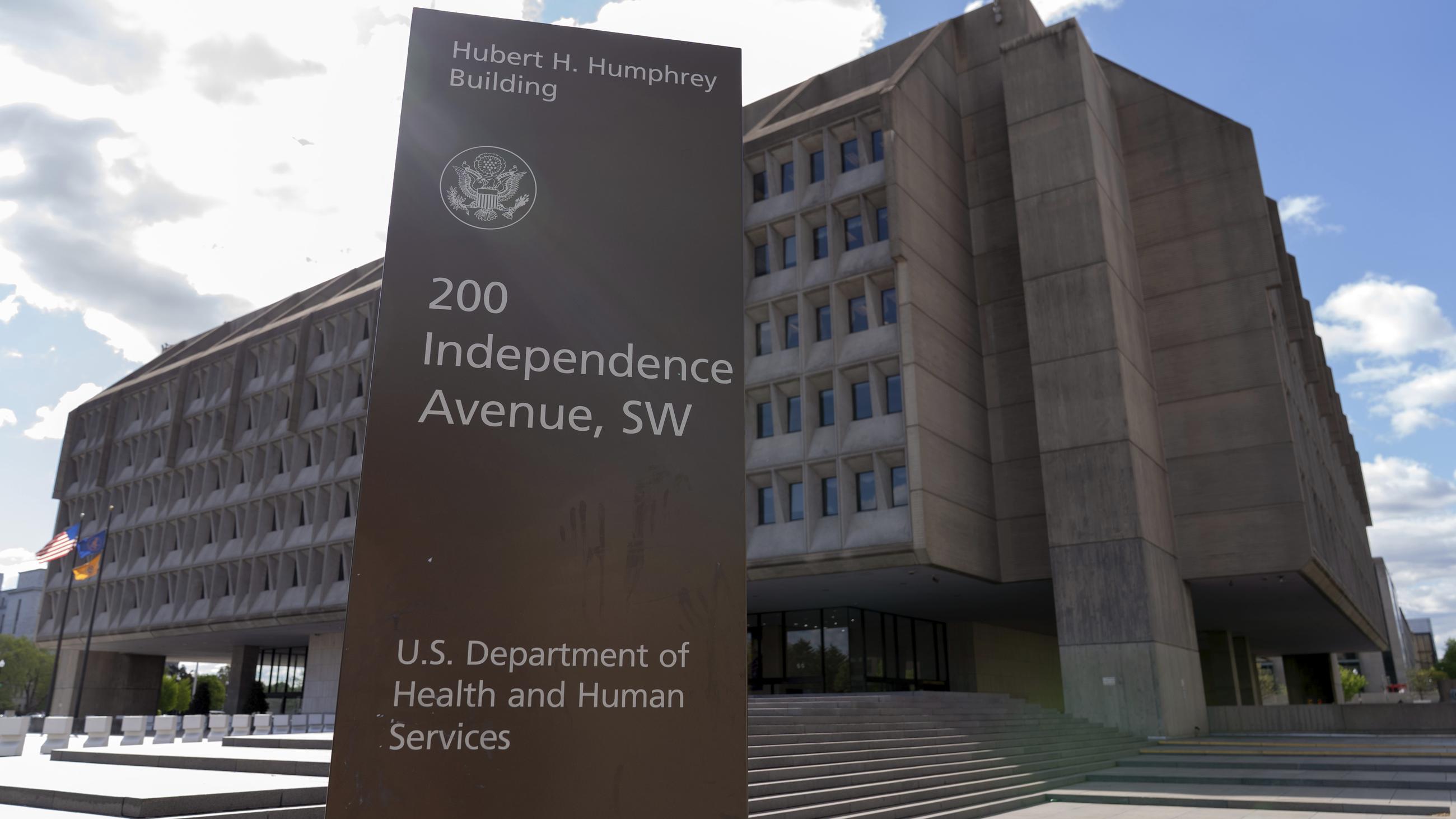
Key Republican and Democratic senators had high hopes for a new slate of nominees put forward by the White House to lead two health care agencies that have lacked steady leadership for months.
But when the nominees to head the Centers for Disease Control and Prevention and the Administration for Strategic Preparedness and Response testified to Congress this week, those senators didn’t appear to get the answers they wanted, notably on vaccine policy.
Now it’s not clear whether the Senate will move ahead and confirm the picks next week.
A month ago, both Republican and Democratic senators on the Health, Education, Labor, and Pensions Committee said they were cautiously optimistic about President Trump’s latest picks to lead major agencies under the Health and Human Services Department.
The optimism came after concerns about slashes to staff and budget, internal conflict, and the silencing of career officials had kneecapped the country’s public health systems.
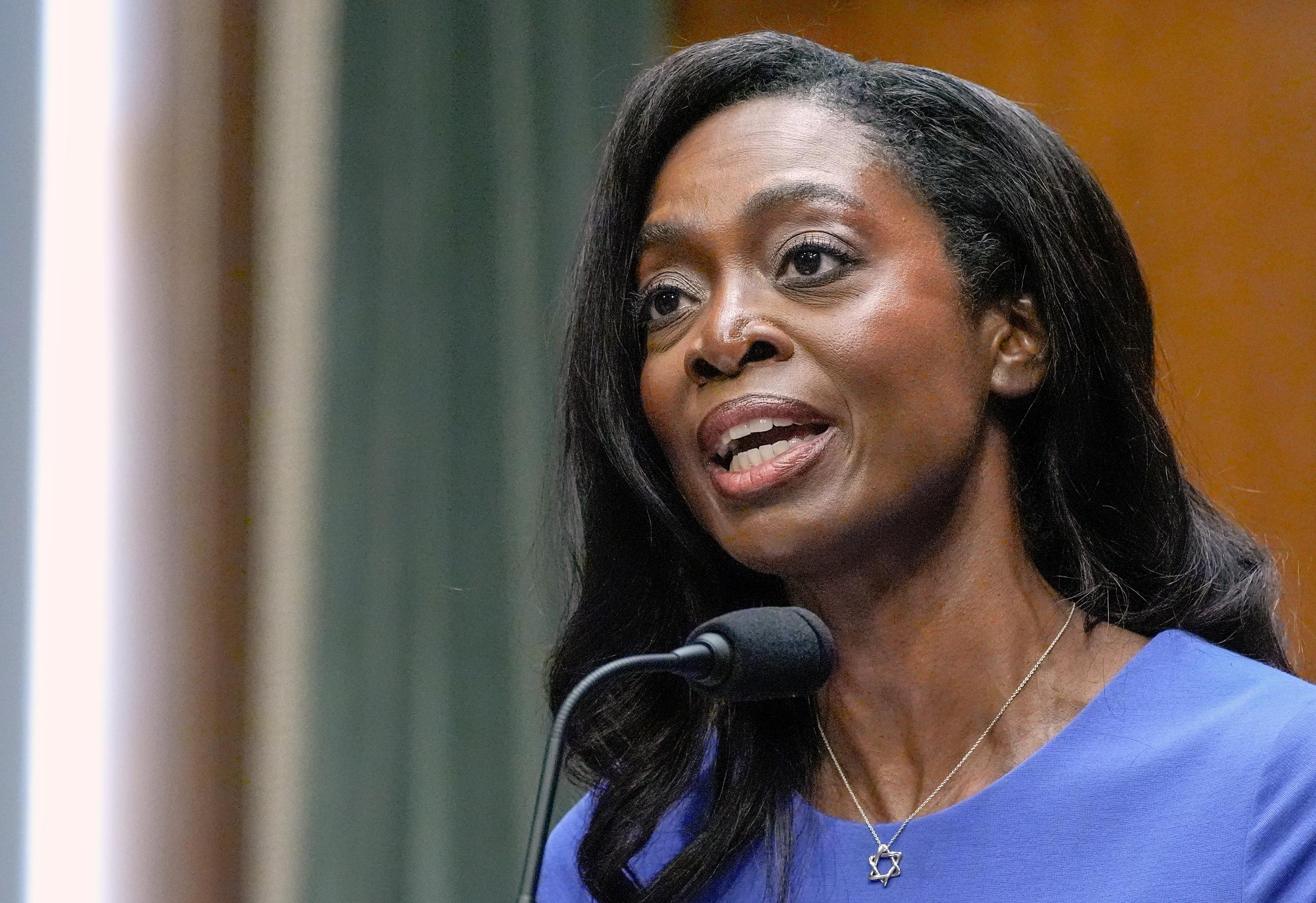
Lawmakers spent last month meeting with CDC nominee Erica Schwartz and ASPR nominee Sean Kaufman—meetings they touted as positive, with many noting that the nominees held the traditional qualifications the jobs required.
But the testimonies of Schwartz and Kaufman at a HELP Committee hearing on Wednesday left both Republicans and Democrats wondering if they would stand up to HHS Secretary Robert F. Kennedy’s anti-vaccine agenda. The committee is scheduled to vote on the nominations next Thursday.
‘Those damn lies’
Wednesday’s hearing largely centered on vaccine policy and rhetoric—and whether or not the nominees would co-sign onto Kennedy’s anti-vaccine messaging.
The last Senate-confirmed CDC director, Susan Monarez, only served in the position for a month before being fired by Kennedy last year for refusing to fire top CDC officials and pre-approve vaccine recommendations.
Senators across both aisles probed Schwartz and Kaufman Wednesday on how they would navigate Kennedy’s agenda and deal with political pressure to rubber-stamp the secretary’s public health decisions.
To the alarm of Democratic and some Republican senators, the nominees instead skirted the questions—not directly answering whether they would serve as a bulwark to Kennedy’s agenda. Instead, they looked to explain and justify Kennedy’s decision-making—along with denying that political interference would take place.
“Senator, I do not think that the secretary or the president would ask me to do something like that,” Schwartz said in response to questioning from ranking member Bernie Sanders about whether the nominee would commit to reporting to Congress if Kennedy or other members of the administration were to implement policies that were “unscientific and could harm the well-being of the American people.”
Even some Republicans—including HELP Chair Bill Cassidy—were openly frustrated with the nominees' answers.
“I have a sense that you were way overprepped for this because in our conversation we spoke as two doctors,” Cassidy said to Schwartz at the end of Wednesday’s hearing. “And here, I felt like you were always trying not to answer my question, which was disappointing.”
The HELP Committee has become one of the hardest Senate panels to move nominees through.
Cassidy, who lost his nomination for reelection back in May, has been more willing to buck the Trump administration and vote with members across the aisle, on items ranging from advancing Democrats’ war-powers resolution to amendment votes blocking Trump’s "anti-weaponization" fund.
The make-up of the panel is also allowing for the moderate Republicans—Cassidy, and Sens. Lisa Murkowski and Susan Collins—to exercise immense influence over aspects of the administration’s agenda necessitating congressional approval, particularly nominations.
Former Rep. Dave Weldon, a physician who was Kennedy’s first pick to lead the CDC, was pulled after it was clear he would not have the votes within Senate HELP.
Trump’s pick to be surgeon general, Kennedy ally Casey Means, never made it out of committee after Cassidy, Murkowski, and Collins declined to answer whether they’d support her. The nomination was eventually pulled by the White House.
Doubts arose over Kaufman's nomination after reports—including an investigation from National Journal into the nominee—revealed his past statements pushing debunked claims linking vaccines to autism and undermining the safety of the hepatitis B and COVID vaccines.
Kaufman previously wrote in a LinkedIn post that if readers call him “an antivaxxer,” he’d “be forced to call you a pedophile,” before advocating against giving infants the hepatitis B vaccine and linking vaccines to autism.
Despite that, both Kaufman and Schwartz looked to portray themselves as personally pro-vaccine and pro-science throughout the hearing, emphasizing their own careers in public health.
Schwartz, who was deputy surgeon general during Trump’s first term, is a retired rear admiral in the U.S. Public Health Service Commissioned Corps. Schwartz has spent much of her career in uniform, serving in several Coast Guard positions.
“As CDC director, my sacred responsibility is to provide the American people with public health guidance that is clear, honest, and evidence-based,” Schwartz said. “I will never betray the science.”
Kaufman is currently a senior adviser for Global Health Affairs at the CDC. He was a former director of containment programs at Emory University’s Center for Public Health Preparedness and Research. During the 2000s, he worked at the CDC for nearly a decade in a number of roles, including supporting responses to HIV, anthrax attacks, SARS, and West Nile virus, according to his LinkedIn. He’s also the former CEO of the company Safer Behaviors, which he cofounded with his wife. The company focuses on the integration of behavioral science into biosafety, risk management, emergency preparedness, and workforce protection.
Kaufman all but backtracked on his previously stated views on vaccines.
“Let me be clear: Vaccines save lives,” he said in Wednesday’s hearing. “They are safe and effective and remain one of the most important tools in public health for preventing infectious diseases and protecting the American people.”
Murkowski asked about Kaufman’s past statements on the hepatitis B vaccine, stressing the importance of the at-birth dose infants are given.
“When we're talking about those vaccines that can be given at birth that can prevent these horrible deaths, I think it needs to be made clear,” the Alaska Republican said.
Kaufman stated that he allowed for his three children to receive the infant dose of the hepatitis B shot.
Still, tensions over Kaufman’s anti-vaccine statements bubbled over toward the end of the hearing, with Cassidy—who usually has an even-keeled, tempered disposition—visibly showing his frustration.
"I don't know what you were thinking. Why would you repeat those damn lies!" Cassidy exclaimed, slamming his fist on the table. "Because that destroys trust. And we don't start getting back to where we trust unless people start speaking the truth."
But as both Republican and Democratic senators further probed Kaufman and Schwartz on how they would approach vaccine messaging, both nominees gave answers that appeared to ultimately give deference to Kennedy, who would be their boss if confirmed.
When asked if she would commit to taking down misinformation linking vaccines to autism on the CDC’s website, Schwartz instead focused on the administration’s mission to find the cause of autism.
“Senator, we do not know what causes autism,” Schwartz said in response to questions from Sanders. “And we owe it to the American people to figure out why.”
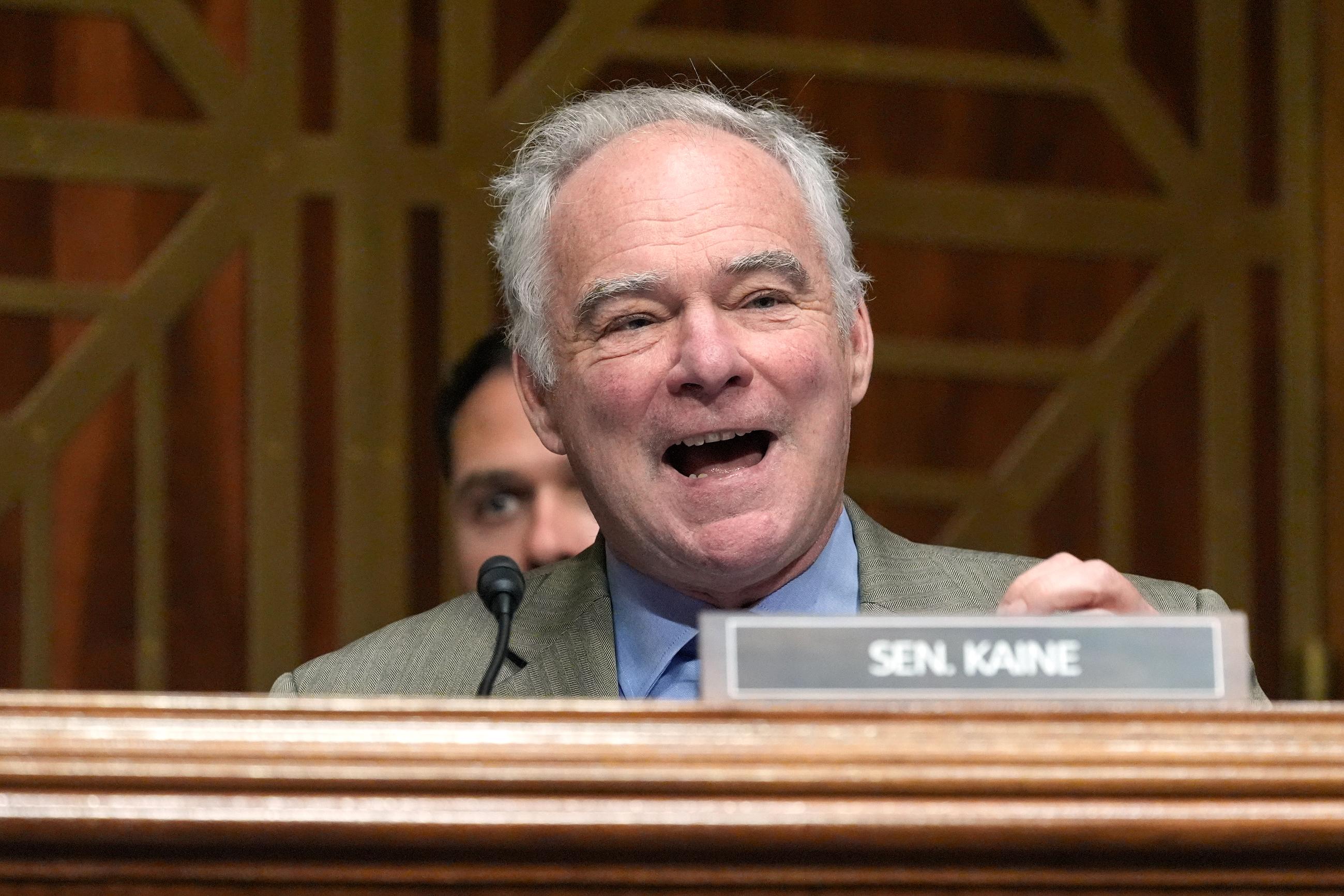
Sen. Tim Kaine asks a question during the Senate HELP Committee confirmation hearing on Wednesday. (AP Photo/Mariam Zuhaib)
AP Photo/Mariam Zuhaib
A crucial vote ahead
With a confirmation vote scheduled for next week, it’s still unclear whether the nominees would pass the committee, which has 12 Republicans and 11 Democrats. Opposition from one Republican would freeze a nomination.
Cassidy did not directly answer whether or not he was convinced the nominees would look to stand up to Kennedy's anti-vax policies.
"Let me get back to you on that," the chair said.
When asked if their testimony assuaged any concerns he may have had, Cassidy pointed to Kaufman's comments that seemingly defended Kennedy’s decision to halt research on mRNA vaccines—a decision that prompted criticism from the chair.
Murkowski, on the other hand, spoke positively about both nominees the day after the hearing.
“My sit-down with Dr. Schwartz was a very very positive one,” she said. “I'm impressed with her background. I'm impressed with how she carries herself.”
She said she’d still submit further questions to both nominees—but noted that Kaufman’s response to her questioning on hepatitis B “was much better than what I have read previously, so that's going to be helpful.”
Democrats were vocal in their disappointment in the nominees' testimony.
"I think I'd like to be further persuaded by the nominees on that point,” Sen. Tammy Baldwin said. “I don't think they said as boldly enough as they need to that they would stand for the science and resist efforts to move a political agenda."
Sanders gave a flat “no” when asked if the nominees adequately addressed any of his concerns.
Kaine—who publicly admitted he regrets voting against Monarez, the now-fired CDC director—said he had been leaning toward supporting Schwartz before the hearing but was now undecided on how he’d vote.
“I’ve got a lot to process,” he told National Journal.
Still, a few Kennedy-aligned Republicans signaled to National Journal they would look to support the nominees.
“I think [Kaufman] very much clarified, even more than I hoped he would,” his past statements, said Sen. Roger Marshall, the chair of the Senate MAHA caucus and a physician. “Here's two perfectly qualified candidates—one for CDC, one for ASPR—and they're being held up because the Democrats hate Donald Trump so much, and they don't understand vaccines.”