
As the midterm elections approach, the Trump administration is making great efforts to satisfy the Make America Healthy Again movement without alienating its key farmer, rancher, and agribusiness constituencies. Events of recent weeks have shown how difficult, even impossible, it is to satisfy these competing viewpoints.
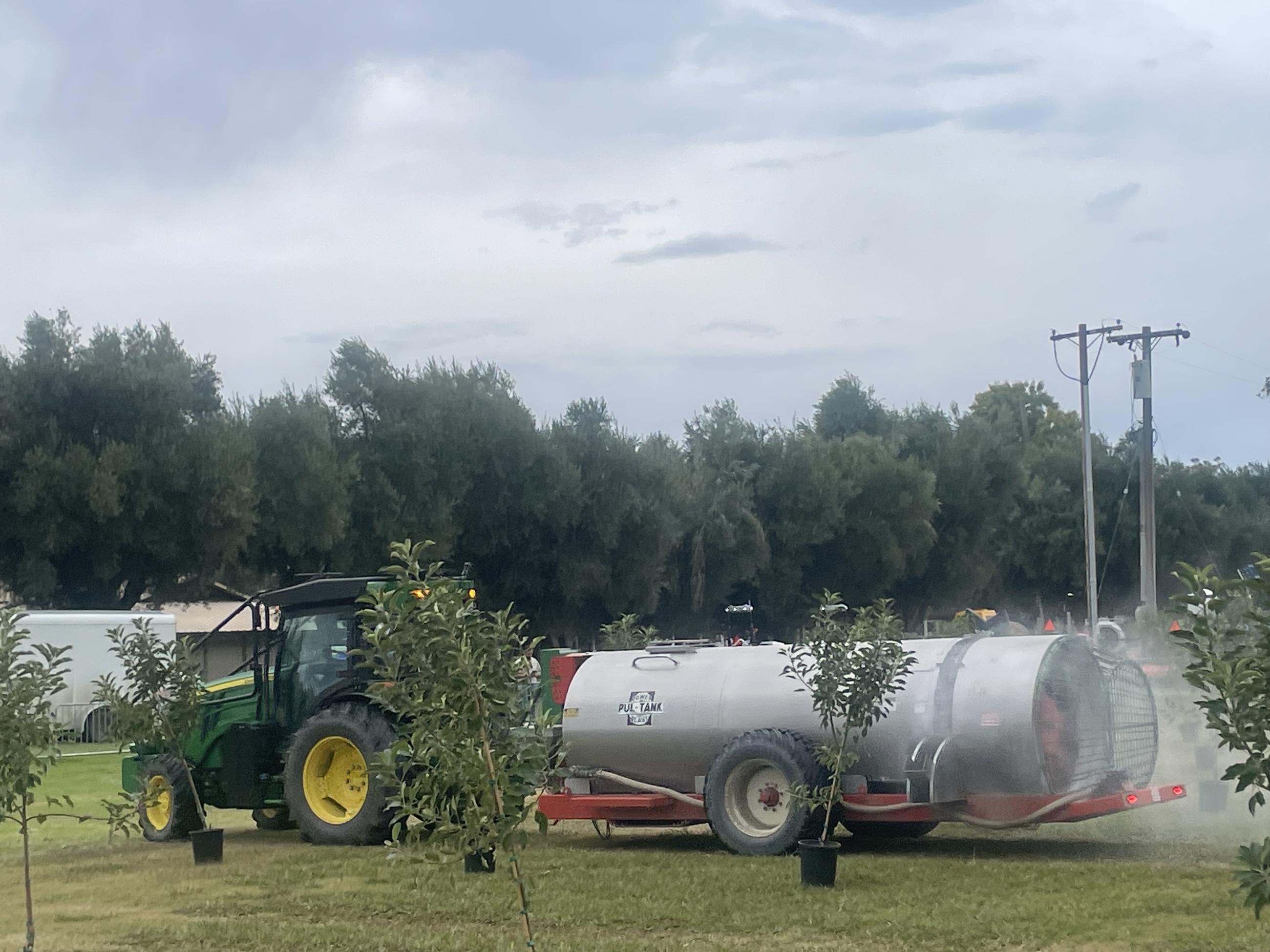
On June 25, the White House scheduled a dinner with farmers that was apparently intended to promote regenerative agriculture, a production method popular with the MAHA movement that is centered on soil health and avoiding the use of glyphosate, the active ingredient in the Roundup weedkiller made by Bayer.
That same morning, however, the Supreme Court ruled that because the Environmental Protection Agency has concluded that glyphosate is unlikely to cause cancer, federal pesticide law preempts state laws that would require pesticide companies to include cancer warning labels. The ruling blocked thousands of state-level lawsuits alleging that the company had failed to warn consumers about cancer risks.
Most galling to MAHA, the Trump administration had filed an amicus brief backing Bayer. Health and Human Services Secretary Robert F. Kennedy Jr., a longtime glyphosate critic, defended the administration’s decision on the grounds that Roundup is vital to modern food production, which he deemed a national security interest.
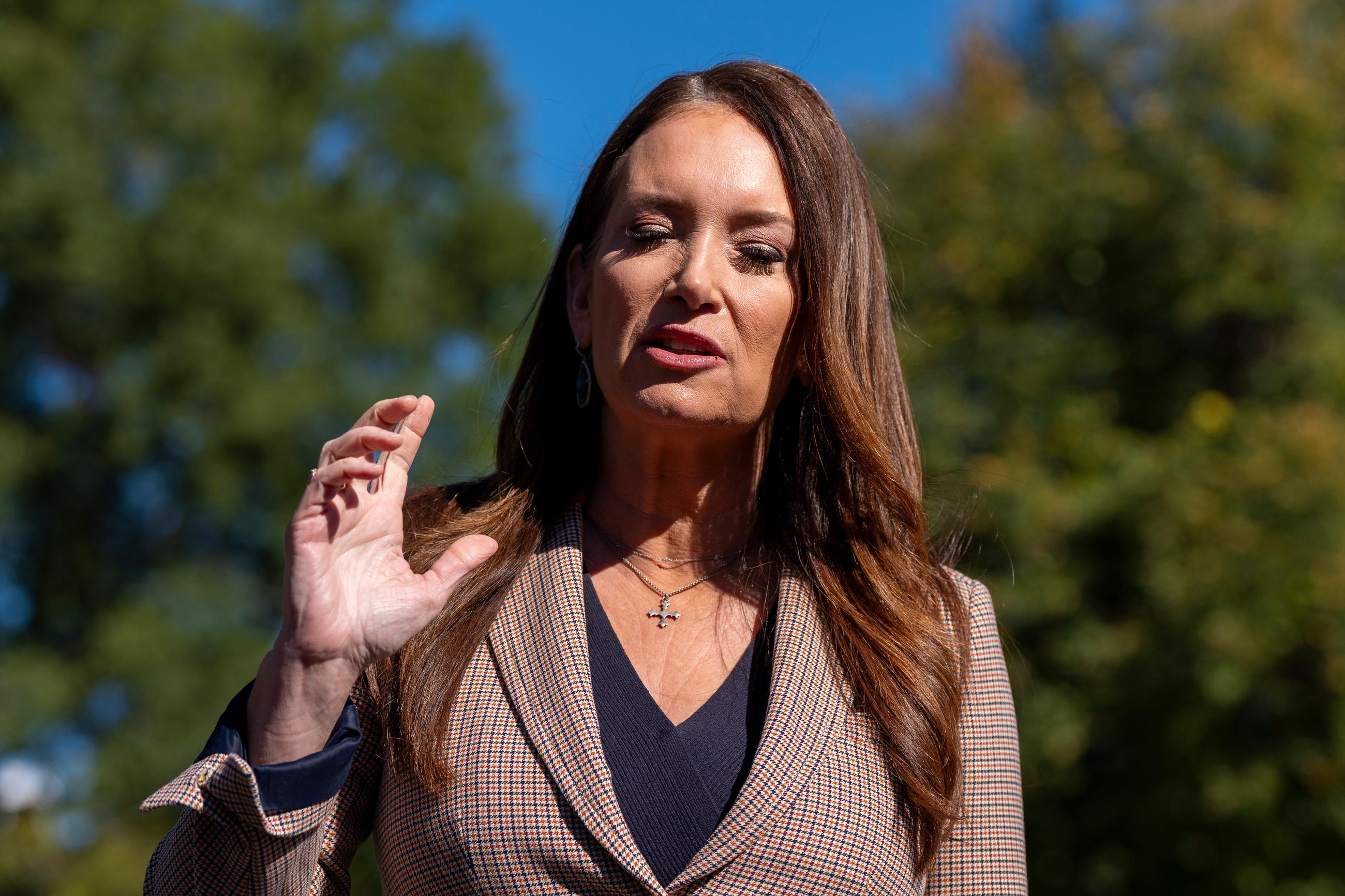
At the White House dinner, administration officials did not crow about the court decision. Rather, President Trump issued an executive order “advancing” regenerative agriculture. HHS published a paper on the subject and distributed a video of Kennedy and Agriculture Secretary Brooke Rollins touting the importance of regenerative ag. Nevertheless, MAHA activists said the executive order didn’t make up for the administration’s backing of Bayer and that they would think twice about what party to support this year.
The kerfuffle over glyphosate was only the first such conflict in recent weeks that had farmers raising their eyebrows at the administration:
- To reduce farmers’ costs, Trump suspended tariffs on Moroccan phosphate fertilizers that U.S. companies said were needed to encourage domestic production. But Bayer petitioned for tariffs on cheap Chinese glyphosate imports it said undercut U.S. production, raising the question of what position the White House will take on that. Farm leaders praised the fertilizer-tariff suspension and expressed fury at Bayer for filing the glyphosate petition.
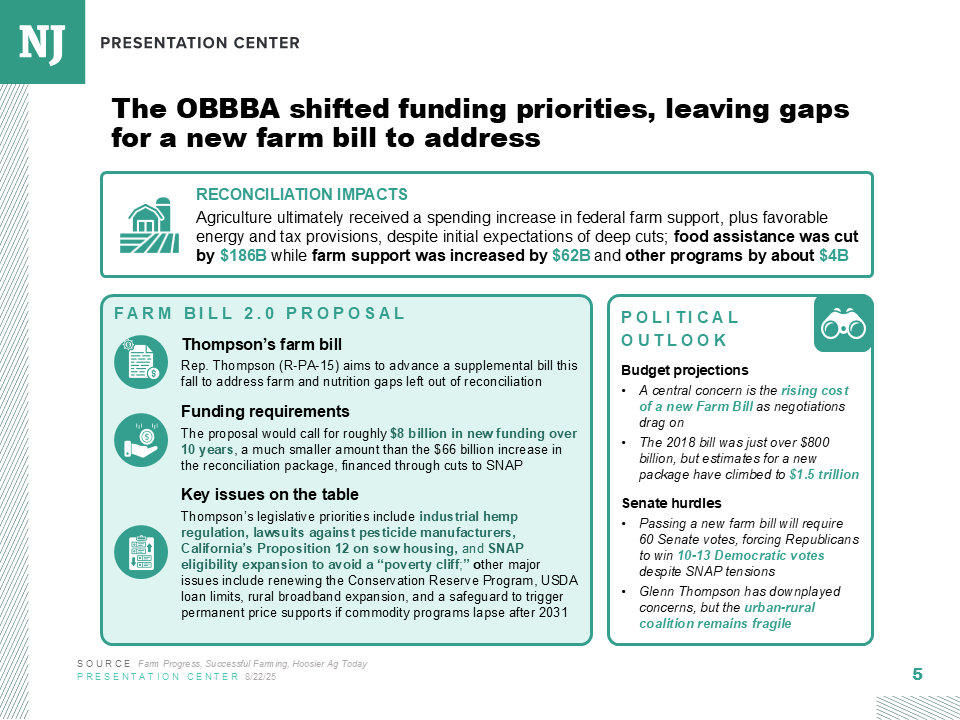
- After the 2026 Unified Agenda of Federal Regulatory and Deregulatory Actions indicated USDA plans to pull back several livestock and poultry rules issued by the Biden administration, the Republican-leaning American Farm Bureau Federation and the Democratic-leaning National Farmers Union issued a rare joint statement that “America’s farmers are deeply troubled by news that USDA plans to rescind or continue to delay several rules that are specifically designed to benefit America’s farmers and ranchers.” The National Chicken Council and the Meat Institute, which represents the meatpackers, praised the administration for the expected rescission.
- Last year, Rollins closed the U.S. southern border to imports of cattle, bison, and horses to try to keep New World screwworm out of the country. The parasite has now been found in Texas and New Mexico. Texas feedlots that had handled Mexican cattle question why the border should remain closed now that screwworm is here, but Rollins remains committed to the closure.
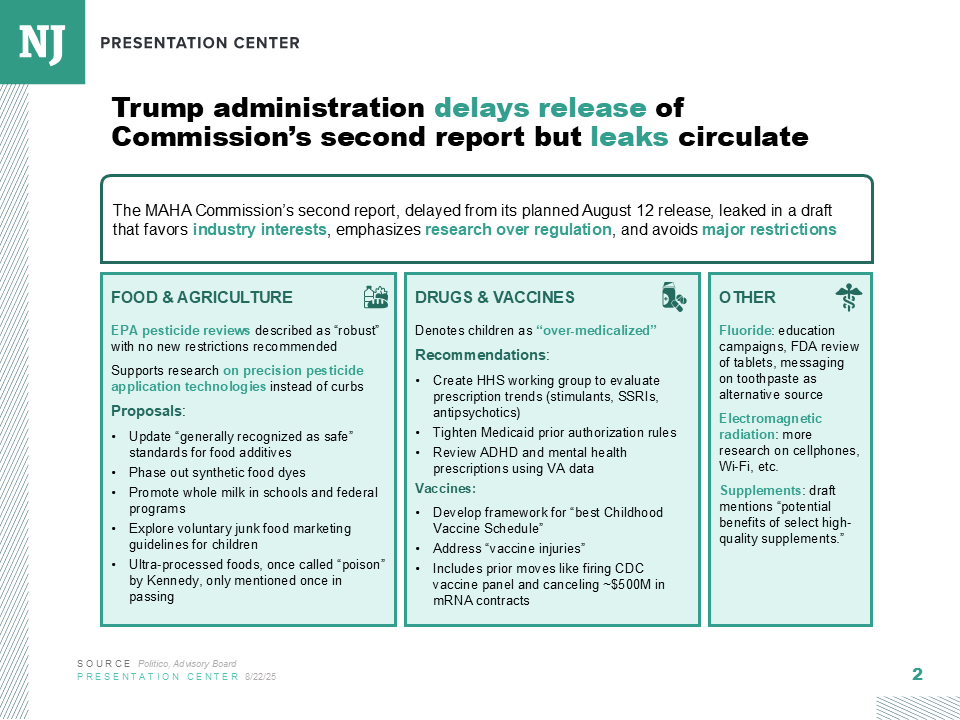
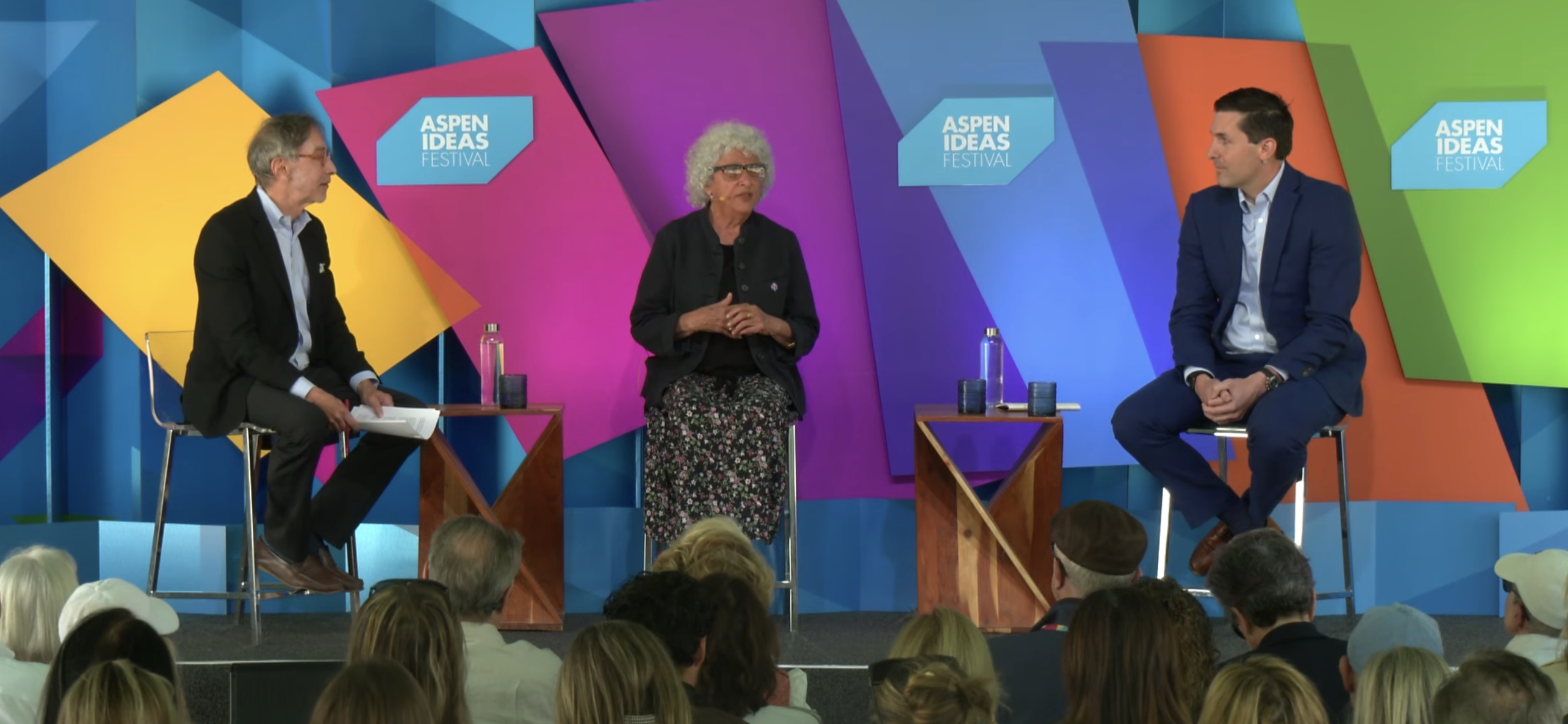
The administration’s frustrations boiled over in a panel discussion at the Aspen Ideas Festival in late June. Calley Means, the nutrition adviser to Kennedy and Trump, said the administration should get credit for rewriting the Dietary Guidelines for Americans to discourage consumption of ultraprocessed foods, and for plans to improve school, hospital, and prison meals and requiring food companies to prove that their ingredients are safe.
Marion Nestle, a professor emerita of food studies at New York University, gave the Trump administration credit but said the American Heart Association’s dietary guidelines were better written. Nestle questioned whether the Food and Drug Administration has the staff to achieve these goals.
In response, Means told Nestle, “We cannot let Trump Derangement Syndrome really obfuscate and prevent really tremendous victories in your life’s work.” In a speech days later at the Great American State Fair, Means accused Nestle of taking money from food companies, a charge she refuted in her blog, Food Politics.
Means’s attack on Nestle shows how hard Trump officials believe they must fight to keep their coalition together. The midterm elections will show whether MAHA, farm, ranch, agribusiness, and conservative ideologues can all be kept within the Republican tent.