
Candidates for Senate being replaced between the primary and the general election is not unheard of. As The New York Times pointed out, it’s happened eight times this century. But more than half of those cases involved candidates who had little chance of prevailing in November—a Republican in Vermont, for instance, or a Republican in Hawaii.
In terms of competitive races, the first withdrawal—like Graham Platner’s exit from the Maine Senate race this week—stemmed from scandal.
In 2002, former DSCC Chairman Robert Torricelli was well positioned for reelection. That summer, however, the Senate ethics committee officially admonished the New Jersey Democrat for campaign-finance violations and accepting improper gifts. With Republicans seizing on the charges, he bowed out in September. Though the deadline for name changes on the ballot had passed, the New Jersey Supreme Court allowed former Sen. Frank Lautenberg to take his place, and he won.
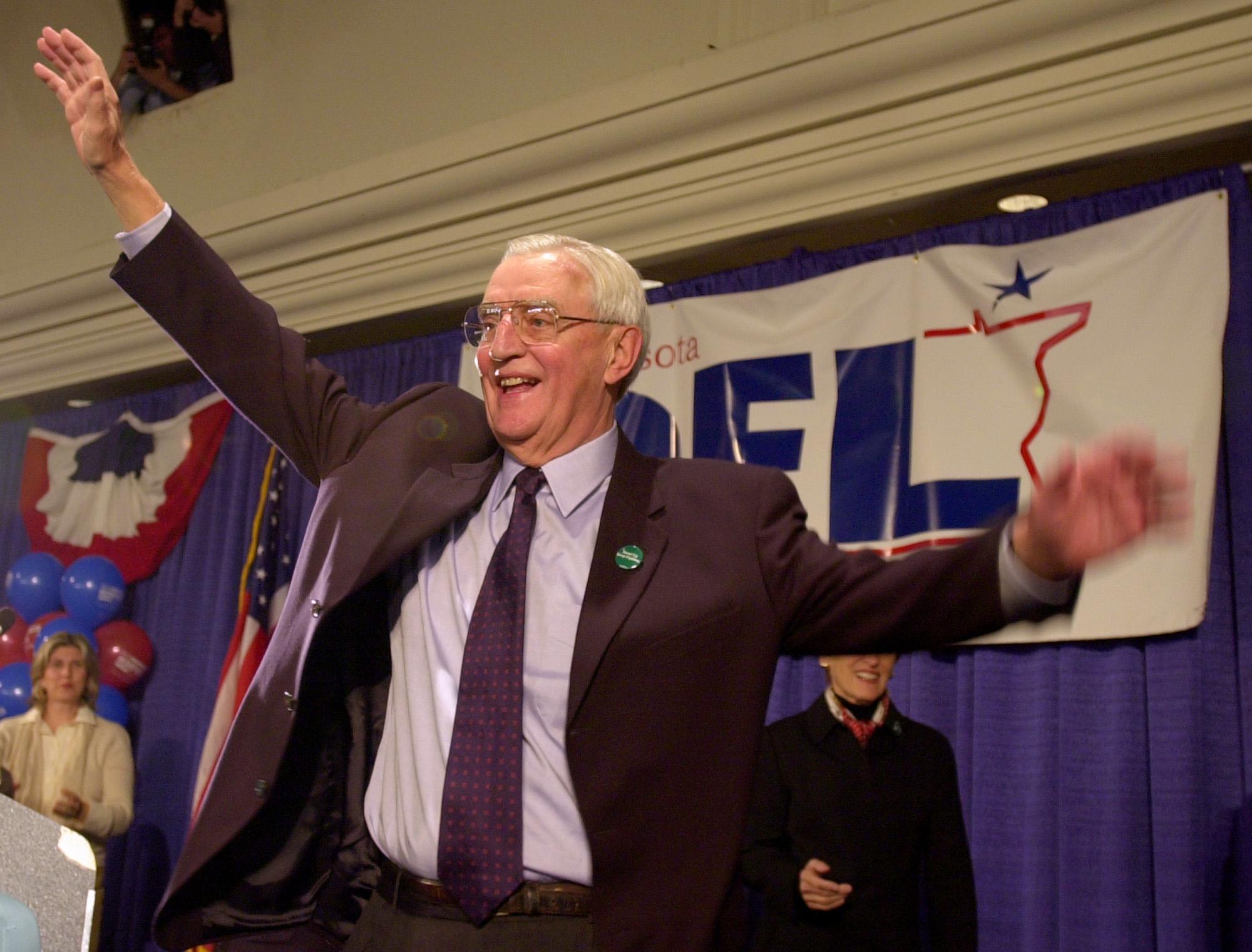
That same year, Sen. Paul Wellstone died just 11 days before the general election. State law permitted Democrats to run someone in his place, and they selected former Vice President Walter Mondale, who came up short.
The most recent competitive race involved some chicanery on the Democratic side. In 2016, former Sen. Evan Bayh took over the party’s nomination in Indiana from former Rep. Baron Hill. The party believed Bayh’s higher name ID would help them flip the seat. They were wrong, as Bayh lost by 10 points.
On the House side, replacements are obviously more common. But no year stands out quite like 2006, when three key Republicans bailed out over the course of the summer:
Former House Majority Leader Tom DeLay withdrew in June after he was charged with money laundering and conspiracy in a Texas court. Because the deadline had passed, state law forced DeLay’s replacement, Rep. Shelly Sekula-Gibbs, to run as a write-in candidate. She lost.
Former House Administration Committee Chairman Bob Ney resigned in August amid revelations about his involvement in the Jack Abramoff lobbying scandal. State law permitted a hasty special election to replace him on the ballot.
Rep. Mark Foley resigned on Sept. 29 at the request of House leadership, following revelations that he sent explicit messages to congressional pages. Florida couldn’t legally represent ballots so close to the election, so they improvised: They posted signs inside voting booths informing citizens that a vote cast for Foley would count for his newly appointed replacement, Joe Negron. He lost.
— Jeff Dufour
jdufour@nationaljournal.com