Now that a credible allegation of rape has emerged, Graham Platner will likely soon drop out as the Democratic nominee for Senate in Maine. Political candidates have withstood this type of allegation in the past, but because there is still time left to replace Platner on the ballot, his support has evaporated.
Make no mistake: If he couldn’t be replaced on the ballot, Democrats would try to push him through. Voters are perfectly willing to support problematic candidates when the vibes are right. In Platner’s case, many Democratic operatives and leaders stood by their man especially doggedly, through revelations about a Nazi tattoo, misogynistic Reddit posts, infidelity, and allegations of roughing up an ex-girlfriend, because they believed he was exactly what they needed to win back working-class voters.
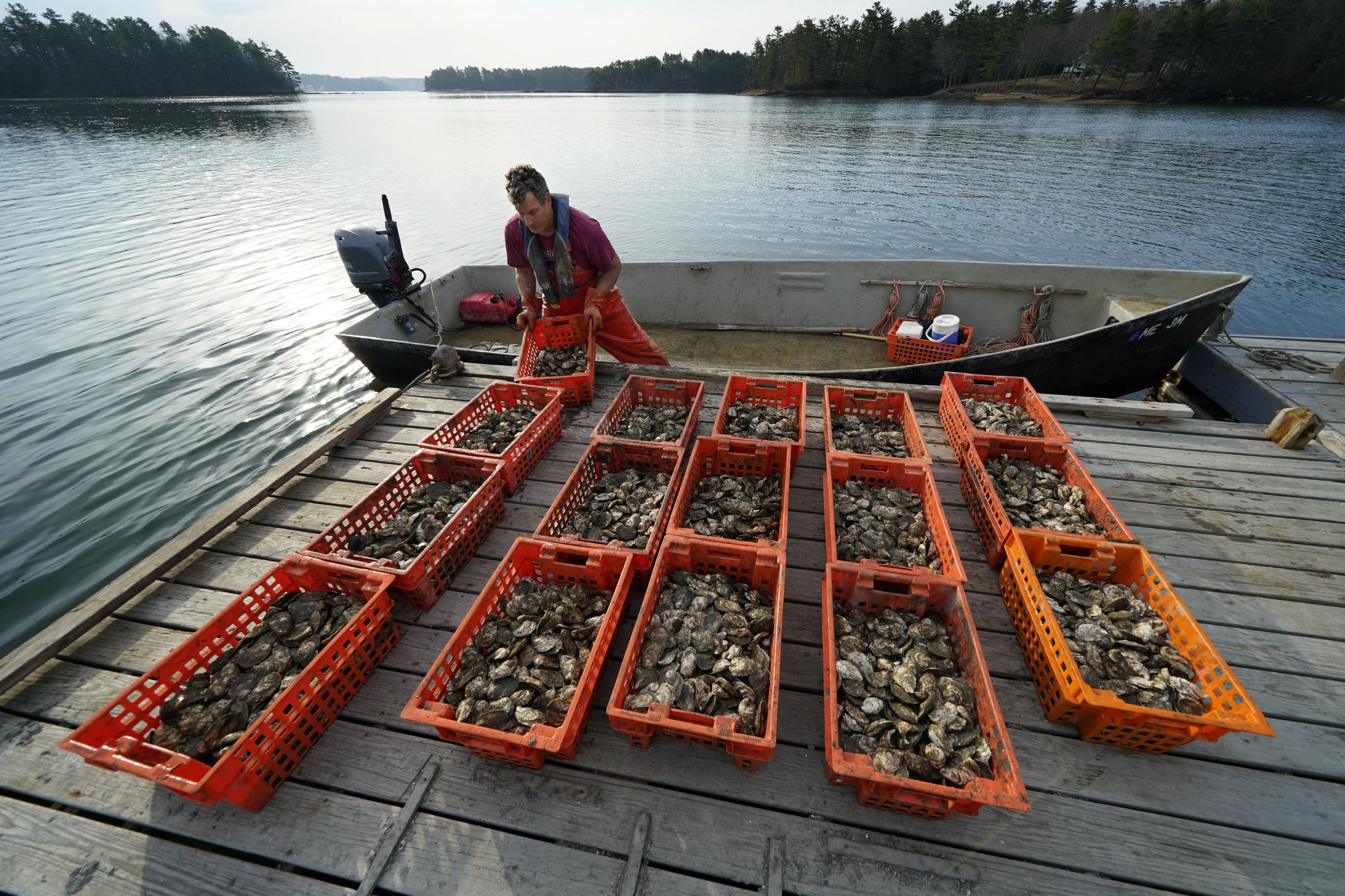
A handful of consultants and well-connected folks fell in love with Platner as a potential candidate in a remarkably short time period. Democratic strategists Daniel Moraff and Leanne Fan decided to recruit Platner after watching a video in which he talked about oyster farming and keeping an international company out of it. Adviser Morris Katz said it only took a few minutes to conclude Platner “owes it to the country to run.”
Moraff shortchanged the vetting process, believing that voters would excuse most transgressions. They knew Platner didn’t come from the working-class background they wanted, and they chose to portray him that way anyway. They repeatedly told voters “nothing to see here” as problem after problem emerged.
Perhaps the single biggest misfire, given their stated goal of winning back the working class, is that they set Platner up as an economic and social leftist without understanding the Maine working-class voter.
“Working class” is tricky to define, but it is usually political shorthand for voters without college degrees. We all know that education isn’t the only defining factor in whether someone is working-class, but it’s a measure typically included in polls that serves as a convenient proxy.
In politics, the discussion is often about the white working class, despite the fact that the working class is incredibly diverse. But it’s the white working class that Democrats have lost over the past three decades, and they are a substantial chunk of the electorate—42 percent nationally in 2024, according to Catalist. Maine’s electorate is about 93 percent white, which means it is 54 percent white non-college.
In the mid-June New York Times/Siena poll, Platner led Sen. Susan Collins by a mere 2 points among Maine likely voters. Among the white “working-class” voters Platner was supposed to attract, he had just 36 percent support. Compare that to Democratic gubernatorial nominee Hannah Pingree, who had 45 percent support from the same demographic, along with 42 percent of those who support a generic congressional candidate, and 43 percent who want Democrats to control the Senate. Platner also ran behind former Vice President Kamala Harris’s 39 percent vote share among the Maine white working-class in 2024.
The consultants built a caricature of what they thought working-class voters wanted, and the Maine working class did not buy it.
Without the scandals, Platner might well have won the race, but his handlers still would have failed at winning over the white working class. The same poll tells us that Maine white non-college voters are 47 percent conservative and only 16 percent liberal. A 58 percent majority says the Democratic Party is too far left. Nearly three-quarters are over the age of 45.
The biases of the consultants propping up Platner likely obscured their ability to shape a candidate who could have won over Maine’s working class. Katz is from a well-connected family in the entertainment industry in New York City. That undoubtedly helped him on Zohran Mamdani’s campaign, but it didn’t serve him well in Maine. Moraff’s background at Brown University and Yale Law School and Fan’s status as a Ph.D. student studying multiracial working-class politics didn’t help them decide what would attract an overwhelmingly white, conservative working class in Maine.
They all saw a guy who looked a little scruffy, talked tough with plenty of f-words, had served in the military, and had worked as an oyster farmer, and thought, “This is what working-class voters want,” even after learning he came from a relatively well-off background and had numerous red flags. They thought the red flags were helpful, in fact, and working-class voters would say, “He’s just like us!”
It’s an elitist, infantilizing impression of the working class that comes from not really being curious about who they are. And that is why Democrats are still struggling with the white working class.
Contributing editor Natalie Jackson is founder and principal of Centerline Research and Strategy.