July 6, 2026, 2:21 p.m.
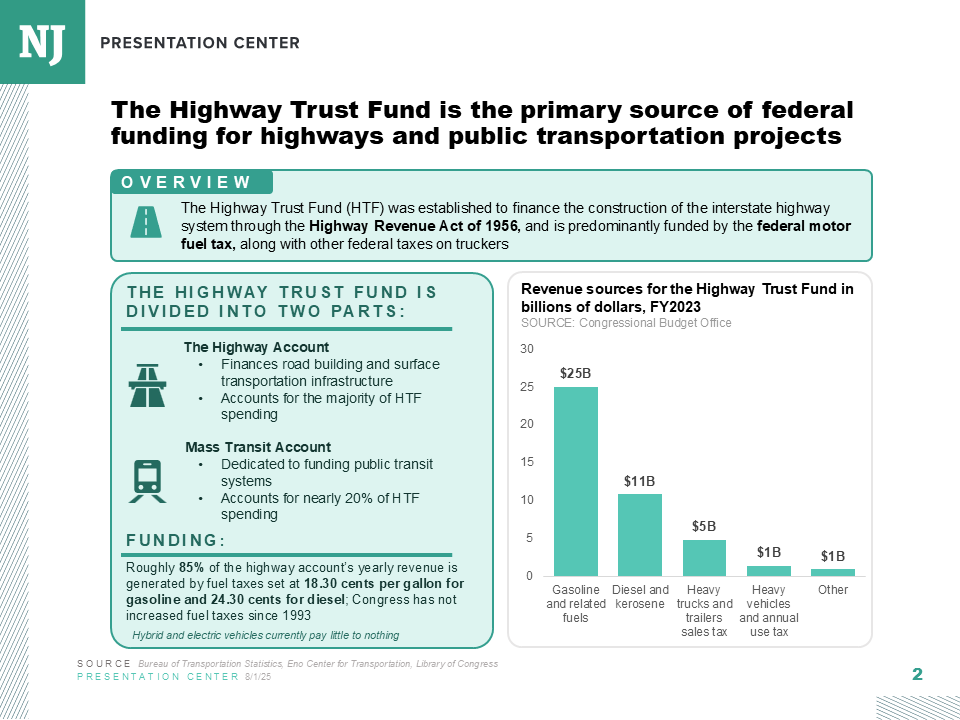
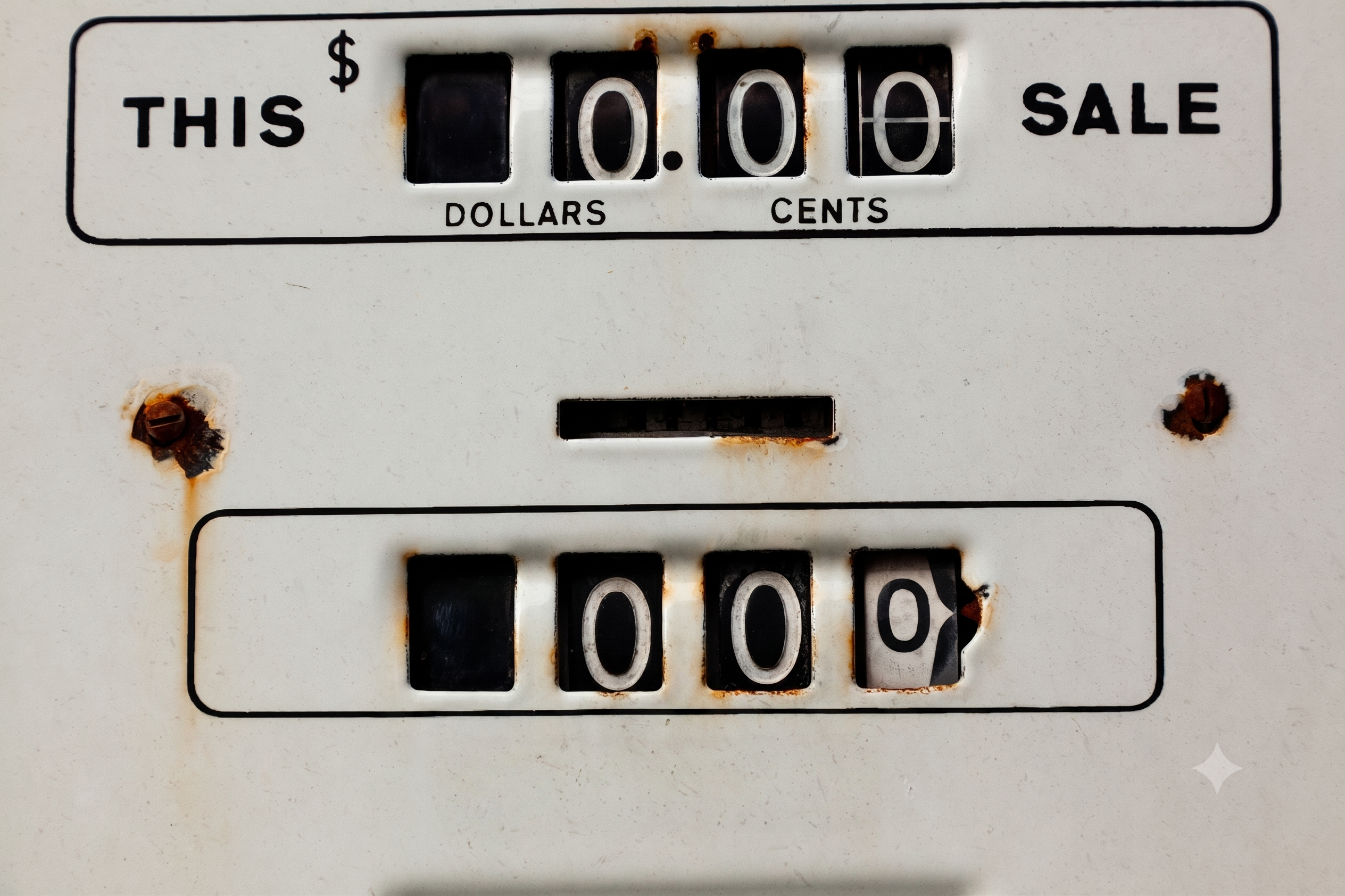
Drivers of gasoline-powered vehicles pay a federal tax of 18.4 cents a gallon every time they visit the pump. Drivers of electric vehicles don’t pay that tax.
But they use the roads, so a bipartisan group of influential lawmakers is making a strong effort to even that playing field.
They’re proposing that EV owners pay $130 a year. Owners of plug-in hybrids would pay $35. The fee would increase gradually starting in 2029 until it hits $150 for EV owners and $50 for owners of plug-in hybrids.
Currently, fuel-tax money helps pay for the federal Highway Trust Fund, which can be used to repair and build roads. So, some lawmakers said, why shouldn’t electric-vehicle owners help pay the cost?
The EV fees are included in a massive House transportation funding bill that has support from members of both political parties.
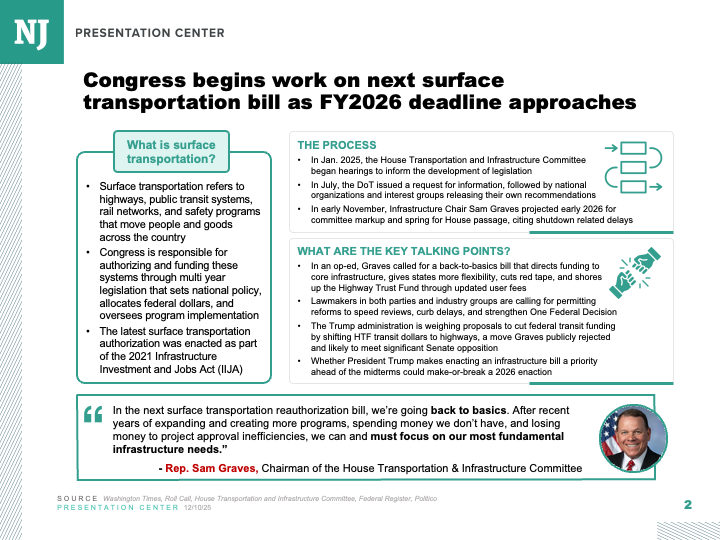
The bill “ensures that electric vehicle owners begin paying their fair share for the use of our roads,” House Transportation and Infrastructure Committee Chair Sam Graves said.
Graves has the support of the panel’s top Democrat, who urged looking at the broader bill.
The legislation “makes key investments in the nation’s transportation—from restoring aging bridges and repairing crumbling roads to building out safe, accessible transit and bike infrastructure,” Democratic Rep. Rick Larsen said.
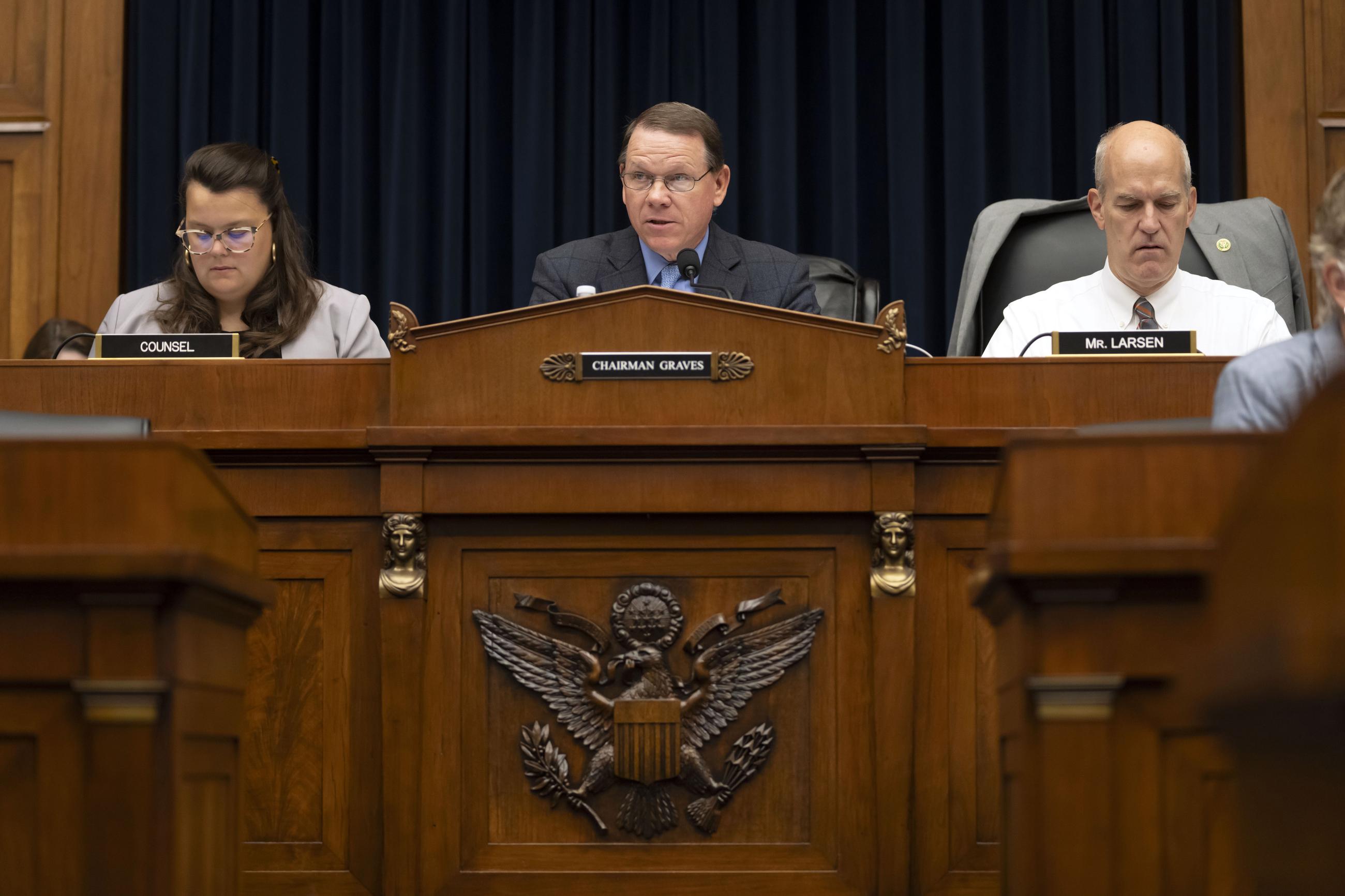
House Transportation and Infrastructure Committee Chairman Sam Graves (center) and ranking member Rick Larsen (right) at a committee meeting in 2023 (AP Photo/Mark Schiefelbein)
None
Environmental concerns
The environmental community vigorously opposes the fee, warning it will discourage EV purchases and cause more pollution.
Katherine Garcia, director of the Sierra Club’s Clean Transportation for All Campaign, called the fee “irresponsible.”
She added, “Now is the time to incentivize, not penalize, clean transportation options that curb emissions harmful to our health and climate.”
Shruti Vaidyanathan, director of federal and state transportation advocacy at the Natural Resources Defense Council, labeled the measure “onerous.”
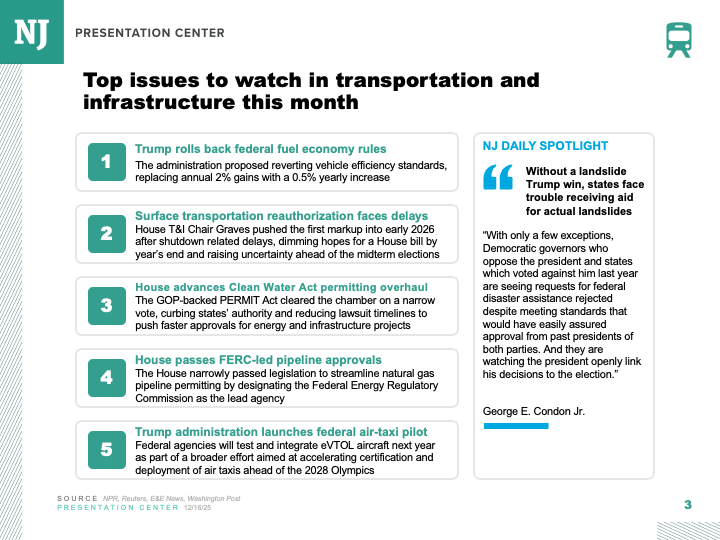
Opponents maintain the fee would be yet another blow to electric vehicles, coming on the heels of the Trump administration ending the Biden-era federal tax credits on the purchase of new and used EVs.
The president has urged more drilling for oil, even as oil prices soared starting in February during the Iran war before plunging again last month as tensions eased.
Bill supporters have insisted an EV fee is essential to help keep the nation’s transportation system safe and efficient.
The legislation is “an essential and a bipartisan acknowledgement of the need for maintaining the continuity and reliability of infrastructure projects and programs,” said Russell McMurry, the president of the American Association of State Highway and Transportation Officials.
McMurry noted that the bill’s initiatives are “supported by the long-standing user-pay model that supports the Highway Trust Fund.”
The bill
The fee is part of the BUILD America 250 Act, a massive bill that sets federal surface-transportation policy from Oct. 1, the start of fiscal 2027, through Sept. 30, 2031, the end of fiscal 2031.
The surface-transportation bill is arguably one of the most important pieces of legislation Congress tackles, because its benefits reach almost everyone. It addresses policy and funding for roads, bridges, transit, transportation safety, rail, infrastructure, and more.
The current House bill would authorize $580 billion over the next five years for those programs. Most would go for highways, though there’s $87.6 million earmarked for public transit and $5.7 billion for National Highway Traffic Safety Administration programs.
The Highway Trust Fund has struggled in recent years.
The federal gasoline tax was last increased in 1993. Fuel taxes, including the gas tax, accounted for 82 percent of the Highway Trust Fund's revenue for the 10 years ending in 2024, according to a May report from the nonpartisan Congressional Research Service. Most of the gas-tax revenue goes to highways, and a small amount goes to mass transit.
Since the tax last went up, gasoline-powered vehicles have become more efficient and electric vehicles have become somewhat more commonplace.
Edmunds, an automotive sales and research resource, reported that 7.4 percent of all new passenger-car and light-truck registrations last year were for EVs, according to S&P Global Mobility. As Edmunds noted, IHS Markit data showed that EVs were about 1.9 percent of all vehicles on the road at the end of last year. That was up from 1.4 percent in 2024.
As a result, the trust fund has routinely needed to tap money from the Treasury’s general fund. Efforts to increase gasoline taxes have gone nowhere. In fact, conversations around the gas tax more often come up in the context of freezing it for a while, as President Trump recently suggested, to give consumers relief from higher prices.
The nonpartisan Congressional Budget Office has estimated that the trust fund could be insolvent by 2028, en route to a $136 billion shortfall over the next 10 years.
The Committee for a Responsible Federal Budget figures that the electric-vehicle fee would bring in $30 billion over the next 10 years and “partly alleviate that shortfall."
“Imposing EV fees can be an important step to bringing the Highway Trust Fund back into balance, as the growing popularity of EVs and increased fuel efficiency reduces revenue from the gas tax,” the analysis said.
The outlook
Passing a new fee or tax is always daunting for Congress, and probably impossible in the months before an election.
Though the highway bill is supposed to be in place by Oct. 1, there’s little optimism both chambers of Congress can finish by then. It has too many parts that could be controversial, and Congress has other priorities to tackle before that. Plus, the House is scheduled to be in recess through most of August and October.
The fee faces an unpredictable path in the Senate. Sen. Ron Wyden, the top Democrat on the tax-writing Finance Committee, opposes the House plan. He finds it “punitive for drivers and unworkable for state agencies,” said spokesman Ryan Carey.
Sen. Shelley Moore Capito, who heads the Environment and Public Works Committee, which will help write the bill, said, “It’s a user fee. My state does it. I think we ought to do it.”
But, when asked if there’s a lot of sentiment in the Senate supporting the fee, the West Virginia Republican said, “It’s mixed.”