June 25, 2026, 3:57 p.m.
Ensuring Social Security's solvency. Capping the price of insulin. Creating a regulatory framework for digital assets.
These are among the priorities of a large group of departing senators—potentially the biggest exodus in more than a decade—who are hoping to finish their legislative to-do lists before they leave at the end of their terms in early January.
At least 13 and likely 16 of the 100 U.S. senators will not be returning after this term either because they’re retiring or seeking other offices, or have lost their party primary. Incumbents facing tough November elections, such as Republican Sens. Susan Collins of Maine, Jon Husted of Ohio, and Dan Sullivan of Alaska, could join them.
The large number of fleeing senators represents a brain drain of institutional knowledge, as many of those leaving have served at the highest levels of leadership—including the longest-serving Senate party leader, Republican Sen. Mitch McConnell, and the longest-serving whip, Democratic Sen. Dick Durbin.
As politics evolves into a partisan, mud-throwing exercise—and Congress seems to lose its ability to effectively legislate—some of those leaving the chamber have mixed feelings about the future of the institution they’re leaving behind.
“My fear is, [the incoming senators] haven't lived this experience,” Durbin told National Journal. “Many of them have not seen the Senate legislate and may not believe it's really done on a regular basis. But it used to be done regularly.”
For now, however, the large class of members leaving—and their many different priorities—creates a rich environment for dealmaking, as many senators are hoping to close out their careers with a legacy run.
Reasons to leave
Of the potentially departing senators, four are seeking governorships: Republican Sens. Tommy Tuberville of Alabama and Marsha Blackburn of Tennessee, and Democratic Sens. Michael Bennet of Colorado and Amy Klobuchar of Minnesota (the latter three would remain in the Senate if they do not win their respective governor races).
While they’ll still be representing the same constituencies statewide, the governor’s office has looked more appetizing to them as Congress has often failed to legislate and dictate policy—now subtly ceding that power to the executive branch. Movement on their priorities in the Senate comes at a glacial pace—especially in an environment that’s increasingly paralyzed by partisan politics.
“It just seems like we're spinning a wheel sometimes,” said Tuberville, who’s favored to be the next governor of his solidly red state. He said “the reason" he's running for governor "is because I can feel like I can get something done.”
The majority of retirees this year are Republican, as infighting between the party and the White House—along with partisan fights against Democrats—have thrown several priorities off track, including on nominations across the executive branch, President Trump’s efforts to build an East Wing ballroom, reauthorization of a controversial spy law, and a possible third budget-reconciliation bill this cycle.
“There’s not a lot of friendship because there’s so much tension every day on every vote because of President Trump,” Tuberville said. “There wasn't near the tension with Biden because we had some people that voted with him a lot on the Republican side. Democrats aren't going to vote at all with President Trump, so we're kind of between a rock and hard place on our side.”
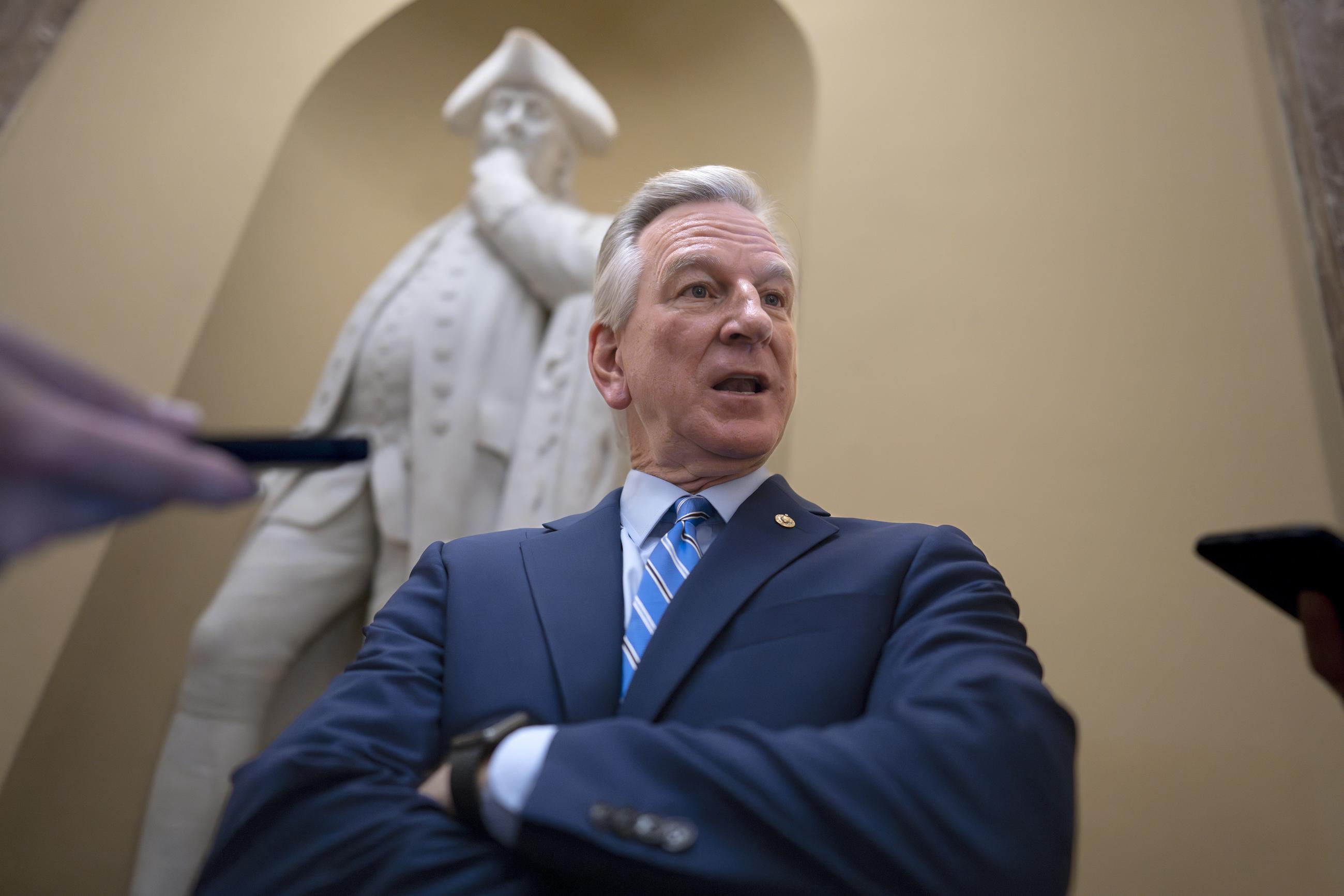
Sen. Tommy Tuberville (AP Photo/J. Scott Applewhite, File)
ASSOCIATED PRESS
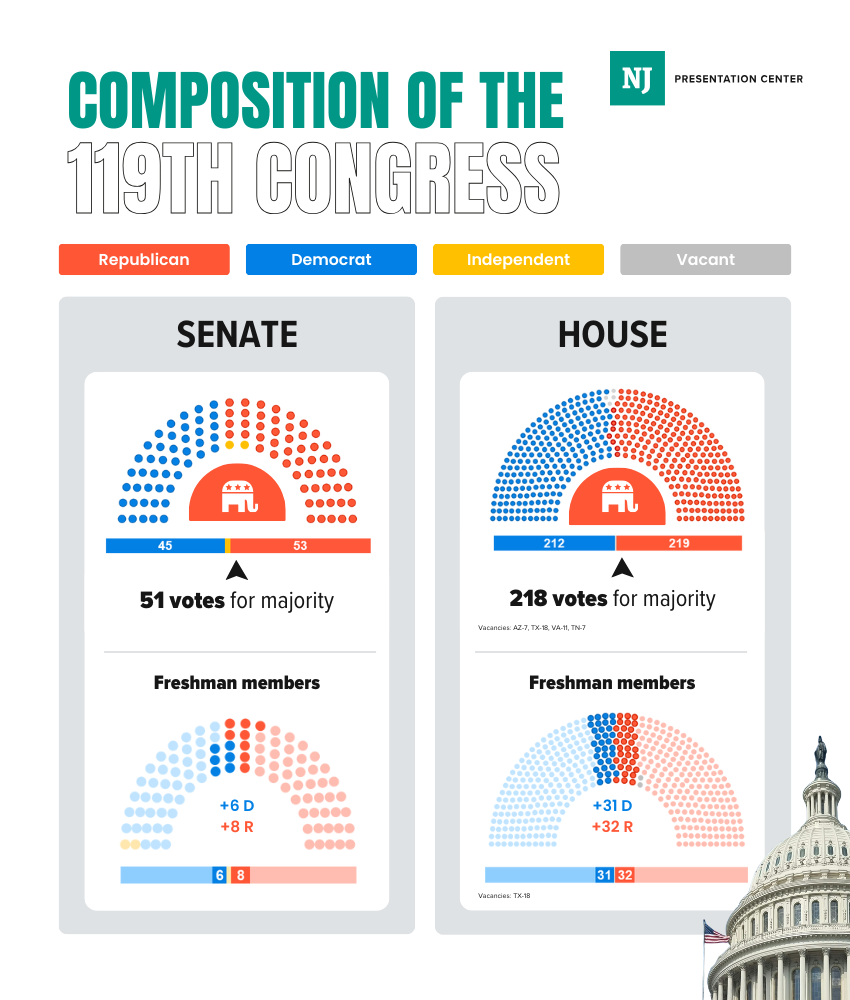
What further contributes to the environment are, as one senator puts it, the "archaic" rules of the chamber, including a 60-vote threshold for passing legislation. The Senate has 53 Republicans.
The filibuster rule is designed to give the minority more of a voice and help create consensus. But it also makes for slow, incremental changes compared to sweeping overhauls—for better or for worse.
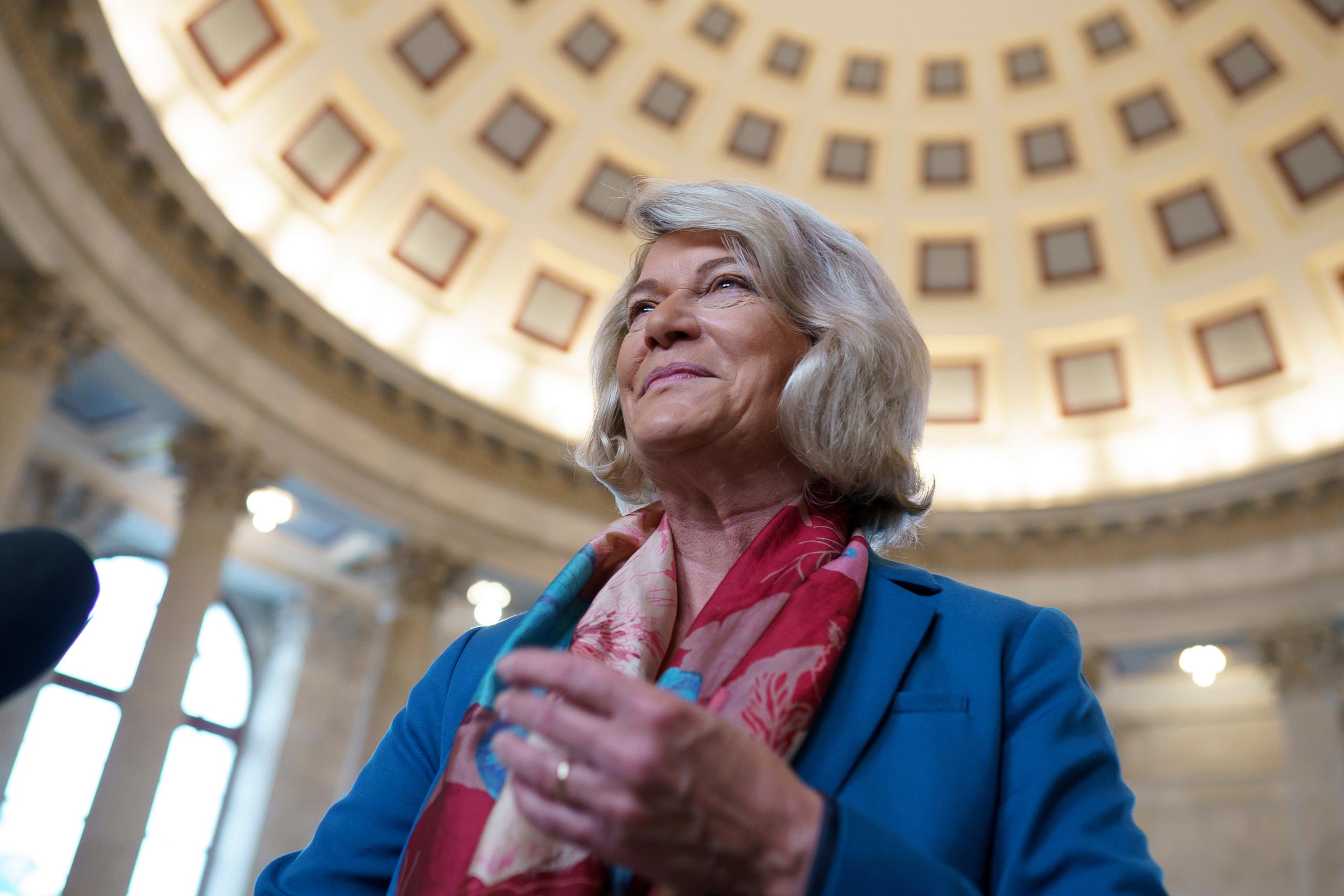
Take, for example, retiring Sen. Cynthia Lummis’s CLARITY Act, which would settle the long-running question of which regulatory bodies will oversee digital assets such as bitcoin or stablecoins.
The Wyoming Republican has been working on the bill for most of her single term in the upper chamber. It could see a floor vote before the end of the year.
Despite the bill having sizable bipartisan support, it still took years for it to get to this point. The rules of the Senate, Lummis argued, were designed to “beat people down to where they talk about what we cannot accomplish.”
So much so that Lummis announced her retirement last year—stating unequivocally that she didn’t have the energy left for another six years.
“We'll complain as legislators about how the executive branch is usurping legislative functions,” she said. “But we won't retake the reins of legislative functions. I think having new people might help that.”
Optimism?
A number of departing senators from both parties said they were hopeful that a new class will bring fresh perspectives and new enthusiasm to an increasingly intransigent body.
“The new folks who come in are going to bring in a lot of energy, and they're going to bring in ideas of their own as well,” said retiring Democratic Sen. Gary Peters of Michigan. “I think it's a natural thing. Congress needs to constantly be evolving and changing, and I see that as a positive.”
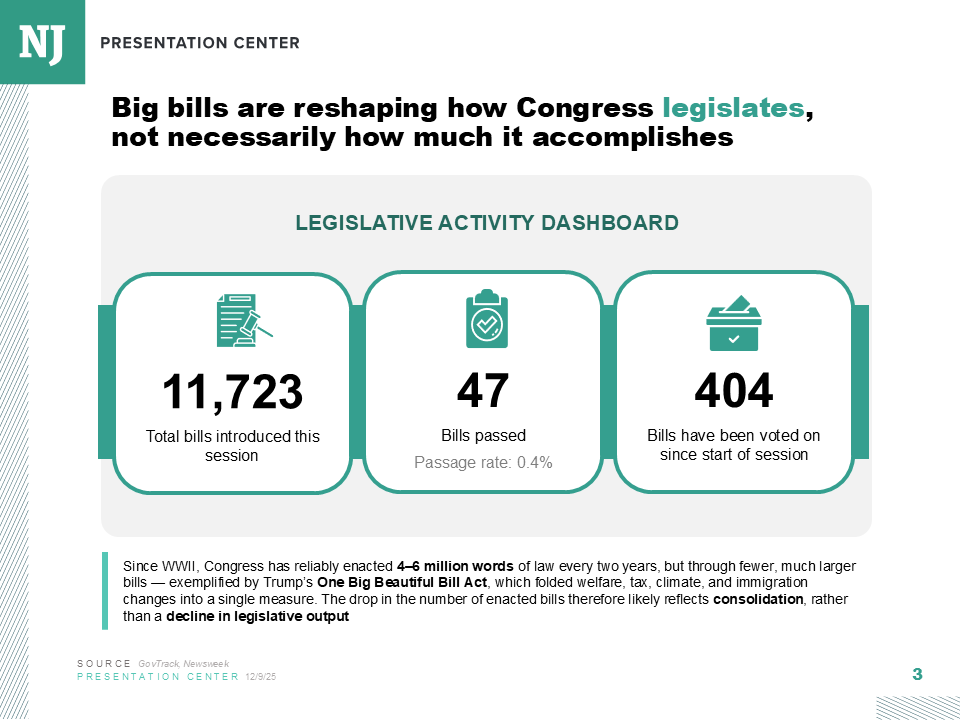
The number of departing senators will be higher than the average of 12 who leave every congressional session. In the lower chamber, at least 72 members won’t be returning. That’s on top of eight members who resigned their seats midstream.
The centrist middle continues to dwindle. Last Congress saw a notable bipartisan duo—Sens. Joe Manchin and Kyrsten Sinema—retiring after negotiating landmark deals with fellow Democrats, who controlled the White House and Congress.
While the finalized 2022 Inflation Reduction Act bill was negotiated by Sens. Manchin and Chuck Schumer, the bipartisan infrastructure bill a year earlier was mainly negotiated by a core group of 10 senators—seven of whom have retired or who are set to leave at the end of the year.
“There are not many moderates anymore,” Tuberville said. “You've got far rights and far lefts. And there are not many in between.”
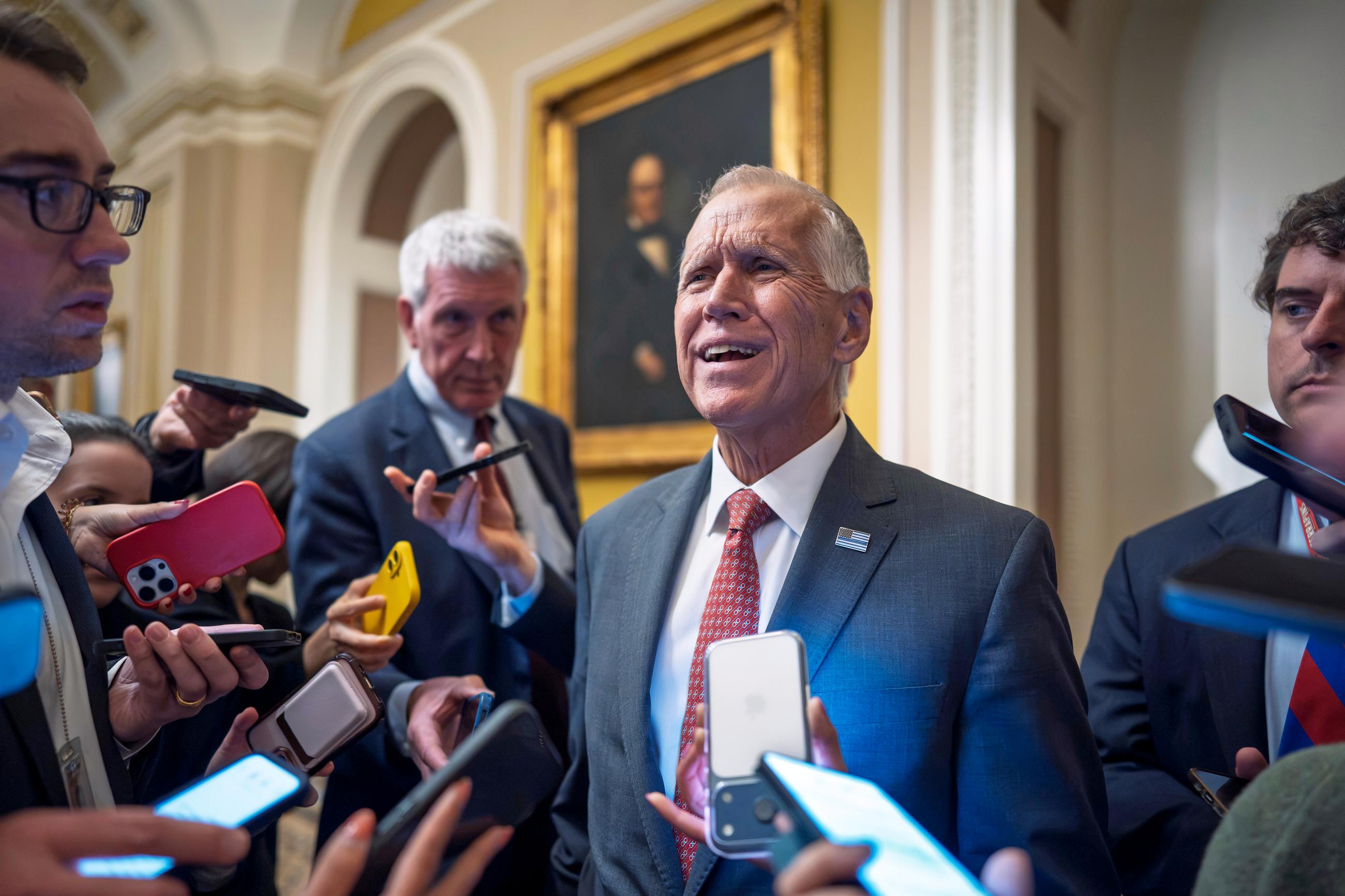
Sen. Thom Tillis (AP Photo/J. Scott Applewhite)
AP Photo/J. Scott Applewhite
Left on the plate
With a large class leaving, many share the same urgency of leaving on a high note and finishing projects they’ve spent years on.
Republican Sens. Bill Cassidy of Louisiana and Thom Tillis of North Carolina—both of whom are leaving—have formed a working group with Democratic Sens. Durbin and Tim Kaine and independent Sen. Angus King to shore up the Social Security Trust Fund before its expected insolvency arrives in 2032.
“I don't think we would get to year-end and know [a solution] … but we may well have a pathway to jump-start the discussion and not wait till it's absolutely critical,” Kaine said. “And it's actually easier to do it if you do it before the last minute.”
Along with the CLARITY Act possibly getting a floor vote in the Senate, Sen. Jeanne Shaheen of New Hampshire—who is retiring—and her fellow Democratic Sen. Raphael Warnock have a bipartisan deal with Republican Sens. Collins and John Kennedy that caps the cost of insulin at $35 on private and employer insurance. A breakthrough on the deal came in May after years of stagnation in negotiations.
The measure has enough votes to overcome the Senate filibuster and is expected to be marked up in committee next month, according to Shaheen.
While policymaking is expected to slow as the November elections approach, the lame-duck period of Congress afterwards could be an important time for any last-minute dealmaking.
Some departing senators, however, are keeping their priorities simple. Tillis—a vocal Republican critic of the Trump administration—has made it his priority to vote in the best interest of his colleagues so they can keep the majority next year.
But even Tillis, who decided not to run for reelection after disagreements with the president over the health policies in last year’s tax-cutting One Big Beautiful Bill Act, was surprised at the high number of senators leaving next year.
“If I’d known that, maybe I’d stay—I’d really move up in seniority,” he quipped, laughing.