June 25, 2026, 5 a.m.
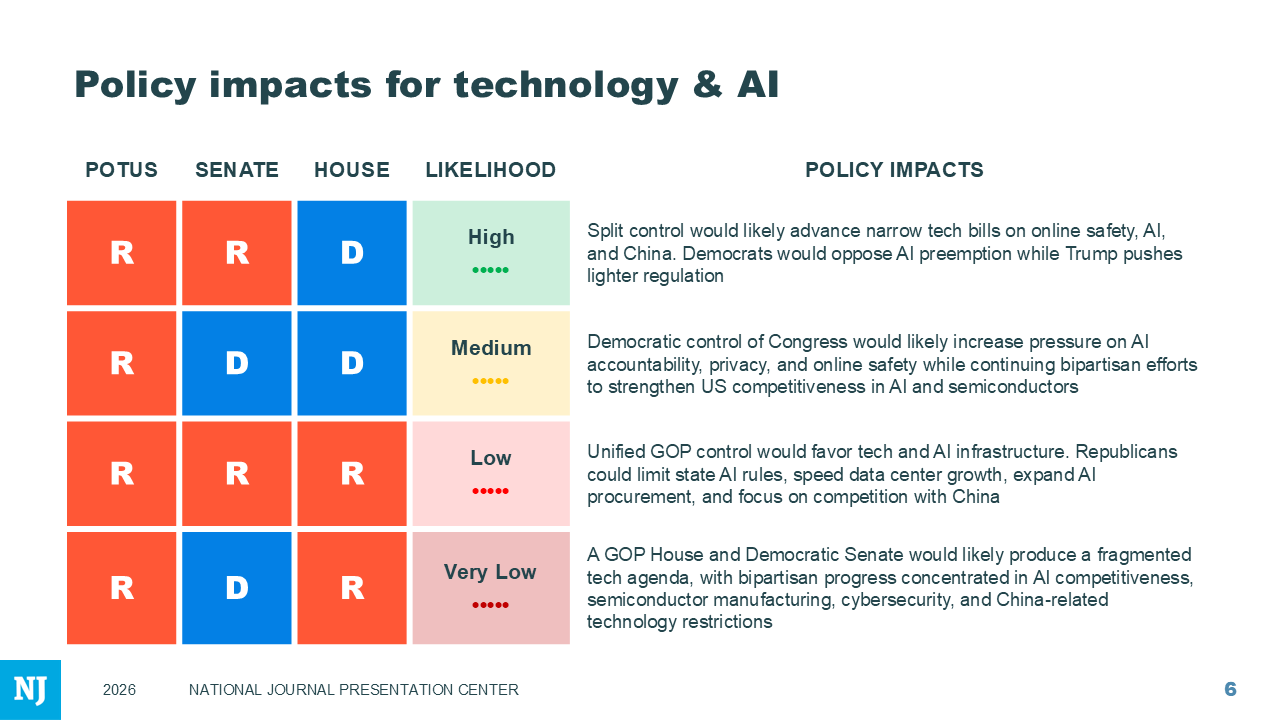
Corporate America is bracing for Democrats to flip at least one chamber of Congress in November.
The first order of business for the business community is preparing for increased scrutiny from the House of Representatives. Democrats are favored to flip the chamber, and candidates on the campaign trail have pledged to hold the Trump administration’s feet to the fire.
Such oversight could put CEOs in the crosshairs, given that some companies have shifted their approach toward Washington in recent years, focusing on winning the approval of the executive branch as Congress suffers from gridlock.
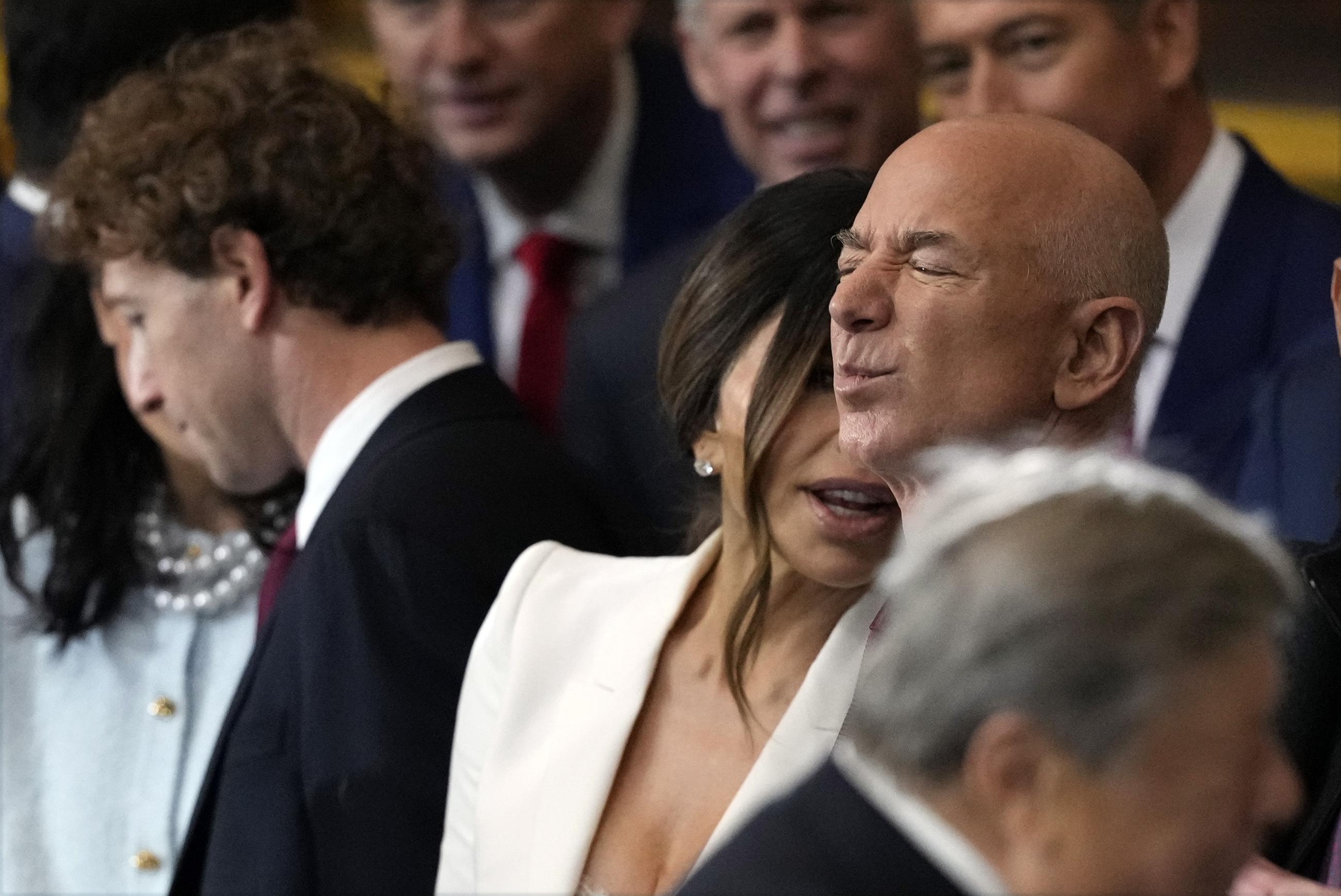
Many CEOs have personally stepped into the political fray to advocate for their business interests: Tech executives including Apple CEO Tim Cook, Google CEO Sundar Pichai, Meta CEO Mark Zuckerberg, and Microsoft co-founder Bill Gates have descended upon the White House and Mar-a-Lago for an audience with President Trump, lavishing him with praise. Cook gifted Trump a custom plaque made of glass and gold, and Zuckerberg attended the UFC fight at the White House coinciding with Trump’s 80th birthday.
That corporate approach might change under a Democratic House majority. House Oversight Committee ranking member Robert Garcia has said he will pursue investigations as chair of the powerful panel if Democrats flip the lower chamber.
Garcia, who has led congressional Democrats’ investigation into convicted sex offender Jeffrey Epstein, unveiled an agenda that would target corruption within Trump’s family and pay-to-play schemes at the Homeland Security Department. Companies that received government contracts, gained influence in the White House, or donated to projects like Trump’s Freedom 250 initiative might be able to provide information to congressional Democrats that the Trump administration will not.
Garcia is requesting investigations into Defense Department contracting with Trump and his family, and has asked Salus Worldwide Solutions to cooperate on an investigation into former Homeland Security Department adviser Corey Lewandowski’s alleged pay-to-play schemes.
“It should not be a concern. We’re going to go after anyone that’s harming the American public, anyone that’s obviously involved in some sort of illegal activity with the Trumps, or supporting things that are unconstitutional,” Garcia told Semafor earlier this month.
They’re going to want to show that the Democratic majority in the House is active ... but they’re not going to be able to do that legislatively. So the only thing they can do is pursue aggressive oversight. ”
Diana Shaw, Wiley Rein
As Democrats set their oversight priorities, companies have a legal duty to provide information when Congress asks for it. Unlike the White House, which has resisted previous requests, companies and their leaders will need to show Democratic investigators they are cooperative. At the same time, they will likely try to maintain good relations with the White House.
“They’re still going to need things from the administration,” Sean Cooksey, former counsel to Vice President J.D. Vance and now managing director with BGR Group, told National Journal. “You cannot simply disengage from the executive branch.”
The Trump-led Justice Department has rejected Democratic requests for information before. When the Democratic-controlled Congress investigated the first Trump administration’s attempt to add a citizenship question to the 2020 census, then-Attorney General William Barr refused to turn over documents, and the House voted to hold him in criminal contempt, then sued him for the information.
A congressional investigation would likely mean staff interviews, document requests, and depositions—meaning time, money, and legal representation for the companies under scrutiny. Companies undergoing congressional investigation risk harming their brand, especially when the investigations are politically polarized.
Companies will need to be able to defend their relationships with the White House to a skeptical, Democratic-led Congress without jeopardizing the relationships themselves.
“One of the central questions is: What’s the story you’re telling Congress to combat whatever governing narrative the investigators on the Hill are propounding in furtherance of their agenda?” said Ronak Desai, partner and head of the congressional practice at Paul Hastings.
Democrats pursued similar investigations into Trump’s conduct after they retook the majority in the 2018 midterms. They pursued an impeachment inquiry into Trump and an investigation into whether Trump obstructed justice during Special Counsel Robert Mueller’s investigation.
As Democrats attempt to campaign on reducing corruption, these companies might be scapegoats. Even as House Democratic leadership seems reticent to pursue impeachment, investigations into the president’s actions are still on the table.
“Leading up to the next presidential election, they’re going to want to show that the Democratic majority in the House is active, that they’re energized, but they’re not going to be able to do that legislatively,” said Diana Shaw, a partner at Wiley Rein working on congressional investigations. “So the only thing they can do is pursue aggressive oversight.”
For now, companies are in a holding pattern. They are not legally obligated to respond to letters from Democrats while they’re in the minority, but signaling a willingness to cooperate might bear them fruit should those Democrats become committee chairs with real power.
“For a company and individual with a pending matter before the administration, many are assessing whether it behooves them to try to resolve the matter now or to let it play out past the midterms,” said John Moran, a former Justice Department official who provides counsel for government investigations. “I don’t think there’s a one-size-fits-all answer.”
As congressional Democrats send letters seeking information, companies are gathering documents and plotting their next moves.
“Even if both chambers of Congress flip, Trump is still going to be the president," Desai said. "And he’s still going to be the key occupant of an incredibly powerful White House.”