June 23, 2026, 3:51 p.m.
CHICAGO—The biggest agricultural and food news here last week was the opening of the Obama Presidential Center, complete with a garden inspired by former first lady Michelle Obama’s White House kitchen garden and her Let’s Move campaign for healthy eating.
The garden, named after Eleanor Roosevelt, who planted the first White House vegetable garden during World War II, was a reminder that the Obamas tried their best to move Americans toward healthy eating but faced opposition from the food industry years before Health and Human Services Secretary Robert F. Kennedy Jr. and his Make America Healthy Again movement rallied conservatives to that cause.
But the week also showed that Chicago today is at the center of the action on agricultural, food, and commodity-futures policy. On Thursday, the same day the Obama center opened, the Chicago Council on Global Affairs held an America at 250 Global Forum that featured a program on global hunger. Across town at the University of Illinois’s Chicago campus, the Food Systems for the Future Institute held a Grocery Retail for All Summit focused on “what works” in bringing healthy food to low-income, underserved communities in both urban and rural America.
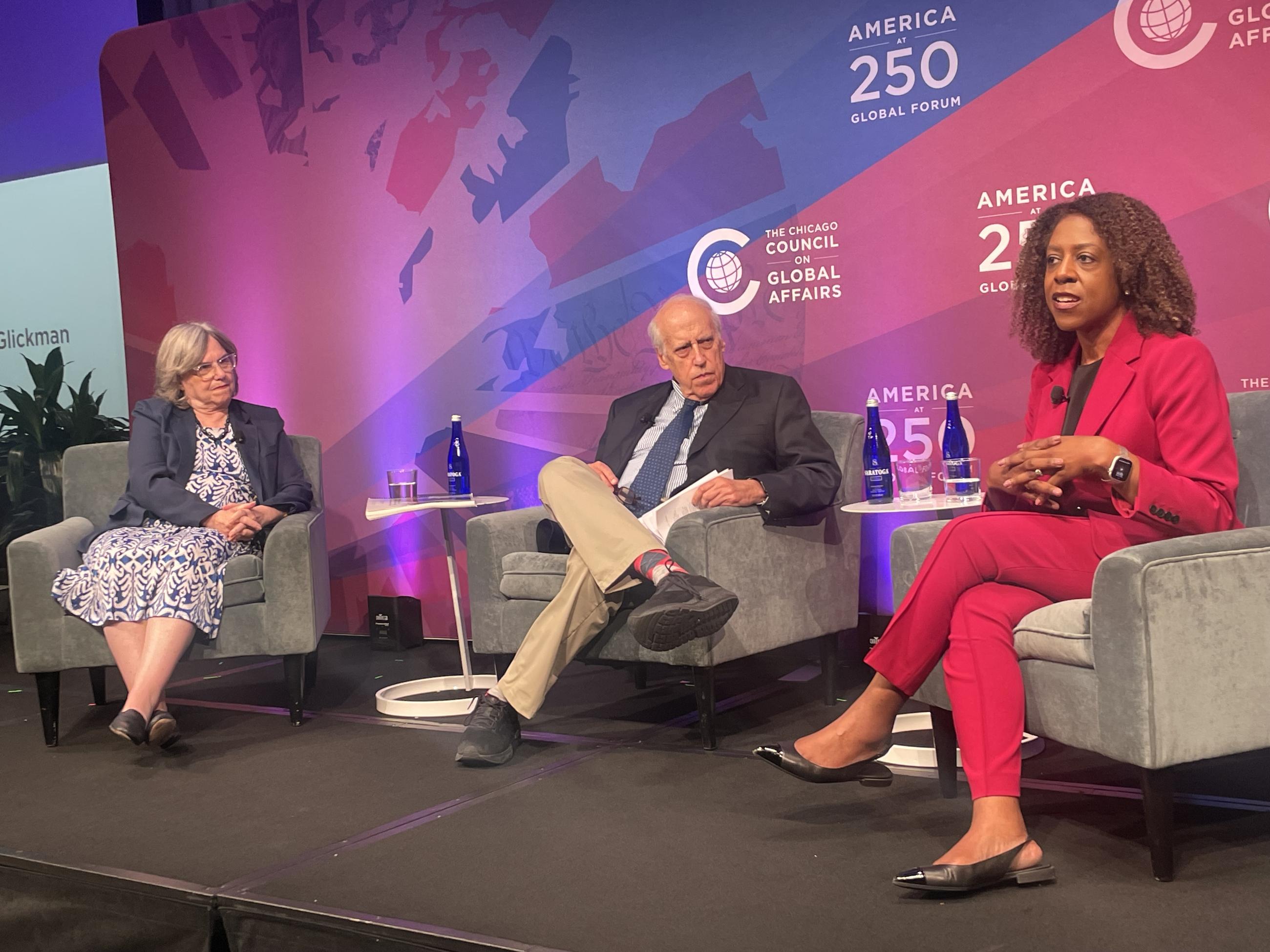
At the Chicago Council event, former Agriculture Secretary Dan Glickman and former United Nations World Food Programme executive director Catherine Bertini recalled that a council report had led the Obama administration to set up Feed the Future at the U.S. Agency for International Development to help small farmers in developing countries increase their productivity. Feed the Future is now dead as part of the Trump administration’s dismantling of USAID. Glickman, Bertini, and Tjada McKenna—who ran Feed the Future and is now the CEO of the global charity Mercy Corps—all pointed out that global hunger has gotten worse, particularly in countries beset by conflict such as Ukraine, Gaza, Sudan, Lebanon, and Somalia. McKenna noted that the Trump cuts had forced Mercy Corps to close school-feeding programs around the world and stop providing therapeutic foods to malnourished infants.
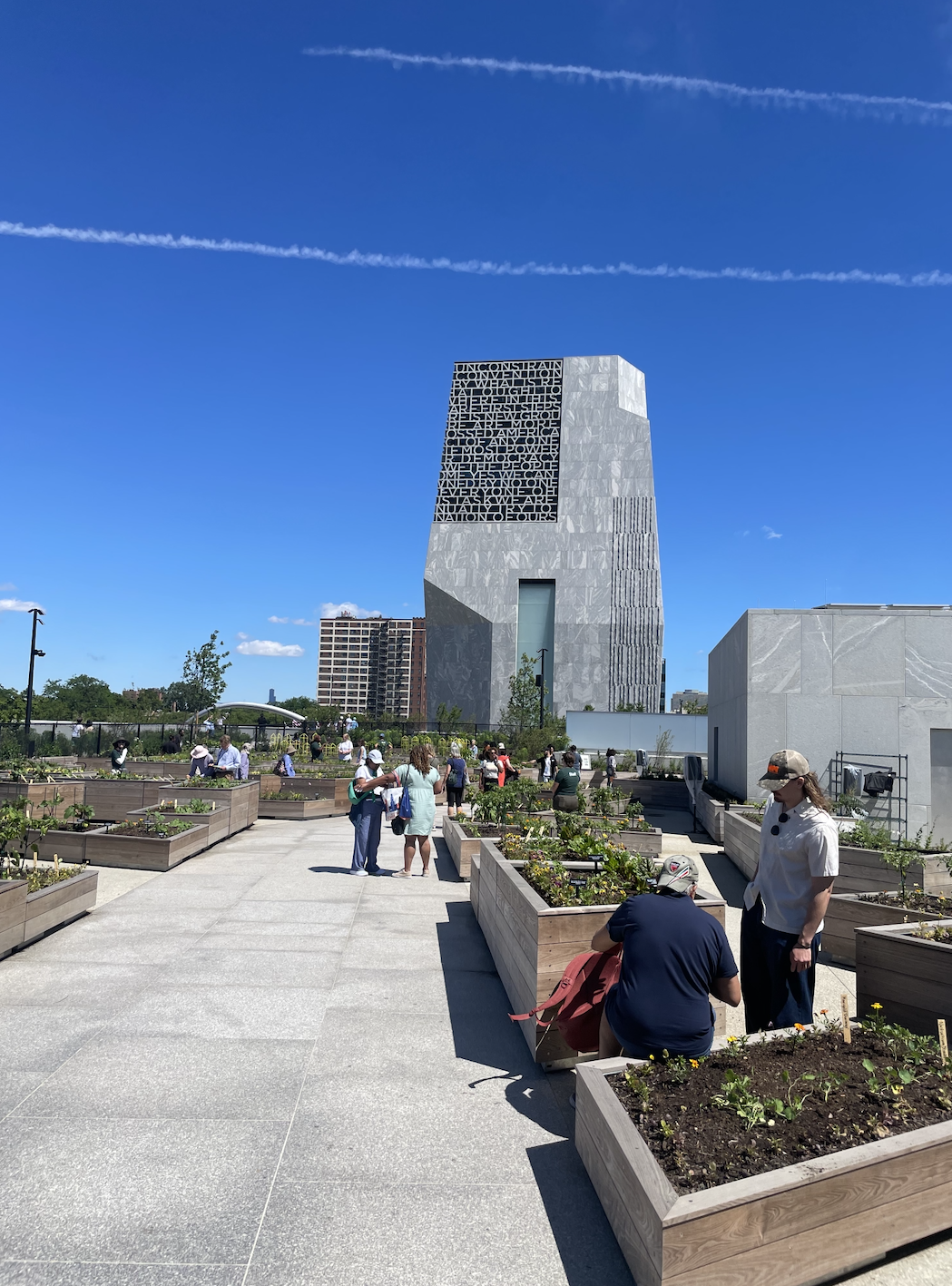
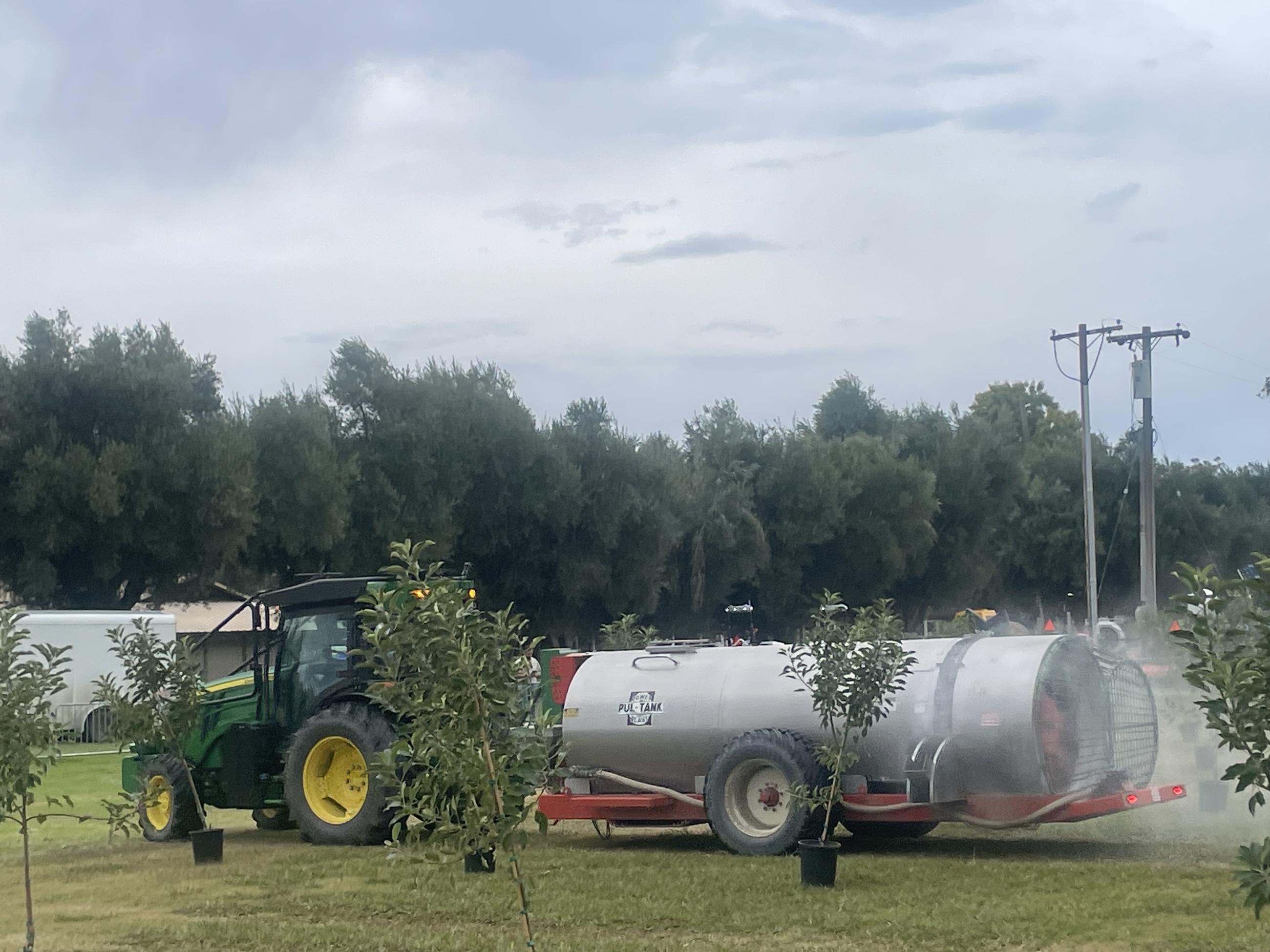
The garden at the Obama Presidential Center in Chicago
Jerry Hagstrom
Glickman pointed out that Food for Peace, the U.S. government’s biggest international food-aid program, has moved from the State Department to the Agriculture Department and that lawmakers from rural states whose farmers benefit from government purchases for food aid have managed to stave off the biggest proposed cuts. Glickman called for food assistance, as well as aid to small farmers, to be placed “high on the political agenda” or, he warned, the U.S. will be “viewed as a weak country.”
Last year the Chicago Council recruited Leslie Vinjamuri from Chatham House in London as its president and CEO. Vinjamuri, who was born in Omaha, Nebraska, said in an interview that the council “has ambitious plans for its work on agriculture and global food security."
"It will convene leading world experts to connect drivers on global food security with the very real challenges that U.S. domestic agriculture is facing right now," she said. "The Midwest has a vital role to play, and the council plays a singular role in deepening connections between stakeholders in this region and globally.”
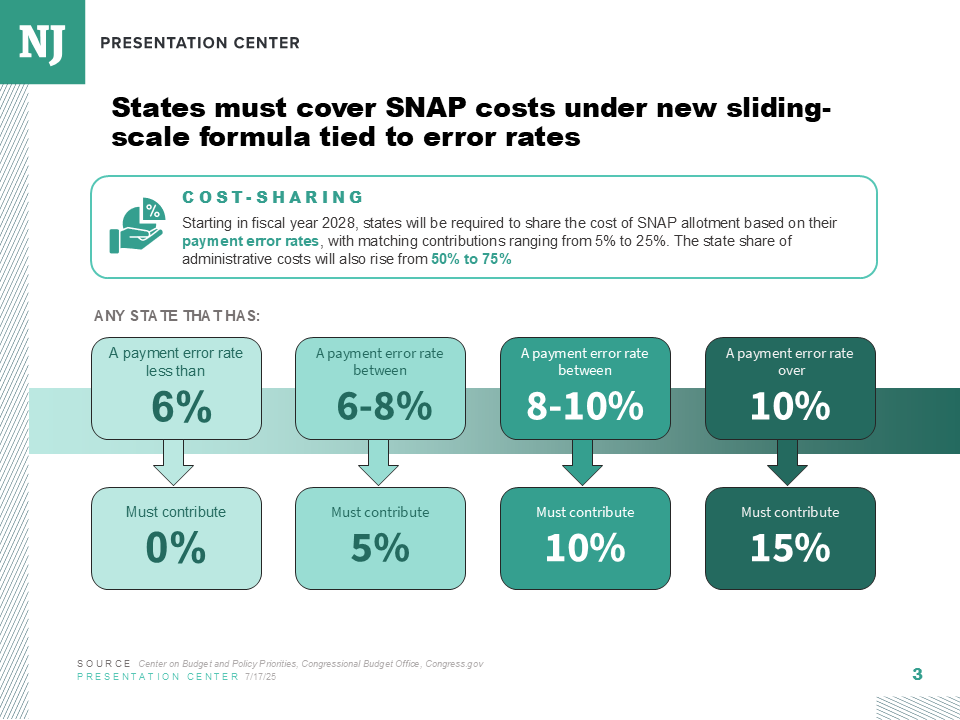
At the grocery summit, retailers and anti-hunger advocates from around the country discussed how small grocers are trying hard to stay in business and how governments at all levels and private institutions can help them. Chris Gessele of the North Dakota Association of Rural Electric Cooperatives said he had convinced grocery stores and restaurants in towns with only 750 people to collaborate on procurement. But Jimmy Wright of Wright’s Market in Opelika, Alabama, said states cannot afford the costs for the Supplemental Nutrition Assistance Program that President Trump's One Big Beautiful Bill Act will impose on them. If states shut down SNAP, grocery stores with a high percentage of SNAP customers in rural communities will go out of business, Wright said.
Chicago has been home to the agricultural-futures market since the 19th century, and it may now become the center of the battle over whether prediction markets should cover agricultural commodities. The Commodity Futures Trading Commission, which has an enforcement office in Chicago, and the states disagree over who should regulate prediction markets and cryptocurrency. The CTFC would prefer to regulate them as futures, while the states would like to treat them as gambling enterprises. As the American Farm Bureau Federation noted in a report this week, “Ensuring that these new instruments do not undermine the core purposes of agricultural futures—risk management and transparent price discovery—will be critical to maintaining confidence and functionality across the wider commodity landscape.”
In everything from domestic and global food policy to the most futuristic issues facing American agriculture, Chicago will be the place to watch in the coming years.