June 11, 2026, 6:54 p.m.
A slate of the Trump administration’s health nominees have been quietly meeting with senators from both parties on Capitol Hill over the last few weeks, as the agencies they’re seeking to lead confront growing concerns about how Washington is managing disease control.
President Trump’s picks to lead the Centers for Disease Control and Prevention, the surgeon general’s office, and the Administration for Strategic Preparedness and Response, have met with a number of senators who sit on the Health, Education, Labor, and Pensions Committee, which is responsible for considering the nominees.
Such meetings are considered routine—but this batch comes amid an unusual number of vacancies in top slots. The last CDC director, Susan Monarez, was fired over disagreements with Health and Human Services Secretary Robert F. Kennedy Jr. over vaccine policy, and the agency has gone without a Senate-confirmed leader for nearly nine months.
The head of ASPR has remained without a leader for the first half of Trump’s term.
Trump’s initial nominee for surgeon general, Casey Means, stalled in committee before getting pulled.
Food and Drug Administration Commissioner Marty Makary resigned after Trump signed off on plans to fire him.
The vacuum in leadership atop several health agencies also comes as the U.S. is facing a number of outbreaks, including a looming Ebola crisis and cases of hantavirus abroad, along with cases of measles and screwworm domestically.
In addition, the top levels of HHS have undergone a significant leadership shake-up, with the intention of refocusing the department’s work on Kennedy's less controversial nutrition agenda rather than on vaccines. With the leadership change came nominations that were considered much less problematic.
The top agencies that would normally monitor disease control, such as CDC and ASPR, are also at diminished capacity due to sweeping federal cuts to the workforce, underlining the need for longer-term leaders rather than acting officials.
“There’s an urgency, but we need competent people,” said Sen. Tammy Baldwin, a Democratic member of the HELP Committee. “We need people who will exercise independent scientific judgment and not simply follow Secretary Kennedy.”
A number of senators confirmed that they’ve held meetings with the nominees over the past few weeks—including HELP Chair Bill Cassidy, who said he met with CDC nominee Erica Schwartz. The meeting, Cassidy said, was “very positive,” and he described the nominee as “very impressive.”
One concern that came up was over vaccines—a key issue as Kennedy has sought to pare back the childhood vaccine schedule and give compensation to victims claiming they were harmed by receiving a shot. In a sign of how supportive she may be of inoculation, Schwartz was formerly appointed as the Coast Guard’s principal expert on flu pandemics.
“She’s a physician, and she understands the importance of [vaccines],” said Cassidy, who is also a physician.
Other senators, including Republican Sen. Roger Marshall and Democratic Sens. Baldwin, Lisa Blunt Rochester, John Hickenlooper, and Tim Kaine, confirmed to National Journal they’ve held meetings with the nominees.
A number of senators from both parties touted the meetings as positive, but only Marshall has committed to supporting Nicole Saphier as surgeon general.
Democratic senators said they still had a number of questions on how the nominees would navigate their roles under Kennedy, who has largely ignored the scientific work of career officials and has caused morale within the department to plummet.
Kennedy has been consumed with his own agenda centered around vaccines and nutrition, according to reporting from The New York Times.
“We haven't made up our minds anywhere,” Hickenlooper told National Journal. “I mean, these are hard times to be appointed to those kinds of positions. We’re going to be very thorough.”
There’s a sense of urgency for this slate of nominations. Cassidy—who lost his reelection primary last month—has roughly six months left to finish his priorities on the committee and leave his mark on public health. That includes vetting this last tranche of major nominees. Last year, Cassidy voted to confirm Kennedy—a vote that he’s openly struggled with before and afterward.
Plus, end-of-year and election schedules are looming large. The Senate is scheduled to be out of town for most of August and October, and leadership has been encouraging committees to finish consideration of nominees as quickly as possible in preparation for a package of other departments’ nominations that could move later in the year, according to a source familiar with the Senate’s plans.
“I think we need to start moving on them,” said Sen. Lisa Murkowski, a senior Republican member of the HELP Committee, of the current nominees.
One hurdle to confirming these nominees before the end of the year is the speed in which their paperwork for nominations can get processed.
The nominees will still have to be vetted by the Office of Government Ethics, an independent agency responsible for assessing conflicts of interest for officials in the executive branch.
Nominees will have to submit a public financial disclosure report of assets they may have, and an ethics agreement outlining how they would resolve any conflicts of interest.
Currently, only one nominee has had paperwork published by the OGE: Sean Kaufman, Trump’s pick to lead ASPR. Any delay in paperwork could make it more difficult for the committee to hold a hearing this year. A HELP spokesperson confirmed that the panel did not receive the paperwork from the two other nominees.
GOP Sen. Tommy Tuberville said that some of the nominees are expected to testify together in a group hearing, likely sometime next month. Otherwise, the hearings could be pushed to later in the year. The hearings have not been scheduled yet.
A HELP spokesperson did not respond to questions on when the hearings will be placed on the calendar. HHS also declined to comment for this story.
Whether the nominees can be confirmed by the end of the year remains to be seen. It’s unclear how long it would take for the paperwork to be finalized by OGE, as the process can take weeks or months.
“On all the nominations, move it along, get thumbs-up or thumbs-down," Hickenlooper said. "Let’s get decisions.”
About the nominees
The portfolio of the nominees is diverse. Schwartz, who was deputy surgeon general during Trump’s first term, is considered a more traditional, medical-establishment pick.
A retired rear admiral in the U.S. Public Health Service Commissioned Corps, Schwartz has spent much of her career in uniform, serving in several Coast Guard positions.
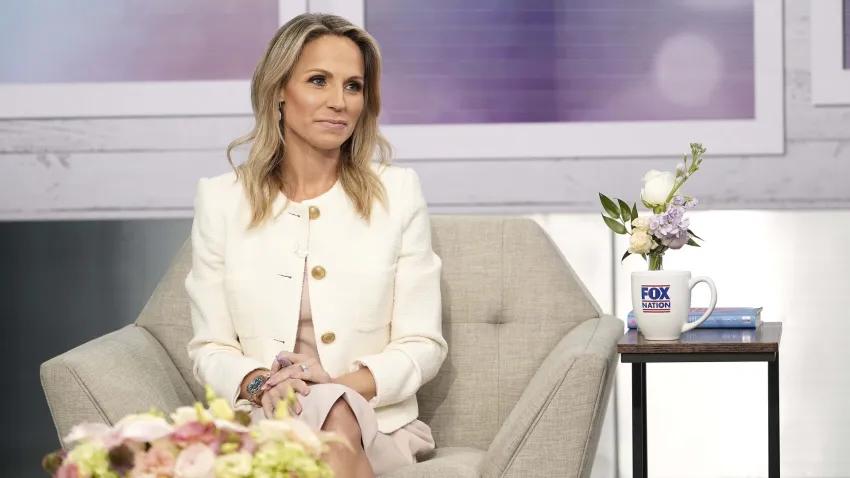
Saphier is a radiologist and director of breast imaging at Memorial Sloan Kettering Cancer Center in New York City. She’s also a former Fox News medical contributor.
Trump’s previous nominee for surgeon general, Means, lacked the statutory requirements to serve in the role—drawing concern from many senators. She dropped out of surgical residency in 2018, and does not have an active medical license.
Saphier, in comparison, has a more traditional medical trajectory. A graduate of Ross University School of Medicine, she also completed her diagnostic radiology residency at Creighton University in Arizona.
While some major figures in the MAHA movement were miffed about Means' nomination being withdrawn, some anti-vaccine groups praised Saphier.
Saphier’s alignment with Kennedy could be considered mixed. While she has supported HHS’s move to pare back the childhood vaccine schedule and has been critical of vaccine mandates, she’s also questioned a number of moves made by Kennedy seeking to find the cause of autism and linking it to vaccines.
ASPR nominee Kaufman, a senior adviser for Global Affairs for the CDC, can be also considered a more traditional pick. He was a former director of training at Emory University’s Center for Public Health Preparedness and Research.
During the 2000s, Kaufman worked at the CDC for nearly a decade in a number of roles, including supporting responses to HIV, anthrax attacks, SARS, and West Nile virus, according to his LinkedIn.
He’s also the CEO of the company Safer Behaviors, which he cofounded with his wife. The company focuses on the integration of behavioral science into biosafety, risk management, emergency preparedness, and workforce protection.
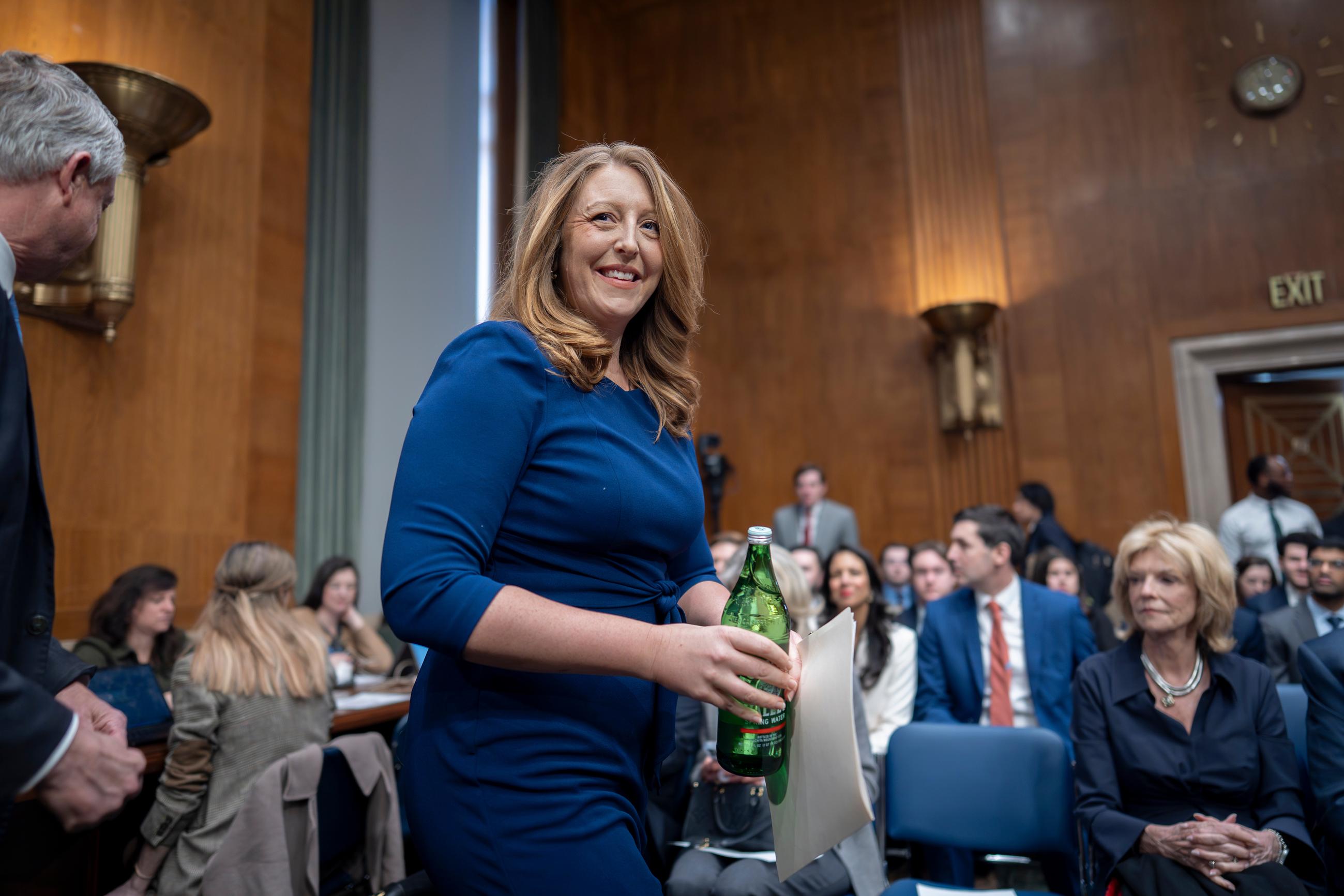
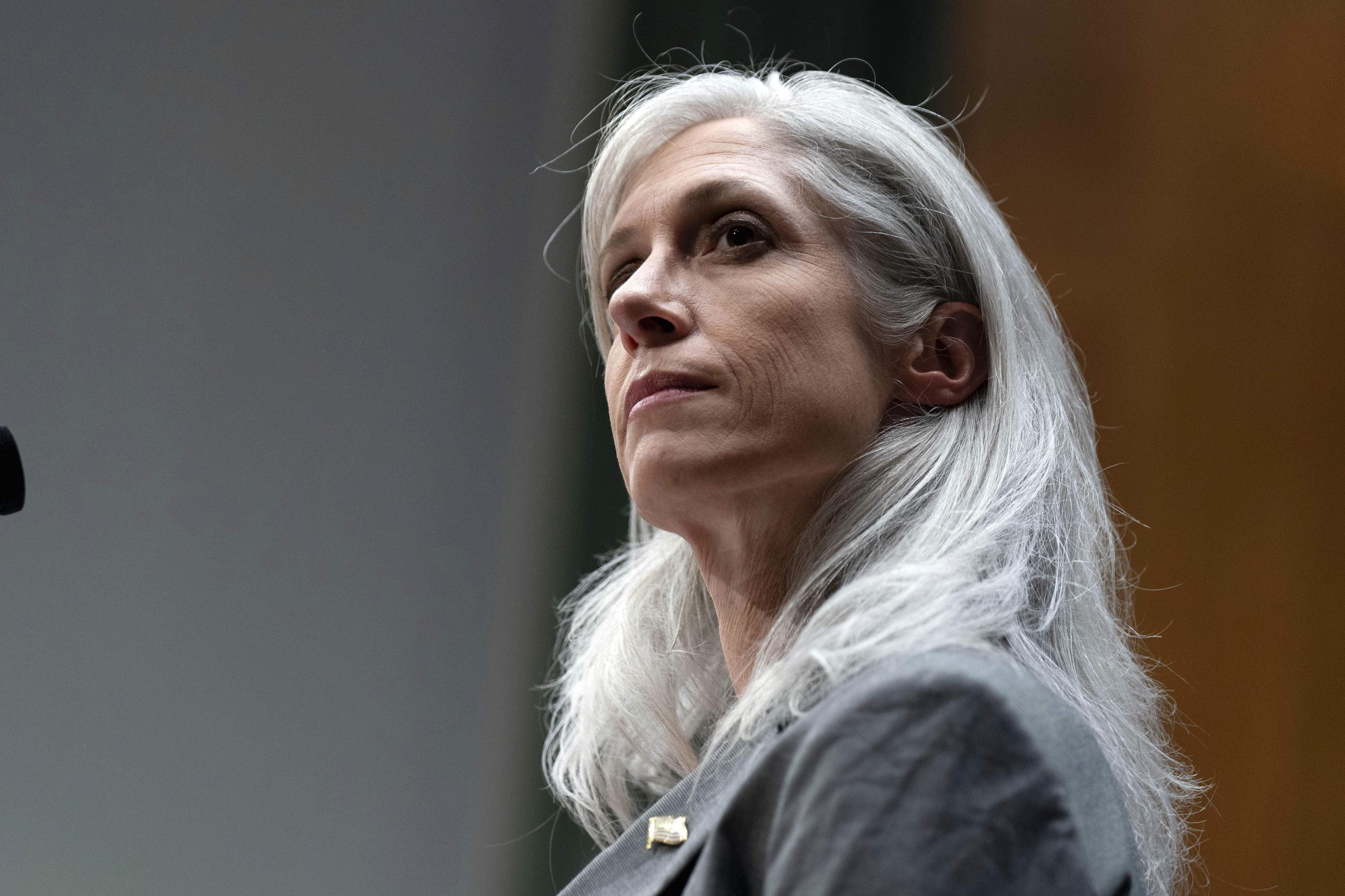
Casey Means at a Senate Health, Education, Labor, and Pensions Committee hearing on Feb. 25 (AP Photo/J. Scott Applewhite)
ASSOCIATED PRESS