May 19, 2026, 3:01 p.m.
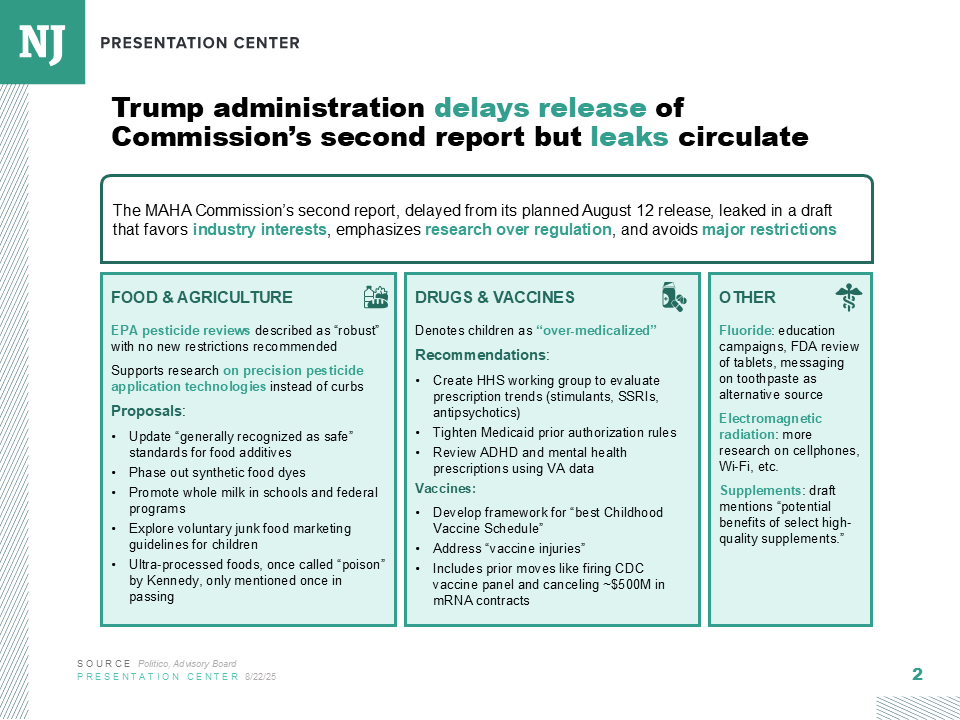
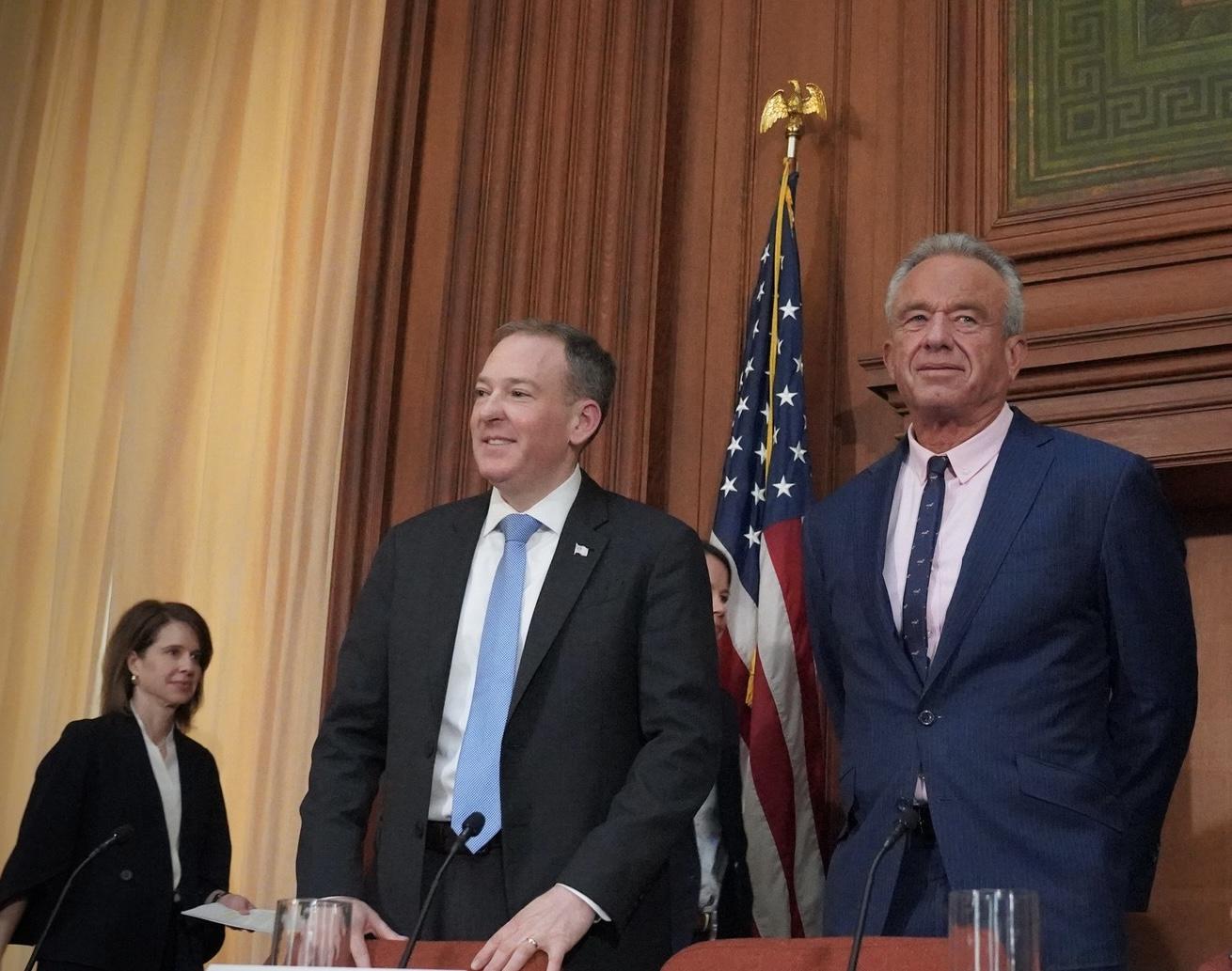
On Monday, when Environmental Protection Agency Administrator Lee Zeldin and Health and Human Services Secretary Robert F. Kennedy Jr. announced their plan for “a comprehensive, lifecycle-based strategy to address per- and polyfluoroalkyl substances (PFAS)” in drinking water, critics were quick to pounce.
Even though Zeldin and Kennedy promoted the plan as part of the Trump administration’s commitment to "Make America Healthy Again" by ridding the country of substances that cause cancer and other diseases, environmentalists and MAHA activists criticized the plan for repealing limits that the Biden administration had imposed on four types of PFAS in drinking water while delaying regulations on two others.
The Trump officials said the Biden rule had been so rushed it was subject to court challenges. Yet the situation demonstrates that getting rid of PFAS is one of the most complicated challenges the federal government has ever faced.
Both the private sector and governments at all levels have used PFAS, a large group of man-made chemicals, since the 1950s to make everyday products resistant to heat, stains, water, and grease. For years, aqueous film-forming foams (or AFFFs) were used to extinguish flammable-liquid-based fires at airports, shipyards, military bases, firefighting training facilities, chemical plants, and refineries. The PFAS from those foams leached into water and farmland, contaminating fish and dairy products from livestock as well as drinking water.
Called “forever chemicals” because they do not break down in the soil, PFAS are still in use today. The American Chemistry Council says it “supports the responsible production, use and management” of PFAS because they are critical to renewable energy, aircraft, semiconductors, and the nation’s defense.
With the chemical industry pledging to minimize PFAS emissions, the immediate issues are how to address contamination that has already taken place and how to avoid future contamination. Both goals have proven difficult because of the cost.
PFAS contamination on farmland was first recognized in Maine, where PFAS were used in fertilizer. After a farm’s soil test in 2016 showed PFAS contamination so high it lost a contract to sell milk, Maine’s government stepped in to help farms transition to products such as corn, which is less likely to store chemicals. Rep. Chellie Pingree and Sen. Susan Collins, both of Maine, introduced the Relief for Farmers Hit with PFAS Act, which would provide farmers and ranchers with financial, technical, and health care support, plus research funding, but the bill hasn’t moved. The House-passed farm bill makes PFAS research a priority, but Pingree faulted the bill for not including any assistance to farmers affected by PFAS contamination.
PFAS contamination on farmland is now a national issue. In New Mexico and Colorado, farms and ranches have been contaminated by runoff from Air Force bases. PFAS has been found on farms in other states, too, but some farmers are hesitant to test their land out of fear they will no longer be able to sell their products.
The American Farmland Trust has established a PFAS and Agriculture Policy Workgroup that includes the American Farm Bureau Federation, environmental groups, and the National Association of State Departments of Agriculture. The group maintains that farmers should be protected from unreasonable liability and third-party lawsuits under the Comprehensive Environmental Response, Compensation, and Liability Act, also known as the Superfund bill.
The group argues that the Agriculture Department needs a PFAS coordinator. It also points out the connection between the use of PFAS on military facilities and farmland contamination, saying the Defense Department should “support farmers directly affected by its actions.”
At the Zeldin-Kennedy news conference, a panel of executives from companies making technologies to address PFAS said much progress has been made in recent years, but that local government officials need more education on what mitigation is possible.
Developing the political will to attack PFAS contamination on a larger scale is difficult because the issue is so sprawling, affecting many government agencies and the congressional committees that oversee them.

Kennedy announcing a plan to address PFAS contamination on Monday
Jerry Hagstrom
The MAHA movement, including the MAHA Moms organization, has been critical of EPA over what it views as deference to industry on PFAS. This week, Kelly Ryerson, a MAHA influencer who is known as Glyphosate Girl on social media, told The New York Times, “We have more than enough evidence to show that forever chemicals are harmful to human health. I would strongly advise the EPA not to move forward on deregulating PFAS if they want to win the November midterms.”
Perhaps the MAHA movement, which crosses party lines, can expand its interest to address the PFAS problem beyond drinking water.