

So far, there are few signs that the Iran conflict will trigger a sudden shortage of gasoline or some other vital product in the United States.
“I’m not losing any sleep over it yet,” said Patrick De Haan, head of petroleum analysis at GasBuddy, which tracks fuel prices.
But fuel supplies have been disrupted in a big way, and there’s concern over trouble ahead if the Iran crisis persists.
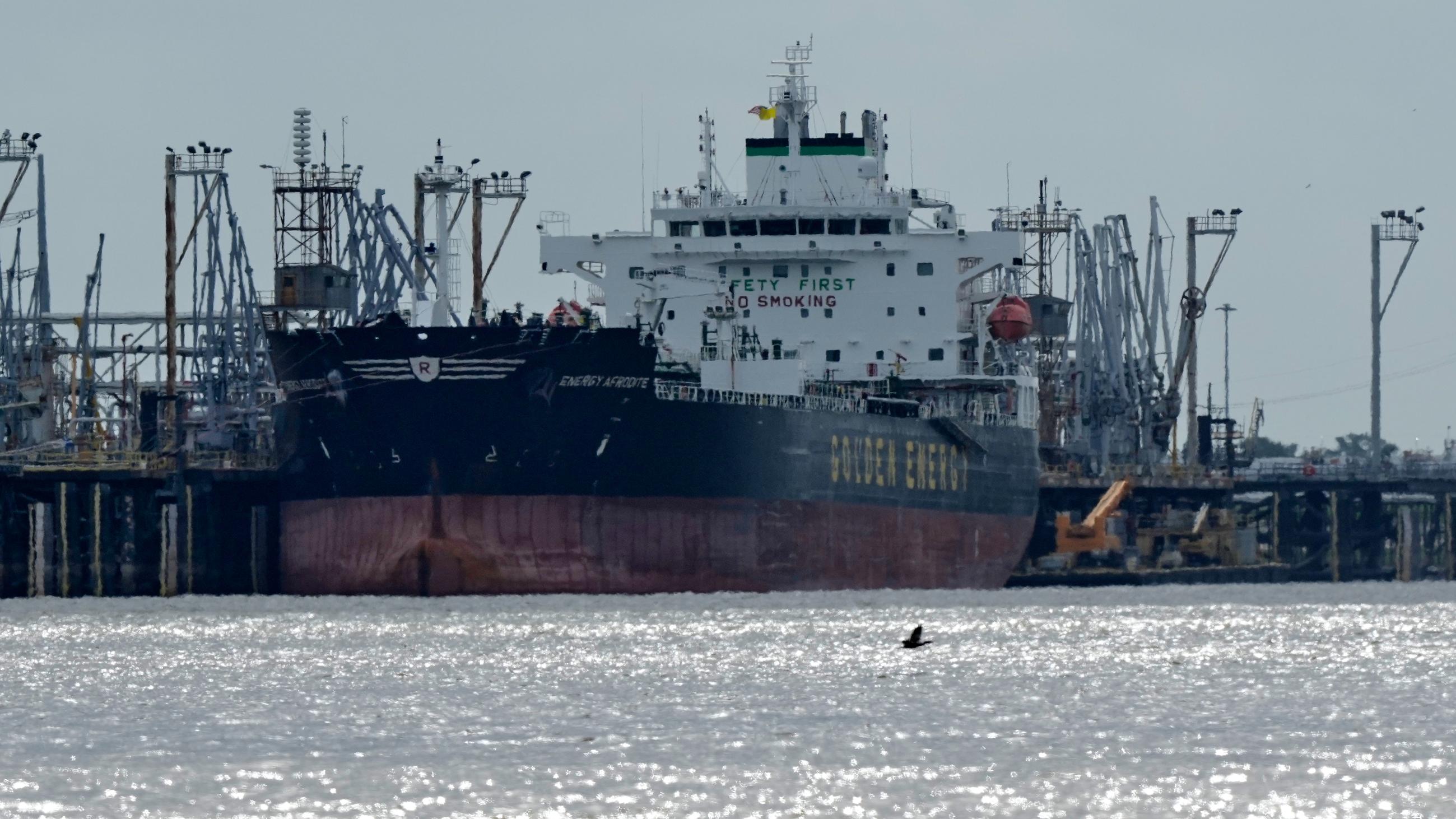
The closure of the Strait of Hormuz, the waterway between Iran and Oman, “has dramatically reduced the availability of oil supplies to global markets and has had cascading effects across oil supply chains,” the Energy Information Administration said in an analysis last week. Twenty percent of the world’s oil flowed through the strait before the Feb. 28 Iran war began.
Even if the current fragile ceasefire holds, this disruption won't end anytime soon. “It will take months for energy and other supply chains to return to anything resembling normal. Refined products like jet fuel, diesel and other chemicals will most likely take at least six months,” wrote Joe Brusuelas, chief economist at RSM, an assurance, tax, and consulting firm, in an email newsletter.
Outside of the United States, there was notable uneasiness about supply. "We will start to see physical shortages. … Economies are going to have to slow," Mike Wirth, chief executive officer of Chevron, told the Milken Institute on May 4, Reuters reported.
Wirth said Asia will see the impact first, along with countries around the Persian Gulf. Eventually Europe will feel the effects.
The United States?
“The Chevron CEO is not necessarily wrong,” said De Haan. But, he added, “The U.S. would be just about the last place we would see shortages."
Panic at gas stations?
One potential problem that could impact supply in this country is unpredictable consumer behavior. History shows that panic behavior can easily develop overnight, regardless of what the data show.
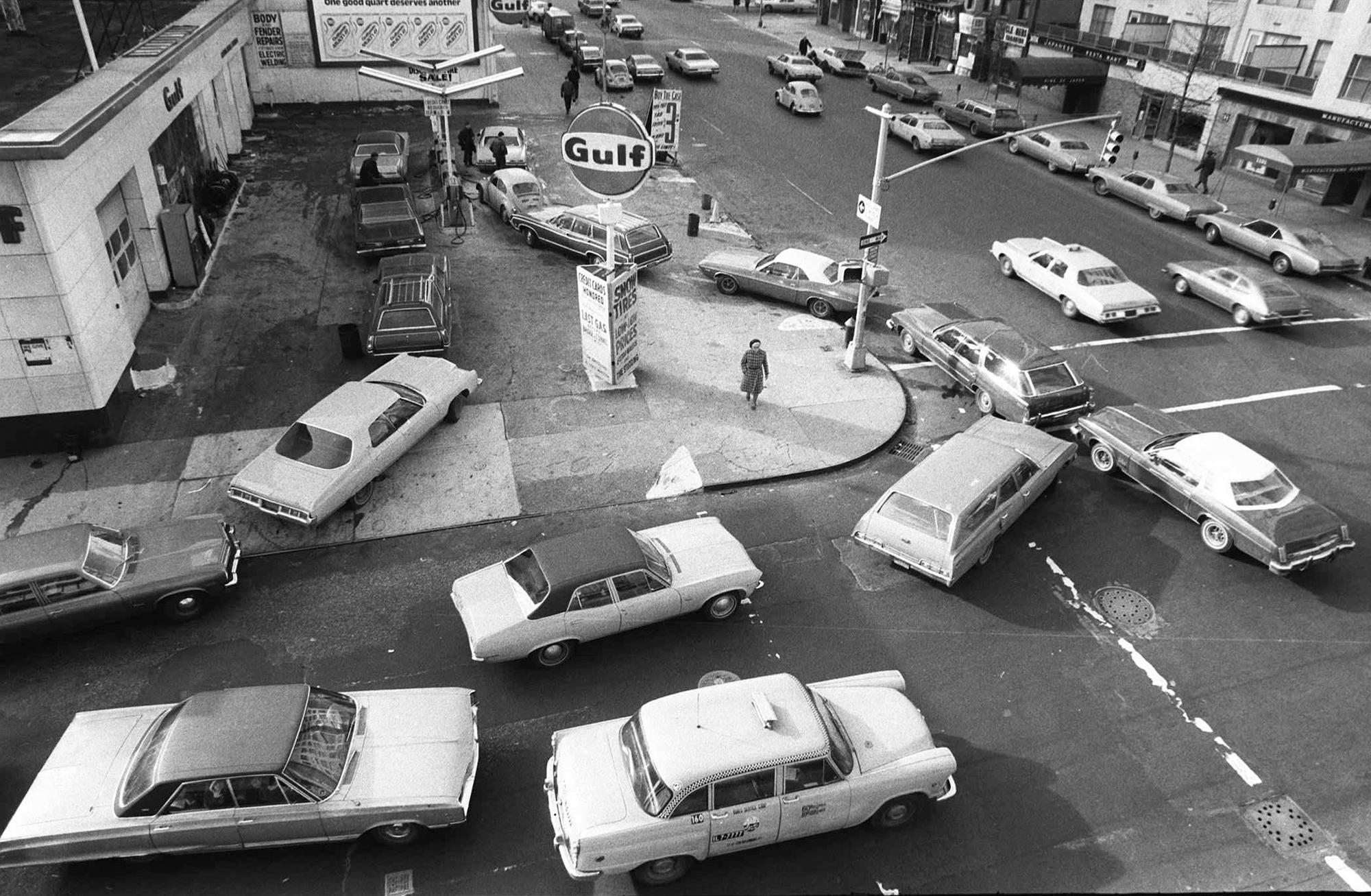
The gasoline supply squeezes of 1973 and 1979 led to long lines at gas stations that seemed to happen instantly once crises intensified.
Panic can start quickly. Think of how suddenly lines at airports recently grew and grew as security officials called in sick because their pay was delayed.
There appears to be little potential for that sort of scenario at gas stations at the moment, as energy policy today is very different that it was 50 years ago.
Widespread use of electric and hybrid cars was unheard of then. There was no Strategic Petroleum Reserve in 1973 to tap for emergencies. And the U.S. is far less reliant on foreign oil today.
“While we aren't insulated from price, the supply shocks of the ‘70s shouldn't be seen in most of the nation as we do have a very strong supply system,” De Haan said.
The seriousness of any disruption also would vary around the United States, he said.
“It's not impossible areas like California could face challenges in the days ahead because of the shutdown of two refineries,” De Haan said. He added that California and the West Coast would likely "win" any bidding for product imports as consumers are generally well-heeled compared to some other countries in Asia that may struggle with cost.
Will sharp price increases persist?
The most logical impact of supply tightness is a chilling effect on consumer spending as demand outpaces supply, driving up prices not only for gasoline but other products and services.
“For consumers, higher gasoline prices are hard to ignore and can put a squeeze on spending," said Vinny Amaru, global-investment strategist at J.P. Morgan Wealth Management. "We expect affordability concerns to remain at the forefront as we head into the summer and midterms.”
Amaru noted that energy-price spikes usually take time to work their way through the economy. That could make the Federal Reserve more reluctant to cut interest rates, since its target inflation level is an annual 2 percent.
Prices were up 3.8 percent over the 12-month period ending in April, and 0.6 percent since March. Energy-price hikes accounted for 40 percent of the increase from March.
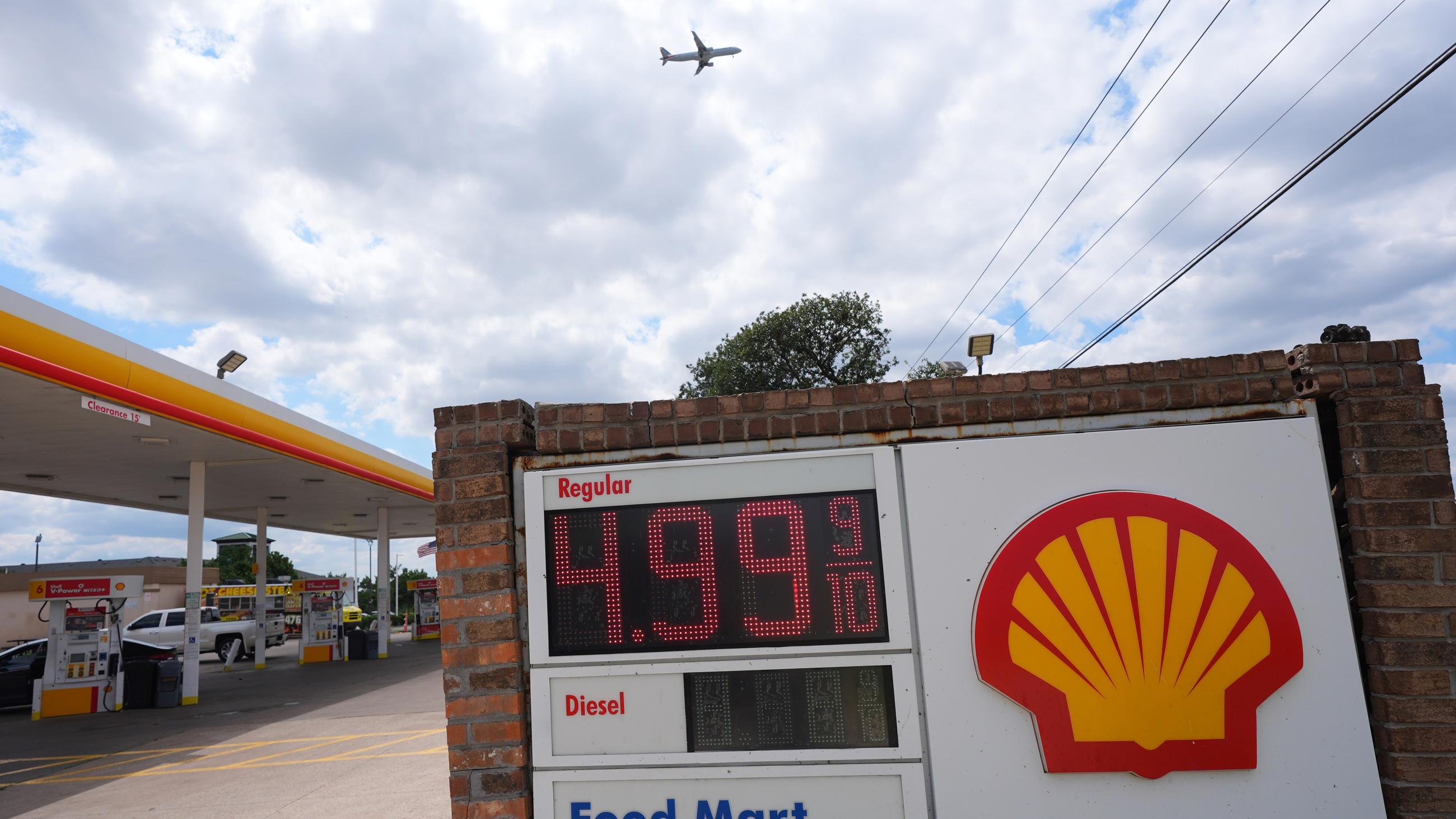
Gasoline prices were steady last week, according to AAA, which reported Monday that the price of a gallon of regular gasoline was $4.52.
That’s helped depress already sinking consumer sentiment, according to the May University of Michigan survey, a view likely to remain until the Iran crisis eases, prices stabilize, and supplies are more assured.
“Volatility is likely to remain elevated as markets continue reacting to every new development tied to negotiations, military rhetoric, and global oil flows,” De Haan said.
“While prices have stabilized somewhat from the sharp intraday swings seen in recent weeks,” he added, “the continued uncertainty surrounding diplomacy and regional stability suggests oil markets will remain highly headline-driven in the near term.”


