
Most young people have completely lost faith in America’s political and societal institutions.
Americans of all ages are concerned about where we are as a country—the latest ABC News/Washington Post/Ipsos poll shows only 31 percent think the country is going in the right direction. Among 18-29-year-olds, however, the Harvard Youth Poll shows that only 13 percent say we’re headed in the right direction. Seven in 10 are “fearful” about the country's future.
The poll also shows that only 15 percent of young Americans trust the federal government. Half agree that “people like me don’t have any say in what government does” and only 20 percent disagree with that statement, while the rest aren’t sure. Three-quarters say politicians are selfish.
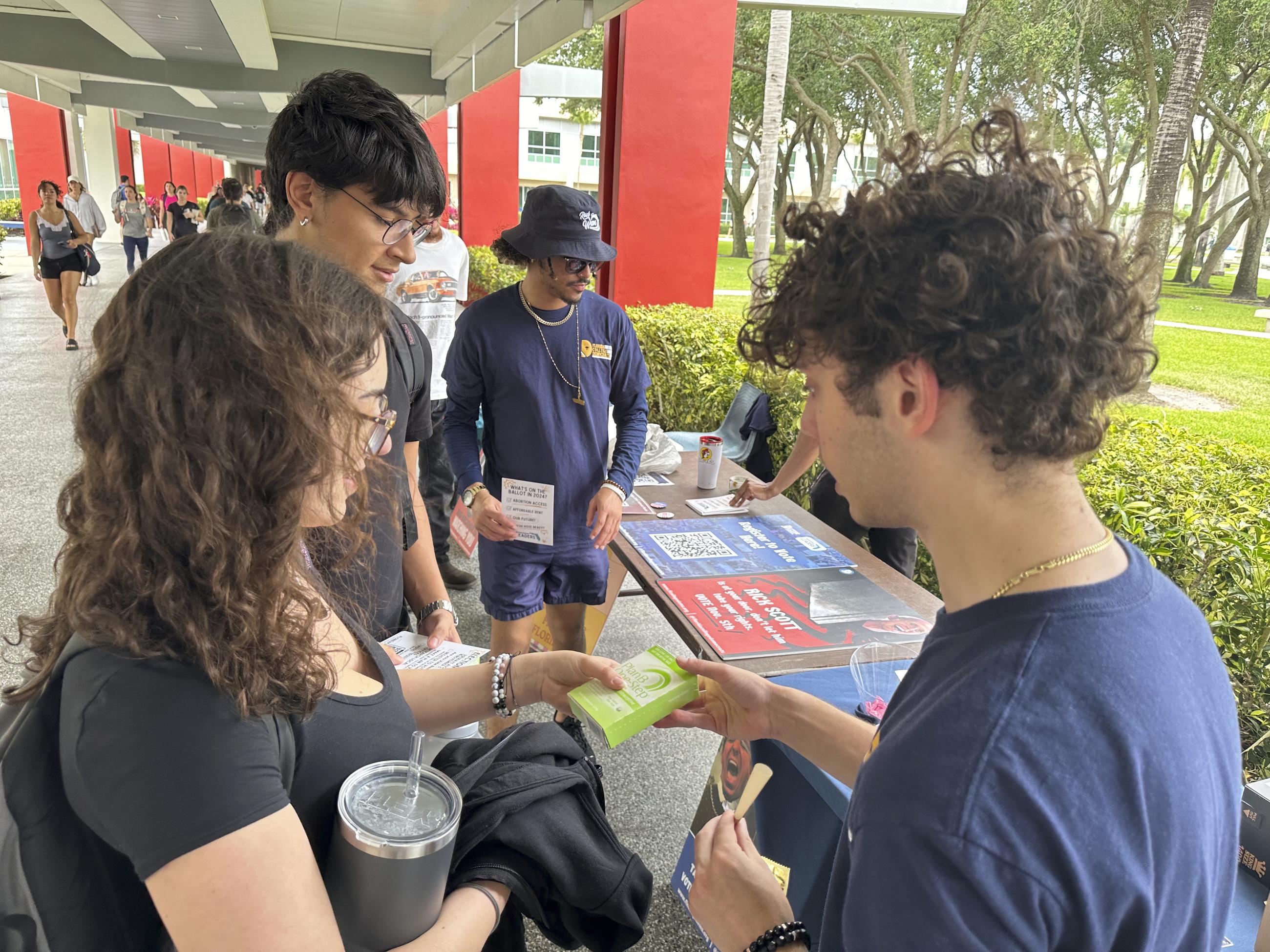
Elections are not a source of hope for many of them. Just one-third say they think the 2026 elections will be conducted fairly, with only 8 percent having a great deal of trust that they will be. Twelve percent are motivated and ready to vote, while another 25 percent are cynical about the political system as a whole, 14 percent are paying attention but not strongly engaged, and 9 percent are frustrated with the choices available.
Not surprisingly, given all of the above, only 35 percent of young Americans are certain they will vote in November.
Youth political interest and voter turnout are consistently lower than among older Americans, so these numbers can be expected to some degree. However, the gulf is now widening beyond what we typically see. Several times throughout the Harvard Youth Poll report, the authors tell us these are the lowest numbers they’ve seen. Some figures have worsened by 10-20 points over the last eight years.
The lack of confidence in any aspect of government is alarming—and it’s not only coming from young Democrats who view the Trump administration as a catastrophe. Just as many young Republicans as Democrats say they feel unheard. In a break from their older counterparts, most young Republicans join the vast majority of young Democrats in being very concerned about the repercussions of the war in Iran.
We know why young people hold these views. The surveys ask a variety of questions about economic factors, revealing deeply held insecurity about what the future holds. And beyond surveys, young people will tell you exactly what they think is wrong when the subject comes up.
I have heard a lot about this over the last few months from my undergraduate public-opinion class. These are students who intentionally signed up to learn about politics—many are much more active in politics than the average 18-22-year-olds. Still, they have often spoken and written about how little the political world seems to care about them, or even think of them, as they try to get on their feet.
My students’ opinions match surveys and interviews with young Americans: They feel the system does not work for them and never has. As one published quote put it, “Young people aren’t disappearing from public life. We’re just waiting for a political system worth showing up for.” They see politics as slow-moving and phony, failing to address their needs. They want to see their values represented, but more than that, they want to see systems that work.
So often politics operates in issues-and-values arguments. We especially see that tendency in discussions of young Americans, cultural issues, and identity politics. The perceptions of college students revolve around stories of anti-Israel protests at Columbia University that turn violent, and around specific courses and experiences at elite universities. None of this is what the vast majority of young people—most of whom are not enrolled in college—actually experience.
Most 18-29-year-olds faced down the COVID-19 pandemic in high school or college. All of our lives were disrupted, but many of these young people lost out on incredibly important coming-of-age events like high school graduation. Policies “to keep you safe” varied across states, communities, and schools, and decisions cast as life-and-death became partisan arguments. Then post-COVID inflation hit hard, and costs remain high amid the threat of AI taking away entry-level jobs.
Politically, young voters have never experienced a presidential election where Donald Trump wasn’t on the ballot in their adult lives. It’s hard to overstate how much Trump shifted the political atmosphere from 2015 onward into a more contentious, negative environment, with few apparent wins for anyone.
I understand why they’re mad.
Contributing editor Natalie Jackson is a vice president at GQR Research.