National Journal Logo
×

Welcome to National Journal!

Enjoy this premium "unlocked" content until August 31, 2026.

Continue

Is this the Democratic tea party?

Moderate Democrats warn that a progressive uprising could hijack the party’s chances of flipping the Senate.

Maine Senate candidate Graham Platner (AP Photo/Robert F. Bukaty)
ASSOCIATED PRESS
Add to Briefcase
Nicholas Anastácio
May 6, 2026, 5:50 p.m.

In 2010, the tea party transformed the Republican Party. Some of the GOP's most conservative candidates shocked seemingly entrenched moderates in primaries in battleground seats. A handful of those candidates lost in the general election, preventing Republicans from cutting into Democrats’ Senate majority despite GOP-favorable conditions

Six years after leading the Democratic Senatorial Campaign Committee to four seat flips and a majority, Sen. Catherine Cortez Masto of Nevada is urging her fellow party members to nominate moderate Democrats and avoid a Democratic tea party this November.

“What I know, as a moderate living in a battleground state, it is the moderate candidates who do much better and are more successful in these swing states,” Cortez Masto told National Journal in an interview.

Cortez Masto, the current honorary chair of the center-left ModSquad PAC, is among a cohort of moderate Democrats attempting to sway their party’s base to back centrist candidates over progressive firebrands in several battleground Democratic primaries. A trio of Midwestern primaries in Iowa, Michigan, and Minnesota could put her message to the test.

“We’ve got to focus on those candidates that are listening to their voters, that can cross over from Democrat to independent to nonpartisan and focus on problem-solving and say it’s OK to work across the aisle when we’re problem-solving on issues that matter to those voters and in those swing states,” she said.

The ModSquad already identified its preferences in the three Midwestern contests, endorsing Iowa state Rep. Josh Turek to flip a Republican-held Senate seat and Reps. Haley Stevens of Michigan and Angie Craig of Minnesota to retain Democratic-held seats. All three Democrats are also reportedly the preferred picks of Senate Minority Leader Chuck Schumer and the DSCC, indicating an inclination for battle-tested candidates.

“Ideology alone is not going to be enough, even though I think most Democratic primary voters do understand that in swing states and in competitive elections there is—let’s call it a performance bonus to being ideologically closer to the median voters in that area than being an ideological warrior per se,” said David de la Fuente, the deputy director for politics and research at the centrist Third Way.

Some centrist Democrats are heralding the DSCC’s midterm strategy, pointing to the party’s successful recruitment in GOP-leaning states—of former Rep. Mary Peltola in Alaska, former North Carolina Gov. Roy Cooper, and former Sen. Sherrod Brown of Ohio in GOP-leaning states. Majority Democrats, a group spotlighting swing-area elected officials like Craig, conducted research through its PAC dubbed the Democratic Primary Project showing that Democratic primary voters are more concerned with pocketbook issues than with national, ideological issues.

Yet Schumer’s Midwestern picks are locked in competitive primaries against candidates winning over progressive, and at times moderate, support. Primaries in Iowa and Minnesota could serve as moderate-versus-progressive proxy wars, as Turek faces Iowa state Sen. Zach Wahls and Craig faces Minnesota Lt. Gov. Peggy Flanagan. A three-way primary in Michigan between Stevens, state Sen. Mallory McMorrow, and 2018 gubernatorial candidate Abdul El-Sayed could see a blurring of ideological lines.

Some progressives reject the idea that moderates are the most viable general-election contenders.

“The same f**king idiots that have been picking our 'electable' candidates since 2008 have lost us 1,000 seats nationwide through that and then lost to Donald Trump twice,” said Corbin Trent, a co-founder of Justice Democrats and a former aide to Rep. Alexandria Ocasio-Cortez.

The “Fight Club,” a group of Senate Democrats critical of Schumer’s midterm strategy, has already intervened in the three primaries. In Minnesota, eight senators—including Sens. Elizabeth Warren of Massachusetts, Tina Smith of Minnesota, and Bernie Sanders of Vermont—endorsed Flanagan. Warren endorsed Wahls and is set to stump for him in Des Moines this weekend.

In Michigan, Fight Club support is split between Stevens’ opponents, with Sanders backing El-Sayed and four Senate Democrats, including Warren, backing McMorrow. The state senator is also receiving attention from some moderates in the party, and Schumer has privately signaled his satisfaction with McMorrow as the nominee despite her public opposition to him.

“Voters want someone who will fight for their values and someone who can actually win, and that’s why electability is important,” said Matt Corridoni, a spokesperson for The Bench, a group dedicated to reshaping the face of the Democratic Party that supports McMorrow, Peltola, Turek, and Texas state Rep. James Talarico.

Polling shows the Midwestern primaries remain competitive, but general-election scenarios show varying results for progressives. Democratic candidates in Iowa and Minnesota are performing similarly in head-to-head matchups against Republicans. In Michigan, a handful of polls show Stevens as the strongest Democratic nominee against former GOP Rep. Mike Rogers.

“Poll after poll has shown that Haley Stevens is the only candidate in the primary who is either consistently beating Mike Rogers or in a position to beat Mike Rogers,” Stevens adviser Caitlin Legacki told National Journal. “If Democrats are serious about keeping this seat blue, they need to nominate Haley Stevens.”

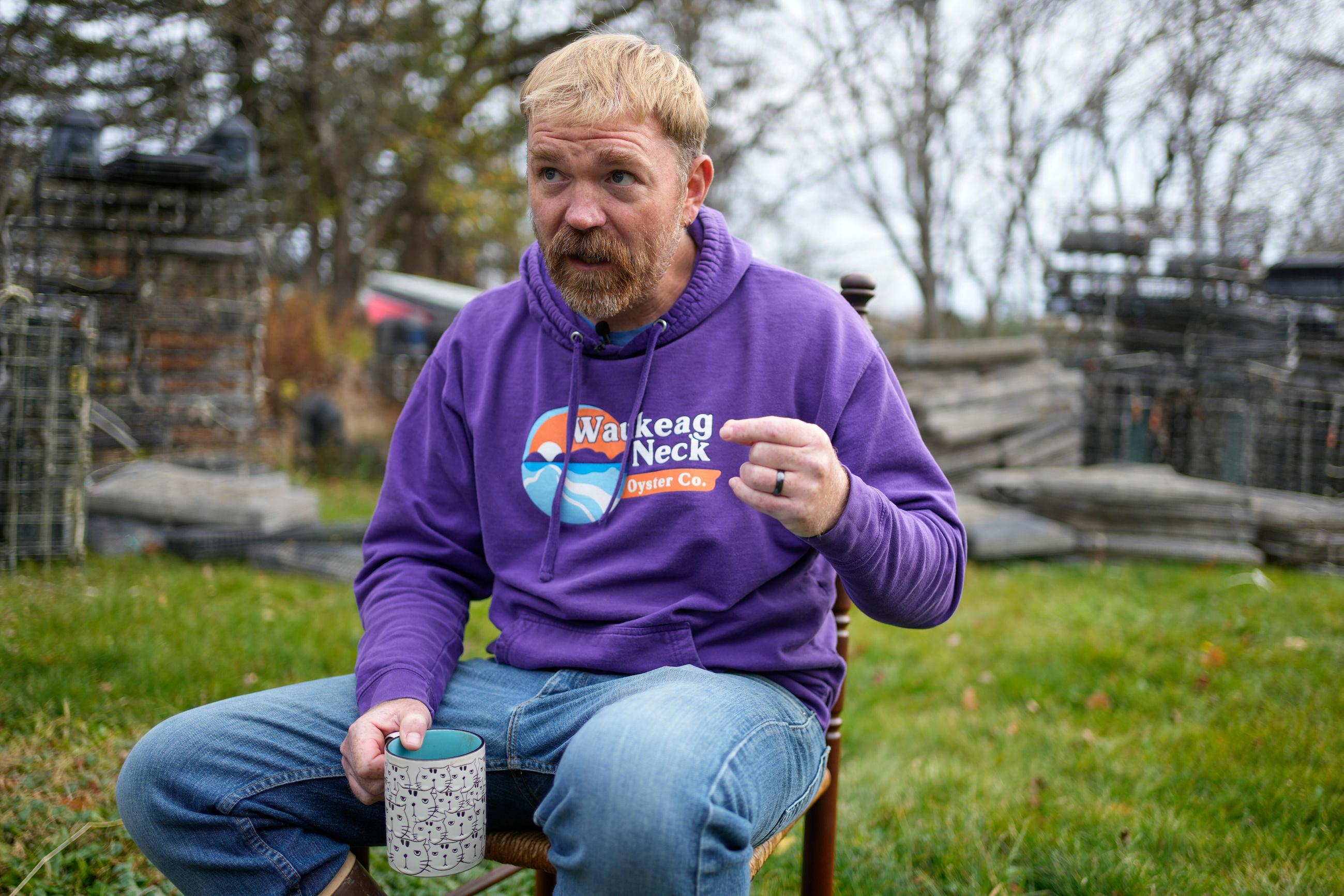
Moderates had their first major loss in Maine when Gov. Janet Mills dropped out of the Democratic primary to take on Sen. Susan Collins, making oyster farmer Graham Platner the presumptive Democratic nominee. Schumer, DSCC Chair Kirsten Gillibrand, and Cortez Masto all openly backed Mills’ bid, but the governor couldn’t keep up with Platner’s momentum despite highlighting his several controversies.

“Platner could still win, but it’s going to be a hell of a lot harder,” one Democratic strategist familiar with the DSCC told National Journal. “There’s also a world where ... if it’s not a good election night, none of these candidates on the Left win.”

Iowa’s Democrats will choose their nominee in the June 2 primary, but Democrats in Michigan and Minnesota will have to wait until August to decide their Senate nominees, giving moderates and progressives more time to pitch their candidates to voters.

“In primaries where Republicans are playing in Democratic primaries and lifting up the progressive in a swing state versus the moderate, that’s probably your clue that the Republican wants to run against a progressive in that swing state because they think that they can beat that progressive over the moderate candidate,” Cortez Masto said.

Welcome to National Journal!

Enjoy this featured content until August 31, 2026. Interested in exploring more
content and tools available to members and subscribers?

×
×

Welcome to National Journal!

You are currently accessing National Journal from IP access. Please login to access this feature. If you have any questions, please contact your Dedicated Advisor.

Login