Consumers expect to spend more money on stuff they want or need right now, such as spending a day at an amusement park or fixing up their home, and many are getting a boost from bigger tax refunds.
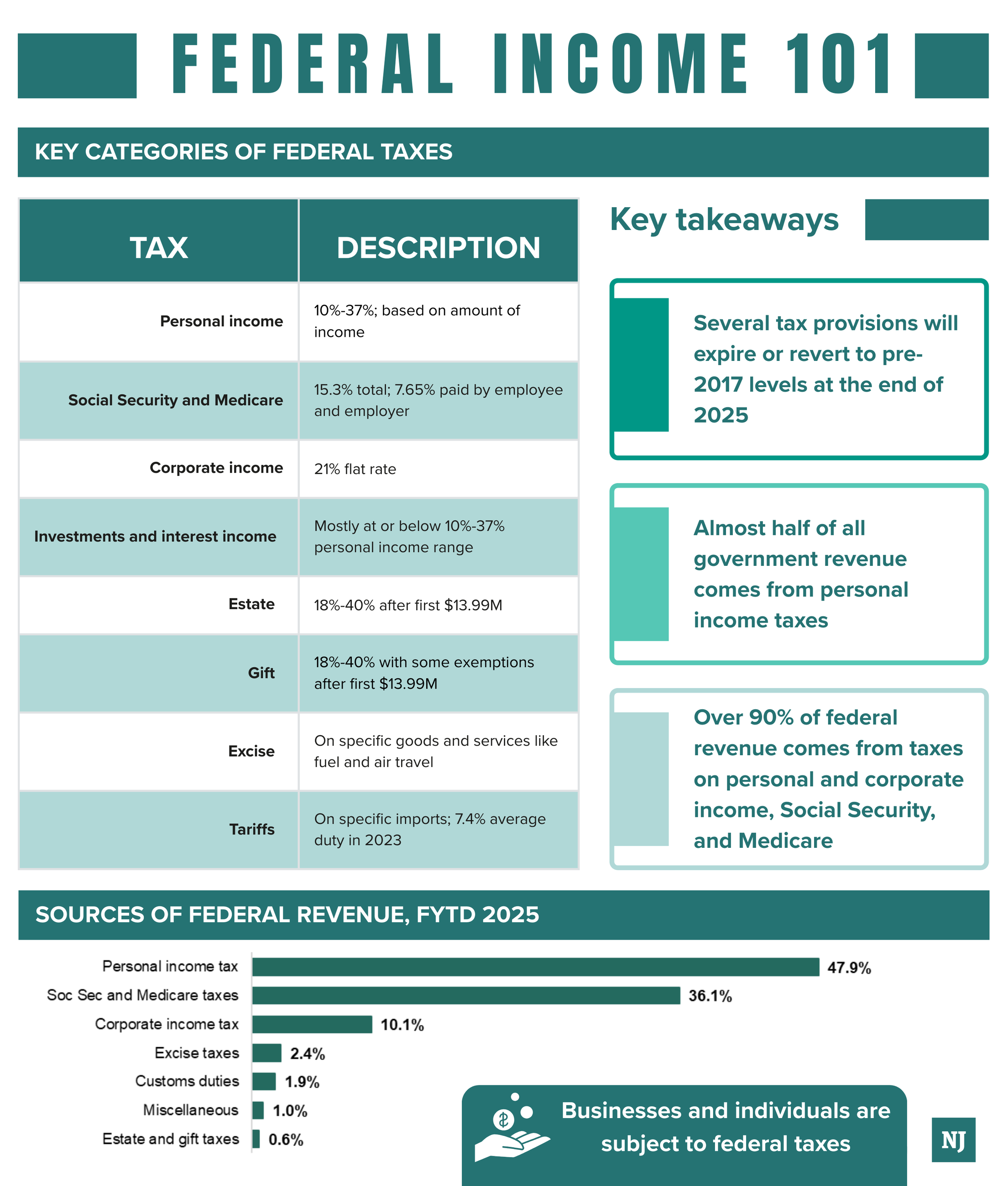
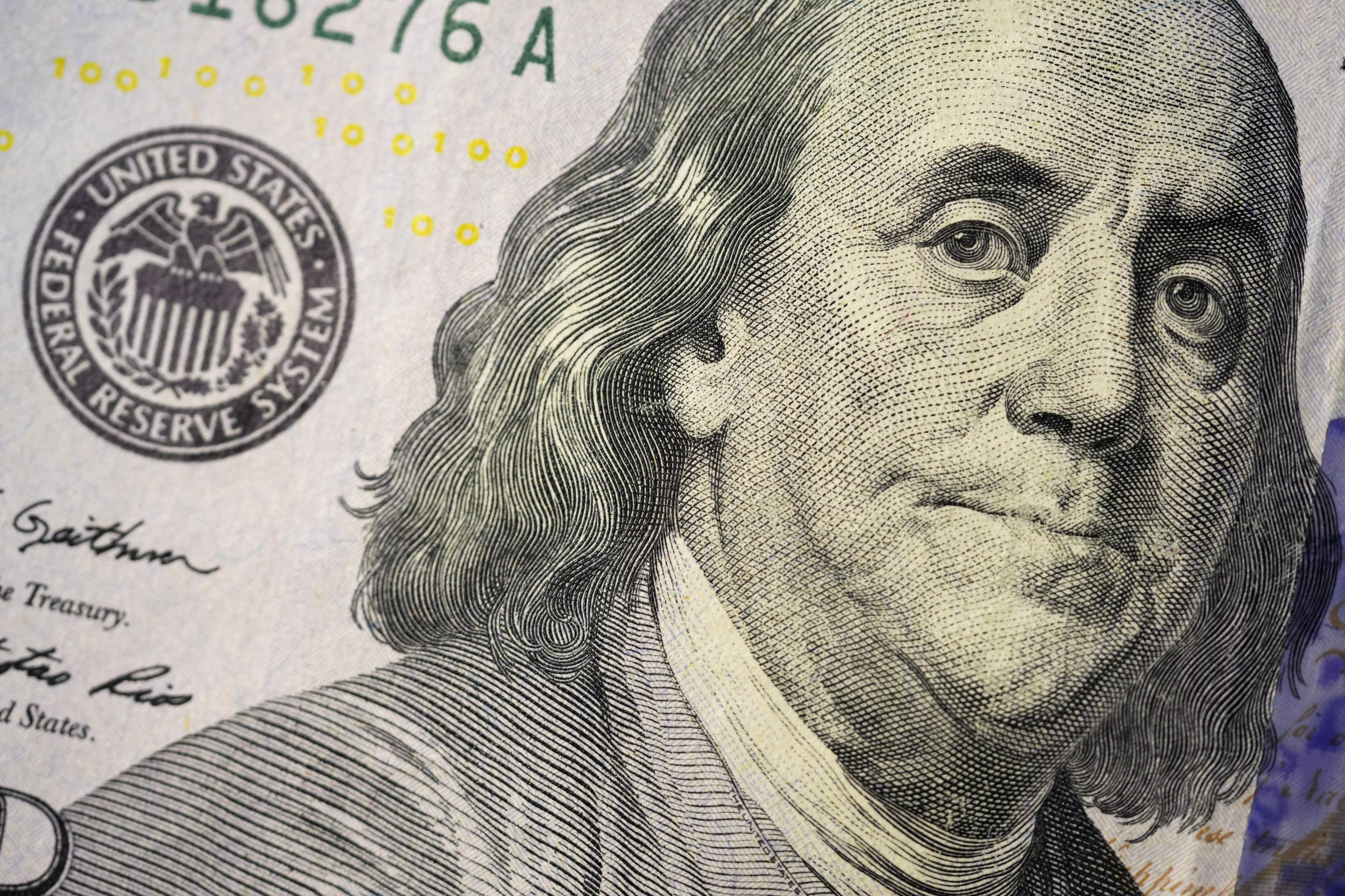
That’s the finding from new independent consumer surveys, highlighting a trend that’s helping sustain economic growth. Last year’s One Big Beautiful Bill Act tax cuts have helped increase federal income-tax refunds this year by an average of about 11 percent so far.
But experts warn that the refund boomlet will end, and the nation’s economic health could be at risk as higher energy prices continue to elevate the price and supplies of all sorts of goods and services.
“Consumer spending trends in 2026 remain focused on ‘cheap thrills’ and necessary services, and away from expensive and highly discretionary activities,” said The Conference Board, a New York-based research group, in its monthly analysis of consumer sentiment.
The average refund this year, as of April 3, was $3,462, up from $3,116 last year, according to the IRS. About 67.7 million refunds have been issued, up 3.1 percent from last year. About 100 million returns have been processed.
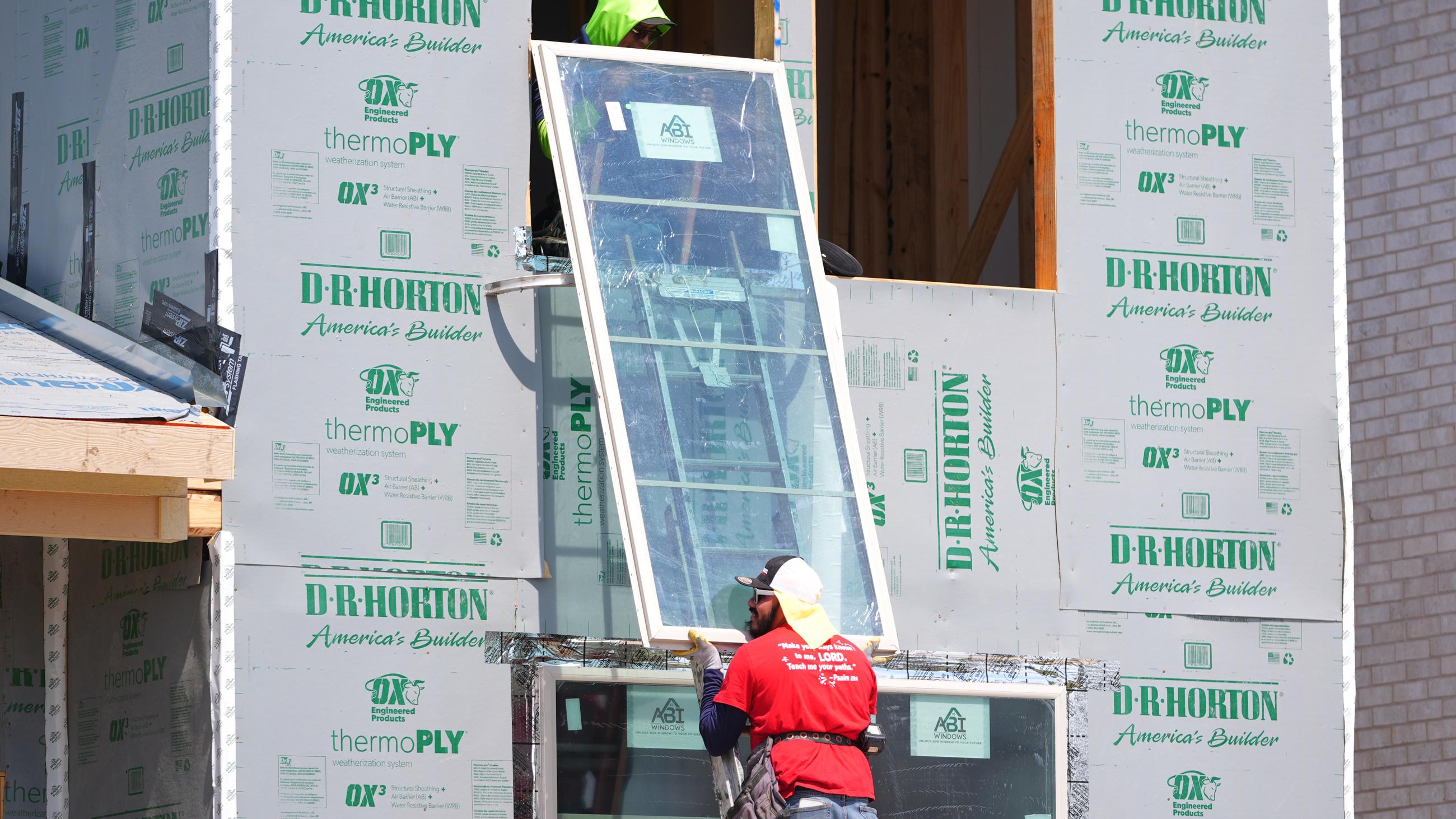
The bigger refunds historically tend to prod more spending on durable goods, such as appliances and furniture, according to a Morgan Stanley analysis.
The group’s AlphaWise Consumer Pulse surveys cite other areas where spending could jump, including everyday purchases, vacations, clothing, and home improvements.
People want to have a good time as well. “Restaurant demand could also have a significant boost, with casual dining being the clearest beneficiary from the potential increase in discretionary spending,” Morgan Stanley concluded.
“In the same spirit, airlines, hotels, cruise lines, timeshare companies and casinos may also see higher bookings as consumers channel additional cash into experiences,” according to the firm.
The OBBBA's impact
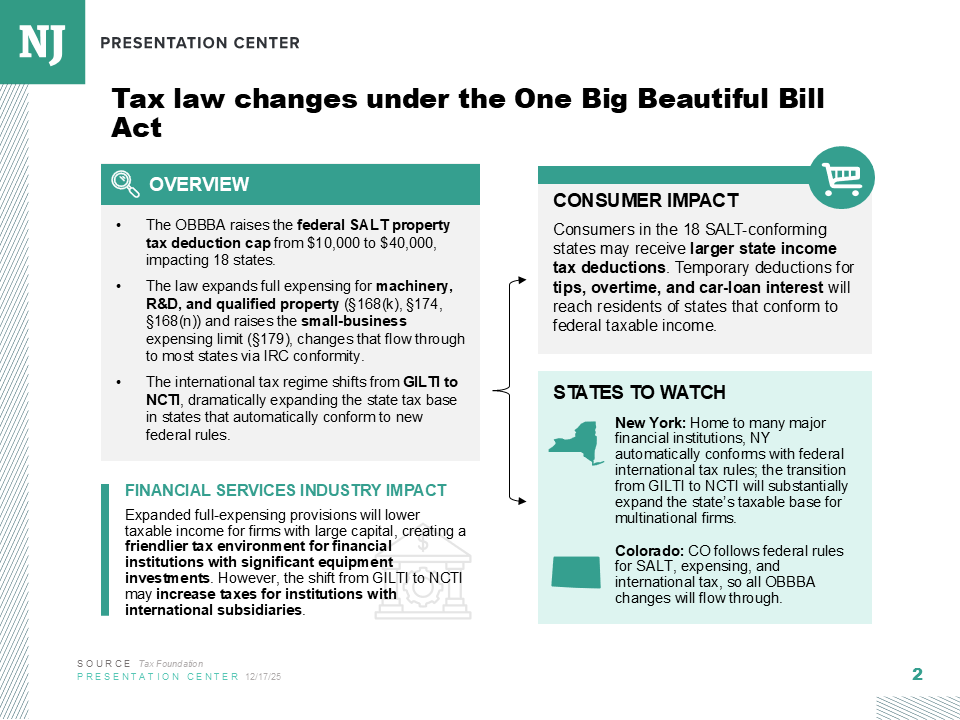
The One Big Beautiful Bill was President Trump’s priority after he was sworn into office 16 months ago. It passed the Republican-led Congress on a largely party-line vote, extending 2017 tax cuts and adding new tax breaks.
Its deductions for tips and overtime should most help middle-income taxpayers, the Morgan Stanley report said.
It found that higher-income consumers and homeowners should benefit from the increase in the deduction for state and local taxes, and older people could get a boost from the bigger deduction for seniors.
But, Morgan Stanley U.S. Economist Heather Berger said: “For the lowest-income cohort, we expect limited gains, since many of these consumers already do not pay federal income taxes.”
Bank of America’s Consumer Checkpoint noted: “Larger tax refunds are so far providing a meaningful short-term boost—especially for discretionary spending and debt paydown—but the increase in refunds skews toward higher-income households and may only temporarily offset rising cost pressures.”
Trouble ahead
Consumer-sentiment surveys suggest the good times won’t last.
The Conference Board found in March that, overall, the outlook for people planning to spend more on services in the next six months “has shifted from yes and maybe to no.”
The University of Michigan Survey of Consumer Sentiment posted similar findings.
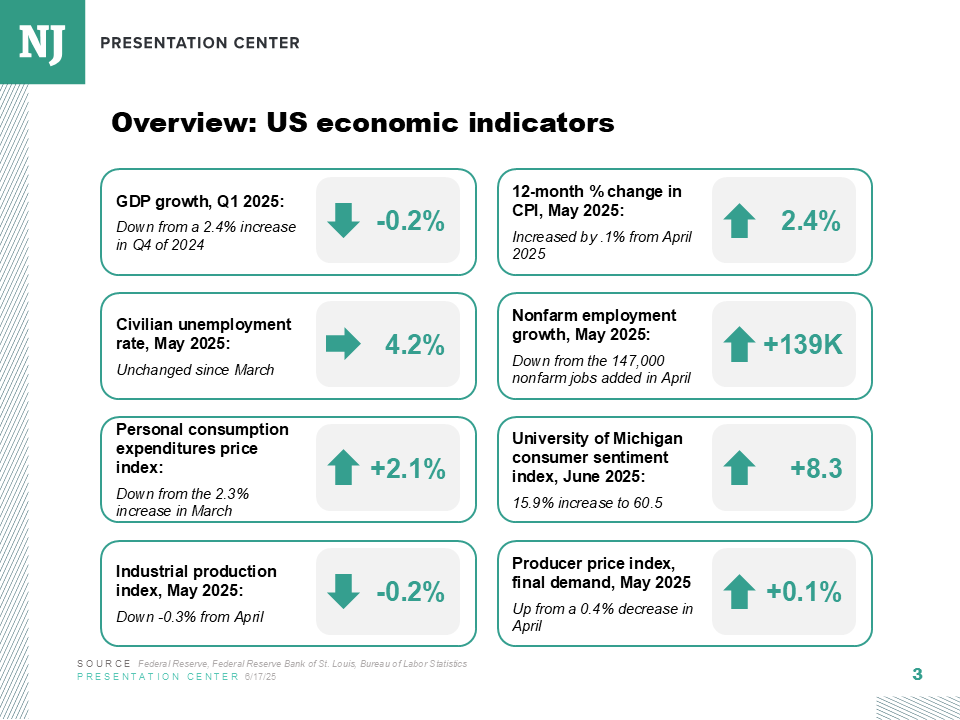
Consumers’ assessment of their own finances dropped about 11 percent. They’re expecting inflation to reach 4.8 percent in the year ahead, well above the already elevated 3.3 percent recorded last month.
The reason for all this worry is the persistent uncertainty about what lies ahead. No one knows when the war with Iran will truly end and how high the conflict could push oil prices. Interest rates on homes have inched up, and indications are they could be headed higher.
There have already been some changes in what consumers will purchase. Those planning to buy cars showed more interest in used cars, and potential homebuyers leaned more toward existing properties.
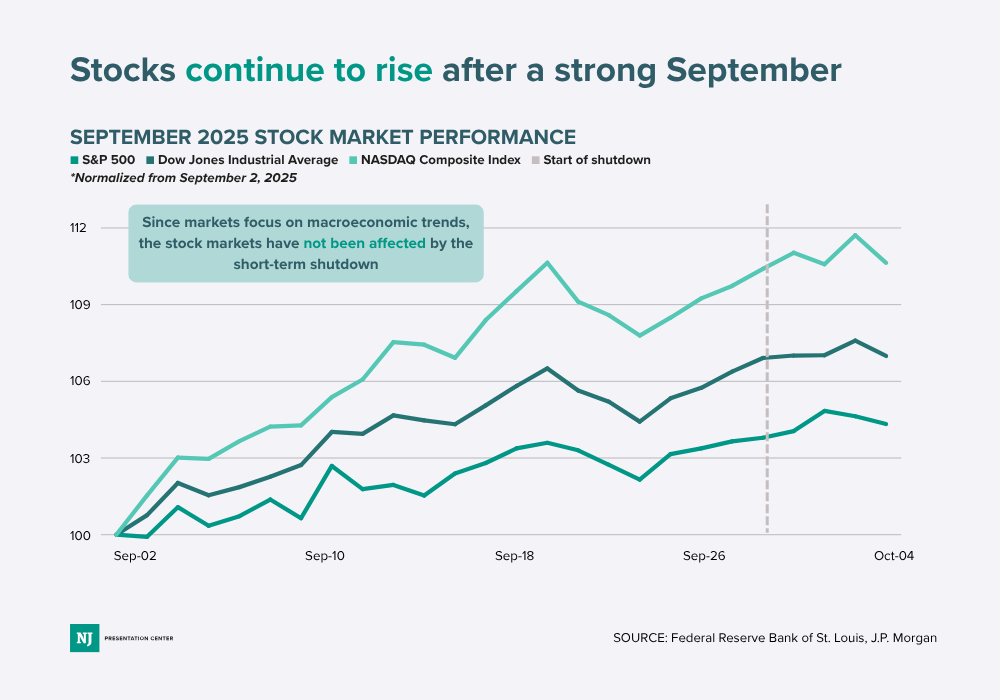
The spending trends, combined with uncertainty about the impact of volatile energy prices, worry economists.
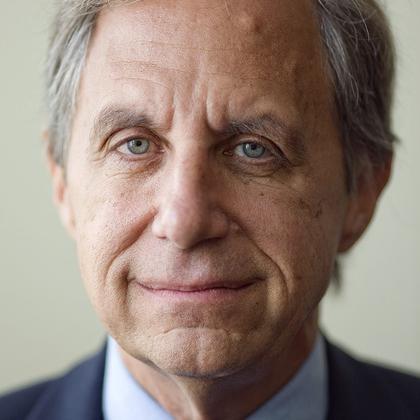
“Critical to whether the economy can avoid a recession is whether the consumer holds tough, and that looks increasingly iffy,” Mark Zandi, chief economist at Moody’s Analytics, wrote in a tweet.
“With job growth stalled, sentiment slumping, high and accelerating inflation cutting into real incomes, the stock market going sideways, and higher interest rates, it isn’t hard to see consumers pulling back,” he said.
Dana Peterson, Conference Board chief economist, said in an analysis that consumers commenting to the board on its survey “continued to skew towards pessimism."
"Comments about prices and the cost of goods suggest that the cost of living remained at the top of consumers’ minds.”