
A 2023 study called the Democratic-dominated Massachusetts Legislature the least efficient in the country. The research from Fiscal Note found Massachusetts lawmakers were particularly poor at legislating: Only 21 of the 10,508 bills introduced that year, or 0.2 percent, were enacted.
In response, voters demanded answers from Democratic leaders. Less than a year after the release of the study, Bay Staters overwhelmingly approved a ballot measure in 2024 to kickstart an audit of the Legislature to uncover the root of the problem.
Two years later, the Legislature is opting to boycott the audit, declining to turn over its records and further compounding voters' frustrations. The stalled audit is now spilling into this year’s election campaign, with Republicans pressing the issue and most Democrats shying away from addressing it.

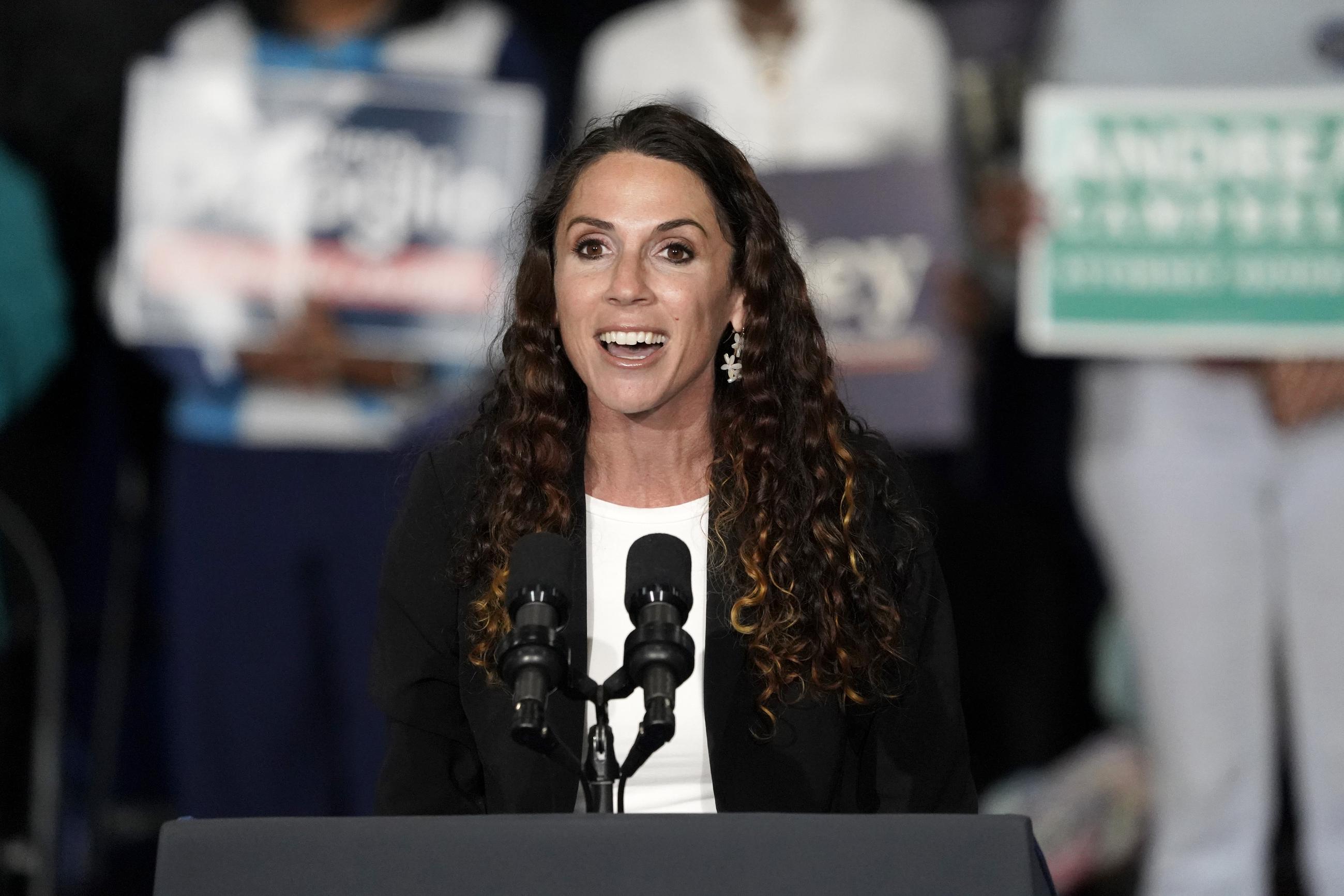
Critics accuse state House Speaker Ron Mariano and state Senate President Karen Spilka, both responsible for authorizing the audit, of not cooperating. The review is being pushed by Massachusetts Auditor Diana DiZoglio, also a Democrat, who has pointed to the 2023 analysis as a reason for the audit.
Mariano has said he’s not against the review but wants an independent auditor to conduct it in order to ensure the state isn’t beholden to DiZoglio’s “political” standards. Spilka has said the investigation is not necessary because the Senate is audited every year by a team from a “certified list of independent recognized auditors.” She agreed with Mariano that the investigation needs to be independent because DiZoglio is looking “to prove something” politically.
DiZoglio is running for reelection this November, but her clash with Democratic legislative leaders over the audit has fueled speculation that she’s eyeing higher office in the future. Her fight on behalf of the audit has also raised concerns about separation of powers between the executive and legislative branches.
Supporters of the audit say that internal reviews fall short of the transparency needed to build public trust. Last month, the Society of Professional Journalists gave Massachusetts the 2026 Black Hole Award, citing a “troubling lack of transparency and disregard for the public’s right to know.”
For DiZoglio, the fight over the audit is fundamentally about enforcing the will of the 72 percent of voters who approved the measure—a margin she argues leaves little room for interpretation. She said the Legislature “is denying the results of the election” by refusing to allow the audit. She sued in February to force the Legislature to hand over financial documents to allow her to proceed.
“It’s unfortunate,” DiZoglio told National Journal, adding that what she sees as a noncontroversial issue “has become one of the most controversial issues in Massachusetts.”
As the issue gains traction, that divide has shaped how candidates campaign, she said. Some have embraced the audit and others have remained notably quiet—a hesitation she attributes, in part, to concerns about fundraising and not angering Democratic leadership.
Half a dozen Bay State Democrats running for Congress, including U.S. Sen. Ed Markey and House candidates Dan Koh and Tram Nguyen, didn’t return multiple requests for comment. None have yet taken a clear public stance on the audit.
Jamie Belsito, who is running for the open seat in the 6th Congressional District, is one of the few Democratic candidates to champion the audit, earning DiZoglio's backing in the race. Belsito said she’s heard en masse from voters in her district that they’re “upset and pissed” that they don’t feel the people they elected to represent them are doing their job.
“This is not about me,” Belsito said. “This is always about the people that put you there. … If the people want the legislative audit, that's very reasonable. They want transparency.”
But political experts don’t think DiZoglio's argument will hold up in court. Jerold Duquette, a professor of political science at Central Connecticut State University, said the case is dead on arrival because DiZoglio is violating the state constitution’s separation of powers. The constitution does not grant the executive branch—of which the auditor is a part—oversight over the Legislature, he said.
“There’s absolutely a zero percent chance that what was actually passed in 2024 will survive,” Duquette said.
DiZoglio’s campaign for the audit has focused on her belief that since the people voted to approve it, the Legislature must comply—an argument Duquette says is legally unsound because of the separation of powers.
“The Supreme Court is not supposed to go with public opinion,” he said. “They're supposed to go with the constitution.”
The bickering among Democrats is giving Republicans hope they can capitalize at the polls in the deep-blue state.
“It is something I do spend a lot of time talking about,” Republican gubernatorial candidate Mike Kennealy said. “Having more transparency in the Legislature really matters. But so does the message that the Beacon Hill establishment is now sending to the voters, which is that they don't care what the people say.”
John Deaton, a Republican running for Markey’s seat, has found himself at the center of the action. Deaton filed a lawsuit in February seeking to compel the Legislature to grant DiZoglio the authority to move forward with her audit. It’s the second lawsuit attempting to do so after DiZoglio’s own suit.
Deaton sees the audit issue as core to his campaign. It’s not just an issue that affects those running for governor, he said, because a third of the money the Legislature appropriates each year comes from the federal government. He said the legislation’s lack of transparency “actually ties the hands” of a senator who is in Washington to advocate for federal funding.
“How do I fight for billions of dollars to go to the bridges on Cape Cod that are functionally obsolete, and how do I say that Massachusetts needs increased funding for this program or that program, if there's no way to find out how that money is being spent?” Deaton said.
The debate in Massachusetts is heating up as national Republicans are promoting anti-fraud messaging to counter national Democrats’ emphasis on affordability and the Epstein files. In addition, the Trump administration has attempted to withhold federal funds from blue states such as Minnesota and California in the name of purging fraud.
“If the federal government says we're going to freeze federal funds to Massachusetts because they won't do an audit, that's a real problem for everyone running for office,” Deaton said.