
In President Trump’s second term, Democrats have flipped 30 state legislative seats in elections and outperformed the top of the 2024 ticket in many others. As Democrats still recover from Republicans' 2010 Project REDMAP, they see the midterms as their chance to claw their way back to power in state legislative chambers. The Democratic Legislative Campaign Committee recently announced its largest target map ever, pledging a $50 million investment this cycle, as Democrats see record candidate recruitment in deep-red and uncontested seats.
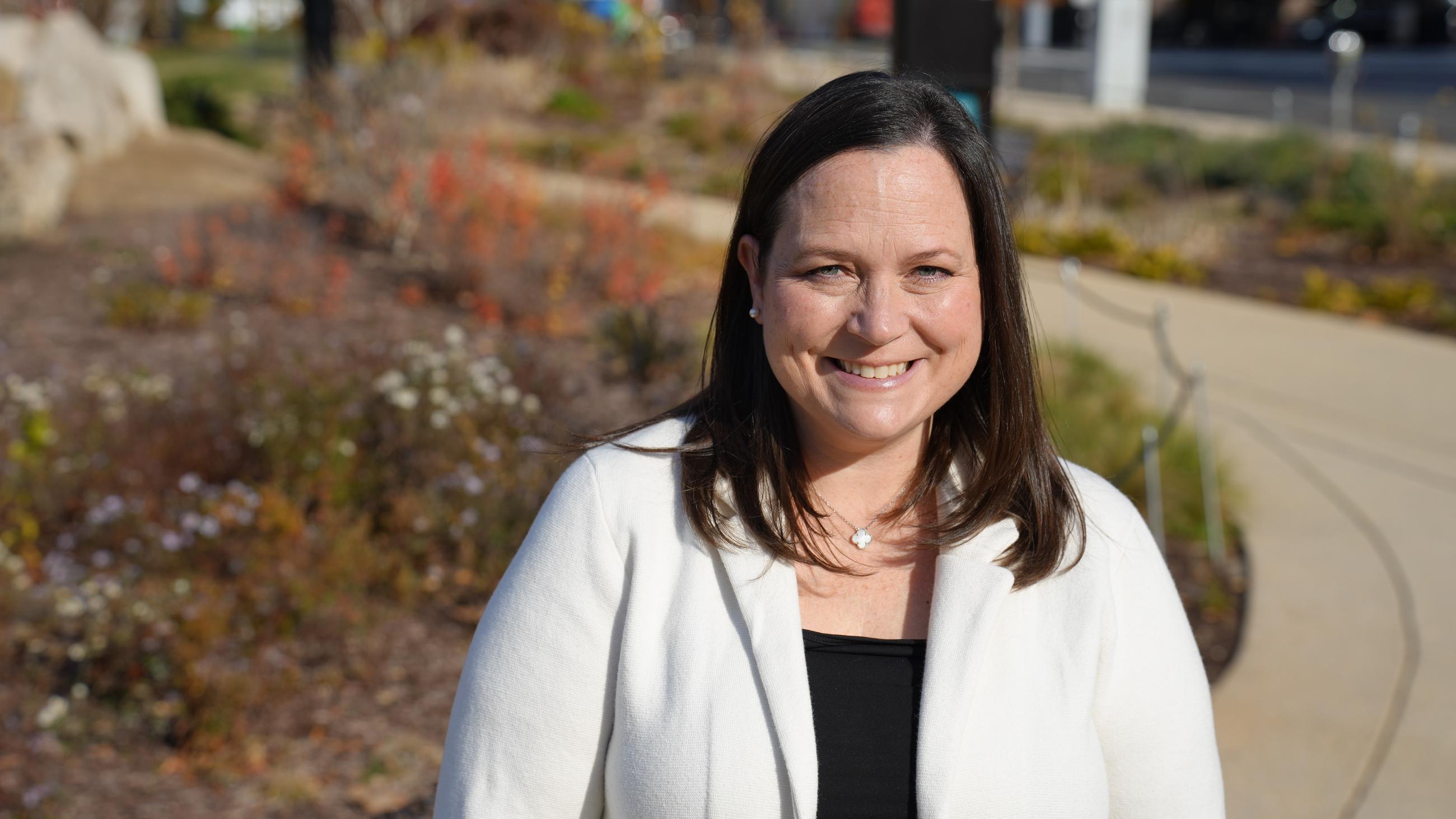
DLCC President Heather Williams spoke to National Journal about turning the tide on Project REDMAP, why Democrats are winning special elections, and the importance of Democratic wins ahead of the redistricting that will take place after 2030. This interview has been edited for length and clarity.
How did Democratic wins in New Jersey and Virginia, and other races in 2025, change your outlook on the midterm map?
The success that we've seen in this election cycle—we've already flipped 30 Republican seats—has reinforced the notion that 2026 is a once-in-a-generation opportunity at the state legislative ballot level. We've been driving downballot momentum. We've been connecting the dots and telling these stories. We've got great candidates running on the issues that voters care most about, and I don't know that there has ever been a time that we've been more prepared and fundamentally ready to take on the opportunities of 2026.
Democrats have pointed to special-election flips and overperformances in Trump’s second term as an indicator of a blue wave. Are they reading too much into the results of special elections?
No. When we think about these specials and the elections that we've won this cycle already, they have been in every kind of environment. They've been in special elections when the narrative was around tariffs. They've been under the DOGE era. They've been on the November general. They've been under the Iran war. There is nothing that this administration is doing, or that Republicans are doing, to convince voters that they are doing anything to address the promises that they made to them in 2024, their real-life concerns and struggles, and that is showing up in these election results, regardless of what kind of community or the history of the voting in that district.
Republicans reshaped the state legislative map in 2010 with Project REDMAP. Do you see Democrats at a comparable point right now?
In 2010, Republicans coalesced around a deep understanding that building power in the states was going to pay dividends for years and decades to come. This electoral environment is reading similar to what we saw at this ballot level in 2010 but in reverse, on behalf of Democrats. I think that we are at this incredible inflection point of realizing the potential and making the kind of meaningful progress in the states that not only provides the bulwark to the second half of the Trump administration, but really starts to build meaningful, durable power for Democrats for the long term.
What lessons has the DLCC learned from that defeat?
One of the big lessons has been we really need to translate what winning at this ballot level means for the rest of the ballot and the other elected offices. We saw Republicans in places like Wisconsin and North Carolina not only take huge majorities, but also pull back the powers of statewide offices and Democrats in power because they could secure power in the legislature for the long run. They knew they couldn't win all the time statewide, but they knew that they had the power to keep the legislature because of redistricting and entrenchment. It was such a deep lesson, and it's been a story that we've tried to make sure that everyone really understands—that the power of this ballot level is critical, that it has a direct impact on the power of other statewide offices and, of course, federal offices.
What’s the strategic value of running candidates in races that might not be winnable for Democrats this cycle?
We at the DLCC have always understood that the path to building power is not just about the wins in one election; it is about building towards the end of the decade and beyond, and seeing and working towards a future that is constantly unveiling itself. We know that we can't keep solely competing in battleground states. Population shifts and a new Census is going to require a different landscape. Being able to show up for voters in red districts, in red states, isn't just the right thing to do; it's how you build for the future. It's how you bring more people into the coalition. It's how to show up and present who and what the Democratic Party is.
What qualities are you seeing coming out of these Democrats that are running in state legislative districts that you think the national party should pay attention to?
We are seeing candidates, certainly at our ballot level, and increasingly up and down the ballot, who are authentically connected to their community, that are able to speak firsthand about this crisis of cost and affordability, and are able to validate how voters are feeling because they're experiencing it themselves. I think gone are the days that you're looking for the perfect class president who has the exact right thing to say, with the seamless background. You're looking for someone that is relatable, that shows leadership, and shows the fight. I think our candidates that have won already this year, and all of the candidates that are going to be on the ballot in November, really emulate that.
DLCC contributed to Chris Taylor’s winning campaign in the Wisconsin Supreme Court Race. Are there other non-legislative races the DLCC will get involved in this cycle?
We've got an eye on North Carolina Supreme Court races. We're constantly evaluating and assessing the interplay between Supreme Court races and lieutenant governors, who may preside over and break ties in legislative chambers. That interplay and understanding of that environment is really important to how we think about the path to power and building it in states.
Looking ahead to 2030, how essential are state legislative wins to influencing congressional redistricting after apportionment?
We can't take our eye off the ball of what happens post-2030, because that is a Census-driven process that is going to happen and we must be ready for it. It is state legislators who draw the lines, who have an impact on that process, not only for their own lines in state legislatures but also for congressional lines. We cannot lose sight of that. We must begin the process by electing as many Democrats to power in the states as possible. We also know that this process was opened up when the president called on Texas to draw districts in Republicans' favor, and mid-cycle redistricting suddenly became a real-life thing. We must also attend to that, and the way that we do that is we recognize that building power in 2026 in every way we can—flipping chambers, putting Democrats in the negotiating room by breaking those Republican supermajorities—is also critical. We must do and recognize both things. They are separate processes. And they are both happening, so we must be ready.