April 9, 2026, 3:41 p.m.
Control of the Minnesota Legislature will likely come down to a handful of voters in the nation's most divided electorate.
The state House is split 67–67. The state Senate sits at 34–33 in favor of the Democratic-Farmer-Labor Party. In recent cycles, several races have been decided by margins of just a few hundred—or even dozens—of votes. No other state legislature in the country is this close.
The election this November will determine control of the Legislature and show what kind of politics resonates with voters in a highly volatile year.
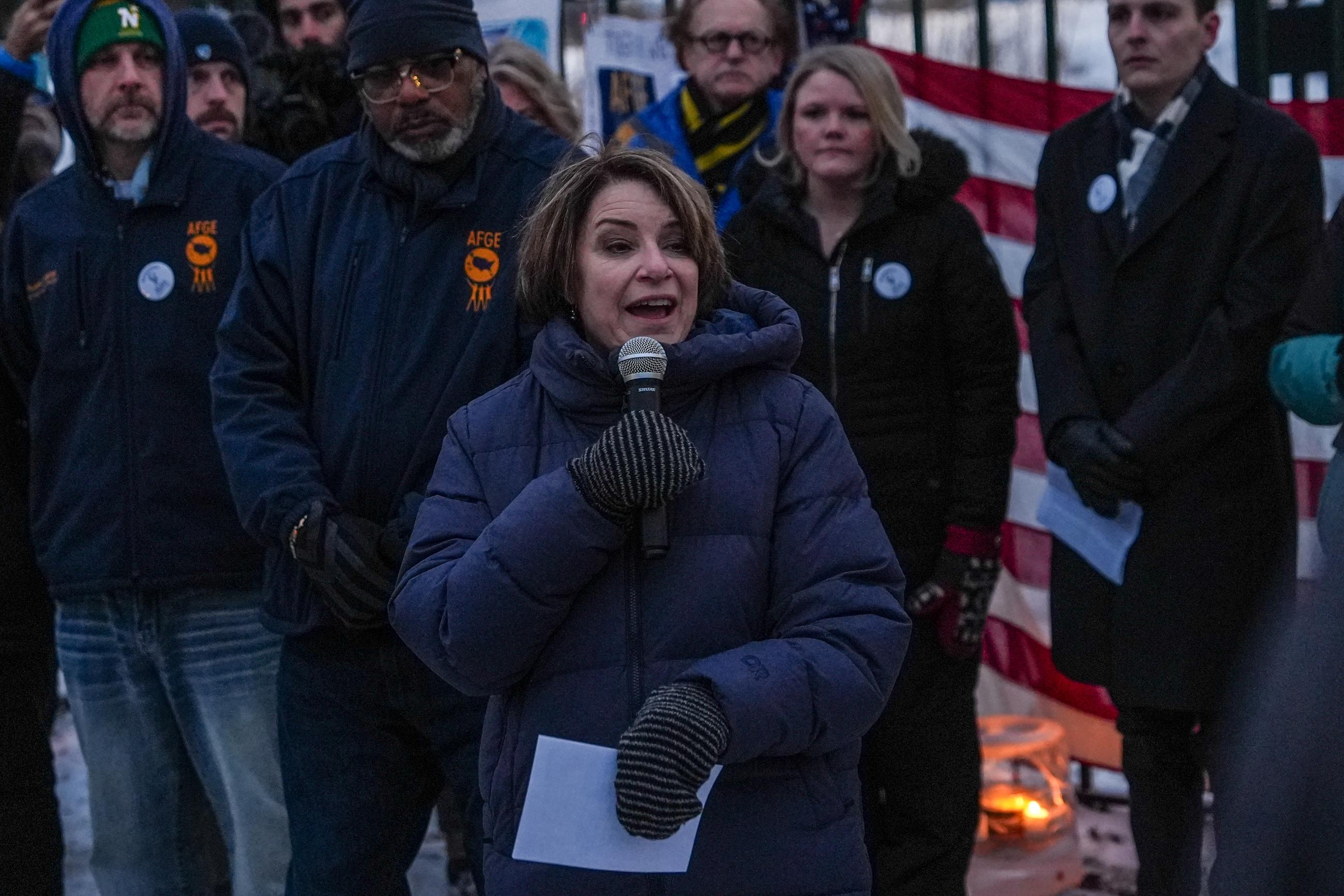
Minnesota faces a number of overlapping political issues: the assassination of former House Speaker Melissa Hortman, allegations of large-scale fraud in public programs, and a series of federal immigration-enforcement actions, culminating in the killings of Renee Good and Alex Pretti, that sparked protest and outrage.
David Sturrock, a political science professor at Southwest Minnesota State University, said there is “a real contest for control of the messaging here.”
The new spotlight marks a change for a place long defined by its political steadiness. As Sturrock described it, Minnesota has traditionally been viewed as “clean, sober, industrious, hard-working—code words for not very exciting."
"Minnesotans kind of liked it that way,” he said. “But that’s just not how it is now.”
Gregg Peppin, a longtime Republican consultant, told National Journal the election may hinge on what he framed as a clash between two theories: whether voters judge Minnesota politics through the lens of the state itself or through the lens of Washington. The Republican argument, he said, is that Minnesotans should keep their focus close to home and decide whether years of Democratic control—including 16 years of Democratic governors—has left state agencies complacent and ineffective.
“Minnesota’s reputation is tarnished, and it’s time to clean house,” Peppin said.
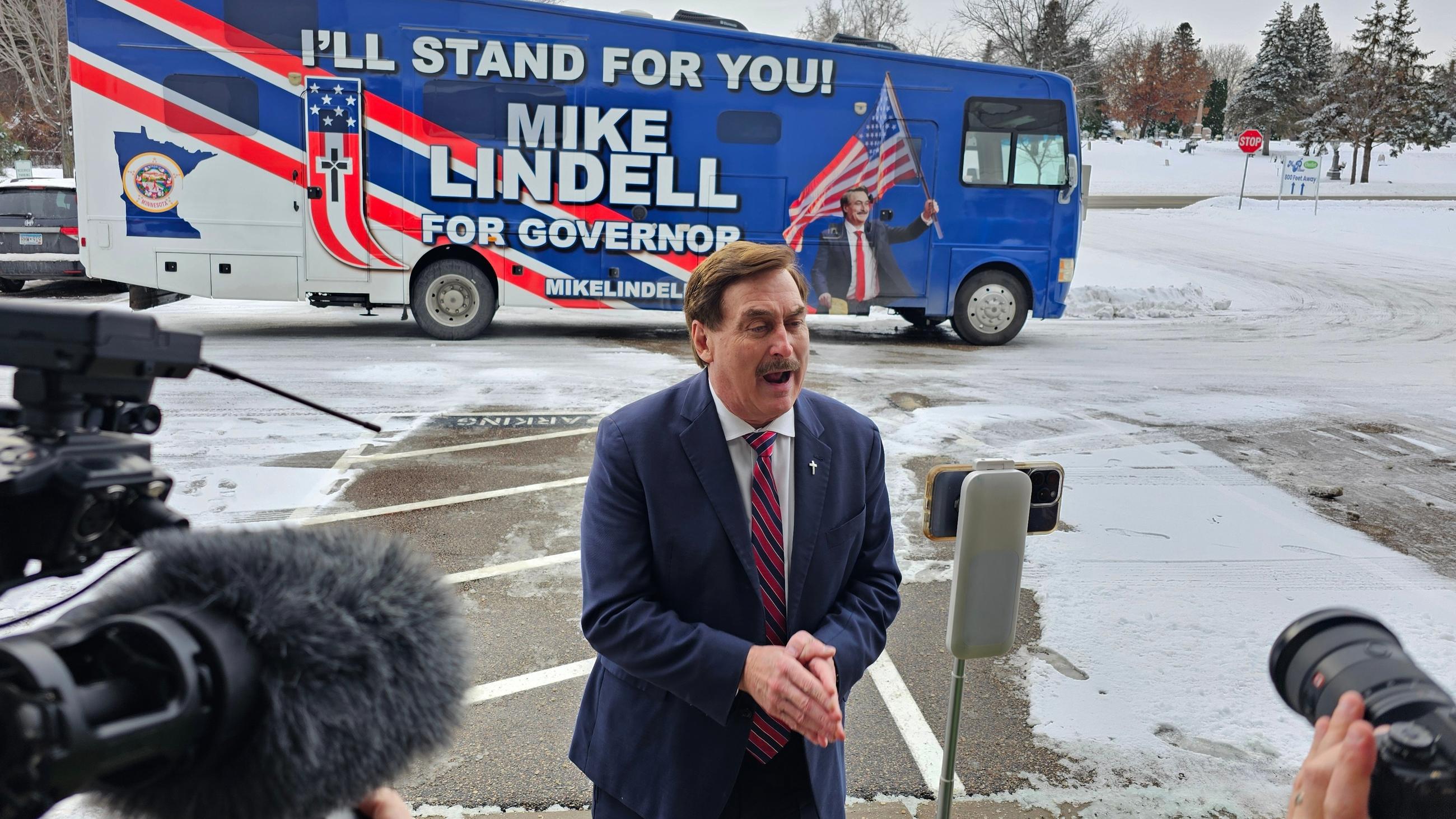
At the center of that argument is a sprawling set of fraud cases that Republicans say show failure on the part of state government. Federal prosecutors, prompted by the Trump administration, allege that hundreds of millions of dollars meant for state programs such as child nutrition, Medicaid billing, and childcare subsidies were siphoned off through shell organizations during the pandemic.
Gov. Tim Walz, the former vice presidential nominee and a former high school football coach, currently finds himself little more loved than a Green Bay Packers fan at a Vikings playoff game thanks to the fraud scandal. Walz declined to seek a third term this year amid concerns among Democratic officials that his candidacy could trigger a Republican sweep.
“Minnesotans are outraged by the human-services fraud crisis that has put Minnesota in national headlines,” GOP state Sen. Jordan Rasmusson told National Journal. “Stopping the fraud and holding those responsible to account is Senate Republicans’ main goal this legislative session.”
Fraud is a serious issue. Democrats take it incredibly seriously. Any penny wasted is unacceptable. ”
— DFL Chair Richard Carlbom
Scott Jensen, a former Republican candidate for governor who is now running for state auditor, argued that even though Minnesota is fundamentally a blue state, Republicans can carry the stronger message this year of “fiscal integrity” and the “lawful, efficient, transparent use of taxpayer dollars.”
Richard Carlbom, chair of the DFL, pushed back.
“Fraud is a serious issue," Carlbom said. "Democrats take it incredibly seriously. Any penny wasted is unacceptable." He argued that the party has been “fighting fraud with vigor” for years, pointing to steps taken by Walz to reorganize state agencies and consolidate investigations, as well as enforcement efforts by state Attorney General Keith Ellison.
“Republicans love to talk about it, but they haven't done a darn thing to actually address the problem itself,” he said.
GOP leaders have taken the issue national. President Trump recently dubbed Vice President J.D. Vance the administration’s new “fraud czar,” putting him in charge of a new federal anti-fraud task force, and making fraud crackdowns in blue states a central midterm message.
Even with fraud as a new message, Republicans are facing difficult headwinds nationally because of economic anxiety, an unpopular war in Iran, and a nationwide immigration crackdown that has played out most visibly in Minnesota. Democrats are betting those national issues will matter more.
“The energy out there is quite incredible,” Carlbom said.
He pointed to a record-breaking turnout at Democratic precinct caucuses in February, with thousands of first-time participants and a notable share of independents and even Republicans.
The surge in engagement “is going to convert into votes in November,” Carlbom said. That would echo patterns seen in recent local elections in Florida, Texas, and elsewhere. Since Trump retook the Oval Office in January 2025, Democrats have gained 12 state legislative seats in special elections. Republicans have yet to notch a single pickup.
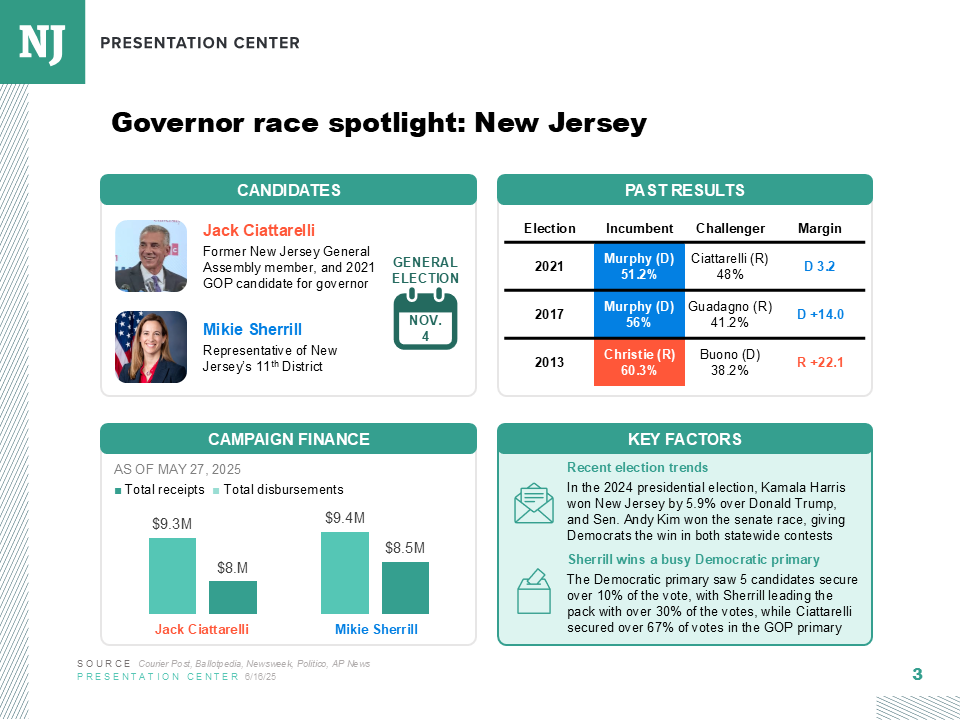
Following the playbook of Democrats like Govs. Mikie Sherrill in New Jersey and Abigail Spanberger in Virginia, state Democrats plan on letting national headwinds carry them into office. Touting affordability accomplishments like universal school meals, paid family and medical leave, and the state’s child tax credit, along with criticizing the administration’s aggressive response to immigration, could be Minnesota Democrats’ key to success.
Carlbom argued that Minnesota Republicans, when forced to choose between Trump and their own state, have sided with Trump “every single time.” He said Democrats will tie GOP legislative candidates to that national brand while emphasizing affordability, immigration enforcement, and gun-violence prevention.
Both parties described essentially the same tactical answer as the most effective method to spread their message: door-knocking and one-on-one conversations. Peppin said that despite the flood of outside money and national attention, Minnesota legislative districts are still small enough for old-fashioned retail politics to matter. Carlbom said, “It's all about talking to your friends and neighbors and talking about what values you hold in common.”
Rasmusson echoed Tip O'Neill’s famous truism that “all politics is local” when he noted that Republicans have invested heavily in field operations to reach voters directly, especially in Trump-won districts now represented by Democrats.
Which theme breaks through most—fraud or Trump—will determine the makeup of the Legislature and may provide a clue as to voter sentiment around the country.
“Minnesota is definitely a bellwether,” Carlbom said. “When you see Democrats win big here, that's going to say things about what will happen in ‘28 when it comes to Wisconsin, Michigan, the Midwest, and more.”