
Missiles for Iran. Money for border enforcement. The Save America Act. Tax breaks for health care. Permitting reform.
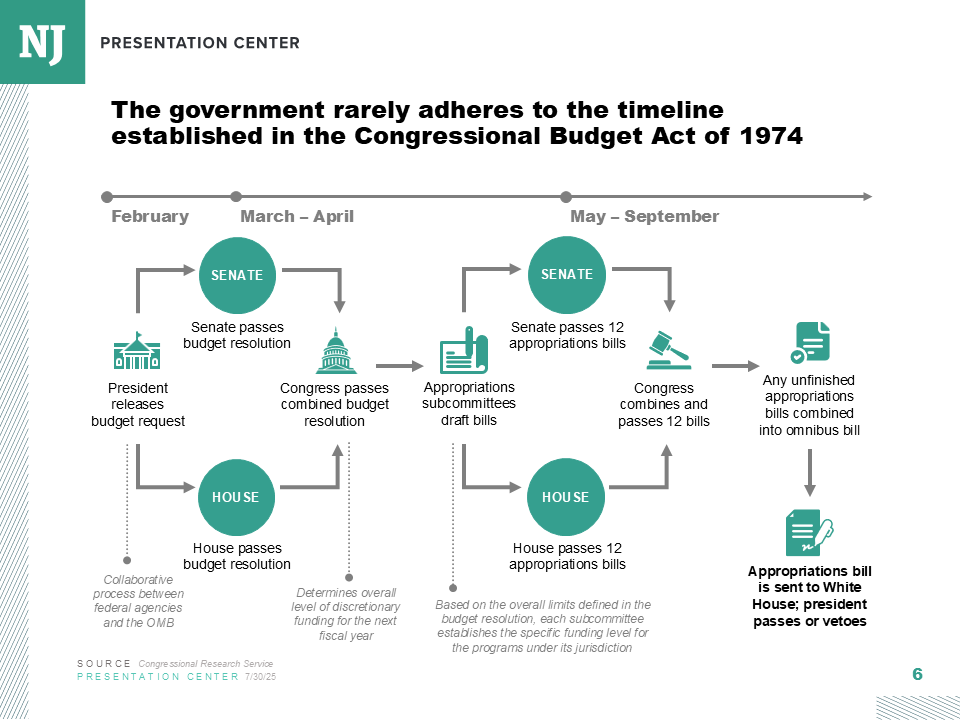
Pretty much anything lawmakers can dream up seems fair game for the next GOP budget-reconciliation bill, Capitol Hill’s convenient workaround to that annoying Senate filibuster and its 60-vote threshold.
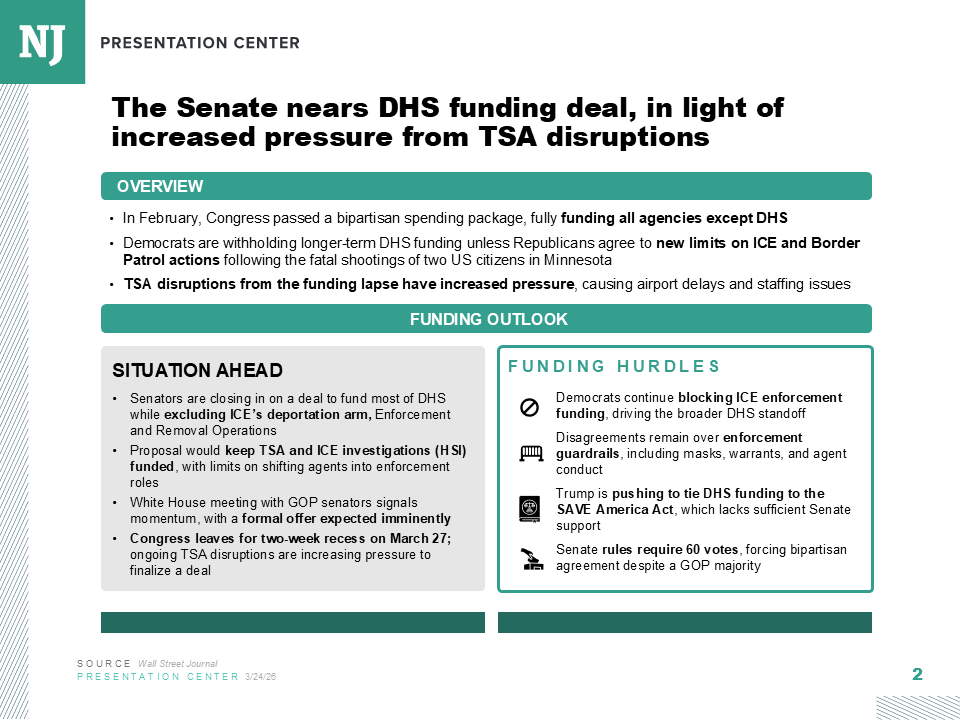
It’s not clear whether there’ll even be a reconciliation bill, a budgetary measure which requires only a simple majority in the Senate to pass tax, spending, or debt-limit changes. Much still depends on whether the Senate can reach a compromise on a funding bill to reopen the Homeland Security Department after 40 days of a partial shutdown.
But the idea of a catch-all legislative vehicle to end-run Democratic objections, like the One Big Beautiful Bill Act Republicans passed last year, is gaining steam. The starting point would likely include money to fund the war in Iran (the administration is requesting $200 billion) as well as DHS—including the agencies involved in the president’s immigration crackdown—if Congress can’t solve the impasse.
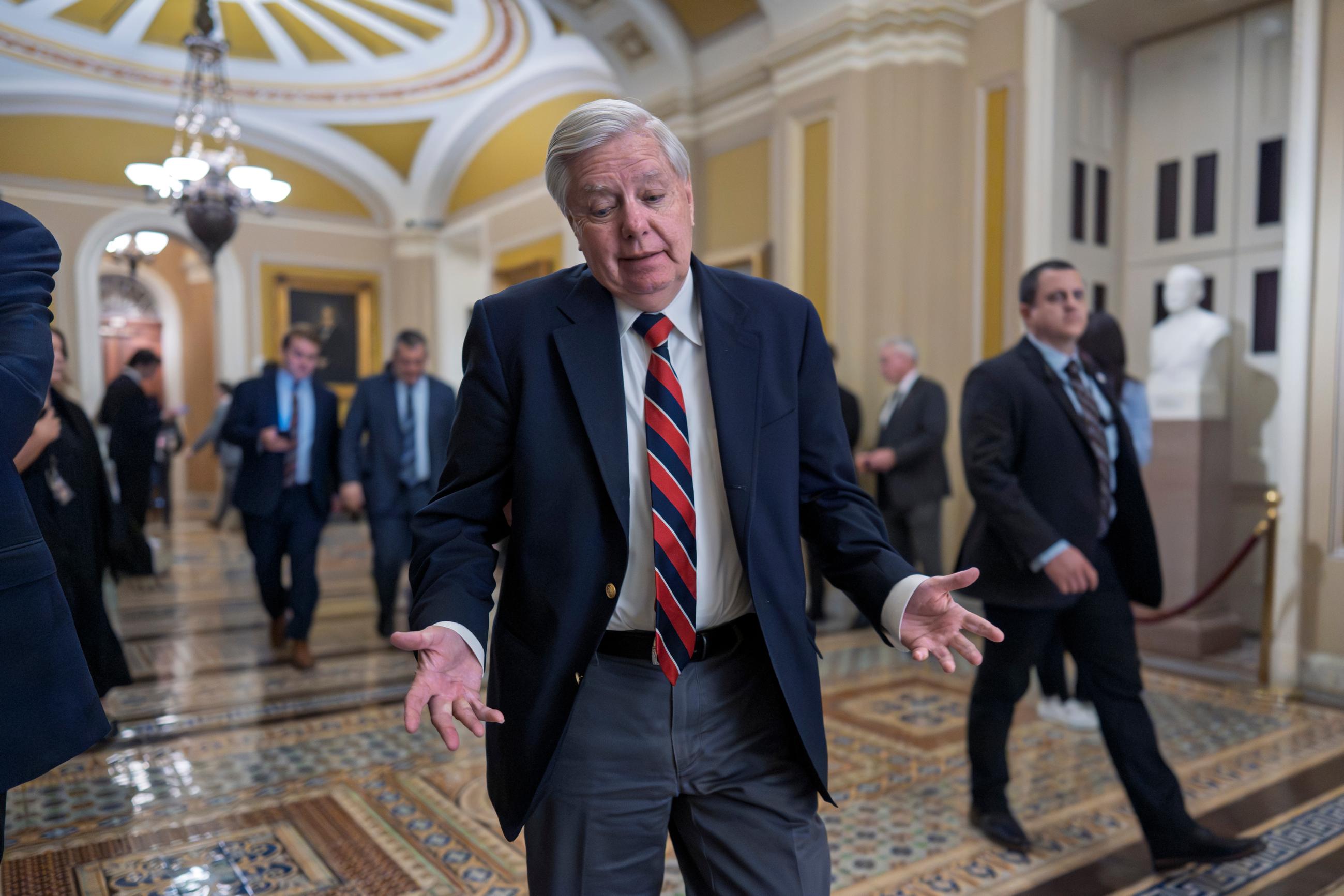
Senate Budget Committee Chairman Lindsey Graham is leading the charge, trying to build momentum by encouraging his fellow Republicans to think big.
“I’ve told our folks to be aggressive, think outside the box, but there are some limitations for sure,” Graham told reporters Wednesday. He said he plans to start moving a bill after senators return in mid-April from a two-week recess.
Sen. Cynthia Lummis is on board. She wants to add permitting reforms to cut red tape for big construction projects, an idea that’s stagnated in Congress for years due to partisan gridlock.
"The Democrats have proven so unwilling to do anything—especially if President Trump supports it,” Lummis said. “I think we put as much in reconciliation as we can. And that would include permitting [reform].”
Sen. Josh Hawley wants to provide tax breaks for out-of-pocket health expenses.
“Reconciliation’s tough,” he said. “So if you’re going to go through the trouble of doing it—and I hear my colleagues talking about funding this, that, and the other thing—I would think we’d want to have something for working people in there. And the cost of living right now is tough, and health care is really expensive.”
President Trump has been pushing the Senate to approve a voting-restrictions bill, which can’t get past the filibuster. Some GOP senators have suggested the problem could be solved by including the SAVE America Act in reconciliation. But that’s drawing skepticism from some on the Right who predict Senate Parliamentarian Elizabeth MacDonough would scrub the measure from the larger package, because a reconciliation bill requires all items to be germane to revenue and spending.
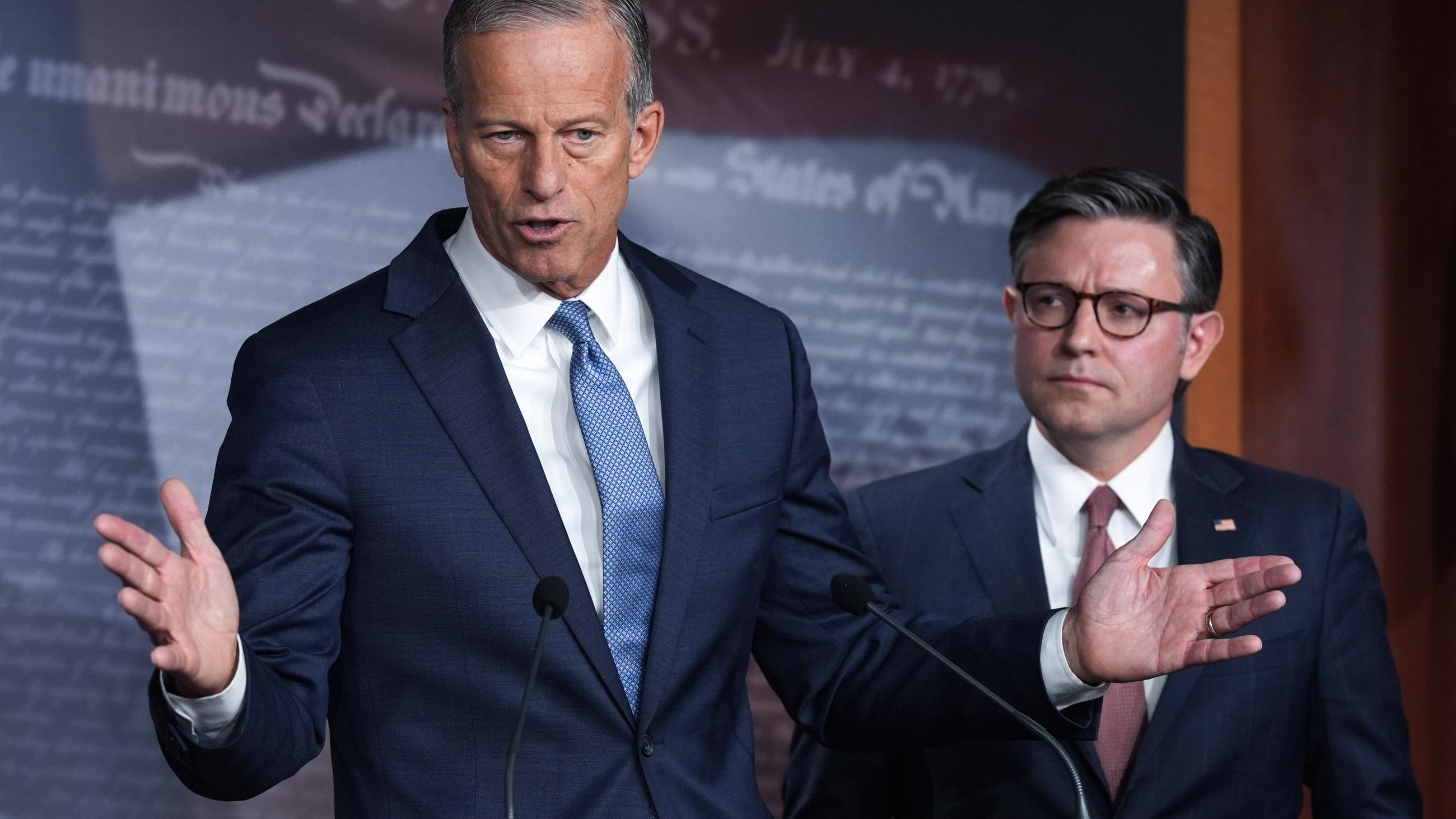
While Senate Majority Leader John Thune has indicated there’s a place in a reconciliation measure for at least part of the SAVE America Act, he told reporters the overall bill must be “pretty narrowly focused” to succeed.
Senate Minority Leader Chuck Schumer vowed to fight Republicans “tooth and nail throughout the reconciliation process—every step of the way."
"You are going to find it very difficult to jam massive changes to the American election system, to turn the American election system inside out as it were, by using a process that was never designed for that purpose,” Schumer said.
There’s another potential obstacle beyond Trump and the Democrats: how to pay for it. Reconciliation allows for deficit spending for the first 10 years, but GOP lawmakers say they want a bill that doesn’t add to the debt.
“Pay for it,” said Sen. Ron Johnson, when asked what it would take to get his support. “There are all kinds of ideas. There’s $700 billion to $1 trillion worth of fraud here. We ought to be able to find pay-fors.”
“Yeah, that’s always a challenge,” Sen. John Hoeven told National Journal.
“That’ll be part of the discussion,” said Sen. Ted Cruz.
“I haven’t even thought about it,” Lummis said.
Hawley wants to pay for his desired health care provisions, too. But if it’s a choice between growing the deficit to help struggling families or doing nothing, he’s not torn over it.
“If we’re going to spend money, I’d like to spend it on that versus other things,” he said. “It’s about priorities. If you’re asking about mine, I’d like to prioritize working people.”