
Facing a likely loss of the House in November’s midterms, GOP leaders have plenty left to address this year: a surface-transportation reauthorization, a farm bill, fiscal 2027 appropriations, Foreign Intelligence Surveillance Act reauthorization, and a major housing bill that’s passed the Senate but still faces obstacles in the House.
There’s also some thornier issues they want to tackle, including the SAVE America Act, a supplemental appropriations bill to fund the war in Iran, and a new budget-reconciliation bill that could include a smorgasbord of GOP priorities. And that doesn't even include ending a contentious shutdown of the Homeland Security Department stemming from disputes over deportation tactics.
Nursing slim majorities in both chambers, Republicans already are facing a squeeze—some of it of their own making. As if Republican congressional leaders needed any reminder that they had better move quickly on the major legislation left on their agenda, Rep. Kevin Kiley’s defection from the GOP, Rep. Neal Dunn’s declining health, and Sen. Thom Tillis’s increasing willingness to buck party leaders ought to light a fire.
Election years mean a tighter calendar for legislative action because lawmakers want to spend much of the fall campaigning at home rather than legislating in the Capitol.
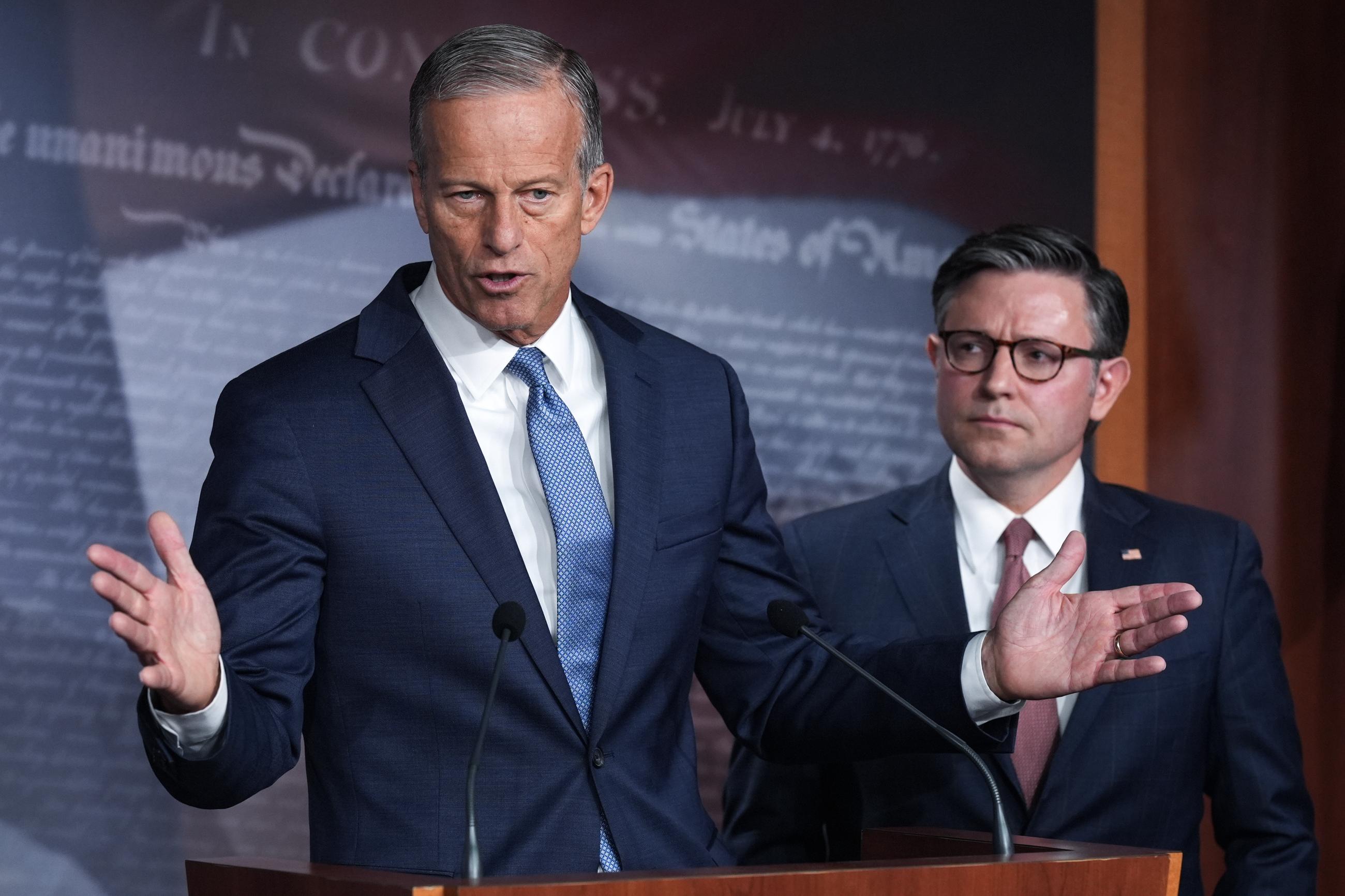
That leaves scant room for protracted debates on anything but the most important measures. Congress will be on a two-week recess in early April, though Senate Majority Leader John Thune is considering keeping lawmakers in town until the DHS funding impasse is solved. In addition, President Trump has threatened not to sign any legislation until Congress passes the SAVE America Act—a partisan election-reform bill that lacks the Democratic votes in the Senate to overcome a filibuster—while lengthy debate eats up valuable floor time.
Here’s a rundown of what’s on Congress’s plate in the next few months, and the likelihood of movement:
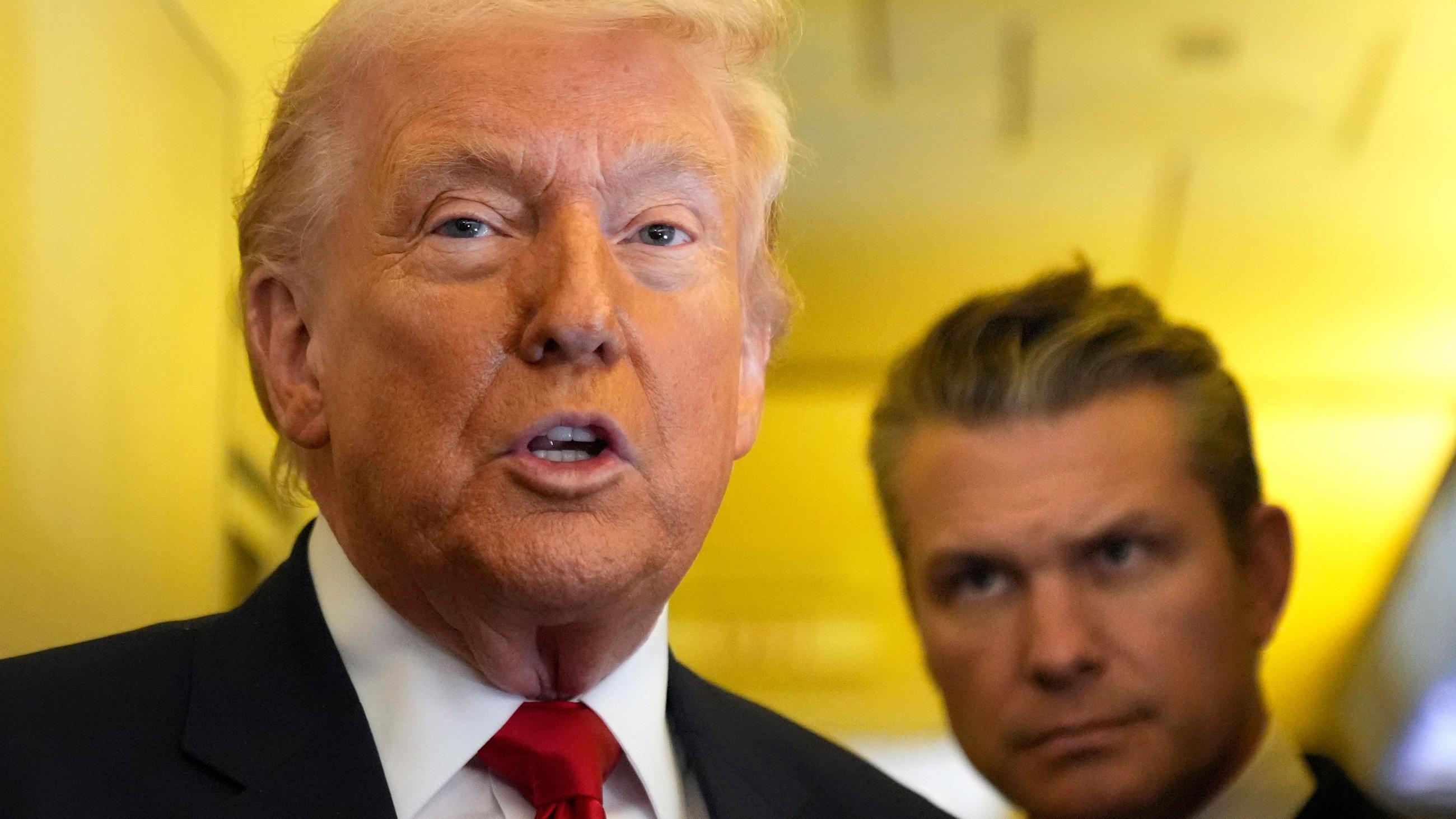
Military appropriations. Add money to fund the Iran war to Congress’s suddenly bulging to-do list. The administration is asking for $200 billion because, as Defense Secretary Pete Hegseth put it Thursday, “It takes money to kill bad guys.” It’s not clear Trump can find the seven Democratic senators—possibly eight, if Republican Sen. Rand Paul objects as well—needed to push a funding bill to the floor, largely because they see approval of more weapons for the conflict as de facto authorization of a war many of them oppose. Chance of passage: Foggy.
The Foreign Intelligence Surveillance Act. House Speaker Mike Johnson said on Tuesday he’s pushing ahead with an 18-month extension of FISA, the federal law that governs surveillance and collection of foreign intelligence on U.S. soil. The current authorization expires next month. While a White House-backed extension is expected to win approval in both chambers, some critics want to add more privacy protections to Section 702 provisions, which give the government power to gather the data of noncitizens without a warrant. Chance of passage: Very good, but keep that a secret.
The SAVE America Act. With Trump urging them on, Senate Republicans are trying to pass a bill that would require voters to prove their citizenship when they register to vote and provide photo ID to vote in federal elections. Even though polls show strong public support for voter ID, Democrats oppose a bill they’ve compared to “Jim Crow” laws, arguing that it's cumbersome for voters and seeks to address a voter-fraud problem that doesn’t exist. There’s no chance the legislation passes as is, so the question is how long GOP leaders keep the bill on the floor given Trump’s demands. “Hopefully he’ll reconsider, because you can’t stop [other] good bills because of one bill,” GOP Rep. Don Bacon said of Trump’s stance. “If you can’t get 60 votes, you’ve got to work with the Dems. You’ve got some Democratic senators who’ve said they’d vote for voter ID. You take what you can. That’s the way it works.” Chance of passage: Probably can’t be saved.
Housing legislation. The good news for backers of the 21st Century ROAD to Housing Act is the overwhelming bipartisan Senate vote last week. The bad news is that elements of the bill, which attempts to boost affordable housing stocks in part by barring large institutional investors from buying up large swaths of homes, face opposition from House GOP hard-liners and from Trump. Given the wide support in both parties for addressing the problem, housing legislation seems a likely candidate to reach the president’s desk—but the same could be said for permit reform and drug pricing, each of which have hit roadblocks. Chance of passage: Better than 50-50.
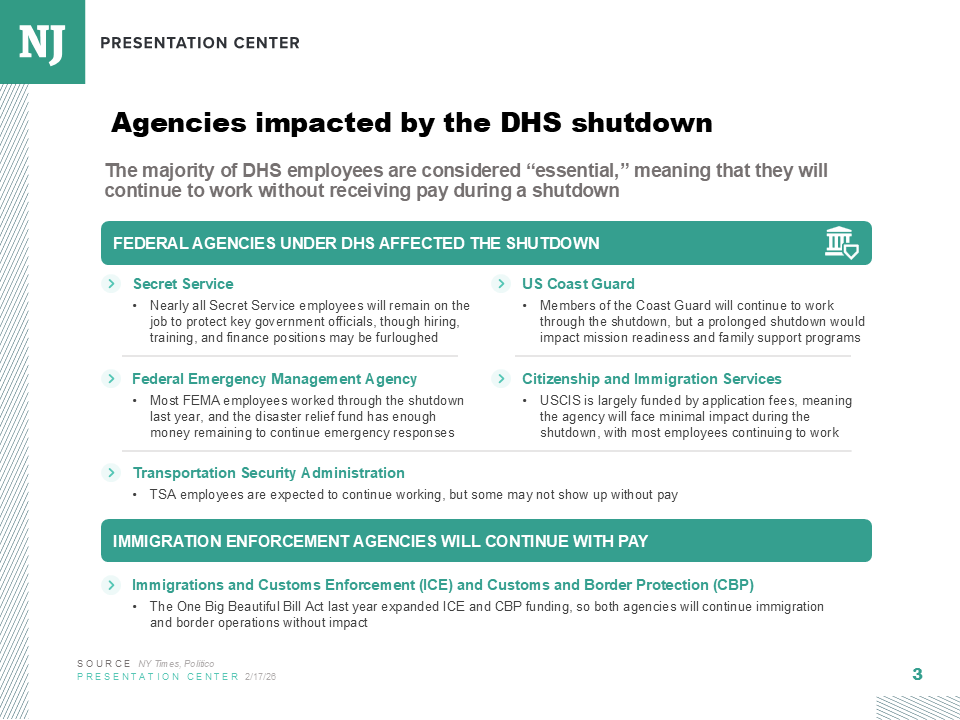
Homeland Security appropriations. This seems the easiest one—and yet the most stubborn—to fix. The shutdown of DHS is well into its second month (although most employees are working without pay). Democrats’ insistence on certain concessions for federal immigration enforcement—judicial warrants, mask-less Immigration and Customs Enforcement agents—and the administration’s refusal to budge on those issues continues to paralyze talks. The arrival of Sen. Markwayne Mullin as DHS secretary—the Senate Homeland Security and Governmental Affairs Committee favorably reported out his nomination Thursday—could reset negotiations and give both sides an off-ramp. Chance of passage: Increasing with every day the Transportation Security Administration lines at the airport grow longer.
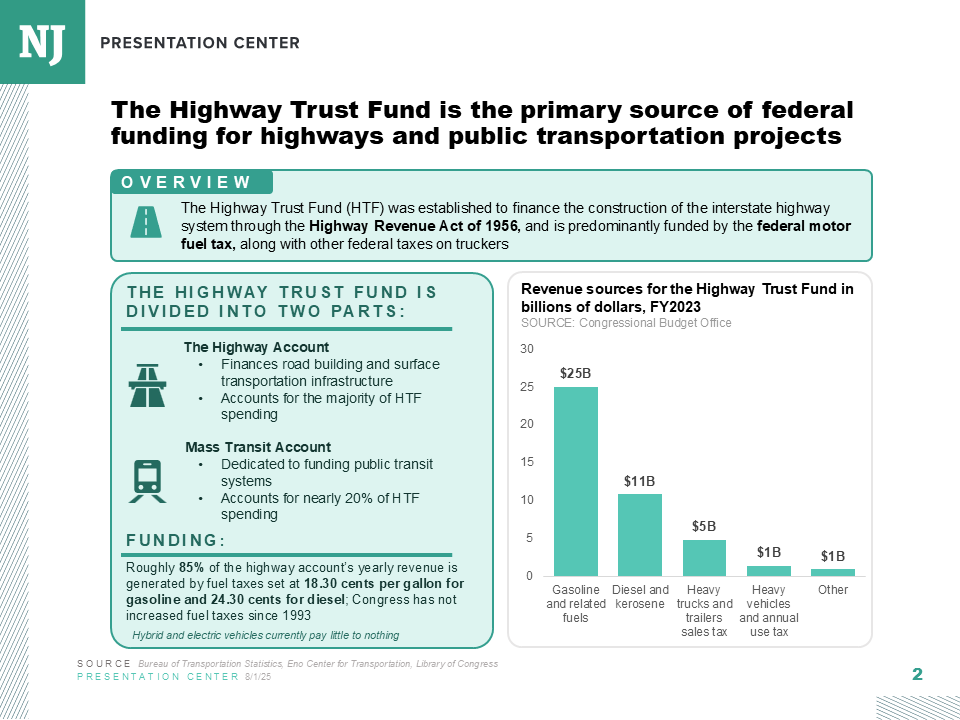
A surface-transportation bill. This traditionally bipartisan legislation should be among the lowest-hanging fruit, but nothing seems easy given partisan lines that have been hardened by battles fought over other issues. A key question is how to pay for highway and transit needs given that revenues into the Highway Trust Fund (mainly from gas taxes but also other fees) have exceeded expenses since 2001, thanks to an 18.4-cents-per-gallon federal gas tax that hasn’t changed since 1993. A battle is brewing over electric vehicles. House Transportation and Infrastructure Chairman Sam Graves is pushing a $250 annual registration fee on EVs and a $100 annual fee on hybrids as an “equitable” solution given the wear and tear cleaner cars and trucks impose. Graves also wants to include provisions aimed at speeding up permitting reviews for transportation projects. Politico reported that the bill could be pushed to next spring, which would give Democrats far more input into the final product; this possibility could push Republicans to pass a bill this year. Chance of passage: Long shot for a checkered flag this fall.
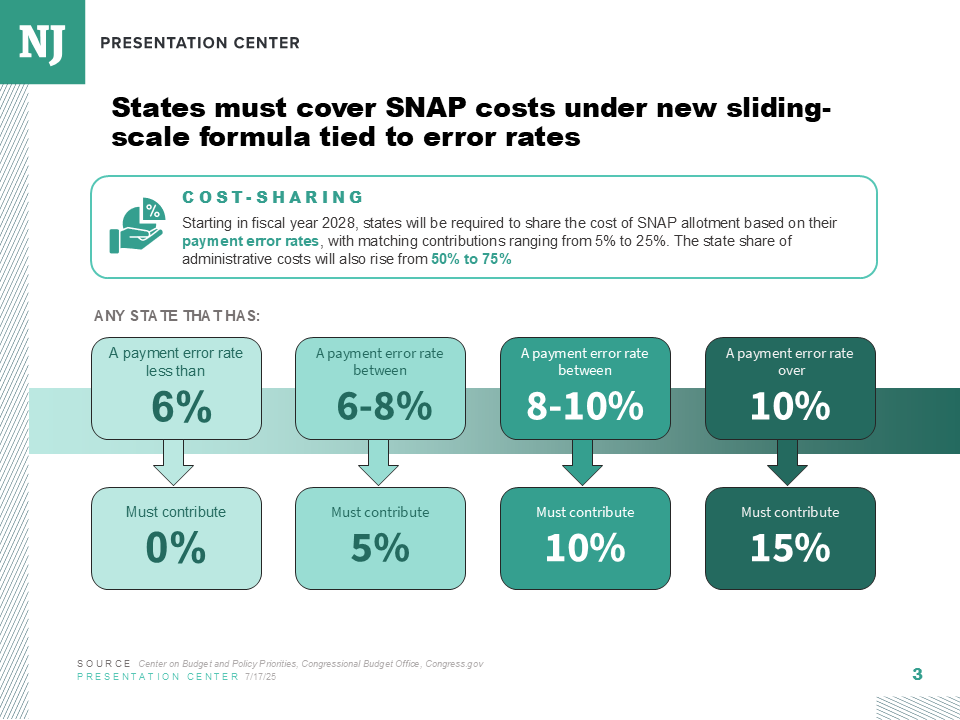
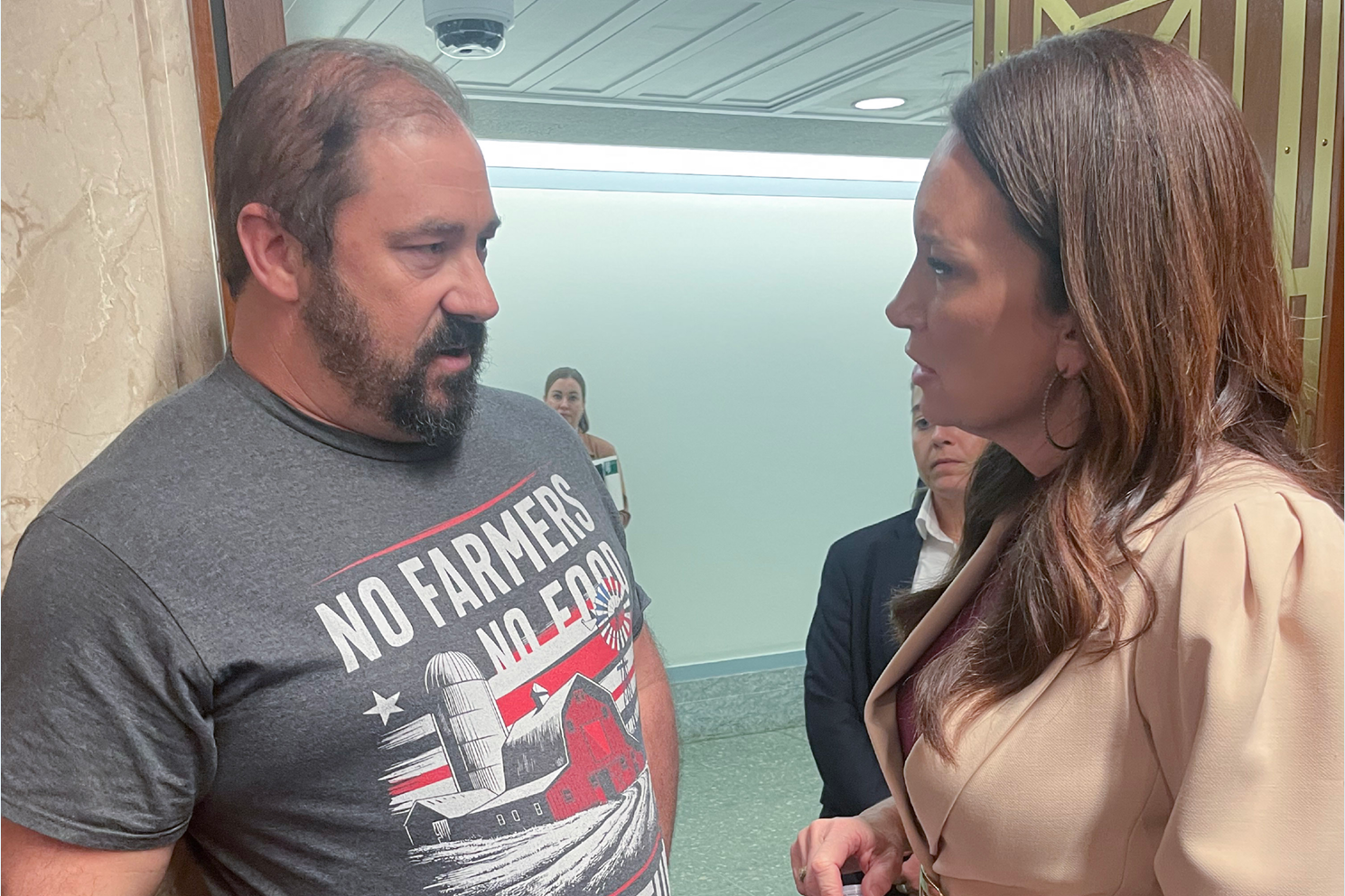
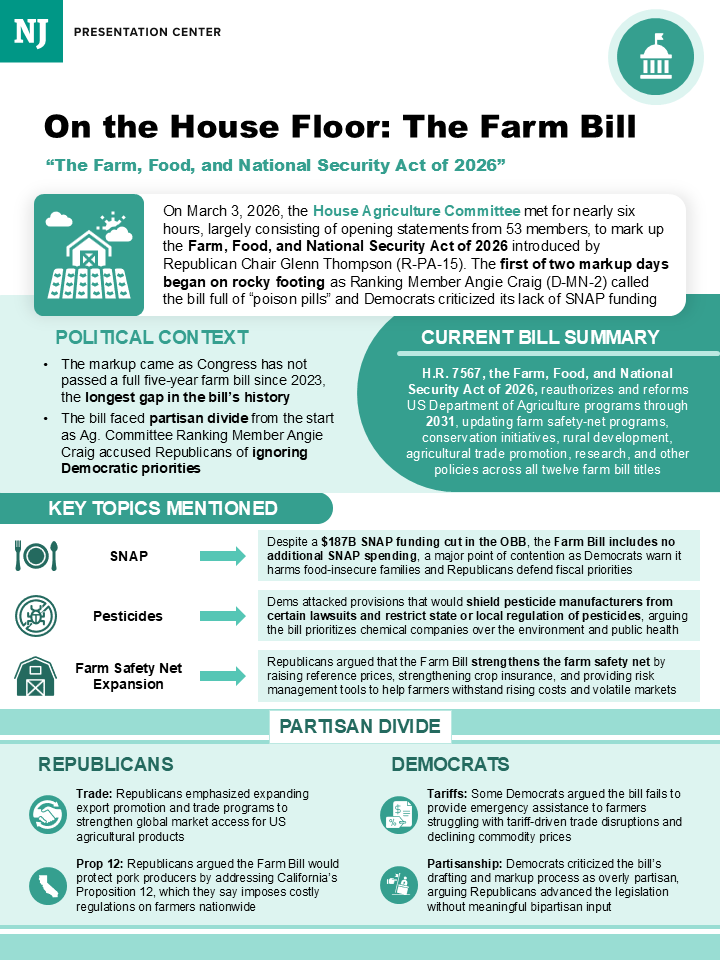
Farm bill. The Farm, Food, and National Security Act of 2026, introduced by House Agriculture Chairman Glenn Thompson, reauthorizes and reforms Agriculture Department programs through 2031. It would update safety-net programs, conservation initiatives, rural development, agricultural-trade promotion, research, and other policies across all 12 farm-bill titles. Democrats already are unhappy with its lack of new funding for the Supplemental Nutrition Assistance Program, following deep cuts in last year’s One Big Beautiful Act. Issues involving tariffs, which have hurt many American farmers, and pesticide use, which have become a cause for MAHA advocates, could also complicate passage. Chance of passage: The harvest will come eventually.