National Journal Logo
×

Welcome to National Journal!

Enjoy this premium "unlocked" content until May 31, 2026.

Continue
SPOTLIGHT

Normalizing a $92 Million Primary Season

The explosion of outside spending in Illinois is the new norm.

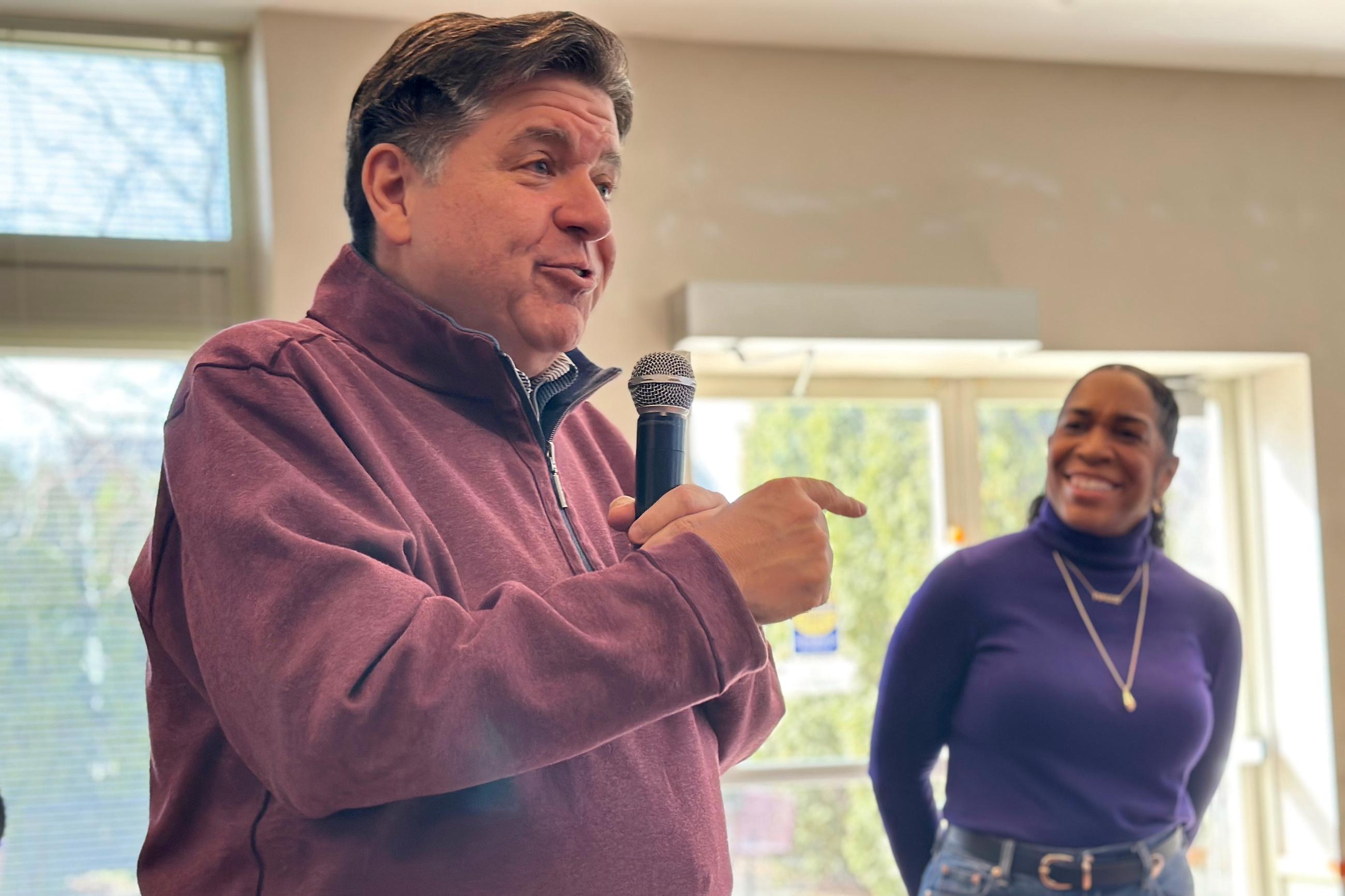
Illinois Gov. JB Pritzker, campaigns for Lt. Gov. Juliana Stratton, who is running for an open U.S. Senate seat, at the Montclare Senior Residences of Avalon Park in Chicago, Thursday, March 12, 2026. (AP Photo/Sophia Tareen)
ASSOCIATED PRESS

Want more stories like this?

Subscribe to Hotline's free Wake-Up Call afternoon newsletter to receive a comprehensive daily digest on state and national campaign news.

March 17, 2026, 11:30 a.m.

The Chicago River isn’t the only thing seeing green today as voters head to the polls in Illinois after millions of dollars in outside money flooded the airwaves. Between the open Senate race and four open House races, a state record-shattering $92.3 million has been spent on campaign ads.

When the cycle is all said and done, the price tag for the Illinois primary will be an important footnote in what’s projected to be the most expensive midterm election ever. The nonpartisan research firm AdImpact estimates that more than $10.8 billion will be spent on ads alone this cycle. Even as the competitive map gets smaller, the price tag keeps increasing as more outside deep-pocketed groups invest more in primaries.

More than 80% of the 435 House seats are considered not competitive in general elections and last cycle 84% of House seats in “were decided by 10+ points or completely uncontested,” according to a study from FairVote. The explosion of third-party spending in safe primaries will continue as interest groups move to influence the makeup of Congress, not just control.

Outside groups get more bang for their buck in safe primaries where a much smaller pool of voters are essentially deciding a member of Congress. The outside money is more influential in a sleepy primary than in a crowded competitive general election where both parties are investing and candidates are typically better funded. AdImpact estimates that the most competitive House races will see more than $47 million spent on the airwaves. Meanwhile, most primaries will see only a couple thousand spent on average.

Interest groups are taking notice of this attractive ROI and are investing big to get their preferred candidates nominated on a glidepath to Congress. The biggest spenders in Illinois are groups aligned with AIPAC, crypto, and AI. These organizations spent more than $31 million in support of their preferred candidates in House Democratic primaries alone, according to the Washington Post. Thanks to two competitive Senate primaries and several safe open House races, more than $122 million was spent on ads in Texas earlier this cycle, another record.

The anti-tax organization Club for Growth said it would spend more than $40 million on House races this cycle, with President David McIntosh telling Hotline they've earmarked a minimum of $15 million for safe-seat races.

“I tell donors that in order to stay competitive, we’re gonna need contributions,” McIntosh said.

Editor’s note: For a full list of the races we’re watching in Illinois and the favorites to win, check out Hotline’s exhaustive Illinois primary preview here. Later tonight, that same page will have live results of the most competitive races, so be sure to bookmark.

Kirk A. Bado

kbado@nationaljournal.com

What We're Following See More »

The Senate voted to begin consideration of the “SAVE America Act” — the bill that would require voters to show ID and proof of US citizenship in federal elections. While the legislation is not expected to pass, the debate could yield fierce rhetorical sparring on the floor. https://cnn.it/4drMX6M

[image or embed]

— CNN (@cnn.com) March 17, 2026 at 4:32 PM

Welcome to National Journal!

Enjoy this featured content until May 31, 2026. Interested in exploring more
content and tools available to members and subscribers?

×
×

Welcome to National Journal!

You are currently accessing National Journal from IP access. Please login to access this feature. If you have any questions, please contact your Dedicated Advisor.

Login