The Supreme Court’s decision on tariffs last week is a huge setback for President Trump’s economic policy—but it’s not necessarily a big relief for consumers.
Survey after survey shows that consumers continue to be nervous about the future of the economy. They’re worried about prices and jobs, and the threat of higher tariffs is part of that mix. They want Trump, who delivers his State of the Union address to the nation Tuesday, to do more to help.
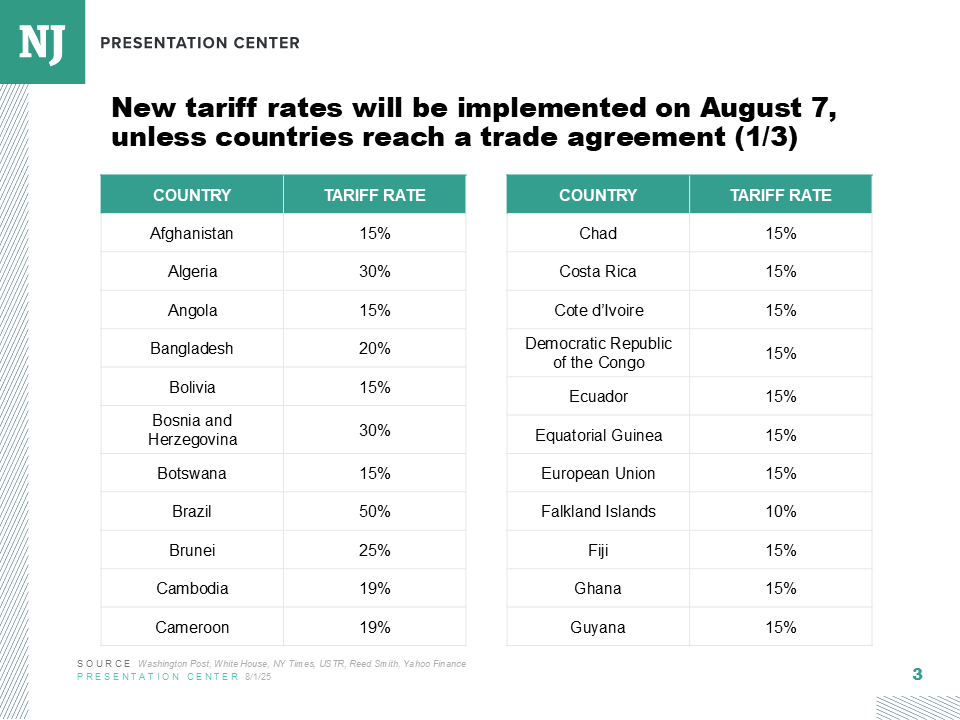
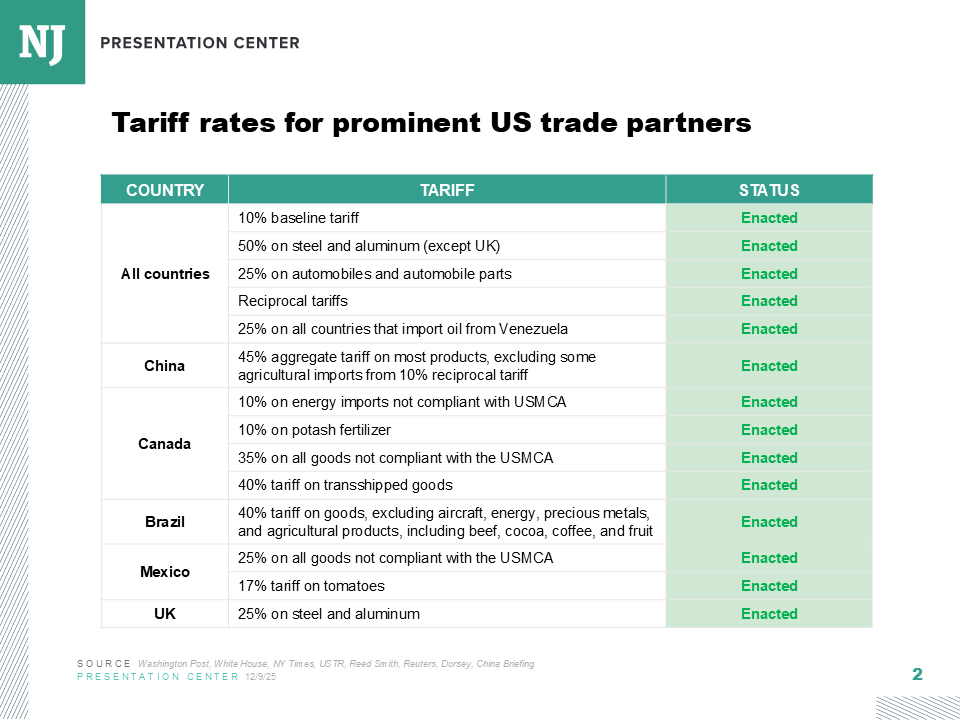
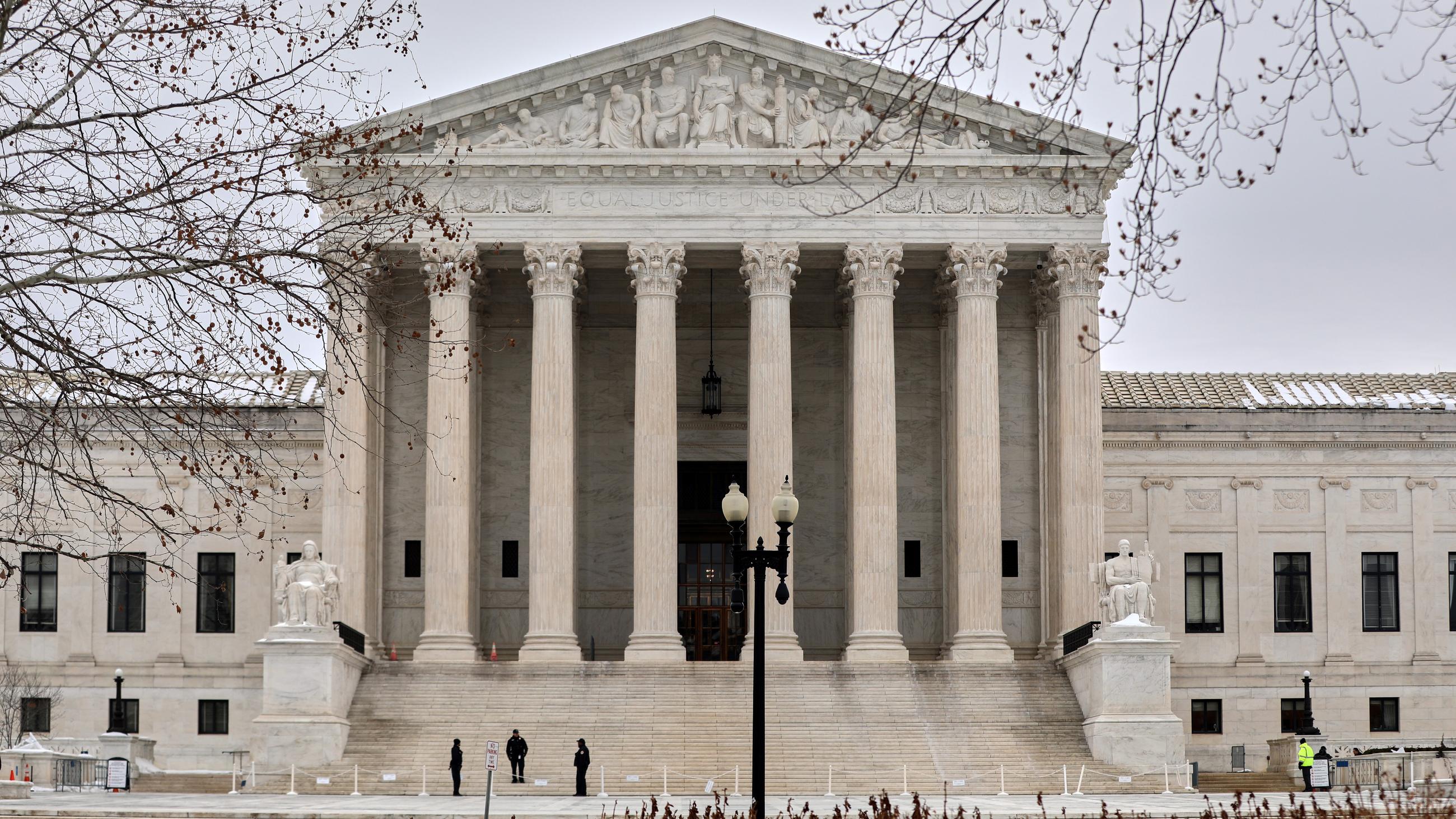
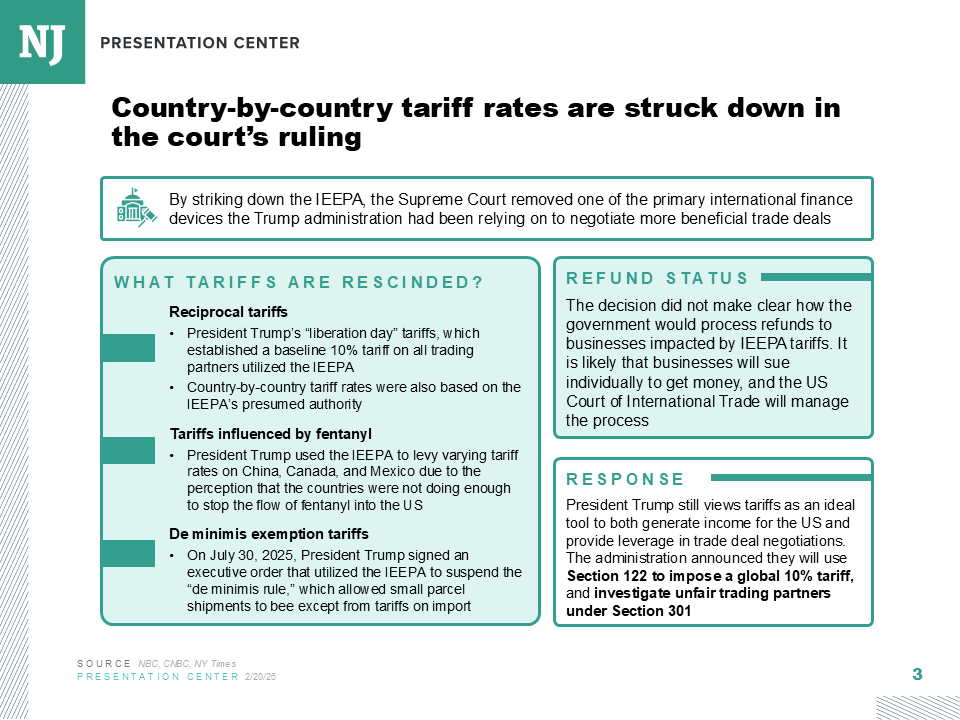
Trump’s next tariff move is being watched closely. The Supreme Court on Friday said the president did not have the power to impose widespread tariffs, or taxes on imports, under a 1977 law regarding emergency powers. Trump plans to impose new tariffs by other means.
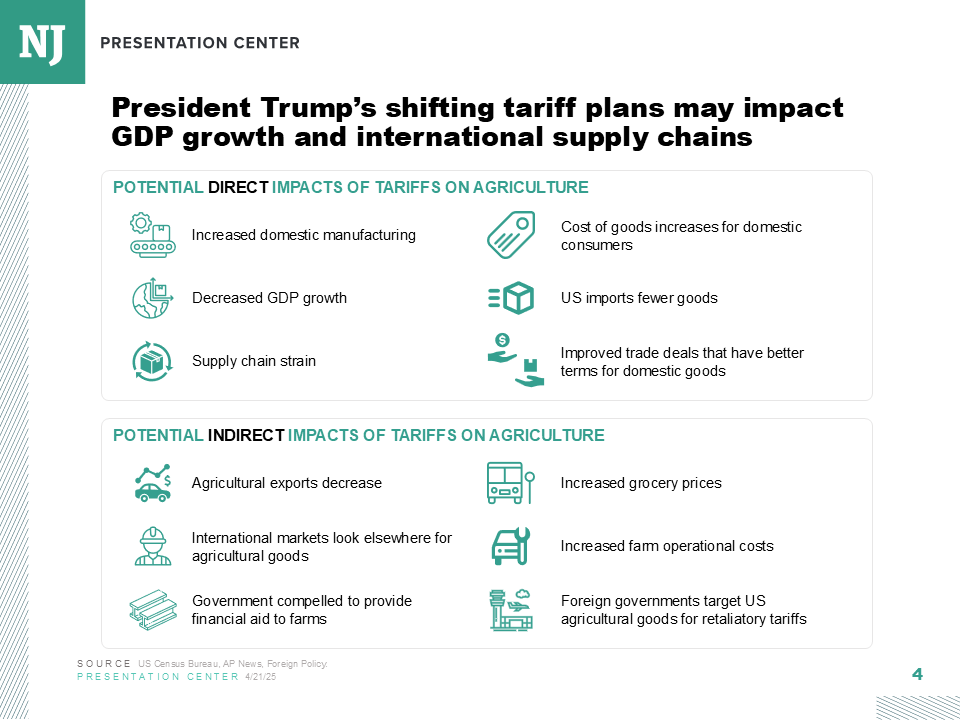
There’s a possibility consumers see some benefit from the court ruling. The Tax Foundation estimated that the tariffs meant an average tax increase of $1,000 per household last year and would mean a $1,300 jump this year.
"Historical evidence and recent studies show that tariffs are taxes that raise prices and reduce available quantities of goods and services for U.S. businesses and consumers, resulting in lower income, reduced employment, and lower economic output,” the report said.
Trump said after the court decision he’ll impose 15 percent tariffs where he can, which can last 150 days without congressional approval. A lot of questions loom: Would Congress have the votes weeks before midterm elections to extend tariffs? (Doubtful.) Will companies rush to lower prices that were increased to pay tariffs? (Again, doubtful.) Will businesses get refunds for already paid tariffs? (Not anytime soon.)
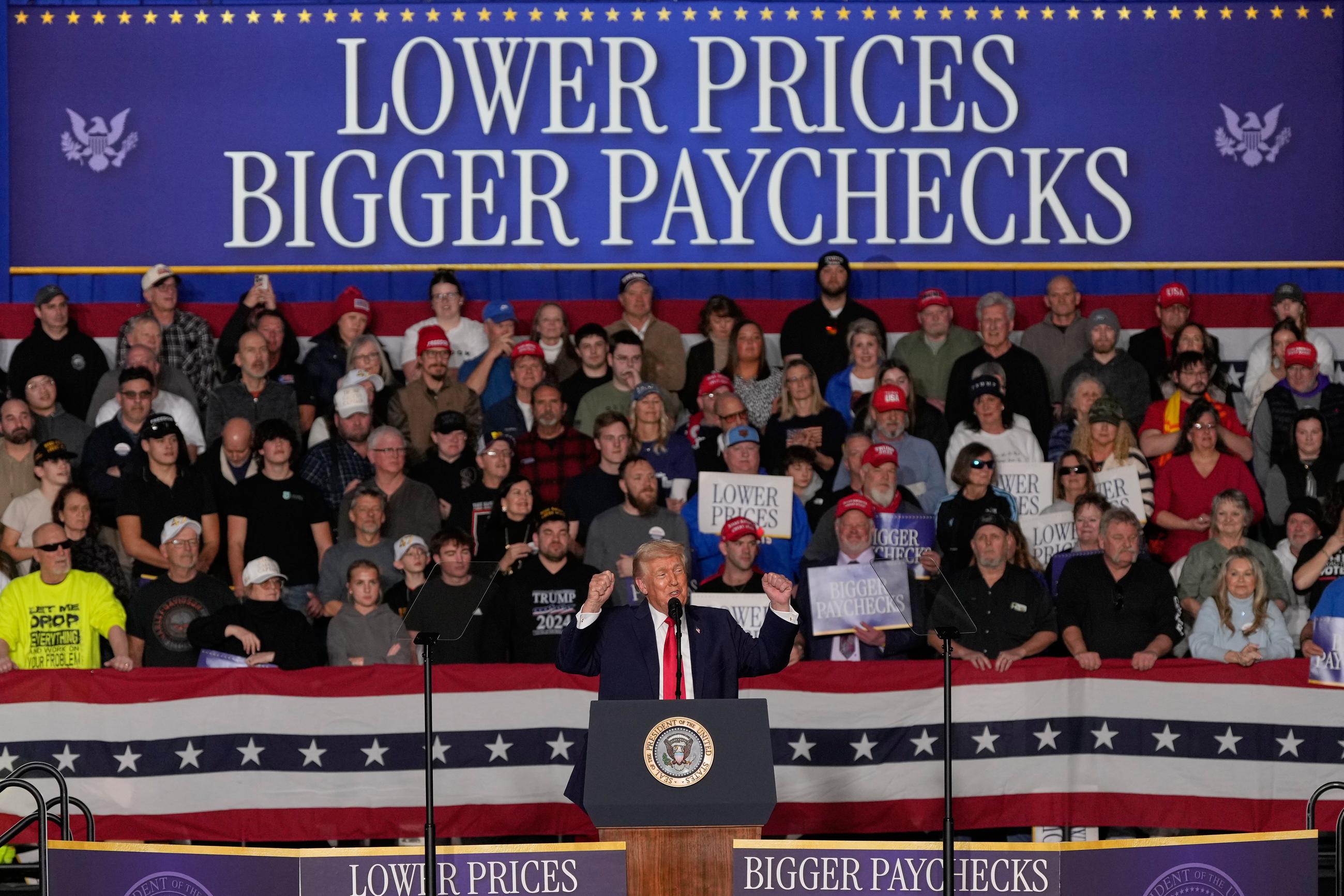
People want not only answers, but some sense from Trump that he’s looking out for them. A CNN poll taken last week found the economy was by far the issue people want to hear most about Tuesday. Fifty-seven percent said they wanted Trump to focus on the economy and the cost of living.
Trump is expected to boast about how he’s presiding over a booming economy, growth that he made happen. He’s unlikely to let the tariff ruling dampen his enthusiasm.
Prices are up 2.4 percent over the past year, not far from the Federal Reserve’s 2 percent goal. A total of 130,000 jobs were added last month, well above most experts’ predictions. Mortgage-interest rates have been sinking. Tax refunds are up. Markets have soared.
The key question is whether consumers will feel buoyed by all this cheer.
“Broadly speaking, last year's tariff developments were a drag on sentiment for two reasons: beliefs that higher tariffs would lead to an increase in consumer-facing prices” and concerns about uncertain policies, said Joanne Hsu, director of the University of Michigan Surveys of Consumers.
Even if tariff policy breaks consumers' way quickly, there’s no assurance they’ll feel an easing of economic pain that soon.
“2025 left us with a legacy of two words,” Atsi Sheth, chief credit officer at Moody’s Ratings, said at a conference earlier this month. One is the resilience of the overall economy, she said, while the other is affordability.
“It seems kind of a contradiction that the consumer is facing all these affordability challenges” while the economy keeps bouncing back from all real or perceived trouble, she said.
Take the One Big Beautiful Bill, the signature achievement of Trump’s second term. The $4.1 trillion measure Republicans in Congress passed last summer extended Trump’s 2017 tax cuts while adding new ones.
That alone should have in theory buoyed consumers. One clear, immediate benefit is that the average-income taxpayer so far has seen his or her refund increase by about 14 percent from last year to $2,476, the IRS said in a Feb. 6 report.
The nonpartisan Congressional Budget Office estimates the OBBB will lead to $1.1 trillion in additional business investment on buildings, equipment, and intellectual property.
But CBO also warned of "complicating factors” such as higher-than-anticipated interest rates.
The more private borrowers seek funds, the more competition with the government for that money, helping to boost interest rates. And higher interest rates could push already huge federal deficits even higher, CBO said.
While consumer interest rates have been inching down, they’re still much higher than in recent years.
The average rate for a 30-year mortgage loan last week was 6.01 percent, down from 6.85 percent a year earlier, just after Trump took office, according to Freddie Mac, which tracks such trends. But it’s still well above the COVID-era rate of 2.73 percent, the week President Biden took office five years ago.
Those rates can be hard to control, even with the Federal Reserve acting cautiously. It has lowered its target rate three times since September, but left it alone in January. It’s currently expected to take no action when its rate-setting panel meets again next month.
“The Fed sets very short-term interest rates, while households borrow at longer-term rates that are driven by global capital markets, not Fed policy alone,” said Amy Crews Cutts, Primerica economic consultant.
“Even if policymakers cut rates to another quarter-point, most consumers are unlikely to feel much relief in the short term,” Cutts said. “The transmission from Fed policy to household finances is slow—and in some cases, barely noticeable.”
It’s unlikely the court tariff ruling or Tuesday’s speech will provide a sudden jolt to consumer sentiment. The underlying economic fundamentals remain worrisome to most consumers, surveys show.
Overall, said Hsu: “Developments that resolve policy uncertainty would also provide some support to consumers' views of the economy.”