National Journal Logo
×

Welcome to National Journal!

Enjoy this premium "unlocked" content until April 30, 2026.

Continue

Governors take dueling affordability proposals to their legislatures

Voters may feel Democrats’ direct-relief proposals ahead of November.

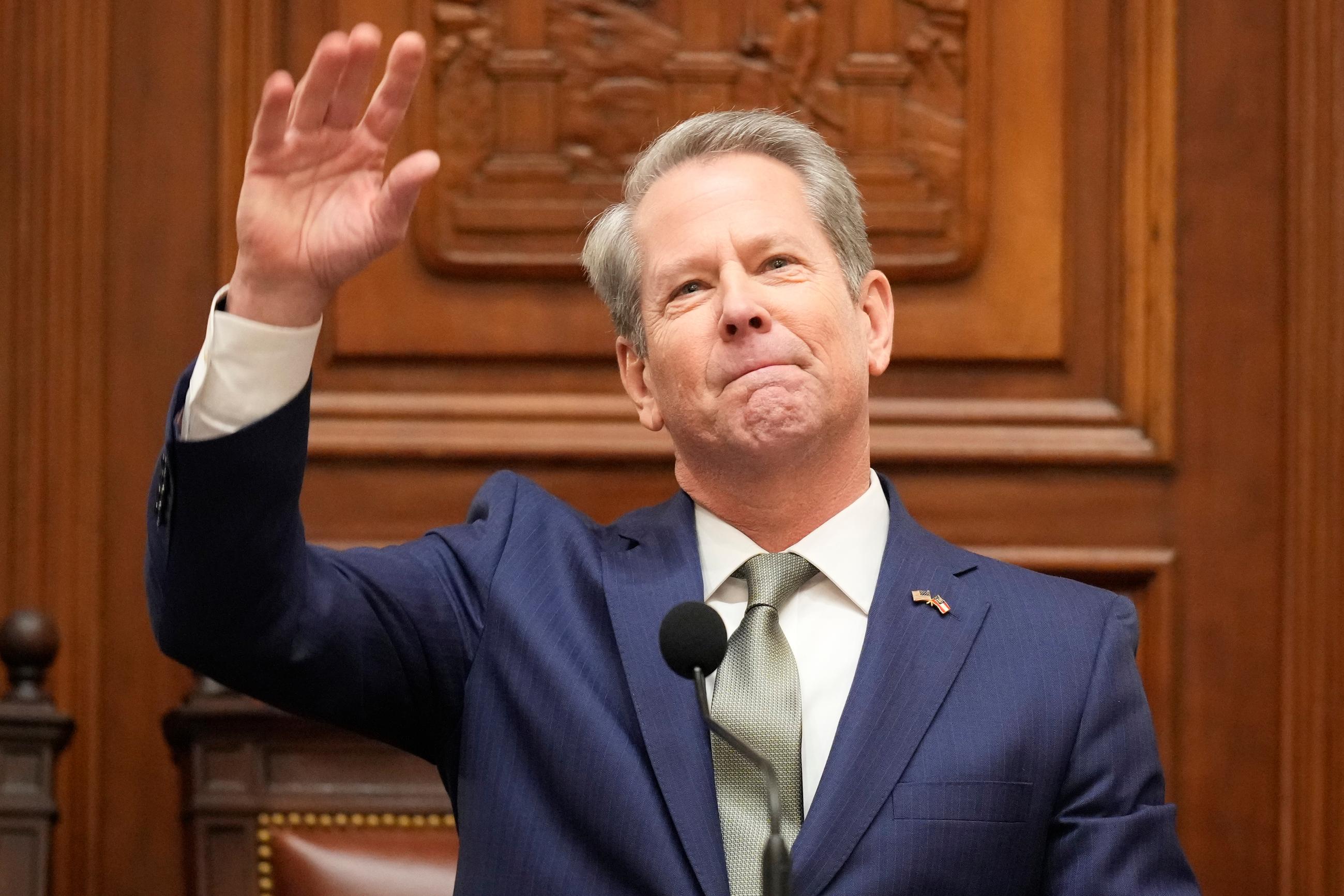
Georgia Gov. Brian Kemp at his State of the State Address in Atlanta on Jan. 15 (AP Photo/Brynn Anderson)
ASSOCIATED PRESS

Want more stories like this?

Subscribe to our free Sunday Nightcap newsletter, a weekly check-in on the latest in politics & policy with Editor in Chief, Jeff Dufour.

Feb. 18, 2026, 5:53 p.m.

“The reality is that too many of our citizens are still struggling to make ends meet and everyday costs are still too high,” Republican Gov. Brian Kemp said in his January State of the State address in Georgia.

In his own state address days later, Democratic Gov. Dan McKee noted "the hardships many Rhode Islanders face in trying to keep up with the rising cost of living."

While the governors echo the same concerns over the high cost of living burdening their states’ residents, their parties’ proposals to ease pocketbook strains differ.

Democratic governors are largely championing direct relief and investments this legislative session, including direct financial relief, reduced utility rates, and funding for housing and health care, according to a National Journal analysis of annual state legislative addresses. Meanwhile, their Republican counterparts have proposed easing the property- and income-tax burden to keep more money in the hands of voters.

“I think where state executives are getting really savvy, especially ahead of major elections, is that they are packaging the actions that they're taking as more of an affordability message or initiative,” said Maggie Mick, vice president at MultiState. “They're just getting savvier at communicating what they're doing towards overarching campaign or thematic goals.”

Democrats have zeroed in on affordability messaging as their political lifeline following their 2024 defeats. As Democratic governors have entered midterm-year legislative sessions, they’re leaning heavily into proposals designed to hit quickly and visibly.

“If they're able to implement them quickly—like, for instance, the cap on utility rates that a number of governors have proposed—people could see that in their electric bills right away," said David Cooper, director of the Economic Analysis and Research Network. "So that's something that could have an immediate impact.”

Democratic Governors Association spokesperson Olivia Davis said in a statement to National Journal that “Democratic governors and candidates are going on offense this year and have a winning message on affordability and lowering costs for working families.” Davis added that the Trump administration’s “economic policies led to landslide losses for Republicans in 2025.”

New Jersey Gov. Mikie Sherrill centered her winning campaign last year around affordability. Mick credits a hyper-focused campaign promise of freezing utility rates as an essential element that helped Sherrill break through in the race. On Day One of her term, Sherrill kept that promise and froze utility rates.

Other governors are aiming relief directly at bank accounts. Maine Gov. Janet Mills proposed providing $300 "Affordability Relief checks" for eligible residents. Connecticut Gov. Ned Lamont proposed using part of the projected $1.6 billion budget surplus to provide a $200 tax rebate to single filers earning up to $200,000, and to joint filers earning up to $400,000.

Short-term policies aren’t the only proposals on offer. Cooper pointed to several governors making “long-term investments that are going to pay off further on down the road.”

Arizona Gov. Katie Hobbs asked the Legislature to grant additional funding to the newly established Housing Acceleration Fund, which combines public and private dollars to unlock lower-cost financing for building homes. This month, the Board of Early Education and Care in Massachusetts greenlit Gov. Maura Healey’s proposed higher reimbursement rates for childcare providers.

“If you have places where new families are able to get their kids into day care that they wouldn't have been able to afford before, that's something else that could resonate before November,” Cooper said.

Republican governors, by contrast, have largely blamed taxes as the root of the high cost of living in their states, and they are proposing longer-term tax changes.

Iowa Gov. Kim Reynolds, who is not running for reelection, proposed spending limits on cities and counties, blaming government spending for driving the rise in property-tax rates. Her plan would cap revenue growth at 2 percent, projecting $3 billion in savings for taxpayers over six years. Oklahoma Gov. Kevin Stitt called for a statewide property-tax freeze to be placed on the ballot.

Others are targeting income and sales taxes. Kemp and South Carolina Gov. Henry McMaster both asked for additional cuts to their state's income tax. South Dakota Gov. Larry Rhoden's tax plan calls for replacing county property taxes with sales tax. Missouri Gov. Mike Kehoe supports a plan to phase out the state income tax and replace it with an expanded sales tax.

“Democrat governors only offer lip service on affordability while they implement policies that drive up costs on working families,” Republican Governors Association deputy communications director Kollin Crompton said in a statement to National Journal.

Republican governors, he added, are putting “more money in the pockets of the American people by cutting taxes, eliminating unnecessary red tape, and streamlining government.”

The pitch is that if the state lowers taxes, residents have more of their own money to spend. To balance the budget, however, states may have to make cuts, sometimes to programs already designed to offset cost pressures, warned Ryan Bourne, an economist at the Cato Institute.

The timeline for passing tax changes and implementing them isn’t as clear. Many of the proposals need approval, either from the legislature or voters. While Republicans ideally want tax changes implemented before the midterms, Bourne said it’s unlikely that will happen.

“I mean, frankly, a tax cut they're not going to feel till next tax season," he said. "So, you know, those things aren't going to be as politically salient, I would argue.”

How quickly, and successfully, governors can turn their budget proposals into reality could determine who wins the affordability conversation in the statehouses. On the campaign trail, however, it’s already shaping what candidates are talking about.

Mick pointed to Georgia’s crowded gubernatorial race, where “you can kind of see some of these test balloons going up” based on what sitting politicians are already proposing. Republican Lt. Gov. Burt Jones is campaigning on eliminating the state income tax, while Democrats like former Atlanta Mayor Keisha Lance Bottoms and former state Sen. Jason Esteves have supported expanding the housing stock.

“If any of the current legislatures or governors are able to deliver legitimate, noticeable relief to their constituents, then I think a lot of candidates are going to take notice,” Cooper said.

What We're Following See More »

Republican U.S. Sen. Steve Daines of Montana dropped his bid for reelection to a third term Wednesday.

[image or embed]

— The Associated Press (@apnews.com) March 4, 2026 at 8:11 PM

Welcome to National Journal!

Enjoy this featured content until April 30, 2026. Interested in exploring more
content and tools available to members and subscribers?

×
×

Welcome to National Journal!

You are currently accessing National Journal from IP access. Please login to access this feature. If you have any questions, please contact your Dedicated Advisor.

Login