
ORLANDO, Fla.—As food and ethanol industry leaders gather here this week at separate meetings, the oversupply of commodities is raising questions about whether congressional Republicans and the Trump administration can deliver on their promises to farmers before the midterm elections.
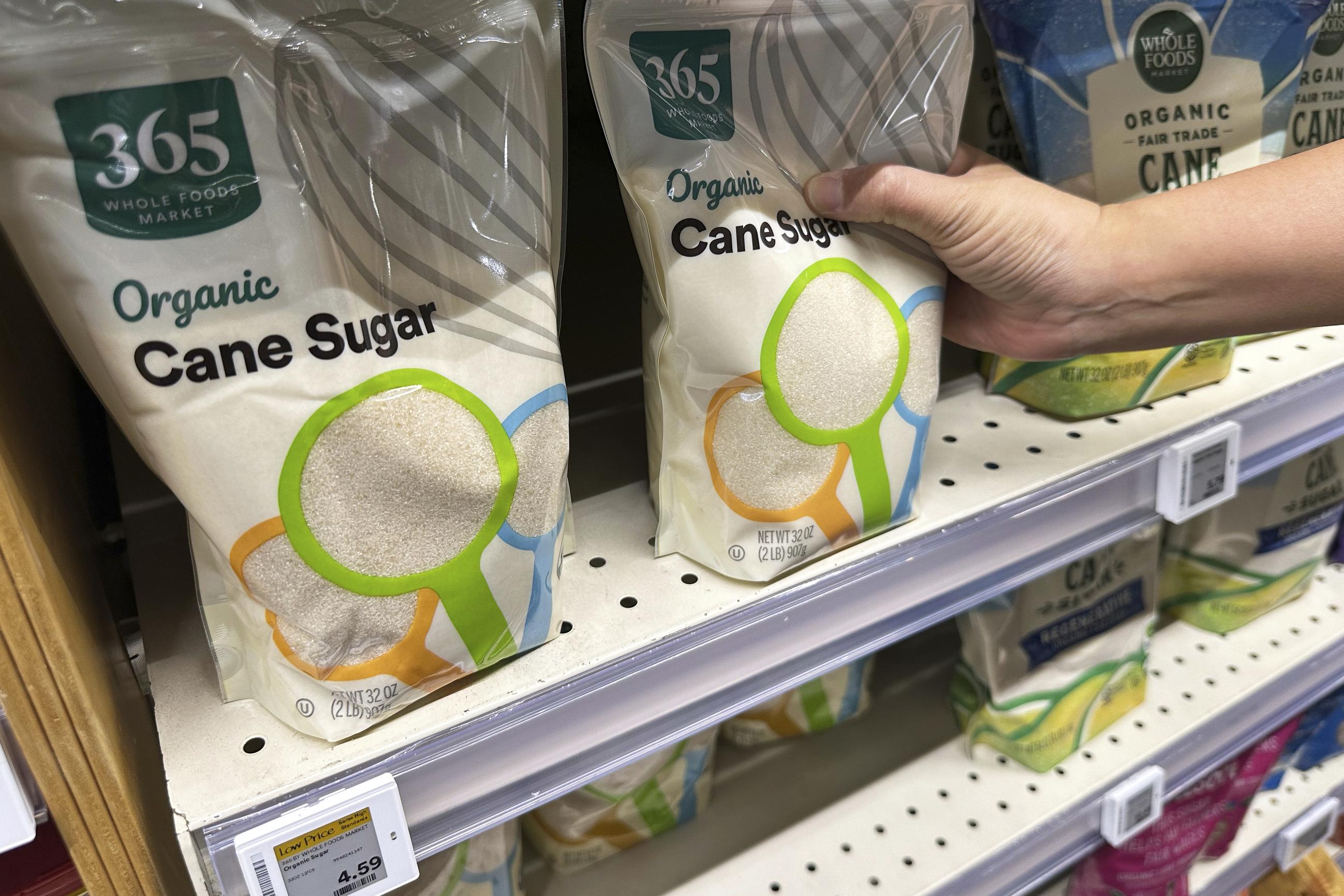
Vincent O’Rourke, a Miami-based analyst with C.Czarnikow, a sugar trading firm founded in London in 1861, said at the International Sweetener Colloquium that global sugar consumption has fallen so low the entire sugar industry is in decline. His company is now making most of its money from tapioca and other products, not sugar. The price for raw sugar, he added, is 14 cents per pound, half what it was a year ago. O’Rourke attributed a lot of the decline to the popularity of GLP-1 drugs, noting that all people in households in which a GLP-1 user buys food change their eating habits and reduce portion sizes.
“If we are changing, the world is changing,” O’Rourke told the executives from soda, candy, and baking companies.
Frank Jenkins, president of JSG Commodities, said the price of sugar is so low that companies find it worthwhile to import sugar even if they have to pay high-tier duties. That makes it tougher for the Agriculture Department to manage the sugar market, which is supposed to keep imports low to protect American cane and beet farmers.
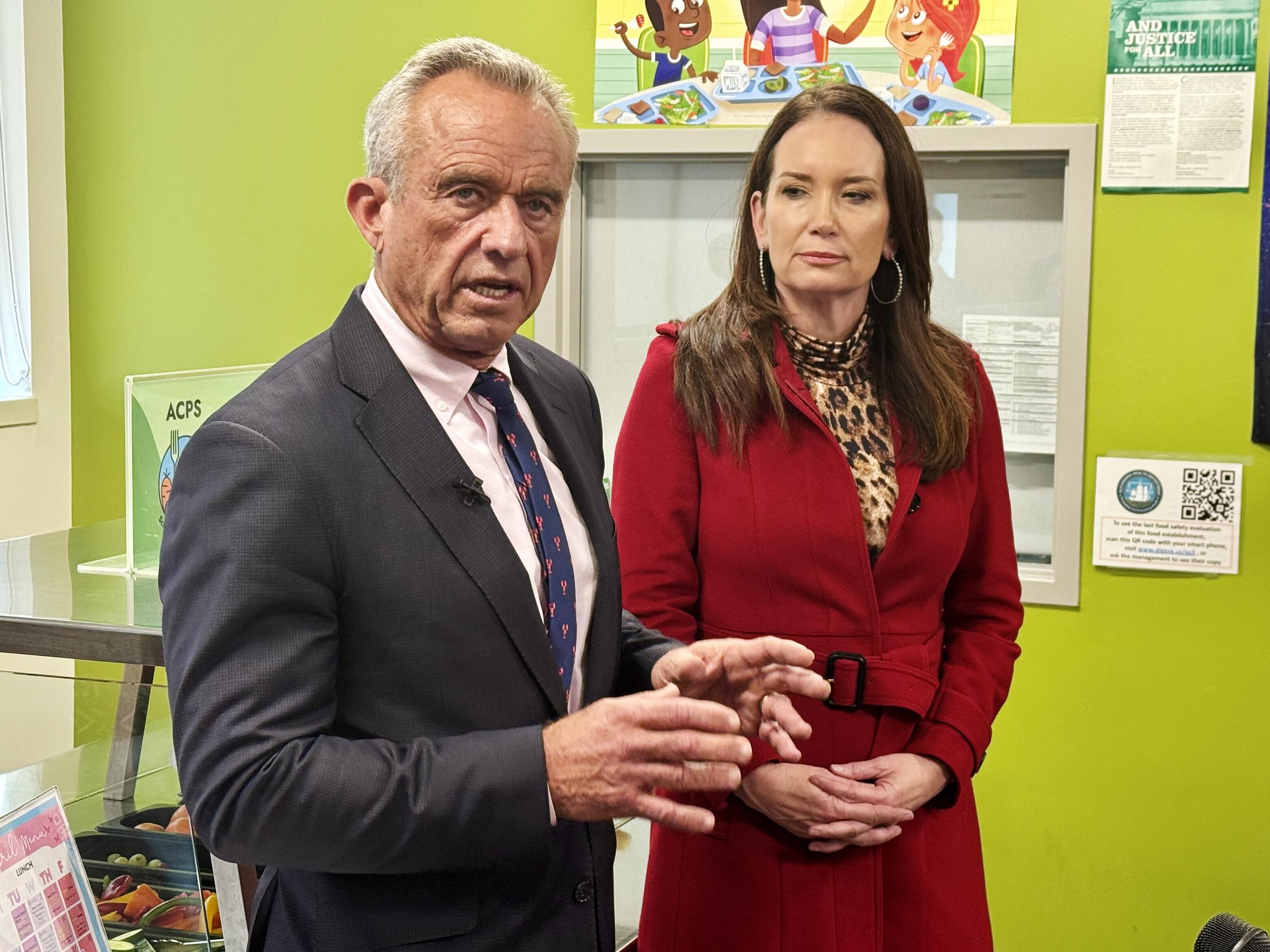
Craig Ruffolo, a commodity specialist at the McKeany-Flavell Company, Inc., said the corn-wet-milling industry is also in a downturn because sales of products that use high-fructose corn syrup—carbonated beverages, baked goods, highly processed foods, and full-calorie beers—are declining. Ruffolo noted that Health and Human Services Secretary Robert F. Kennedy Jr.’s campaign against ultraprocessed foods could reduce consumption even more.
Tara Smith, a prominent crop-insurance lobbyist with the Torrey Advisory Group, said at a recent conference that as GLP-1 drugs reduce food consumption, farmers will seek out more nonfood markets.
That’s exactly what’s happening across town at the National Ethanol Conference, where biofuels-industry leaders are calling on Congress to pass a bill to allow the sale of E15 ethanol gasoline nationwide year-round. They’re also asking the Trump administration to complete regulations for the Section 45Z Clean Fuel Production Credit to encourage production of sustainable aviation fuel, renewable diesel, and ethanol.
Both branches of government, however, have plenty on their mind already when it comes to agriculture. The administration is planning to distribute $12 billion from the Commodity Credit Corporation through the Farmer Bridge Assistance Program (FBA). Agriculture leaders in Congress are trying to pass the parts of the farm bill that were not included in the One Big Beautiful Bill Act, while also writing a supplemental appropriations bill that includes more aid to farmers suffering from low commodity prices and high input costs.
All of these efforts face trouble. Agriculture Secretary Brooke Rollins initially said row-crop farmers would get $11 billion by the end of February. Last week she said farmers need to enroll in the FBA and “could receive a payment in their bank account as early as Feb. 28, 2026.”
Rollins also announced that producers of specialty crops such as fruits, vegetables, and tree nuts need to report their acreage so their FBA payments can be calculated. Cane and beet growers will get $150 million of the $1 billion in that program. USDA has not said when farmers might see that money.
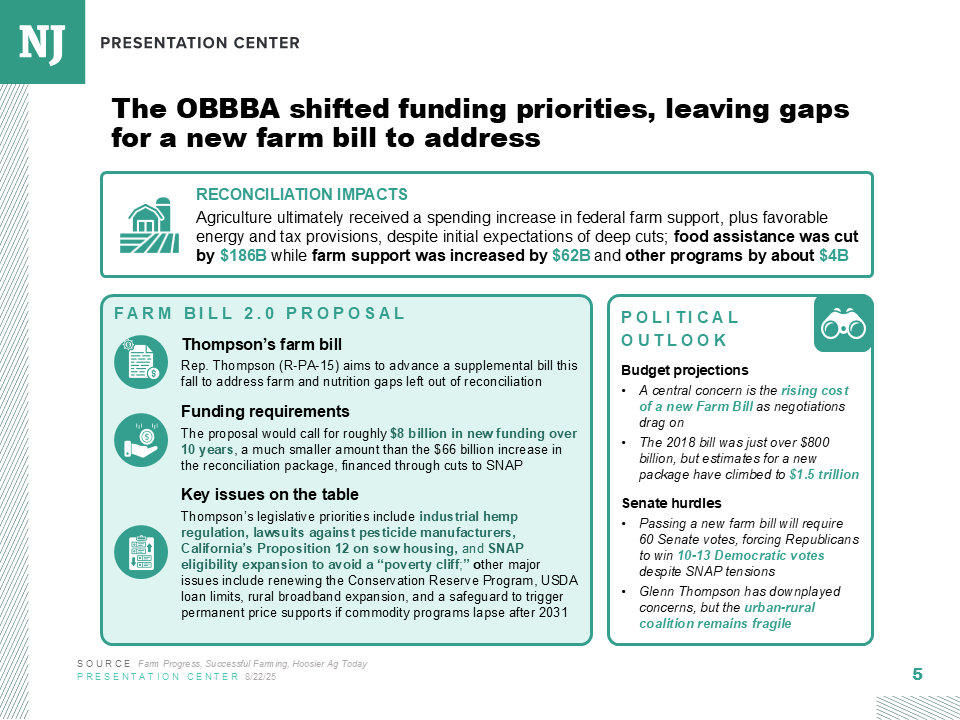
On Capitol Hill, House Agriculture Committee Chairman Glenn Thompson has scheduled a March 3 markup on his farm bill, but even if he manages to get all Republicans on his committee to vote for the bill, it’s unclear if the full House will ever take it up. Senate Agriculture Committee Chairman John Boozman and Senate Agriculture Appropriations Subcommittee Chairman John Hoeven are more focused on getting aid to farmers quickly than finishing the farm bill. They reportedly want $15 billion, including $5 billion for the specialty-crop producers who say they have not gotten their fair share from the FBA.
House Republicans have so far been unable to reach agreement on an E15 gasoline bill that satisfies the biofuels industry because small refiners have objected to it. This has infuriated corn growers and ethanol producers.
Republicans have kept Democrats out of the legislative process and now can’t expect any cooperation from them. House Agriculture Committee ranking member Angie Craig, who is a candidate for the Democratic nomination to succeed retiring Sen. Tina Smith of Minnesota, has her own farm-bill proposal.
Republicans have heavy lifts ahead of them in a year when they would prefer to be home campaigning. If they fail, they are more likely to find themselves in the minority next year.