
Feb. 11, 2026, 3:59 p.m.
Election cycles are often defined by their recruiting classes. In 2018, Democrats turned to national security professionals to capture a blue wave. In 2020, Republicans recruited a batch of veteran, Hispanic, and female candidates who helped them chip away at the Democratic majority.
This cycle, Democrats are increasingly turning toward candidates with proven union or blue-collar bona fides in the nation’s most competitive seats as they try to recapture the majority for the first time since 2022. This comes on the heels of working-class voters fleeing the party in 2024 and internal handwringing about how the Democrats had lost their way.
These candidates want to bring those voters back under the Democratic tent by projecting a common message and the politics of relatability. The crop of contenders were also not afraid to criticize their party’s apparatus, which they see as out of touch with everyday Americans.
“They're more credible talking about economic issues,” said Nancy Zdunkewicz, a Democratic pollster who worked with labor leader Taylor Rehmet in his successful special-election bid for a deep-red Texas state Senate seat. “That something that a lot of other people aren't measuring, the organization that comes with recruiting from these communities.”
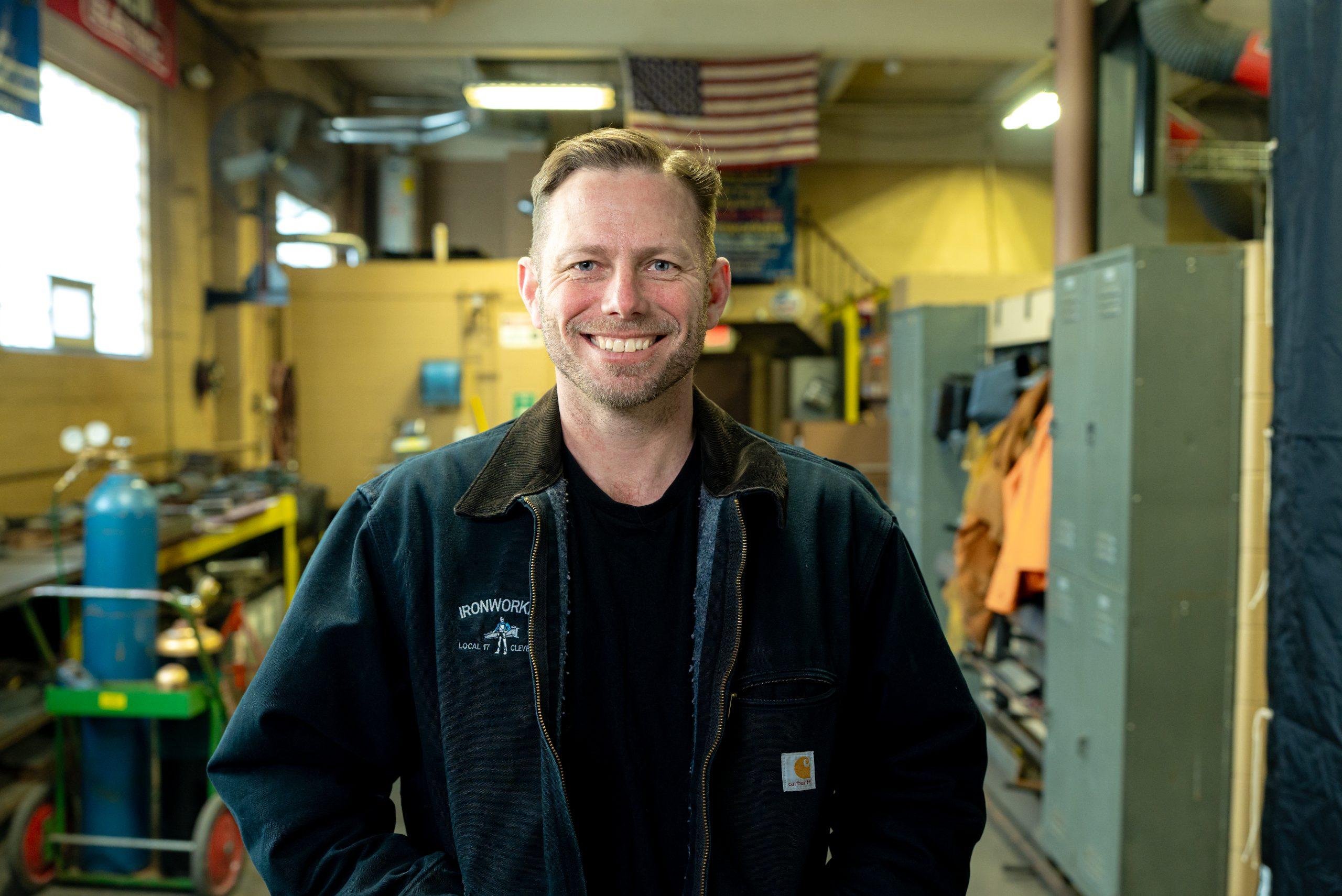
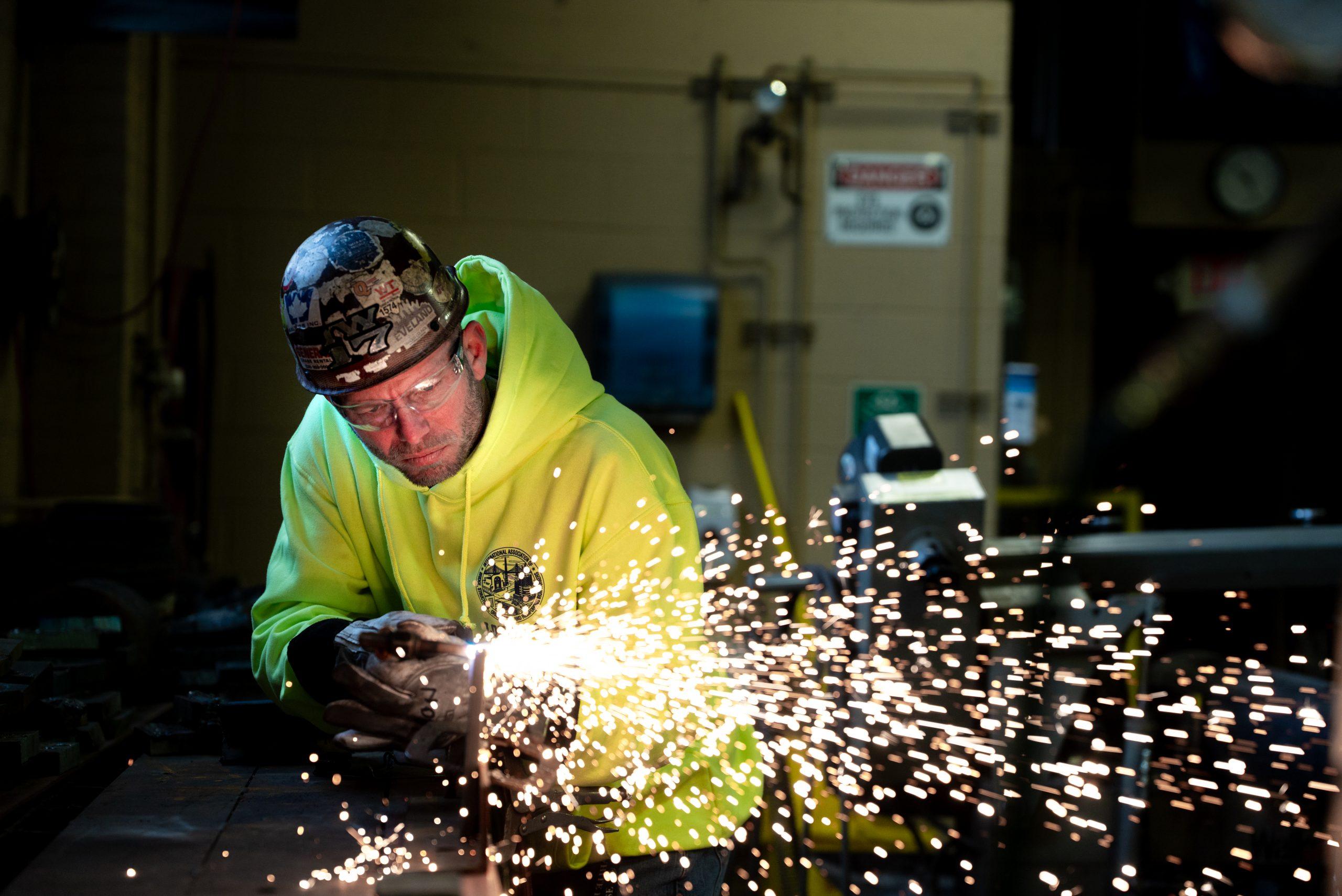
Ohio’s 7th: Ironworker Brian Poindexter
Poindexter has made his working-class roots front and center in his run for Ohio’s deep-red 7th District, to the point where his campaign logo features two wrenches. Beginning working at a machine shop at age 15, Poindexter said he’s worked his fair share of jobs in factories and kitchens, driving a truck, and as a unionized ironworker. Through that experience, he said he’s found that “the laws in this country are stacked against working people.”
“Washington is out of touch; they don't know what we're going through,” Poindexter told National Journal. “Nobody's fighting for us. Me entering this race, this is me answering that call.”
He’s adamant that he isn’t trying to “carry the flag” for the Democratic Party but rather bringing the local issues that Ohioans in the district care about to Congress: the economy, worker’s rights, affordable health care, and keeping manufacturing jobs American. He’ll need to distance himself from the national party to win in a district that’s been held by a Republican since 1939.
“I'm running this race just to fight for working people,” Poindexter said. “I am a Democrat, but ultimately I'm running because our current representative is a terrible representative for working people.”
Montana’s 1st: Smokejumper Sam Forstag
The argument that Democrats have left the working class behind resonates with Forstag, who told voters in his launch video that he knows what it’s like to “work a thousand hours of overtime and still be holding on by my fingernails.”
“We don't fix the problem of money in politics by just running more people with a whole lot of money,” Forstag told National Journal. “We fix it by running people who actually care about a housing crisis because they've dealt with it, and been the person who had to pay their damn rent on a credit card while working three jobs at a time.”

Montana congressional candidate Sam Forstag
Image courtesy of Sam Forstag for Congress
Though the district's current representative, Republican Rep. Ryan Zinke, has won the seat in increasing margins since its creation in 2021, Forstag says he believes he can flip the seat. He pointed to former Democratic Sen. Jon Tester’s win of some of the district’s counties in 2024 and former Gov. Steve Bullock, a Democrat, who held the office from 2013 to 2021.
North Carolina’s 11th: Farmer Jamie Ager
For Ager, the focus isn’t on his résumé so much as the skills farming has taught him. He says discipline, communication, leadership, and teamwork—traits he learned from his agricultural work—are what is needed in Congress.
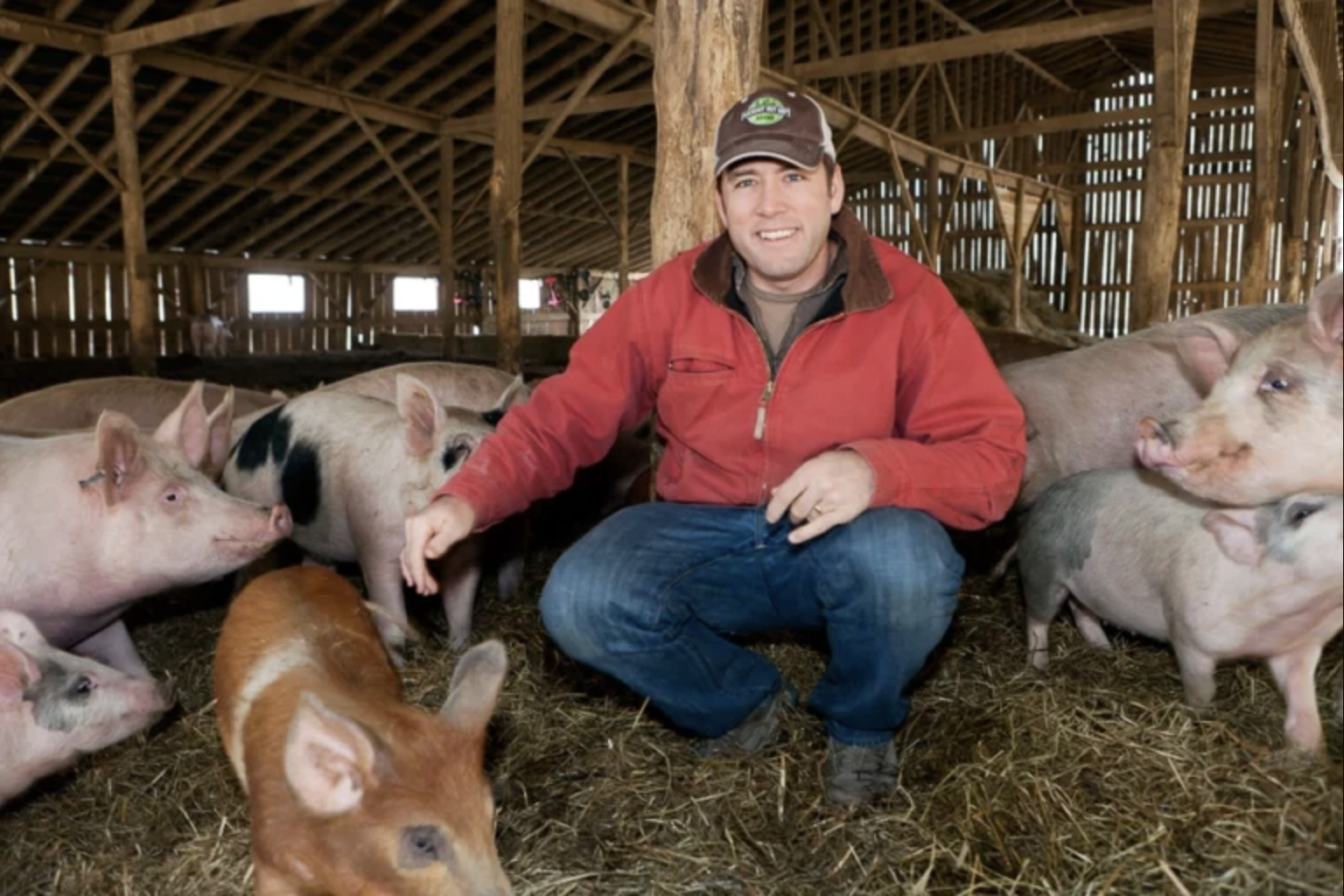
North Carolina congressional candidate Jamie Ager
Image courtesy of Jamie Ager for Congress
The farmer said that Republican Rep. Chuck Edwards, the district's current representative, has failed to display such leadership, arguing that Edwards has retreated from the Trump administration in fear, attempting not to ruffle any feathers. By doing so, Ager says, Edwards has left behind a community still struggling to recoup after Hurricane Helene pummeled the state.
“It's just a lack of leadership and a weakness that is just unacceptable in the context that we just got destroyed,” Ager told National Journal.
Ager, whose grandfather represented the district in Congress for six years in the 1980s, says many members arrive on Capitol Hill as idealists who lack the practical skills needed to turn those ambitions into results.
“I see so many people in Washington with big ideas,” Ager said. “But they don't know how to build relationships with people. And to me, the work is building relationships.”
Pennsylvania's 7th: Firefighter Bob Brooks
Brooks, a union firefighter vying for the Democratic nomination in northeast Pennsylvania, says he can get stuff done.
“People can look at me, and I can talk to them about that. I can talk to them about struggles and … what they're going through, and how I want to be a partner for them,” Brooks told National Journal.
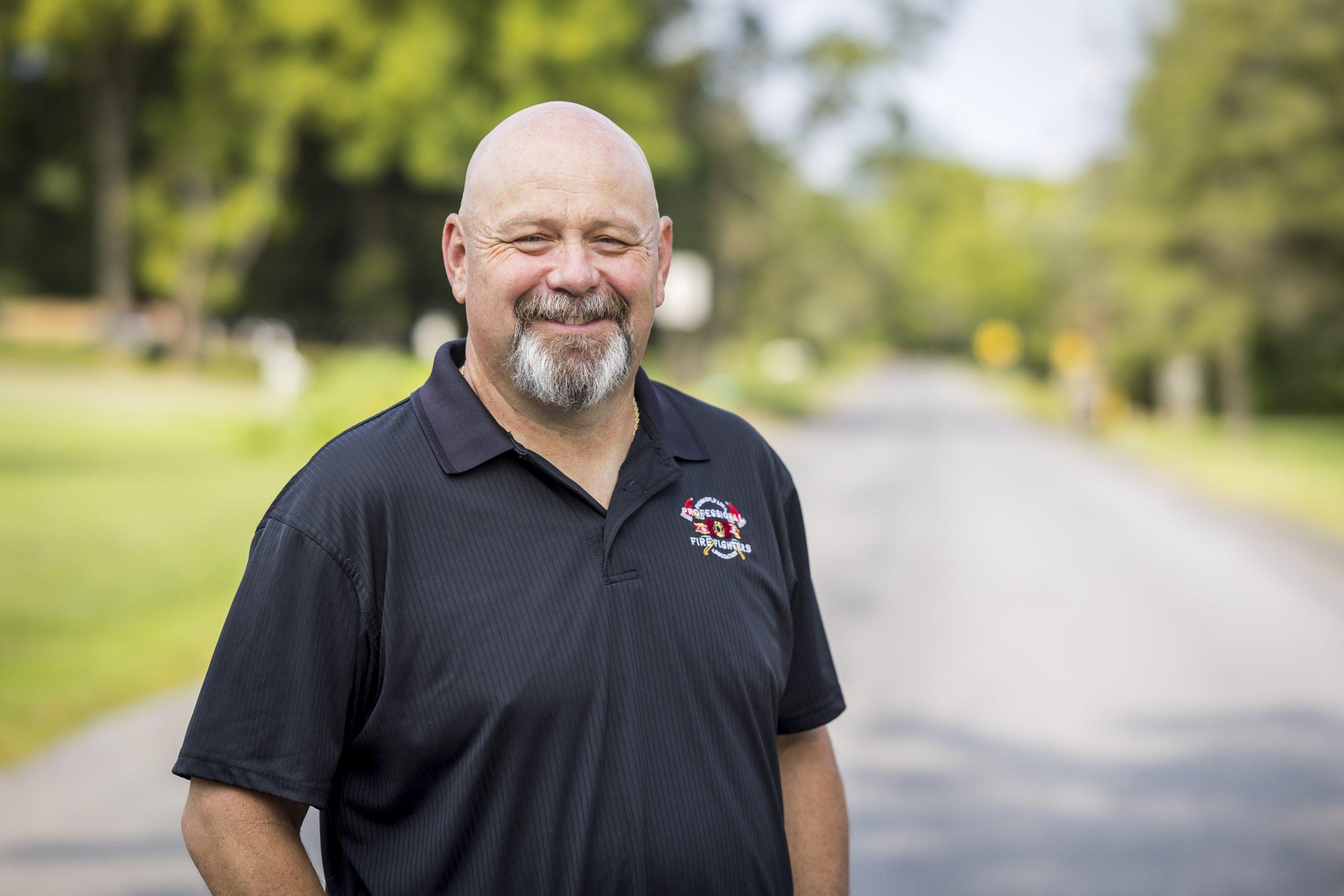
Pennsylvania congressional candidate Bob Brooks
Image courtesy of Bob Brooks for Congress
Brooks, who also runs a landscaping and plowing business, says the rhythm of everyday life sometimes disrupts his time on the campaign trail, a reality for some of these candidates who lack vast personal fortunes.
“I agreed to these [plow contracts] before we decided to run for Congress,” Brooks said of the recent snowstorm that impacted some 190 million people across the United States. “You have to hold up your end of the bargain, and that’s what I’m doing.”
Despite work obligations keeping Brooks off call time with donors, the firefighter says he doesn’t see that as a negative but as an asset as he meets voters across the Lehigh Valley.
In keeping with many of the candidates interviewed by National Journal, he didn’t shy away from critiquing his party. “I think we just need to offer them something different, something to be excited about," he said. "We can't just run around dumping on Trump all the time. I need to talk to them about the issues that they're actually facing—seeing themselves in somebody [with] no college degree, taking food stamps, working multiple jobs.”
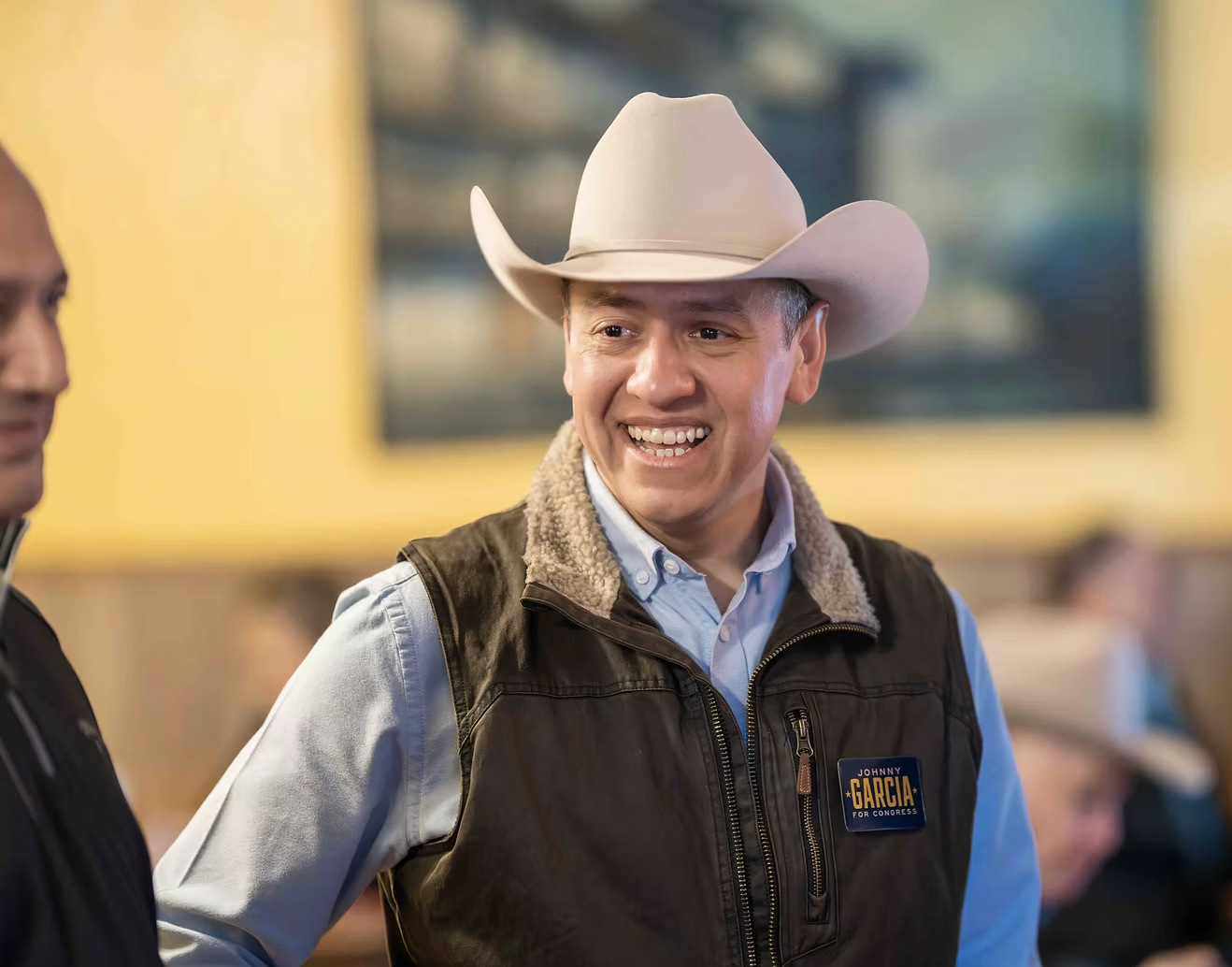
Texas congressional candidate Johnny Garcia
Image courtesy of Johnny Garcia for Congress
Texas’s 35th: Bexar County Deputy Sheriff Johnny Garcia
Garcia is leaning into his upbringing throughout his campaign for a newly formed seat outside of San Antonio. He hopes his blue-collar roots, which include stints as a plumber and construction worker, will allow him to compete in a seat drawn for Republicans.
“It was during this early phase in my life that I really understood what hard labor meant, and [about the] people that are getting up every single day to build America from the ground up, and that's what I say on the campaign trail,” he said.
Garcia told National Journal he saw wealth disparity as a blue-collar laborer building homes in “some of the most affluent neighborhoods in San Antonio.” He said the contrast made him conscious of the American Dream—a dream he says is now being dashed due to soaring costs and “the attack on education.”
Pennsylvania’s 1st: Bucks County Commissioner Bob Harvie
Harvie also stares down a tall order as he looks to be the Democrat who finally unseats Republican Rep. Brian Fitzpatrick, a mainstay in Bucks County. Harvie, a former teacher and son of a working-class union electrician, has leaned into his union membership in his campaign against Fitzpatrick, a moderate Republican who’s enjoyed a strong history of union support that has helped propel him to convincing wins cycle after cycle.
Harvie, along with other Democratic candidates interviewed by National Journal, says the party has lost its way over the last several years.
“It's been decades of really kind of losing touch with the people who used to trust us,” Harvie said. “We're the party that wants worker safety; we're the party that wants to raise the minimum wage. We're the party protecting collective bargaining, but that's not been a key part of our messaging for a long time.”
The road ahead
Many of the blue-collar recruits are running in Republican parts of the country where the Democratic brand has cratered.
Republicans have sought to consolidate support from traditional Democratic groups like unions. Republican Sen. Jon Husted of Ohio has so far won over four unions that previously backed former Sen. Sherrod Brown. The Democrat is mounting a comeback bid this year after a 2024 loss, and his past electoral success was due in part to his support from labor.
Freshman Republican Rep. Rob Bresnahan has also made inroads with unions that historically supported Democrats, flipping support of three local unions that had previously backed Democrats. The Pennsylvania Laborers’ District Council, which had supported Bresnahan's likely opponent, Paige Cognetti, during her successful campaign for Scranton mayor, has now endorsed the Republican.
It’s part of a broader trend of union defection for the Democrats. In 2024 the Teamsters, one of the most politically powerful unions, declined to endorse a presidential nominee for the first time since 1996.
Some groups have taken note. Kevin Elkins, the political director for the New York City District Council of Carpenters, didn’t mince words about how the Democratic Party can get back on track with working-class voters.
“Stop talking like a grad student at some Ivy League school,” Elkins said to National Journal last week. “That's first and foremost, because if no one can understand you, no one's going to want to vote for you.”