Feb. 4, 2026, 5:08 p.m.
As the election-year legislative sessions kick off, Democratic and Republican governors are asking their state’s legislative bodies to pass their signature proposals to lower the cost burden on their states’ residents. Democratic executives have proposed investments to ease high costs and make up for cuts to program funding in the federal GOP reconciliation bill, while Republican governors have championed reducing or eliminating state property taxes and regulations.
For some governors facing tough reelections, the state addresses and upcoming legislative sessions serve as critical proving grounds to get their signature proposals passed before November. For others, like California Gov. Gavin Newsom and Kentucky Gov. Andy Beshear, the State of the State addresses sound like early Democratic stump speeches for the 2028 presidential campaign.
Throughout the start of this year’s legislative session, Hotline will update this tracker with key takeaways from the governors’ annual addresses. Check back weekly for updates. Last updated Feb. 4.

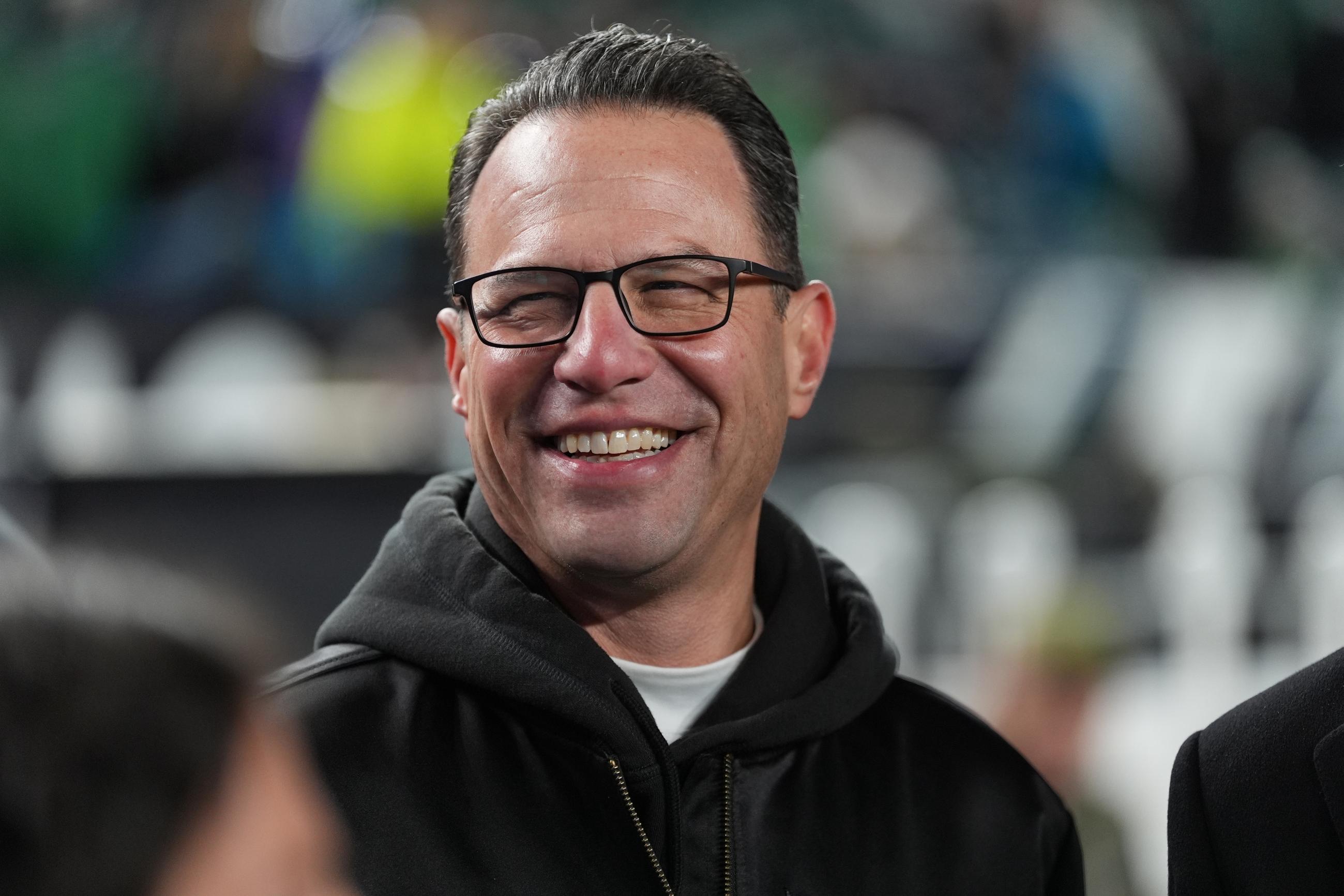
Pennsylvania Gov. Josh Shapiro (D): Leverage cannabis tax for education spending (Feb. 3)
Shapiro proposed a $53.2 billion budget, more than the $50.8 billion the state expects to bring in during the fiscal year, in his fourth budget address.
- IT’S RAINING. “The projected revenue includes an estimated $2 billion in new taxes that would come from legalizing recreational cannabis and electronic skill games,” but the plan would require the state to dip into the rainy-day fund for increased spending on “education, healthcare, economic development and safety programs.”
- OUT OF WASHINGTON. Shapiro proposed $100 million for a “Federal Response Fund” to “compensate for any federal actions that could cost the commonwealth.” (Pennsylvania Capital-Star)
Oklahoma Kevin Stitt (R): Freeze property-tax growth (Feb. 2)
Stitt “called for proposals to freeze property tax growth, remove the spending cap on the Parental Choice Tax Credit and limit tribal sovereignty.” In his final State of the State address, he also called for a state ballot question to shut down the state marijuana industry after voters legalized medical marijuana in 2018. (The Oklahoman)
Tennessee Gov. Bill Lee (R): Victory lap in final year (Feb. 2)
In his own final State of the State address, Lee “proposed seismic expansion to the state's private school voucher program, touted ‘generational change in Memphis’ brought about by state and federally coordinated law enforcement efforts, and urged lawmakers to ease regulations on rural health care providers.”
- NOT TALKING. Lee did not touch on “federal immigration enforcement activities ongoing in Memphis or elsewhere in the country that have rocked the nation.” (The Tennessean)
South Carolina Gov. Henry McMaster (R): Continue funding education (Jan. 28)
McMaster “urged legislators to build on past efforts with more money for roads, continued cuts to income taxes and universal full-day kindergarten for 4-year-olds” in his final State of the State.
- A LOOK BACK. He touted his administration’s accomplishments, including “pay raises for teachers and law enforcement, funding for police officers in every school, 400,000 acres of land conserved across the state, keeping college tuition frozen for in-state students, and scholarships offering free tuition” for technical colleges. (South Carolina Daily Gazette)
Maine Gov. Janet Mills (D): Standing up to ICE (Jan. 27)
Mills issued a dire warning in her last State of the State: “The federal immigration raids sweeping the state are part of an ongoing nationwide attack on democracy.” The term-limited governor, who is challenging Sen. Susan Collins, said: “Today, I say to the people of Maine: We will not be intimidated. We will not be silenced.” (Politico)
ON AFFORDABILITY. Mills also used her address “to unveil a package of proposals aimed at addressing affordability, including $300 relief checks," proposing to make the state’s free community college permanent, and spending $70 million for housing construction. (Portland Press Herald)
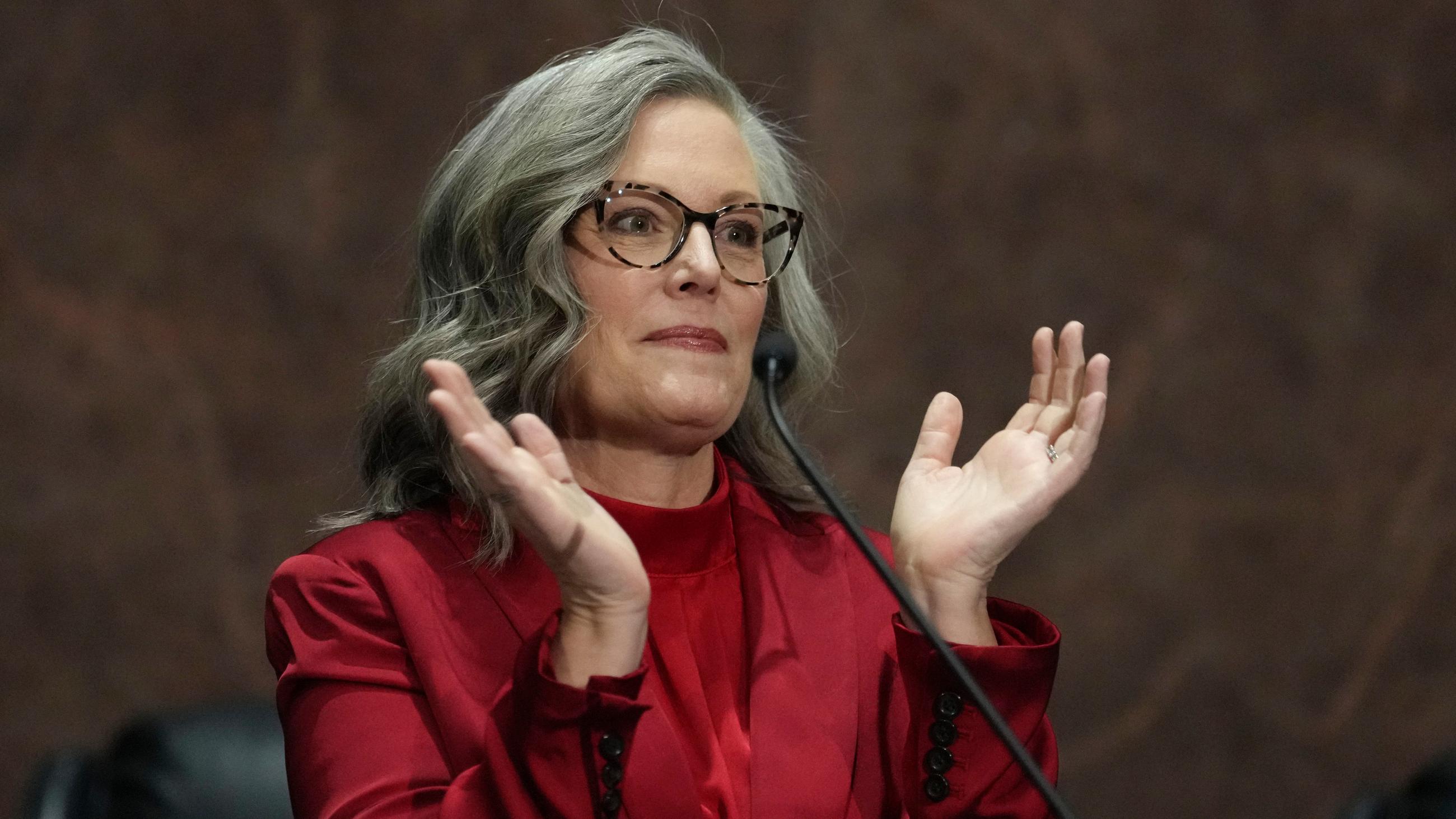
Hawaii Gov. Josh Green (D): Few legislative priorities in a reelection year (Jan. 26 )
Green emphasized his vision for a state “where working families can afford to stay,” no “child goes hungry,” and “the islands are protected for generations to come.”
- ALOHA STATE OF THE STATE. Green, who is expected to run for reelection, touted his administration’s work in providing tax relief, overseeing “record housing production,” and increasing the state’s GDP. While the governor touted accomplishments in his first term, he offered little insight into legislative priorities this session. (KHON)
Alaska Gov. Mike Dunleavy (R): Quiet on sales tax (Jan. 22)
Dunleavy touted his administration's accomplishments, “from reducing crime to improving reading scores” and economic and workforce development in his final State of the State.
- WHAT’S THE PLAN. “He said he plans to introduce a fiscal package in the next week, as well as bills focused on job training, child care and affordable housing. Dunleavy did not mention a seasonal sales tax proposal, as promised in a cabinet meeting on Wednesday.” (Alaska Beacon)
Massachusetts Gov. Maura Healey (D): A speech against Trump (Jan. 22)
Healey “used her annual State of the Commonwealth address Thursday to ramp up her aggressive rhetoric against President Trump while rolling out a few populist consumer protections for Massachusetts residents who are racked with rising costs.”
- TRUMP ATTACKS. She accused Trump of throwing “tantrums like a 2-year-old” and positioned the state “as the home of the resistance and promised to protect healthcare access and immigrant families from federal overreach.”
- WHAT’S NEW. Healey proposed “protections for health care consumers that would ban medical debt from being reported to credit agencies” and age-verification rules for kids and teens online. (Axios Boston)
Utah Gov. Spencer Cox (R): Live like the Founding Fathers (Jan. 22)
Cox “encouraged lawmakers to address some of Utah’s most pressing issues, like housing, education and social media policies, but he also asked them to pursue happiness—as the Founding Fathers had.”
- COX SAYS: “Honestly, we see it in both major political parties and those who represent us at the national level, making a mockery of Franklin’s virtues—rewarding grift, rejecting decency, and wantonly tearing down the very institutions that made us the envy of every nation.”
- IN THE SCHOOLS. Cox asked for a “bell-to-bell phone ban in schools” and focused on improving literacy in the state. (The Salt Lake Tribune)
North Dakota Gov. Kelly Armstrong (R): A health care game plan (Jan. 21)
Armstrong called on the Legislature “to ‘execute the game plan’ the state has put together to spend $199 million earmarked for rural health care.” The state “had one of the highest per-capita funding awards among the 50 states in the first year of the Rural Health Transformation Program.” (North Dakota Monitor)
New Mexico Gov. Michelle Lujan Grisham (D): Continuing taxpayer-funded childcare (Jan. 20)
Lujan Grisham pushed “lawmakers to adopt a wide-ranging agenda cementing her legacy in key areas” in her final State of the State.
- LEGISLATIVE AGENDA. The term-limited governor proposed “$160 million for taxpayer-funded childcare for every family in New Mexico, medical malpractice reform, codifying the emissions-reduction goals adopted during her tenure, cracking down on juvenile crime, making it easier to jail violent offenders before their trial and new gun control laws.” (Santa Fe New Mexican)
New Jersey Gov. Mikie Sherrill (D): A ‘No Kings’ inauguration (Jan. 20)
Sherrill vowed to stand up for New Jersey against “a president illegally usurping power” and carried through on affordability promises in her inaugural address.
- SHERRILL SAYS: “He has unconstitutionally enacted a tariff regime to make billions for himself and his family, while everyone else sees costs go higher and higher. Here, we demand people in public service actually serve the public instead of extorting money to benefit themselves and their cronies.”
- CAMPAIGN PROMISES. The governor signed a series of executive orders to declare a state of emergency over utility costs, including pausing rate increases, “to take on the affordability crisis.” (release)
Virginia Gov. Abigail Spanberger (D): Implementing campaign promises (Jan. 19)
Spanberger “sharpened her policy and political profiles Monday in a speech to the General Assembly,” her first since her inauguration, “that renewed her calls for unity but drew the clearest lines yet of where she plans to take her administration—including her formula for handling” Trump.
- CAMPAIGN PROMISES. Spanberger called for the Legislature to address housing, energy, and health care, “as well as matters of public safety, workforce training and public education.”
- SPANBERGER SAYS: “Above all else, my job as governor is to provide what the federal government too often has not: predictability, steadiness, and an unrelenting focus on the people we serve.” (The Washington Post)
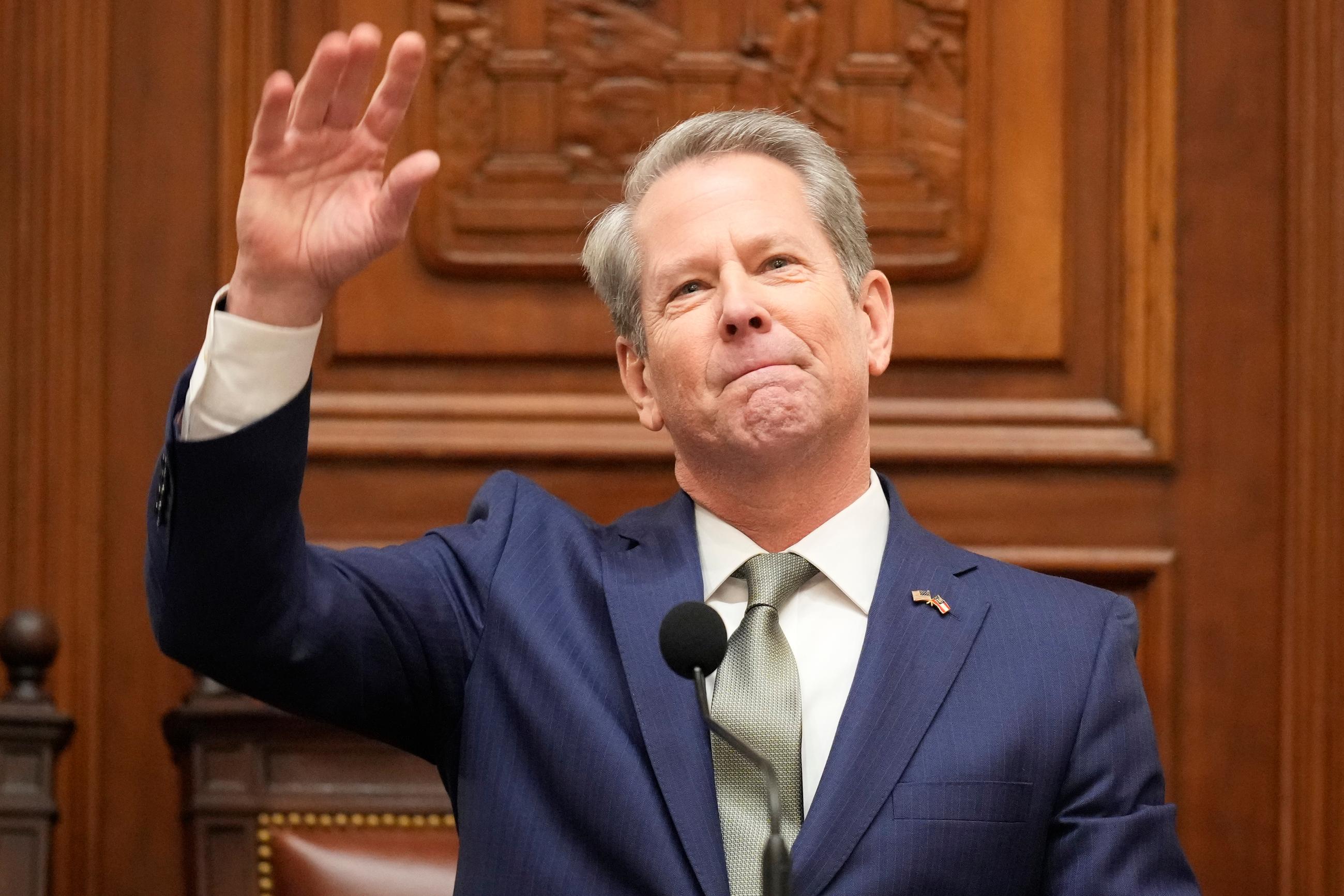
Georgia Gov. Brian Kemp at his State of the State address in Atlanta on Jan. 15. (AP Photo/Brynn Anderson)
ASSOCIATED PRESS
Colorado Gov. Jared Polis (D): Easing housing-construction barriers (Jan. 15)
In Polis's last State of the State, he previewed “plans to continue easing local barriers to build housing and to renew governance reforms within the Regional Transportation District," and he "called for more cuts to the income tax and doubled down on state climate goals.” Polis took time after touting his accomplishments to go after congressional Republicans.
- POLIS SAYS: “Washington Republicans—once the self-proclaimed party of states’ rights and small government—today are too often the party of socialism, overreach and intrusion into people’s daily lives, in ways that are wholly out of the scope of government.” (The Denver Post)
Georgia Gov. Brian Kemp: Funding the responsible way (Jan. 15)
In his final State of the State, “Kemp signaled to his captive audience that in his final year in office he intends to wield the most powerful tool in his political arsenal—control of the state’s purse strings—as the race for his job intensifies.”
- KEMP SAYS: “This tax cut doesn’t promise to pay for itself years down the road or create future budget holes with today’s one-time money. Our plan fulfills my promise to the voters of this state in a responsible way. And most importantly, this plan puts all the hardworking people of our state first.” (The Atlanta Journal-Constitution)
Nebraska Gov. Jim Pillen (R): Cutting $500 million in state spending (Jan. 15)
Pillen, who is seeking reelection, claimed the state was “recession-proof.” Despite Trump’s tariffs impacting the agricultural-base economy, Pillen touted the state’s cooperation with the administration. He also “laid out his plan to balance the state budget by cutting $495 million in state spending” and pushed for a “$7 million appropriation of state funds for grants to Nebraska students looking to attend private or parochial schools.”
- PILLEN SAYS: “We are Nebraska, not a woke ivory tower on the coast.” (Nebraska Examiner)
Indiana Gov. Mike Braun (R): Bring on the Bears (Jan. 14)
In Braun's second State of the State, he largely addressed affordability, touting his work to cut property taxes and pointing to job creation and higher wages as solutions for the future. On top of policy accomplishments, Braun slipped in his strong desire for the Chicago Bears to build a stadium in northwest Indiana. (WXIN)
Virginia Gov. Glenn Youngkin (R): Well wishes to the new governor (Jan. 14)
Youngkin took a victory lap in his final State of the Commonwealth address, touting economic growth under his four-year tenure leading Virginia.
- YOUNGKIN SAYS: “By every single metric, today Virginia is stronger than she has ever been—stronger financially, educationally, environmentally, stronger in terms of public safety, in terms of behavioral health, with better infrastructure, and with more opportunity than ever before.”
- SHIPS IN THE NIGHT. Youngkin spoke with incoming successor Spanberger “on the first day of the General Assembly session, with the outgoing governor telling Spanberger to ‘soak everything in,’ because four years can go by quickly.” (WAVY)
West Virginia Gov. Patrick Morrisey (R): Cut the income tax (Jan. 14)
Morrisey spent his address “doubling down on his request for an income tax cut and asking the Legislature to fund flood prevention.” He also celebrated the state’s efforts to decrease rights for transgender individuals, and a $128 million budget surplus, and he praised Trump. (West Virginia Watch)
Alabama Gov. Kay Ivey (R): Expanding school choice (Jan. 13)
Ivey proposed more funding for the state school-choice program in her final State of the State. She supported increasing funding for the program from $200 million to $250 million in the 2027-2028 school year.
- TO THE MOON. The governor also “talked about projects bringing jobs to the state, like Eli Lilly’s announcement of a $6 billion manufacturing facility in Huntsville, and the Trump administration’s decision to move the Space Command headquarters to Redstone Arsenal.” (AL.com)
Florida Gov. Ron DeSantis (R): Light on legislative priorities (Jan. 13)
DeSantis touted his successes over the last seven years and the state's cooperation with the Trump administration in his last State of the State. He highlighted tripling the state’s rainy-day fund, quadrupling the funding for Everglades restoration and water quality, and having the highest average minimum teacher salaries in the Southwest region.
- THE SORTA STUMP SPEECH. He also took jabs at Democrats, saying that “even as we cheer the removal of a Marxist dictator in Venezuela, we saw the election of a Marxist mayor in our nation's largest city.” He did not devote much of his 30-minute speech to legislative goals in his last year, nor did he mention redistricting. (Hotline reporting)
Iowa Gov. Kim Reynolds (R): Six-year property-tax plan (Jan. 13)
In her final Condition of the State address, Reynolds unveiled a proposal to cut property taxes by $3 billion over six years by capping revenue growth for local governments. Reynolds, who is not seeking reelection, also proposed freezing property taxes for some Iowans 65 and over.
- HEALTH CARE FUNDING. With some of the highest cancer rates in the country, Reynolds pledged $50 million towards cancer screening, coming out of the $209 million federal grant to improve rural health care. (Hotline reporting)
Kansas Gov. Laura Kelly (D): A call for civility (Jan. 13)
Kelly “shared a call for civility” from both parties and “credited her approach with the state's accomplishments” in her last State of the State. She reflected on “‘587 bipartisan bills’ passed during her tenure, and pointed to tax cuts, economic development deals and stewarding the state out of a fiscal crisis" after former Gov. Sam Brownback's tax experiment.
- THE YEAR AHEAD. In the final legislative session under her leadership, she proposed a cell-phone ban in schools, free lunches for kids who qualify for reduced-cost lunches, and funding for mental health services. (The Topeka-Capital Journal)
Missouri Gov. Mike Kehoe (R): Replacing income tax with sales tax (Jan. 13)
In his first State of the State, Kehoe proposed a phase-out of state income tax by expanding the sales-tax base. The move would need to be voter-approved, and Democrats have questioned whether eliminating the income tax is possible without “wrecking future budgets or pushing sales taxes up to recoup the lost revenue.”
- BUDGET CUTS. Kehoe also proposed a $600 million cut in general revenue spending after the state auditor warned of a quickly depleting reserve fund. Such a move would include slashing millions from the departments of Social Services, Health & Senior Services, and Mental Health. (KMIZ)
New Jersey Gov. Phil Murphy (D): Recapping two terms (Jan. 13)
Murphy used his last State of the State address to tout his administration’s accomplishments, including an increase in the minimum wage, property-tax rebates, lower crime rates, and increased education funding.
- ACCOMPLISHED. Murphy, who was about to leave office and pass the baton to Sherrill, also pointed to his administration’s investments in artificial intelligence and state strategic innovation centers which use public dollars to spur growth in industries like AI, biotech, and avionics. (New Jersey Monitor)
New York Gov. Kathy Hochul (D): Navigating New York City (Jan. 13)
Hochul honed in on her affordability agenda in her address as she runs for reelection and navigates a working relationship with New York City Mayor Zohran Mamdani.
- HOCHUL HIGHLIGHTS. Hochul highlighted childcare investments following an announcement the previous week with Mamdani to provide universal childcare in the city, and announced an additional $250 million investment in affordable housing.
- ON ICE. She slammed Immigration and Customs Enforcement efforts following the shooting of Renee Good in Minneapolis, saying that “protecting New Yorkers also means this: standing up to ICE agents who abuse their power.” (Hotline reporting)
Rhode Island Gov. Dan McKee (D): Affordability for All (Jan. 13)
McKee asked the Legislature to pass his Affordability for All budget plan, saying it would keep $215 million “in Rhode Islanders' pockets in the first full year” and $1.4 billion in the next five years. He proposed creating the state’s first child tax credit, ending taxes on Social Security, lowering the gas tax, and cutting utility-bill fees. (Hotline reporting)
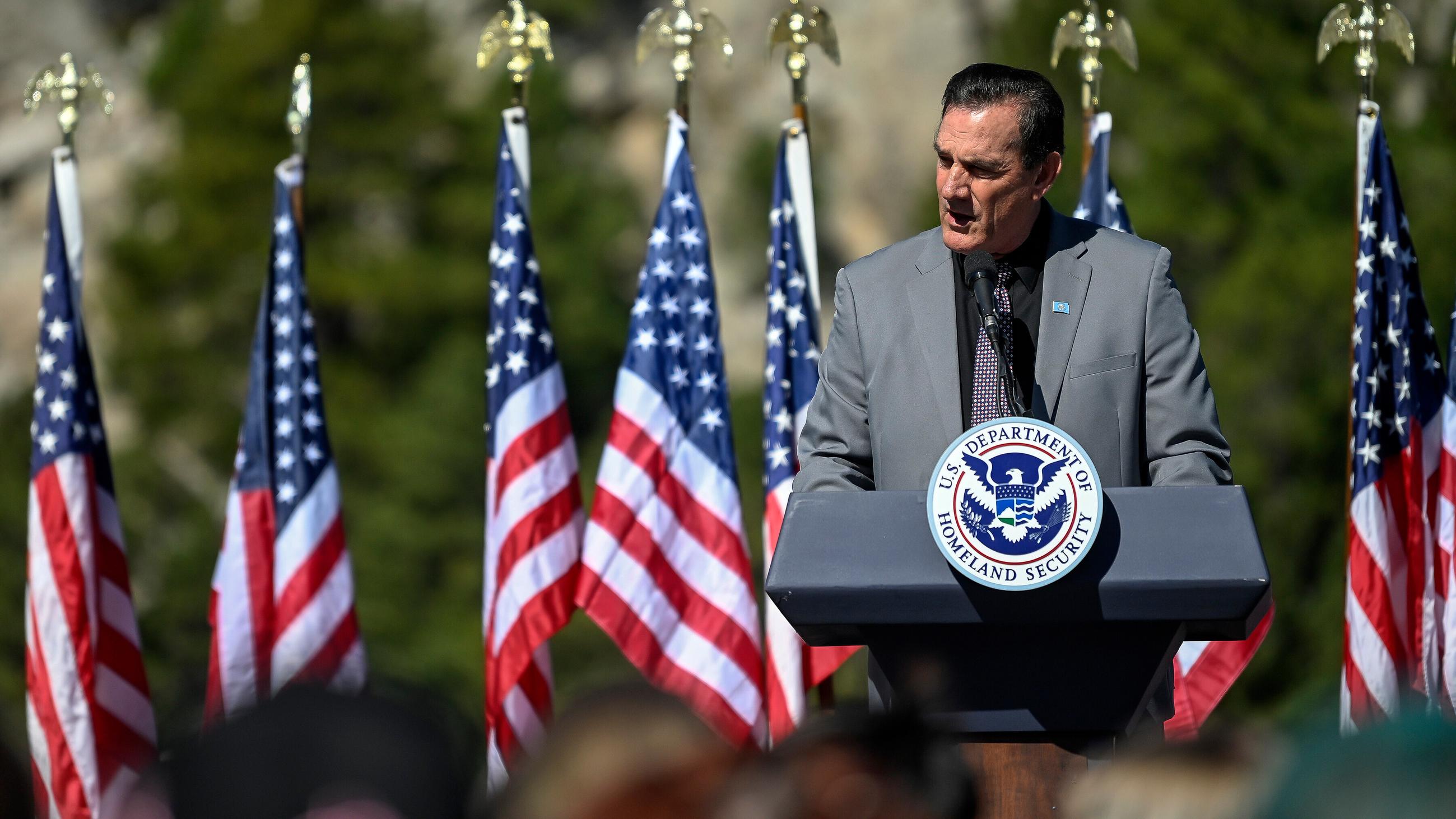
Gov. Larry Rhoden (R): Implementing sales tax over property taxes (Jan. 13)
Rhoden “asked lawmakers on Tuesday to pass legislation that would stop the delivery of medication into the state that can be used to end pregnancies.” He also proposed replacing counties’ share of property taxes with a half-cent sales tax. “His proposal offers ‘flexibility’ to local decision-makers, Rhoden said, noting that sales tax collections could help the counties that most need property tax relief.” (South Dakota Searchlight)
Washington Gov. Bob Ferguson (D): Tax the rich, cut the spending (Jan. 13)
Ferguson used his second State of the State to call for legislation that would bar federal immigration agents from shielding their identities when operating in the state, pledging to sign it into law “immediately” once it’s brought to his desk. He also embraced taxing the income of millionaire earners, and though he proposed across-the-board spending cuts—like taking $1 billion from the state’s emergency reserves and moving nearly $600 million from Washington’s air-pollution allowances—he avoided directly discussing the state’s multibillion-dollar budget shortfall. (Washington State Standard)
Arizona Gov. Katie Hobbs (D): Creating affordability funds (Jan. 12)
Hobbs delivered an address focused on lowering costs in the Grand Canyon State as she faces the hardest reelection bid among incumbent Democrats.
- GET BUILDING. She unveiled the Housing Acceleration Fund, a program combining public and private money to build affordable housing with an initial $2 million investment.
- HOBBS SAYS: “In 2024, Maricopa County led the nation in housing construction, and the latest numbers show housing prices in Arizona are on the decline. We've launched a war on the cost of housing, and it's starting to pay off.”
- PAYING THE BILLS. Hobbs also announced the Arizona Affordability Fund to assist with utility bills and home weatherization. The fund is starting with an initial $20 million, and Hobbs proposed a $3.50 fee on short-term rentals to fund it. (Hotline reporting)
Idaho Gov. Brad Little (R): Balancing the budget deficit (Jan. 12)
Little “espoused ‘right-sizing’ state budgets, maintaining Idaho's AAA credit rating, and working with the Trump administration to reshape the federal government.”
- BALANCING ACT. Little is faced with balancing a budget with an estimated deficit of $555 million. “Notably absent from the speech was an endorsement regarding any repeal of Medicaid Expansion, which was passed with 61% voter support in 2018. He did, however, discuss the Trump Administration's plan to award Idaho $185 million for our rural healthcare systems.” (KIVI)
California Gov. Gavin Newsom (D): A state in contrast to Trump (Jan. 8)
Newsom contrasted California as “a beacon” and “policy blueprint,” taking direct jabs at the president in his final State of the State.
- NEWSOM SAYS: “But Mr. President, you can't cut off critical food assistance for millions of people. You can't send the military to American cities without justification, and you cannot cruelly and illegally cut off funding for medical research, Homeland Security, or disaster response. That is wrong, and you have all stood up.”
- EDUCATION. Newsom unveiled a $248.3 billion general fund budget, including revenues that were $42.3 billion higher than forecasted. With higher revenues, the governor said the state is making a record-breaking investment of over $27,400 per student. (Hotline reporting)
Kentucky Gov. Andy Beshear (D): One-time spending package to ease costs (Jan. 7)
Beshear urged Kentuckians to move beyond national partisan headwinds in his seventh State of the Commonwealth address as he focused on tackling the affordability crisis in the state.
- BESHEAR SAYS: “We won as one team, Team Kentucky, by pushing out that noise and finding common ground to move our state, not right, not left, but forward for everyone. We've done this by recognizing the most important things to our people, they're not partisan, they're not even bipartisan. They are nonpartisan.”
- THE BUDGET. Beshear is asking the GOP-controlled Legislature to pass a $500 million one-time spending package to ease costs, particularly from impacts of the GOP reconciliation bill: $150 million for the Affordable Housing Trust Fund, $125 million to support hospitals impacted by the bill, $100 million to cover expiring Affordable Care Act tax credits, and additional funds to assist food banks and rising utility costs.
- BESHEAR SAYS: “Sadly, a lot of our progress is now at risk due to decisions at the federal level. That’s why my budget pushes back, investing in our people and our health care.”
- AMBITIOUS. The potential presidential contender appeared to make a nod to running for another office, saying this is his “last budget address, in this job.” (Hotline reporting)
Vermont Gov. Phil Scott (R): Consolidate the schools (Jan. 7)
In an address focused squarely on education, Scott called on the legislature to create new school districts to reduce the number of districts in the state and save taxpayers money. While Act 73 doesn’t call for school closures, Scott said some closures may be necessary.
- SCOTT SAYS: “Here’s the point: Act 73 is not an attack on teachers. It's a recognition that you're not getting what you need. It's a blueprint to make sure every teacher works in a system that supports you, so you can focus on the job you signed up for: helping students reach their full potential.” (Hotline reporting)