Jan. 26, 2026, 3:45 p.m.
Affordability has quickly become the central issue of the midterms. Now, as candidates up and down the ballot have sought to define what exactly affordability means for consumers, cornerstone local industries are also feeling the squeeze, exacerbated by volatile trade policy.
In Kentucky, affordability politics directly relates to bourbon, a $9 billion industry in the commonwealth, according to the Kentucky Distillers’ Association. The KDA notes that the industry employs more than 23,000 jobs across the state.
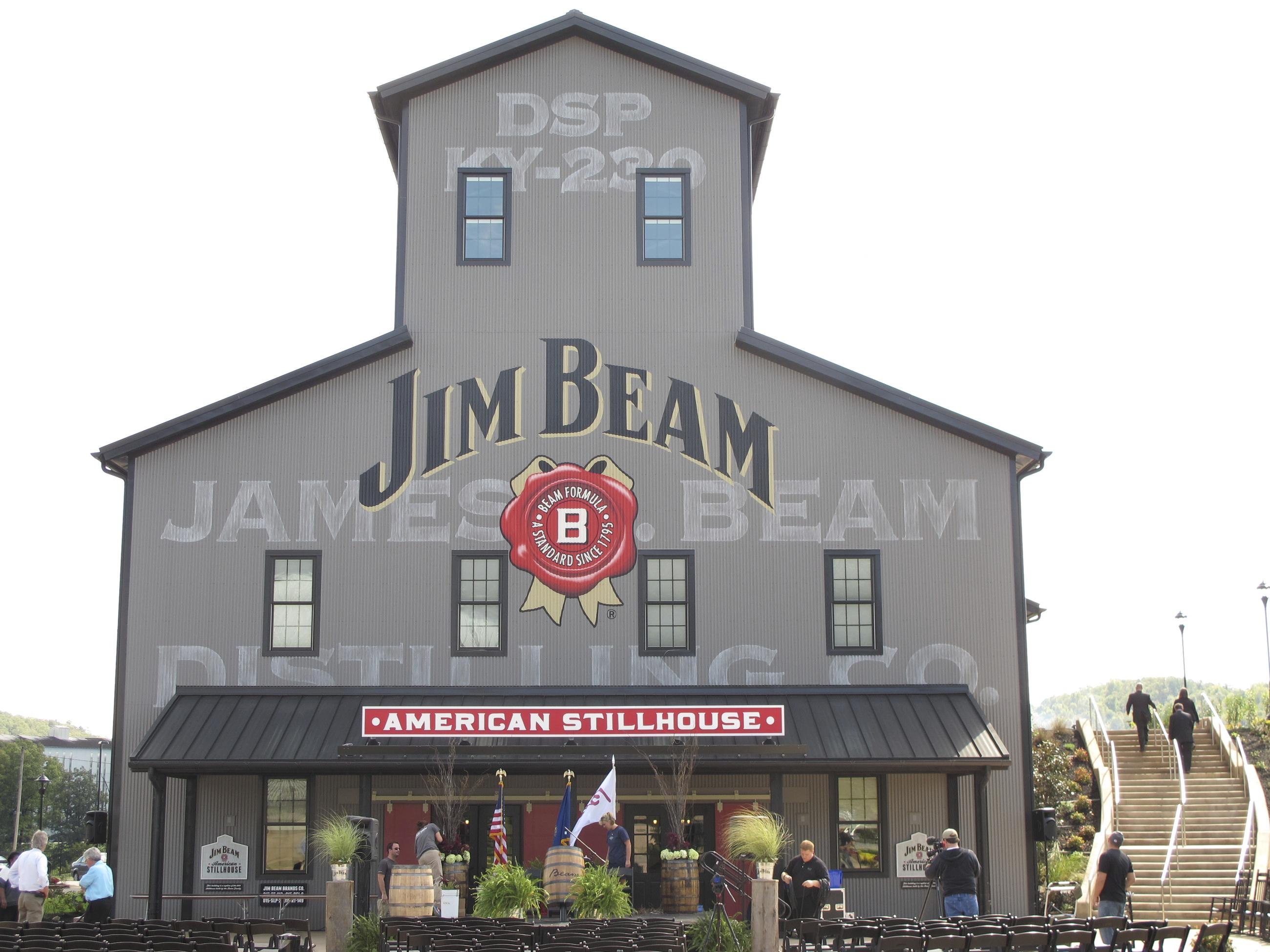
Bourbon production has been on the rocks since President Trump took office and began levying tariffs on scores of countries. American export of bourbon plummeted throughout 2025, and the drama reached a nadir in December when legendary distiller Jim Beam announced it would halt production at one of its plants for a year amid the economic uncertainty.
These tariffs, coupled with evolving drinking habits, have upended the industry, and bourbon politics has become a flashpoint issue in the midterms.
“Bourbon is a political issue and has become much more so. It’s probably more political than it’s ever been at this point,” said former Kentucky state Rep. Cherlynn Stevenson, who’s vying for the Democratic nomination in the 6th Congressional District—a seat targeted by the Democratic Congressional Campaign Committee.
Stevenson has leaned into the bourbon issue since launching her campaign last spring. She announced her candidacy at a distillery in the district, and she devotes an entire section of her website to the spirit and its political connotations.
The local economic squeeze from the tariffs has put Republicans in a bind. Ryan Dotson, a state representative vying for the GOP nomination in the 6th District, said he supports Trump’s tariff policy “unequivocally” but that the hit to the industry is an unfortunate casualty of the trade war.
Dotson said the negative impacts for the bourbon industry are “a result of retaliatory tariffs imposed by foreign countries, in response to President Trump's economic measures,” adding that “taking action to defend our country's economy will come at a short-term cost, and I'm willing to do whatever I can from Capitol Hill to ease that burden on our great manufacturers.”
Kentucky Bourbon isn’t the only local industry hit hard by the tariffs. After Trump levied tariffs on Chinese goods, Beijing responded with a 20 percent retaliatory tariff on soybeans, and the country had, until recently, held off on buying U.S. beans. The response has crippled business across the Midwest, as the Iowa Soybean Association estimated the trade war could cost the Iowa soybean industry up to $1.5 billion in losses. Republicans across the region in the fall urged Trump to suspend the tariffs in hopes of reigniting trade with China.
Bourbon is selling the essence of America and the essence of Kentucky. But that's being devalued right now. ”
—Erin Petrey, House candidate and bourbon blogger
Republican Damon Thayer, a former majority leader of the Kentucky Senate, knows the fusion between politics and bourbon better than most. Thayer, who operates his own bourbon company, was a champion of the industry during his 22-year tenure in the commonwealth’s Senate. He helped pass 20 bourbon-related laws in Frankfort and was a first-ballot inductee to the Kentucky Bourbon Hall of Fame last year.
The former legislator said the tariffs have not affected his small business as much as others, as it looks to expand its availability into other states. Thayer added, however, that the large legacy distilleries have experienced some pain from Trump's economic gambit.
“In order for them to have year-over-year growth, they’ve got to have some overseas growth,” he said, “and there’s no doubt that the tariffs have had a negative effect on international sales.”
Tariffs aren’t the only factor contributing to a lagging bourbon industry, however. Thayer cited “five or six reasons” leading to the headwinds, including overproduction and a decline in alcohol consumption, especially among Gen Z drinkers.
Despite the struggles, Democrats and Republicans both believe bourbon is experiencing more of a correction period than a crash. Bourbon is a difficult industry to forecast, said Erin Petrey, a Democratic candidate for the 6th District who also publishes the blog Bourbon & Banter, because the distilling process does not make the product immediately available. When spirits are not available, often for more than five years, it becomes an impossible task to predict the markets.
Stevenson said distilleries have had to adapt to difficult conditions. This is an easier task for larger operations like Jim Beam, but workers across the industry face increased job uncertainty, and smaller distilleries may face closure.
It may not be all doom and gloom. The bourbon tourism industry remains a strong force in the state, said Thayer. More than 2.7 million people took part in the Kentucky Bourbon Trail in 2024.
“We’ve got bourbon-themed hotels, bourbon-themed restaurants, bourbon-specific bars,” Thayer added.
That gives hope to the many bourbon-enjoyers in the Commonwealth of Kentucky that the industry will soon rebound.
“Bourbon is selling the essence of America and the essence of Kentucky,” Petrey said.
“But that's being devalued right now, and until we restore the value of what it means to be an American … we’re going to struggle on the international stage.”
CORRECTION: The original version of this article misstated the nature of Damon Thayer's bourbon company. Kentucky Senator Bourbon is a non-distiller producer.