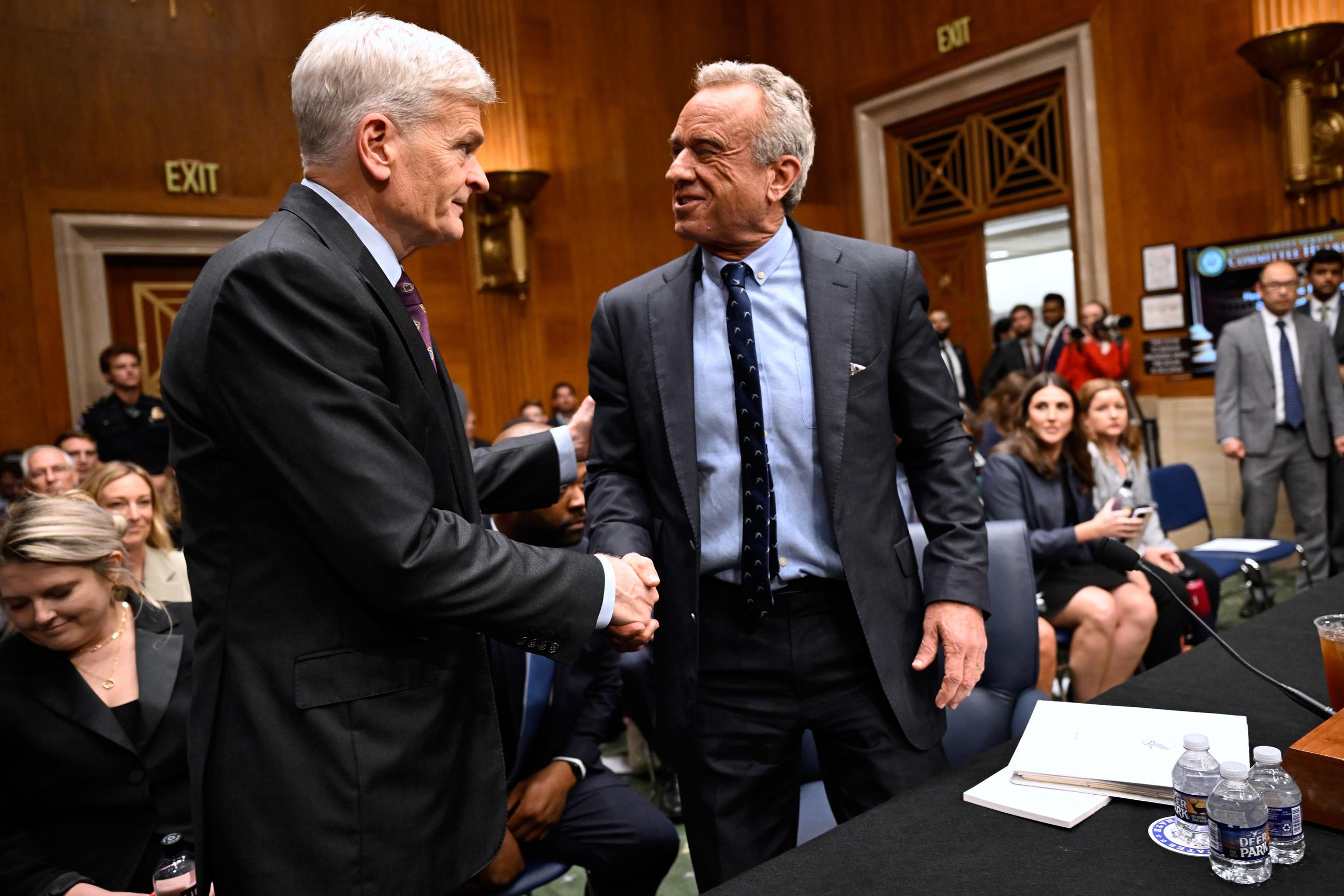
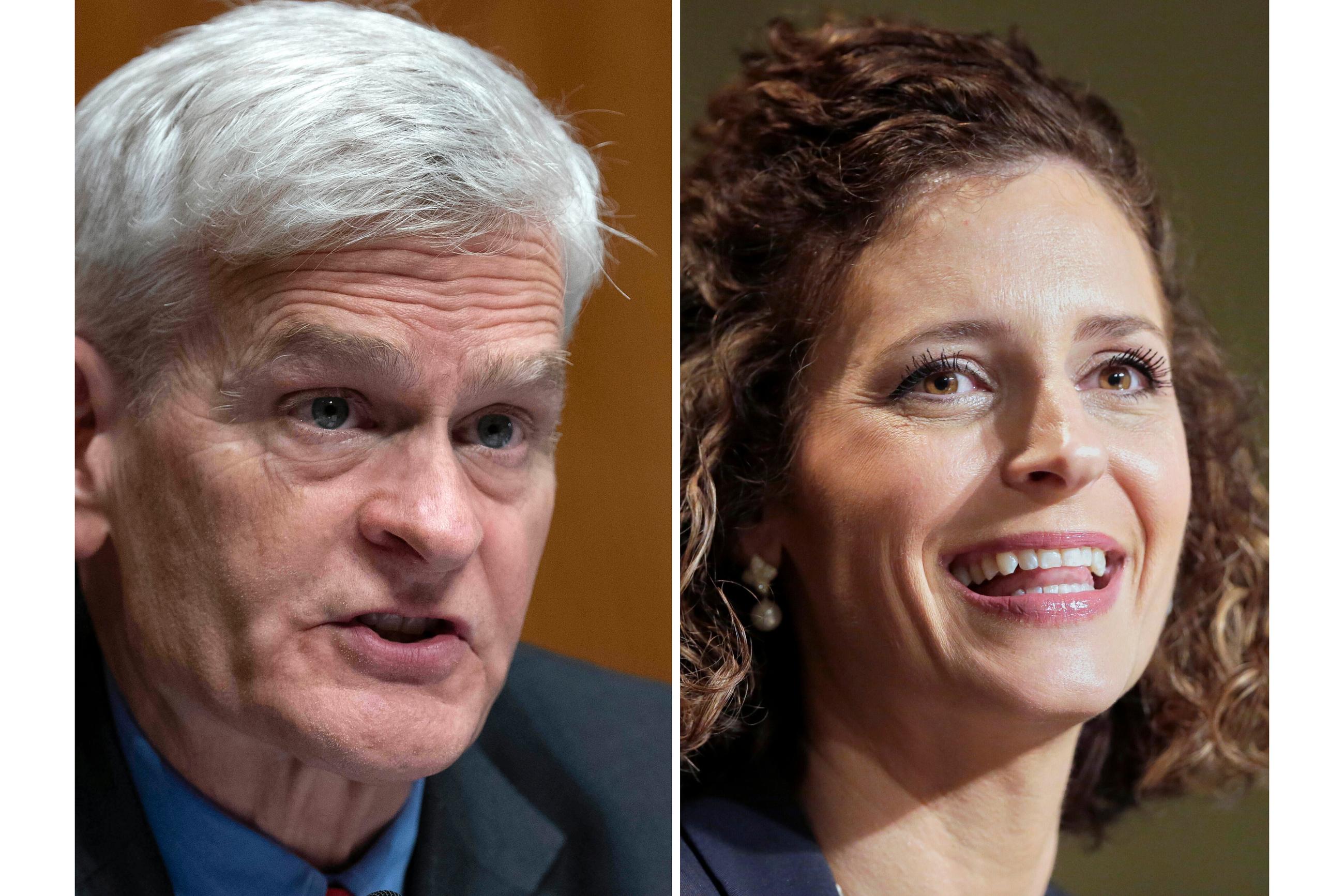

Sen. Bill Cassidy was on a path towards redemption in the Republican Party. Then President Trump intervened.
Trump’s endorsement of Cassidy's challenger, Rep. Julia Letlow, in Louisiana’s GOP Senate primary comes nearly five years after Cassidy voted to convict the president for inciting a mob to attack the U.S. Capitol.
But Trump’s measure of retribution against Cassidy might also cost the president precious leverage to enact his health care agenda, at a time when Republican lawmakers on Capitol Hill are increasingly pushing back on a number of Trump’s policies.
And it could further complicate the confirmation process for nominees who still need to go through the Health, Education, Labor, and Pensions Committee, which Cassidy chairs—including a controversial surgeon-general nominee and lower-level appointees. Plus, some Republicans have been pushing for a second reconciliation bill this year, a politically complex gauntlet which would require cooperation from Cassidy, one of the key health care players in the Capitol.
Cassidy, however, has his own list of priorities ahead of a tough race, possibly tempering any temptation to retaliate against the administration after the president walked back promises of staying neutral in the Louisiana primary.
“I think the senior senator from Louisiana is strictly focused on winning a third term, and I don't think that retaliatory passion will drive his decision-making,” said one House Republican lawmaker. “He puts his reelection at the top of his intentions.”
A chairman’s dilemma
With some Republicans pushing for another reconciliation bill touching on health care—and Trump asking Congress to approve his health care plan—Cassidy sits at the center of much potential legislative action.
But although the senator could theoretically throw up roadblocks, it doesn’t mean he will. Cassidy is still running for reelection—and any perceived slight against the administration would force him to answer to the Republican voters of Louisiana ahead of May’s crowded primary.

“[Cassidy] sounds like he still wants to actually win,” said a Senate GOP aide who works on health issues. “So I don’t think that going scorched-earth would help him get there.”
Nonetheless, as HELP Committee chair, Cassidy wields considerable leverage. While the Louisiana Republican has largely aligned with Trump during the first year of the president's second term—confirming all of Trump’s nominees, voting for the president’s marquee tax and health care bill, and introducing measures that bring the president’s policy vision to life—these efforts came amid promises from Trump that he would stay neutral in the Senate race. With that promise now broken, the senator could have more room to voice his objections.
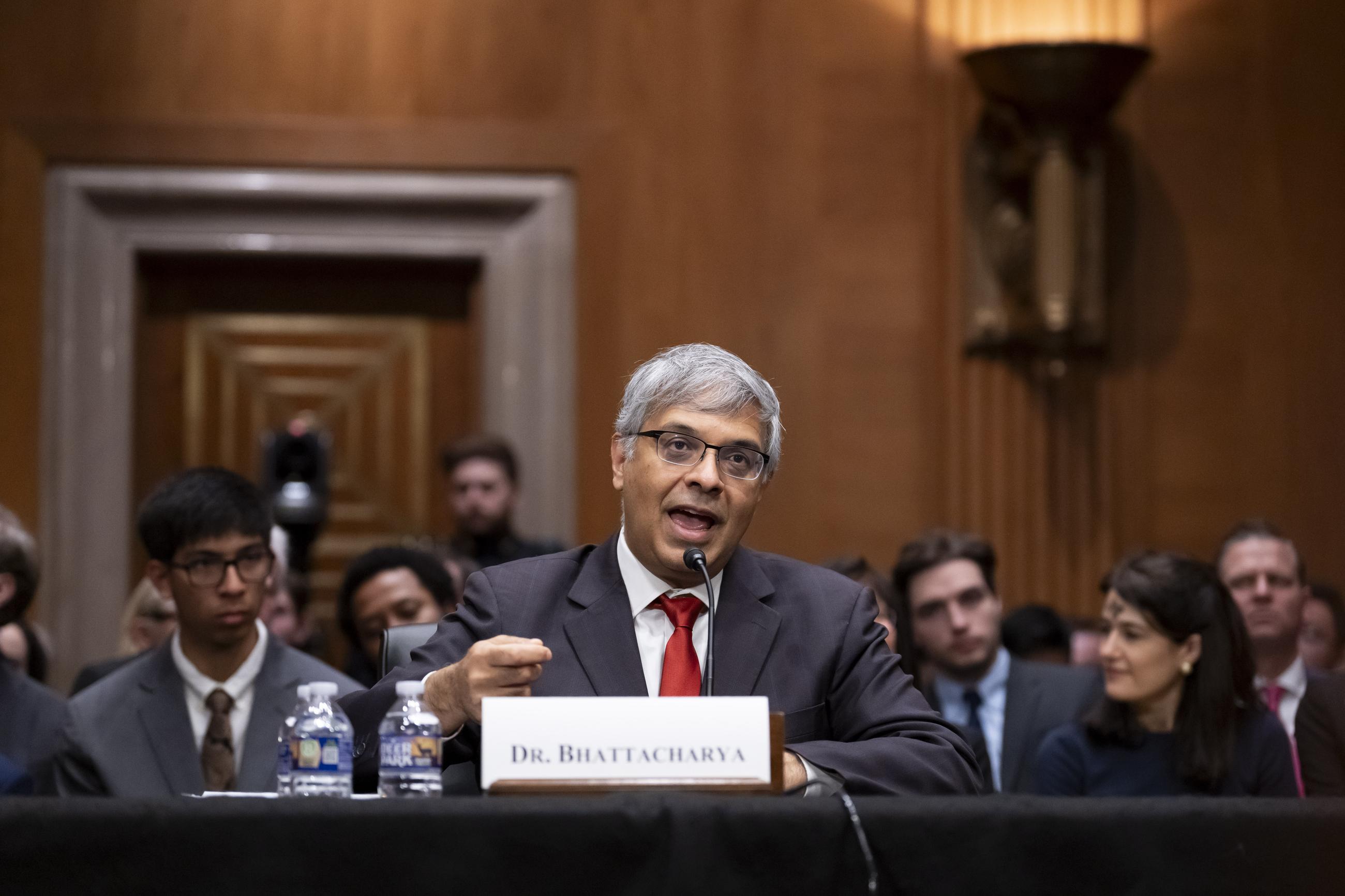
One possible area Cassidy could look to leverage his influence is nominations. Casey Means, a wellness influencer aligned with the Health and Human Services Secretary Robert F. Kennedy Jr., has been nominated as surgeon general despite lacking the traditional credentials that past officials held.
Means has also been catching flack for promoting pseudoscience and questioning whether inoculations children receive could be linked to autism. Kennedy has made similar comments linking vaccines to the neurological disorder, despite a number of studies debunking the claim.
Cassidy has not publicly voiced any opposition to the Means nomination, but he has gone toe-to-toe with the HHS secretary over his moves to undermine vaccine infrastructure. The senator had considered opposing Kennedy's nomination before ultimately voting to confirm him last year.
Cassidy will also need to oversee the confirmation of any nominee appointed to head the Centers for Disease Control and Prevention, following the firing of former agency director Susan Monarez after she clashed with Kennedy over vaccine policy. The agency position has been vacant for 148 days; according to the Federal Vacancies Reform Act, an acting official can only serve for up to 210 days from the vacancy date.
Other lower-level nominees who will come before the HELP Committee include Daniel Bonham, nominated to be an assistant secretary for the Labor Department, and Carter Crow, nominated as the general counsel for the Equal Employment Opportunity Commission.

A two-way street
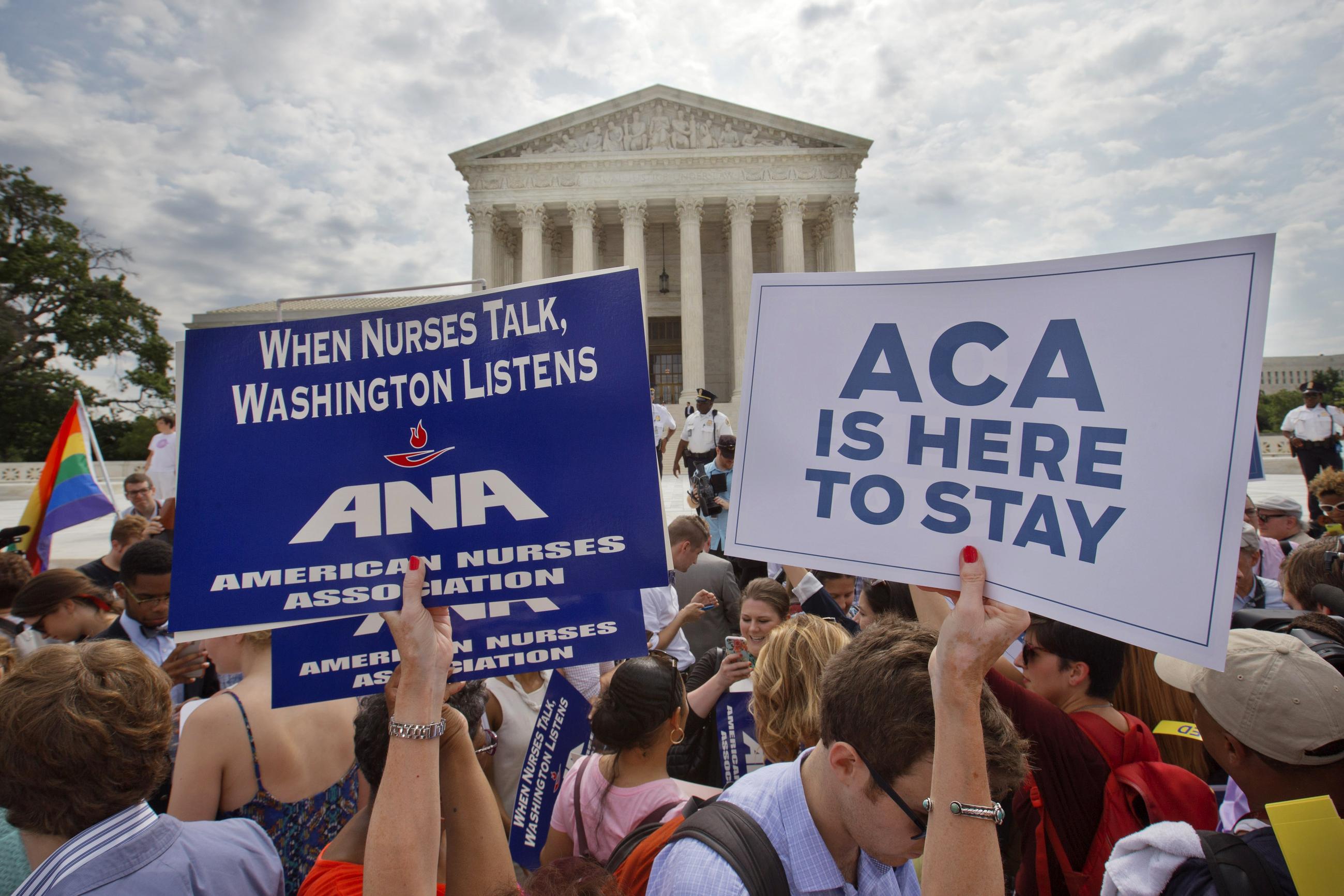
But the relationship between the Senate and the White House goes both ways. Cassidy also has a long list of priorities to get done while he still maintains the gavel—and like any lawmaker, he will need buy-in from the president to get anything signed into law. The senator is currently involved in talks on a health care deal that could renew Obamacare subsidies and restructure the larger marketplace under the Affordable Care Act—a complicated deal to cinch as the GOP remains divided on whether to revive the Democratic policy at all.
“The senator has been invited to the White House several times to help get legislation across the finish line,” a former Cassidy staffer told National Journal. “He will continue to work with the president, and he always has the people of Louisiana in mind.”
Extending the premium tax credits isn't the only thing on the menu for the chair during an election year.
According to the Senate GOP health aide, Cassidy’s office has indicated that he wants to move forward on overhauling certain agencies under HHS, such as the Food and Drug Administration and the National Institutes of Health. The aide pointed to a white paper Cassidy authored in 2024 on possible ways to modernize the NIH amid declining public trust in health institutions following the pandemic. Cassidy held a committee hearing back in October examining the future of biotech, calling for structural changes to the FDA to eliminate regulatory barriers and modernize processes to counter growing competition overseas.
The chairman also created a working group last year to potentially overhaul the CDC—although the group has yet to release an agreed-upon framework on how to proceed.
Any large overhaul of the agencies would require the cooperation of either HHS or the White House—neither of which the senator is on good footing with.
His relationship with the HHS secretary publicly came to a head in September, when he grilled Kennedy before the Finance Committee and probed the ouster of high-level CDC officials during a separate HELP hearing.
But following the blockbuster hearings last year, Cassidy has been largely quiet on his correspondence with the HHS chief. Although Kennedy previously pledged to come before the panel every quarter, the secretary has not made an appearance there since his confirmation hearing.
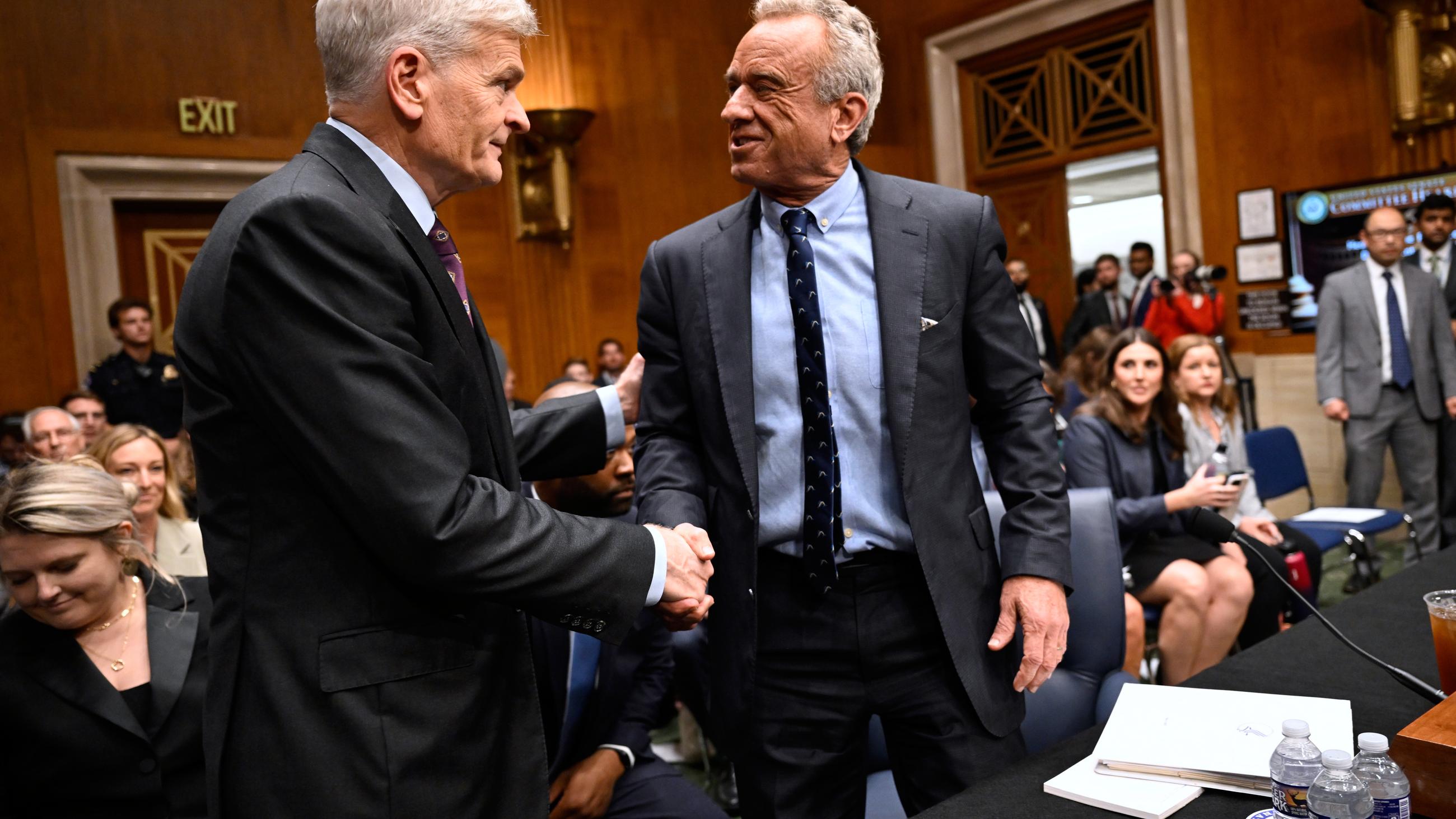
“We’re working on that,” Cassidy said in December—a common answer from the senator to reporters who have asked when Kennedy would appear before the panel. The last public invitation to Kennedy was sent in September, nearly four months ago.
But some observers are looking ahead to see whether Cassidy’s reelection campaign could influence his oversight efforts into HHS.
“I just think that he disagrees with RFK Jr. on a lot of stuff and he's kept quiet on most of it—and if he gets reelected, then he will not be quiet anymore,” said the Senate GOP health aide.
A spokesperson for Cassidy declined to respond to a request for comment.
Any pushback against Kennedy would likely anger HELP Committee Republicans who are more aligned with the HHS secretary. Following the September CDC oversight hearing, a few Republican senators expressed frustration with the chairman’s probe into Kennedy.
“Yeah, I didn't think it was particularly helpful,” a GOP senator who sits on the HELP Committee told National Journal in September. “I’ll just leave it at that.”
“Certainly, I respect him as the committee chairman and want to support his agenda,” said another GOP HELP senator last year. “I think that I'm much more interested in moving on and addressing bigger issues—that vaccines are one tenth of 1 percent of making America healthy again. I think it is definitely time to move on, and I hope we do.”
GOP strategist Ford O’Connell said he doesn’t believe Cassidy will suddenly fight Trump’s agenda, regardless of the election outcome.
“When Cassidy does that, he's not helping his cause. He's burning his own house down, and then not moving the agenda forward,” O'Connell said. “And the thing with Trump is always, if you have an issue, let's go behind closed doors and talk about it. But if you're going to go out there and parade around and go on various news networks and interrupt the message of the administration, you're going to pay a price.”
GOP senators in Trump’s crosshairs
Trump needs only look at Republican Sen. Thom Tillis to see how going after a key incumbent senator can threaten his own agenda. Tillis announced in June he would not seek reelection this fall after Trump repeatedly attacked the North Carolina Republican for his criticism of the president’s One Big Beautiful Bill.
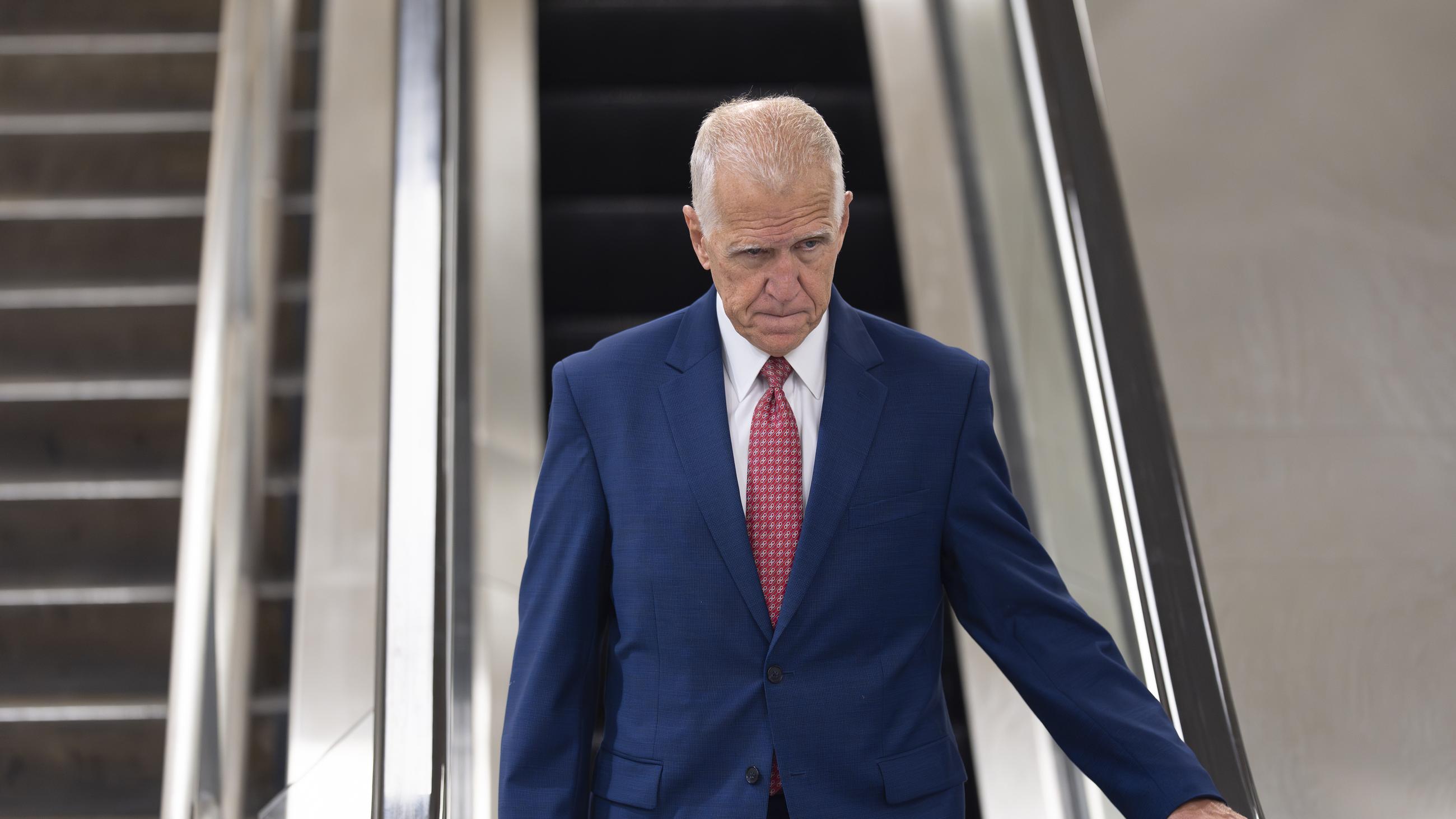
Not only did Tillis’s retirement give Democrats a better shot to win back the seat, but the senior member of the Banking, Housing, and Urban Affairs Committee already has begun to flex his independence. Tillis vowed to block any nominee Trump puts forward for the Federal Reserve Board of Governors following revelations that the Justice Department was investigating Fed Chair Jerome Powell for potential perjury charges.
Trump has yet to endorse a candidate in Texas, where Republican Sen. John Cornyn is fighting for his political life in the primary against state Attorney General Ken Paxton. If Cornyn loses, he would be in a position to act on his own priorities without feeling loyal to Trump.
And Trump has gone after other GOP senators whom he needs to approve his nominees and enact his priorities. After five Republicans—Sens. Susan Collins, Lisa Murkowski, Rand Paul, Josh Hawley, and Todd Young—voted earlier this month to advance War Powers legislation that would curb military action in Venezuela, Trump warned on social media that they “should never be elected to office again.” Hawley and Young later voted against the measure after intense pressure from the White House.
Collins, who also voted to convict Trump in 2021, is running for reelection this year in Maine, which twice voted for Joe Biden.
O’Connell says senators are watching the Cassidy situation and deciding it’s better to fall in line.
“You're combining policy here with the mechanics of campaigns. That is always the greatest leverage at your disposal,” he said. “And, hey, maybe Cassidy will play ball. Maybe he doesn't. But it's also a warning shot to everyone else to understand your job, and what America and Republicans voted for in particular was to get the Trump agenda across the finish line.”
Some doubt, however, that the Trump influence will continue throughout the entirety of his second term—especially as he nears the end of it.
“Trump has made some real enemies in the Senate through both political and personal attacks, and that can cost him on close votes,” said Alex Conant, a longtime GOP strategist for then-Sen. Marco Rubio and co-founder of PR firm Firehouse Strategies. “And every day Trump becomes more of a lame duck—the closer we get to 2028—the less members are going to care about what he thinks and care more about what our next nominee and younger Republicans think.”